MUMBAI, Nov 4 — India's drive to replace imported oil with home-grown biofuel faces a setback as the lowest monsoon rainfall in more than a decade hits corn and sugarcane crops, forcing New Delhi to prioritise food security over ethanol production.
Industry insiders say that the proportion of ethanol in Indian petrol is poised to fall below the official 20 per cent target in the supply year that began this month, reversing gains made after the government achieved the milestone some five years ahead of schedule.
A sustained drop in ethanol use would undermine one of Prime Minister Narendra Modi's signature energy-security programmes and leave India more reliant on overseas crude at a volatile time for energy prices amid persistent geopolitical uncertainty.
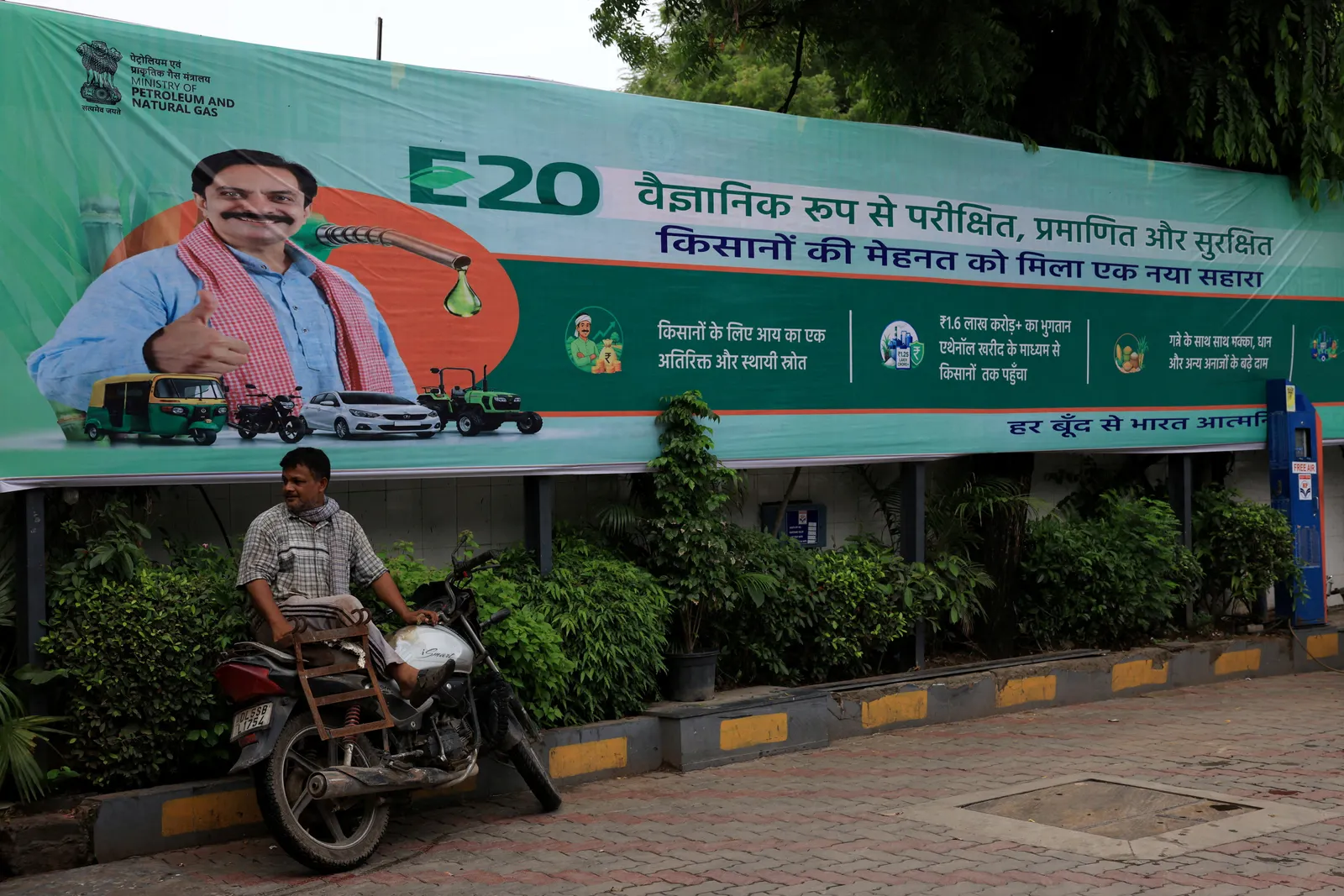
Government data revealed the E20 initiative has saved nearly ₹2 trillion (RM86 billion) in oil import costs since Modi came to power in 2014, with annual savings estimated at ₹430 billion (RM18.49 billion) at the 20 per cent ethanol blending rate.
However, a severe El Nino this year cut India's monsoon rainfall by nearly 13 per cent from normal levels, and concerns about crop shortages sent corn and sugar soaring some 40 per cent to hit record highs, while rice — another ethanol feedstock — climbed 20 per cent.
Retail food inflation accelerated to 7.74 per cent in September from 5.97 per cent a month earlier.
Agribusiness company KN Agri Resources chairman and one of India's top food policy experts G.K. Sood said feedstock scarcity could push India's ethanol blending rate down to around 15 per cent in the current supply year, from the previous period's 20 per cent.
"India is the world's most populous country, so food has to take priority over fuel, more so in a drought year," he said.
India's ample rice stockpiles offer an alternative to sugar and corn, but one that would be expensive for the government, which sells the grain to ethanol producers at roughly half the price it pays to buy and store it.
A government spokesman did not respond to a Reuters request for comment.
Distilleries squeezed
Lower blending would squeeze producers who borrowed heavily to expand capacity to about 20 billion litres a year in anticipation of rising ethanol demand, resulting in significant overcapacity.
Four producers, speaking anonymously, told Reuters they expect blending to fall to 15 per cent to 17 per cent in the current supply year, with the extent of decline depending largely on corn prices.
Food inflation is a politically sensitive topic in several states due to holding assembly elections in early 2027, including Uttar Pradesh, the country's most populous.
Modi suffered a setback in the state — a bellwether of national politics — in the 2024 general election, with opposition parties winning more seats than his Bharatiya Janata Party.
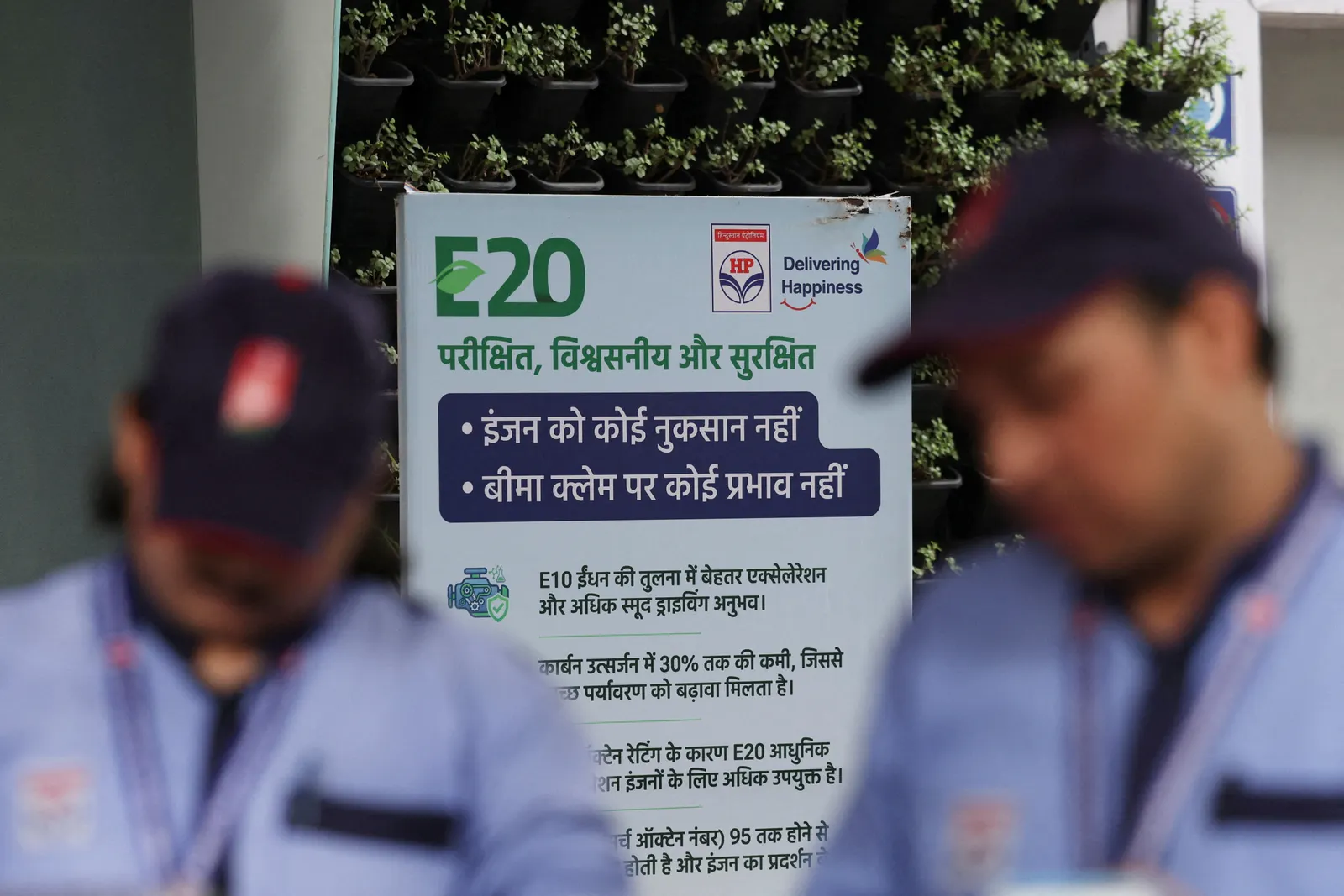
The E20 initiative is not without controversy, with motorists and some automakers expressing concerns about fuel efficiency and engine wear. The public backlash prompted the government to stress that it had no plans to increase the ratio above 20 per cent.
New Delhi quadrupled ethanol blending over six years to hit its target, helped by successive good monsoons.
But last month, the government signalled a shift in priorities by directing oil companies not to procure any ethanol made from sugar-based feedstocks for the new supply season.
It also cut the purchase price of corn-based ethanol to ₹68.86 (RM2.96) per litre from ₹71.86 (RM3.09) the same month, squeezing distillery margins and curbing the crop’s use.
The Grain Ethanol Manufacturers Association's president C.K. Jain said that ethanol producers have increasingly turned to damaged grains to make the biofuel, which has raised worries about animal feed availability.
Corn production is likely to fall by as much as 15 per cent from this year's record of 55 million metric tons, according to industry estimates.
Hyderabad-based trading house ILA Commodities Pvt Ltd's director Harish Galipelli noted that record prices would normally be a draw, but "winter acreage is unlikely to pick up".
"Drought-hit farmers across several states simply do not have enough water to go for corn," he said.