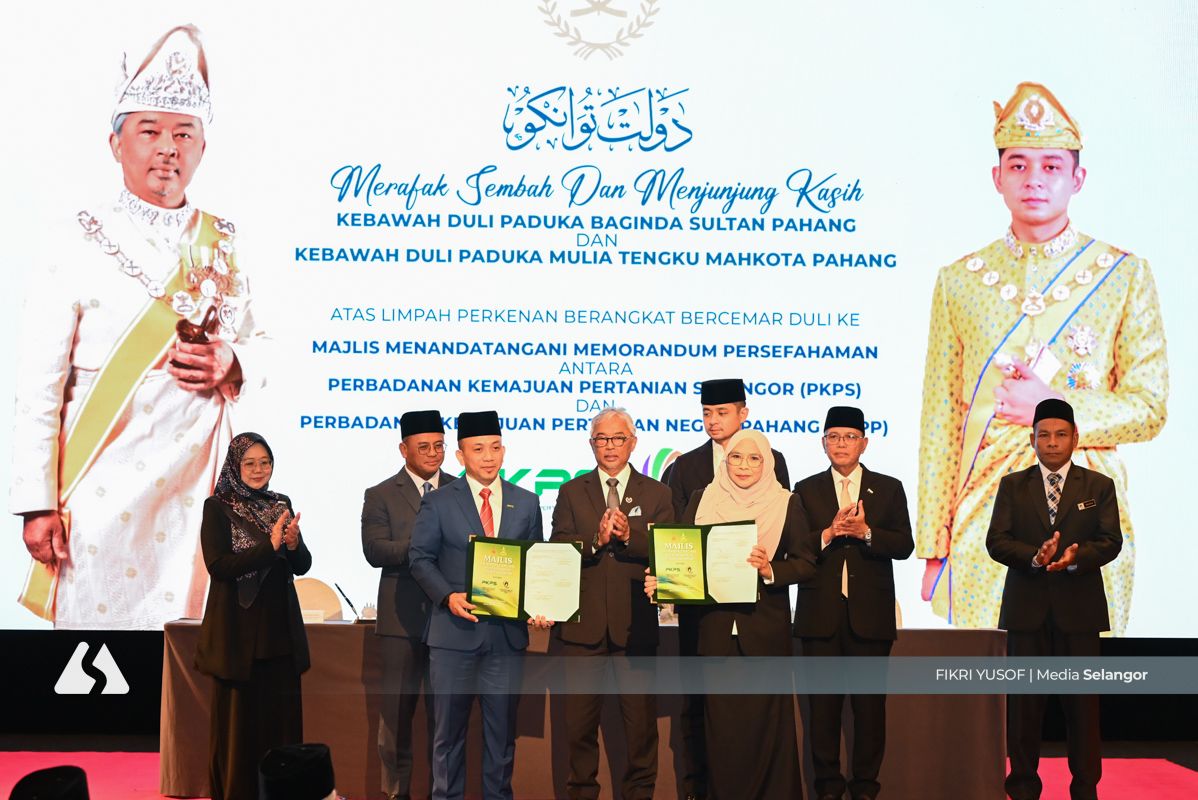

KUALA LUMPUR, Nov 3 — Selangor has signed a memorandum of understanding (MOU) with Pahang to reduce Malaysia’s dependence on imported grain corn by about 10 per cent.
Menteri Besar Dato’ Seri Amirudin Shari said the expansion would build on an initial target of about 400ha for grain corn cultivation, leveraging Pahang’s extensive land and Selangor’s agricultural expertise.
“Malaysia currently spends no less than RM6 billion annually on grain corn imports, making local production an important step towards reducing the country’s reliance on foreign supplies.
“If the (400ha) is successful and both parties are satisfied with the business model established between the Selangor Agricultural Development Corporation (PKPS) and Pahang Agricultural Development Corporation (PKPP), we can expand it further to 2,000 or 3,000 acres (809ha to 1,214ha),” he said at the MOU signing ceremony between PKPS and PKPP at Shangri-La Kuala Lumpur here today.
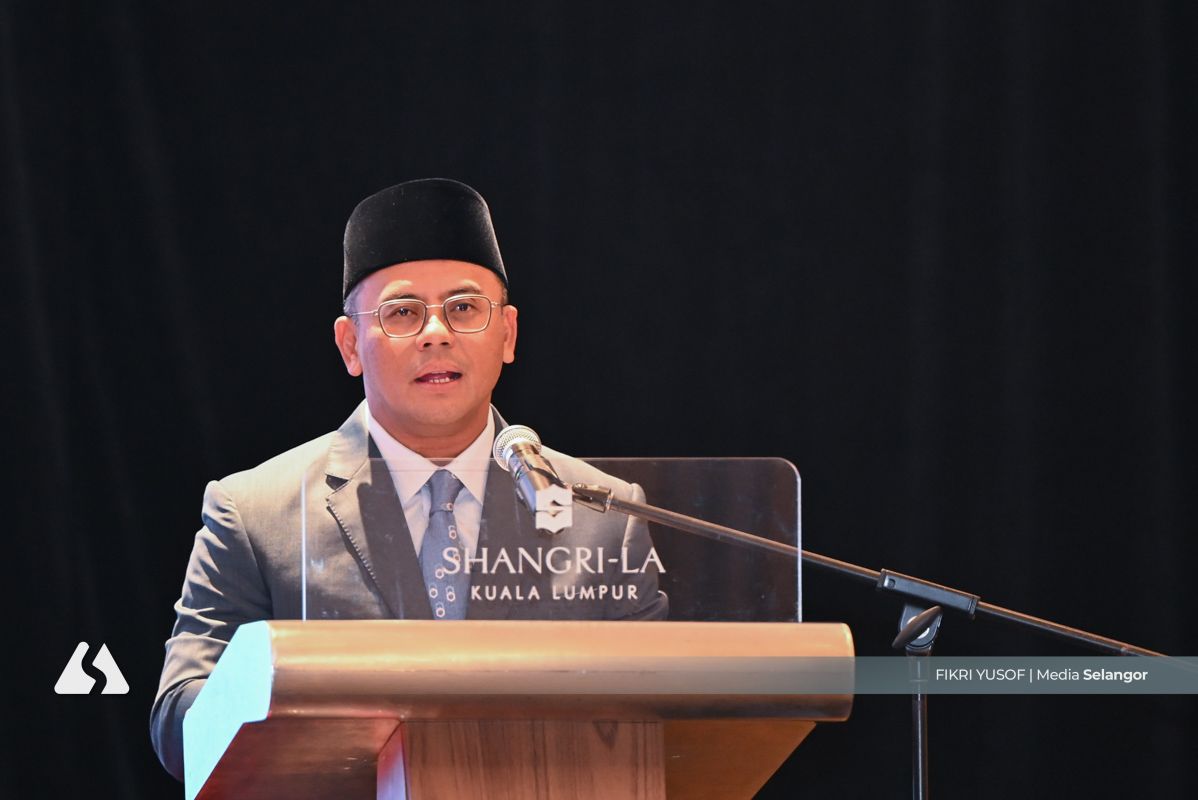
Amirudin added that the collaboration would initially cover four areas: modern padi farming, grain corn cultivation, the Shahzan Makmur Fertigation Community Agriculture Programme for the B40 group, and agrotourism development.
About 200ha would be allocated for community agriculture, with 60ha to be explored for agrotourism — 40ha for highland development and 20ha for lowland development.
He said grain corn cultivation and community agriculture could be the first ones implemented. Padi farming and agrotourism meanwhile would require further planning, especially in identifying suitable land and determining ownership and management arrangements.
“We do not want to wait too long. Within one year, we should already have grain corn cultivation in place because the seeds, technology and experience are already available. We only need to adapt and manage the execution,” he said.
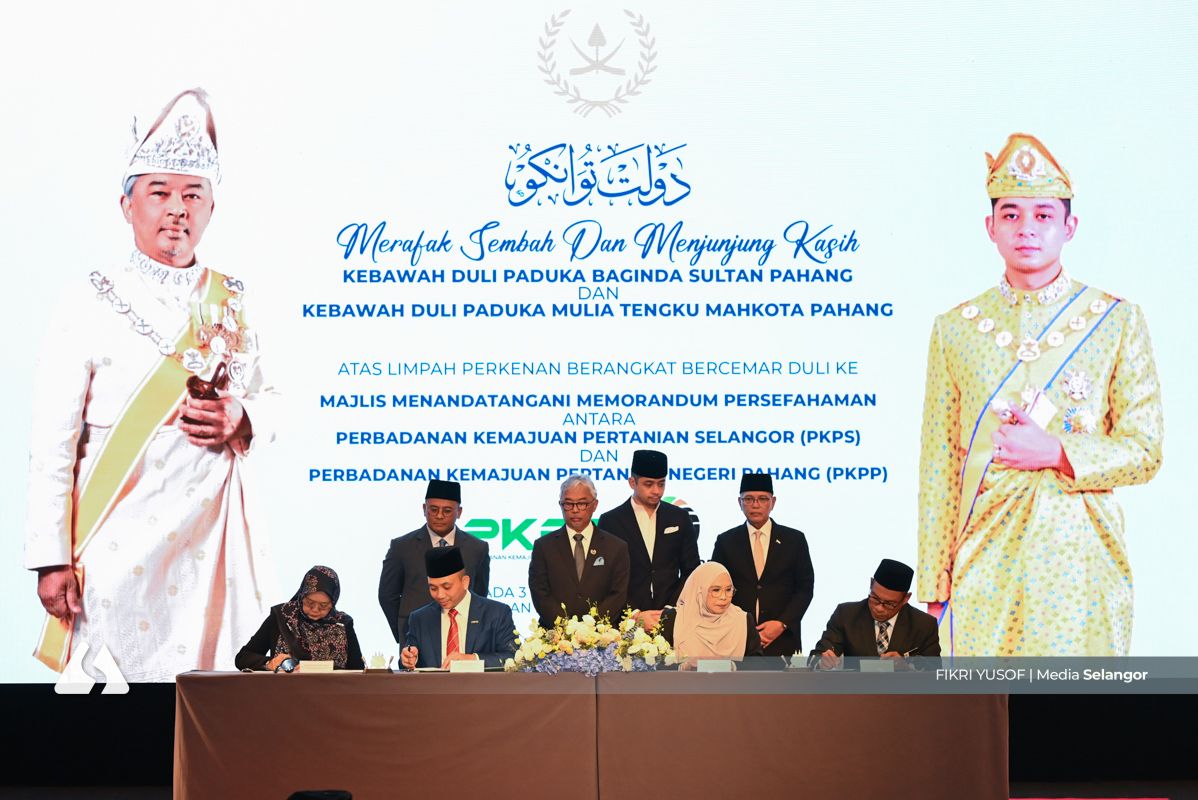
Amirudin said PKPS and PKPP are discussing the most suitable management structure, including whether to manage the projects through a committee or a special purpose vehicle.
He added that the collaboration could strengthen Malaysia’s food security by reducing livestock feed costs, as grain corn is a major component of animal feed.
“Increased local grain corn production would help lower the cost of producing poultry, beef, goat and dairy products, while community agriculture and expanded padi production would further improve the country’s food self-sufficiency,” Amirudin explained.