

SUNGAI BULOH, Nov 4 — Google plans to introduce two more water replenishment projects, in the Sungai Buloh and Sungai Selangor river basins, to improve the state’s water quality and resilience.
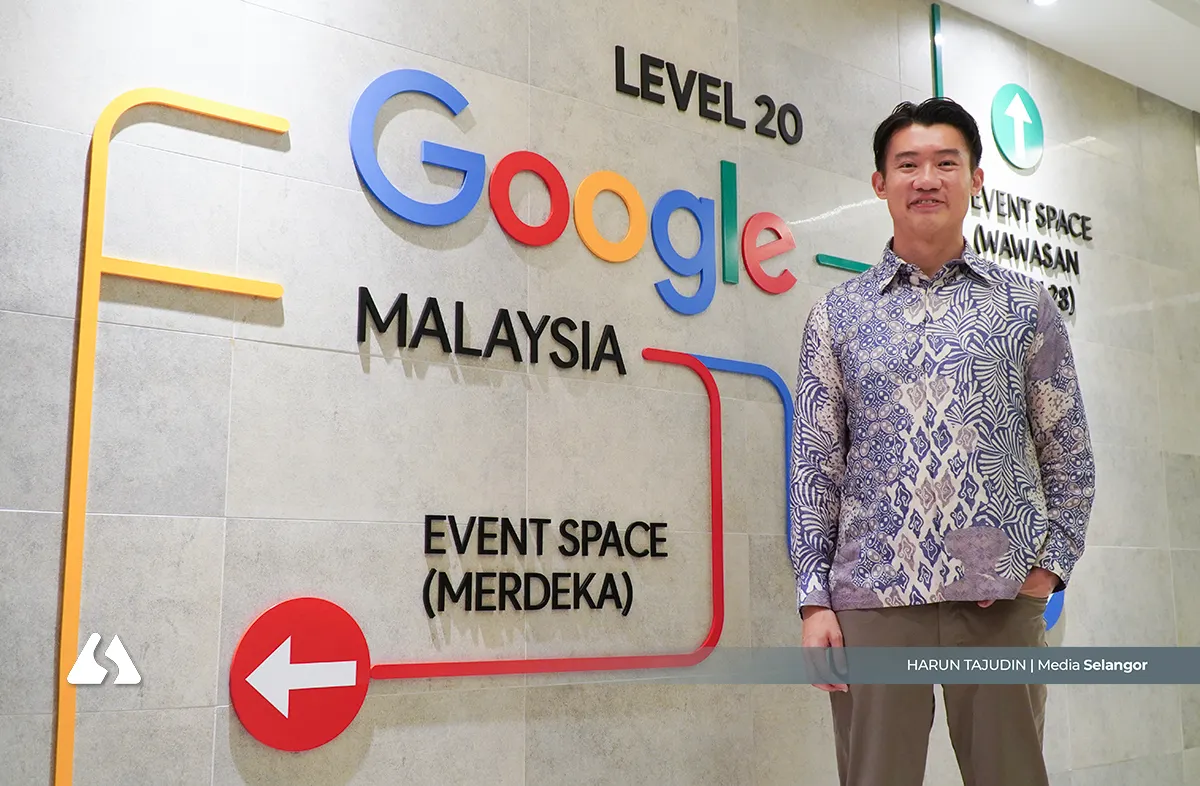
Google Asia Pacific Global Infrastructure principal Ken Siah said the projects will build on the company’s first water replenishment initiative at Tasik Taman Aman, which began in 2024 in collaboration with the Petaling Jaya City Council (MBPJ) and Global Environment Centre.
He said the lake’s water quality improved from Category D to C following efforts to address its algae problem, making it more conducive to aquatic life and recreational activities like fishing.
“The additional projects would focus on river basins that also face water quality challenges, including surface runoff, with the aim of improving water availability for communities and supporting biodiversity.
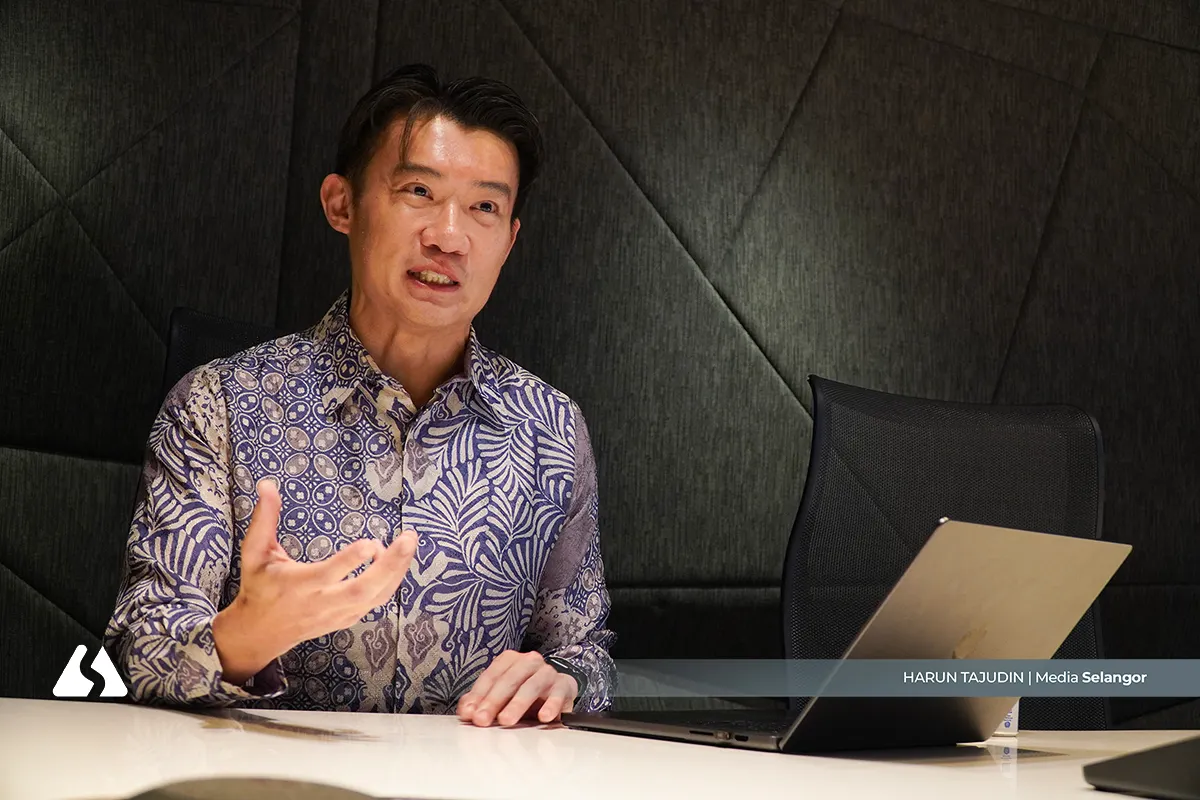
“Our ambition is to replenish more water than we consume,” Siah told Media Selangor during a press tour of Google’s campus in Elmina Business Park here on Monday.
Under the National Lake Water Quality Criteria and Standards developed by the National Water Research Institute of Malaysia (NAHRIM), Category C refers to lakes that preserve aquatic life and biodiversity, while Category D is for lakes managed for the minimum preservation of good aquatic life.
Siah said Google uses an internationally recognised volumetric water-accounting standard to measure the additional amount of potable water replenished into a watershed after its interventions, with the assessments audited by independent hydrologists.
“The company’s approach was to ensure its replenishment efforts contribute additional water to the surrounding environment,” he said.
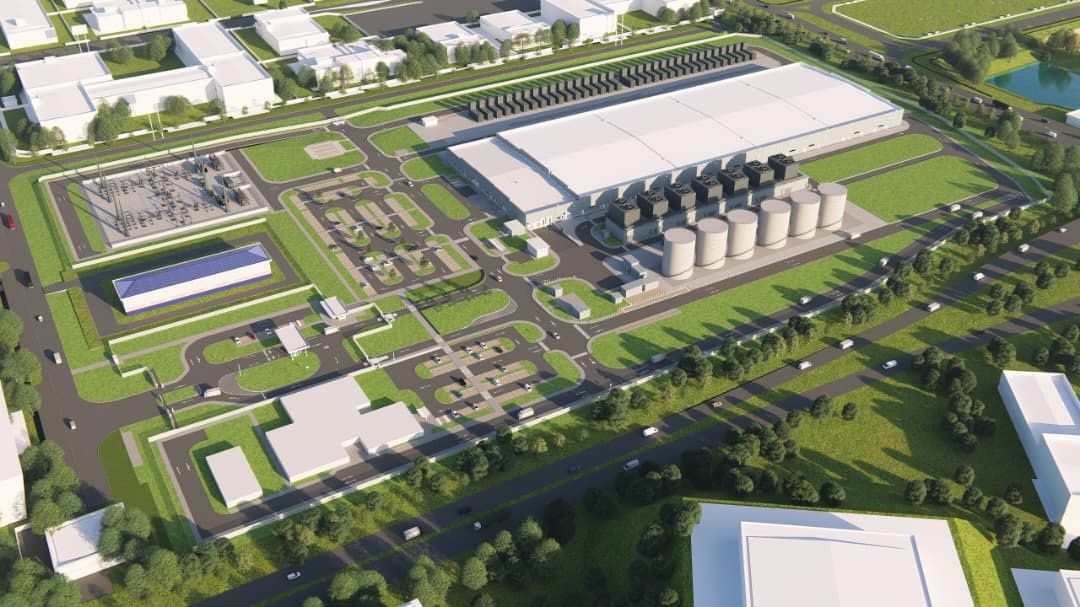
On its data-centre cooling systems, Siah explained that Google uses enclosed coils through which chilled water circulates to absorb heat from servers, with some water evaporating through cooling towers and returning to the natural water cycle.
He added that Google chose the water-cooling method for its Malaysian data centres after assessments found Selangor and Negeri Sembilan were not at risk of water scarcity.

Beyond water management, he highlighted that Google aims to bring more than 1GW of clean energy to Peninsular Malaysia’s electricity grid through renewable energy projects, including through a solar project in Kedah with a consortium comprising Shicheng Energy and Malaysian company Solarvest.
“Google also pays 100 per cent of its electricity bills without subsidies under its agreement with Tenaga Nasional Bhd at rates higher than those paid by average households, allowing the utility company to reinvest the revenue into upgrading the electricity grid.
“We want to be an additive grid partner,” he added.
On energy efficiency, he said Google reported a Power Usage Effectiveness (PUE) of between 1.12 and 1.14 in tropical environments like Malaysia, compared with the industry average of 1.54. A figure closer to 1.0 indicates better efficiency.
Siah said Google would publicly disclose quarterly PUE figures once its data centres are operational, alongside annual water consumption figures for each location.