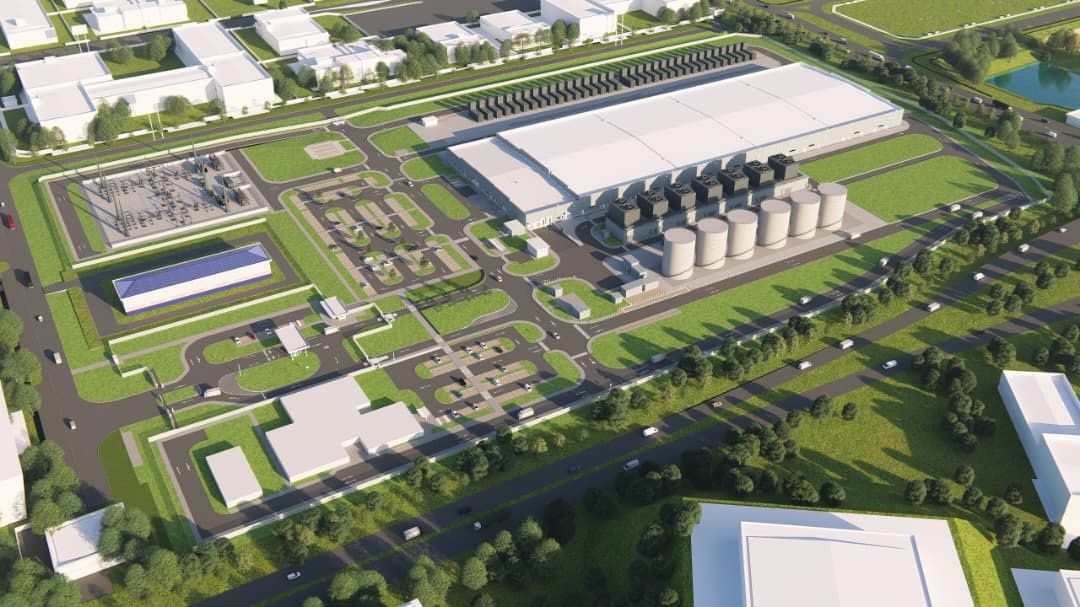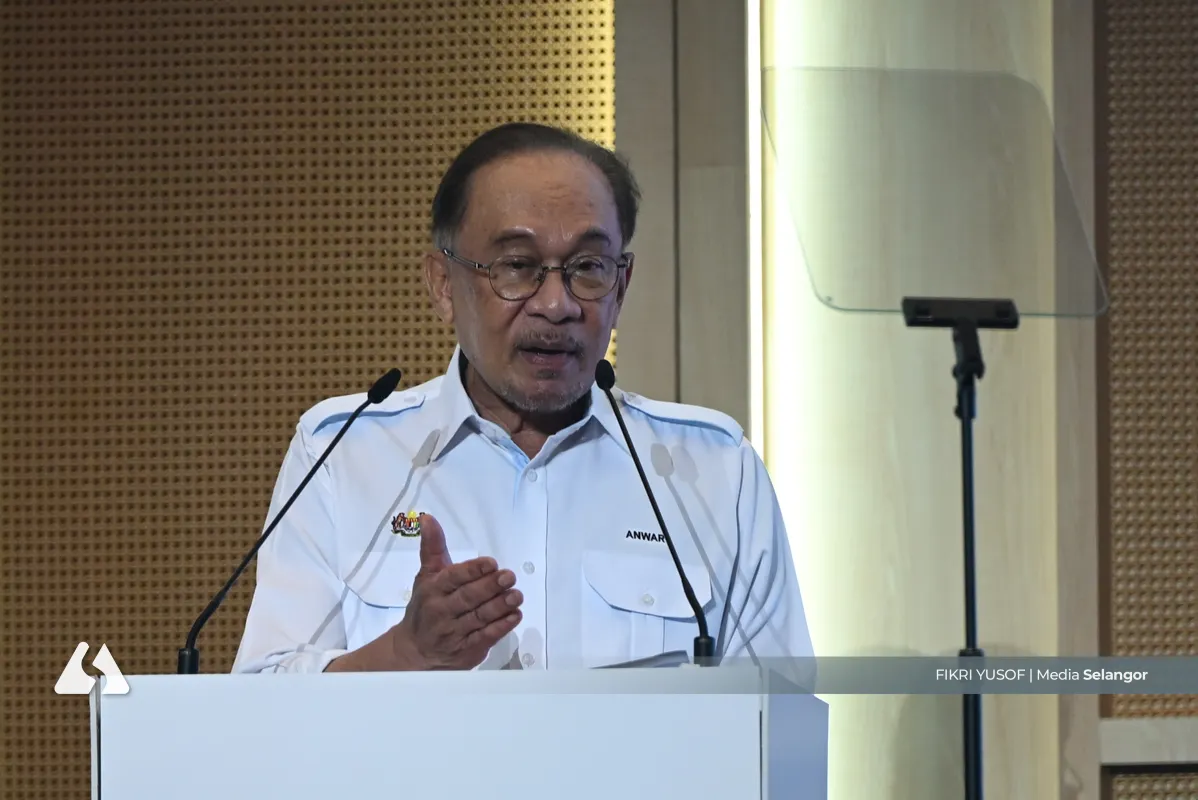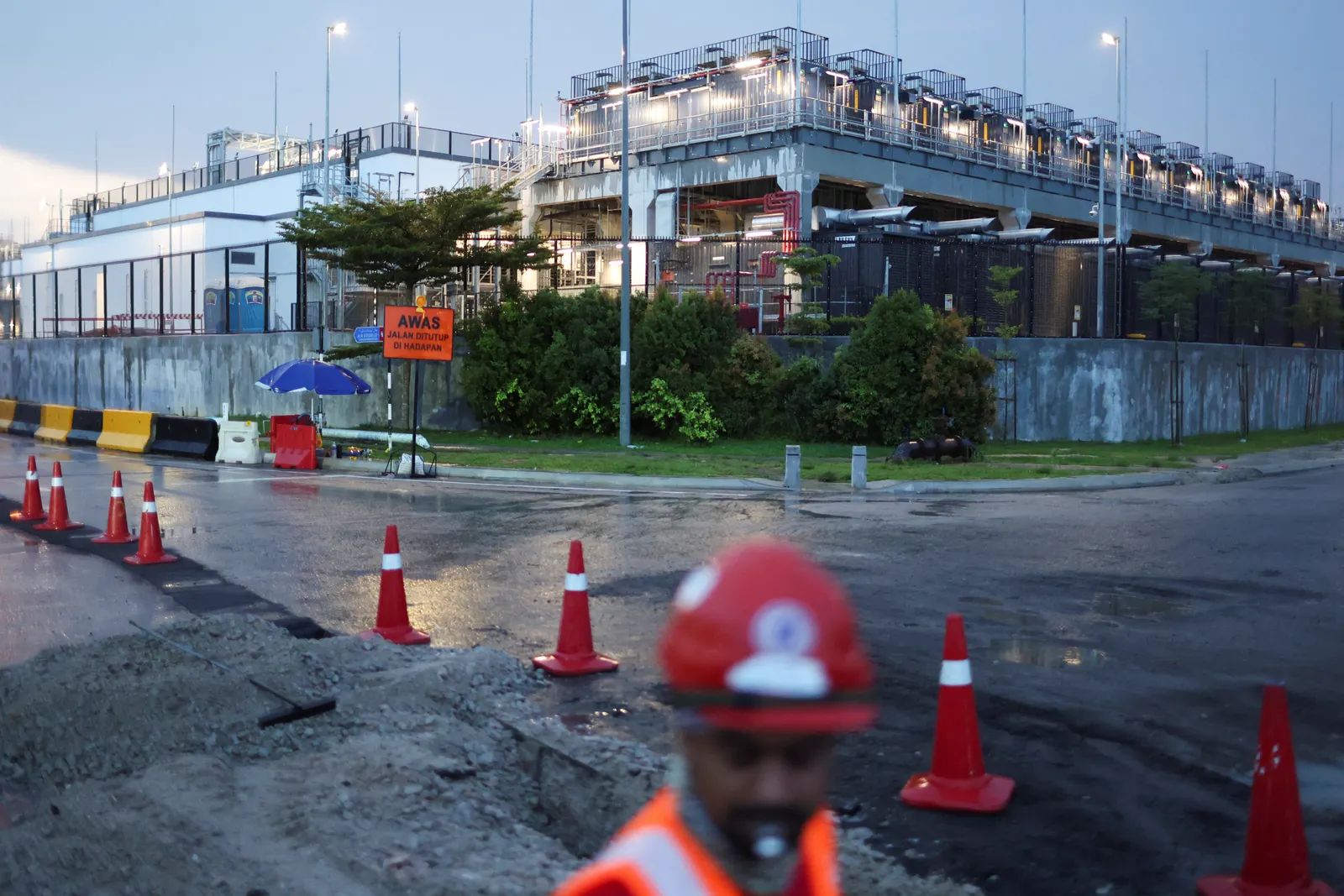


SUNGAI BULOH, Nov 4 — Google plans to develop two additional data centre campuses in Selangor as it expands its digital infrastructure to meet growing demand for cloud computing and artificial intelligence (AI) services.
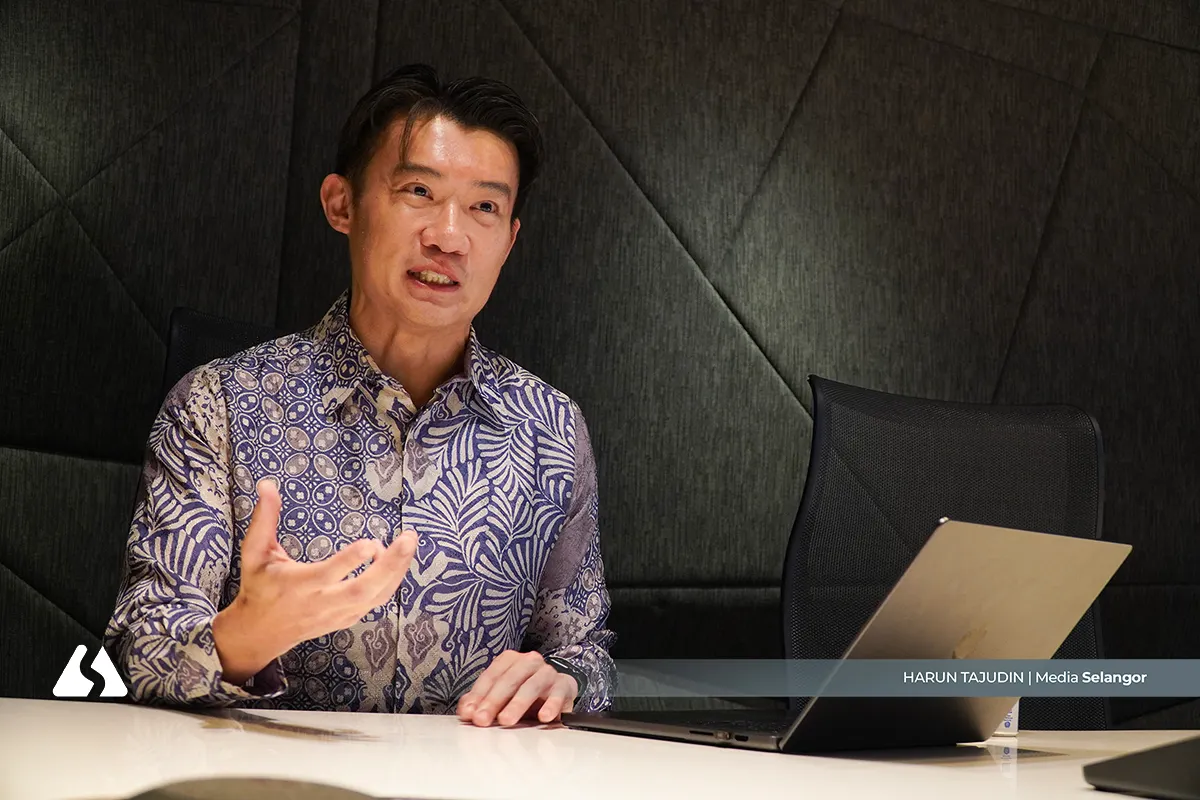
Google Asia Pacific Global Infrastructure principal Ken Siah said the two campuses are still being planned, with locations targeted at the Eco Business Park in Puncak Alam, Kuala Selangor, and the UMV High Value Manufacturing Park in Serendah, Hulu Selangor.
The proposed developments will complement its existing data centre at the Elmina Business Park in Sungai Buloh, with all three locations forming what Google described as a “strategic triangle” to ensure service continuity for Malaysian users and organisations.
He said the arrangement will allow services to be transferred to either of the other two campuses if one location experiences temporary disruption.
“When you think of all these campuses, and eventually when they all come online, what they do is they form a strategic triangle.
“It means that if for any reason one of these sites is temporarily out of service, we are able to move all the services to one of the other two sites to make sure that they continue to run for Malaysians and Malaysian organisations as well,” Siah told Media Selangor during a media site visit at Google’s campus in Elmina Business Park.
He added that Google's decision to invest in Malaysia was made around 2022 and 2023, before the current AI boom, following growing demand for its digital services, including Google Search, Maps, and Chrome, as well as the increasing adoption of machine learning among businesses and organisations.
The company announced its Malaysian data centre plans in May 2024 before commencing construction in October that year, after assessing several potential locations, including Johor and Cyberjaya.
Siah said that Selangor was selected as it offered a relatively greenfield environment with fewer existing data centre developments at the time, while allowing Google to consider the impact of its operations on the local electricity grid.
“When we do a lot of these pre-assessments, what we call our site selection process, we always look at the impact we would have if we plug a data centre into the local grid.
"Establishing data centre infrastructure within Malaysia was important to meet data residency requirements, particularly for regulated industries such as banking and the public sector, where certain data must remain within the country's geographical borders," he said.
Local infrastructure will also provide ultra-low latency for emerging technologies, including smart factories, intelligent traffic systems, and robotics, while allowing locally developed AI applications to expand from small pilot projects to serve millions of users.
On Google’s choice of Elmina Business Park for its first location, Siah noted that the location's dedicated industrial zoning, distance from residential areas, and existing sustainable infrastructure, including solar panels and rainwater harvesting facilities, aligns with the company's operational requirements.
The tech giant’s investment will also create opportunities for Malaysian suppliers and service providers, including those involved in construction, logistics, security, waste management, and other long-term operational services.
“We are not building in Malaysia because we cannot build in other countries. We are building because we are seeing huge demand in Malaysia and in the Asia-Pacific,” he said.