PHNOM PENH, April 18 — Southeast Asian economies are accelerating their renewable power plans as the region’s fossil fuel-based energy security faces mounting challenges amid the global energy crisis.
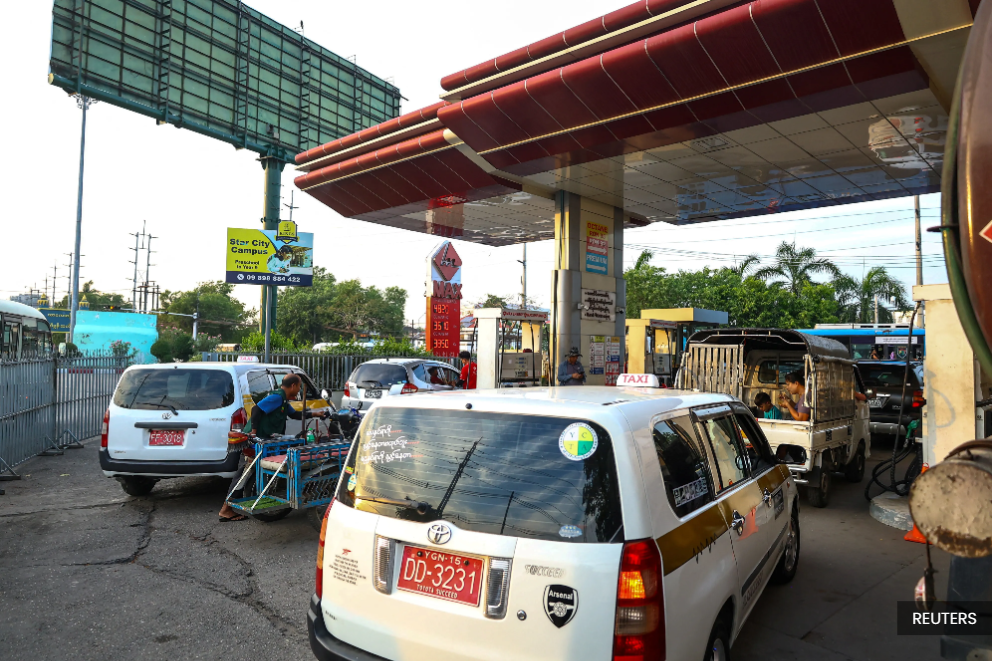
Strong signals are emerging that regional energy policies are now pivoting towards green energy as oil and gas supply chains are stifled by the ongoing military turmoil in West Asia.
Yesterday, the International Energy Agency's executive director Fatih Birol described the ongoing fuel crisis as the “largest energy security threat in history’.
“But no new tankers were loaded in March. There were no new deliveries of oil, gas, or fuels to Asian markets.
“This gap is now becoming apparent. If the Strait of Hormuz is not reopened, we must prepare for significantly higher energy prices,” he said, as reported by international media.
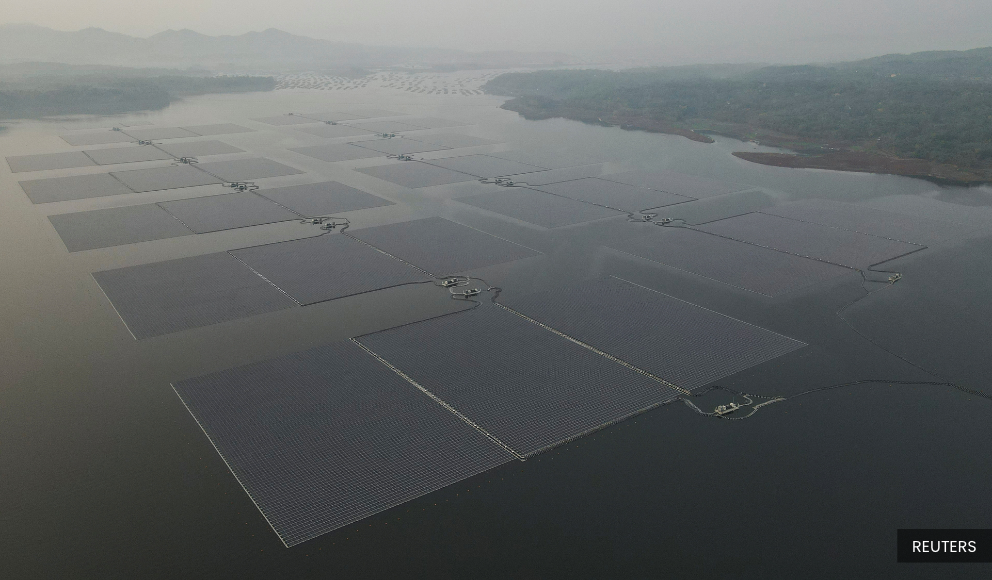
Governments across the region, including the Philippines, Cambodia, Laos and Vietnam — all highly dependent on imported fuel — are ramping up investments in renewable energy infrastructure.
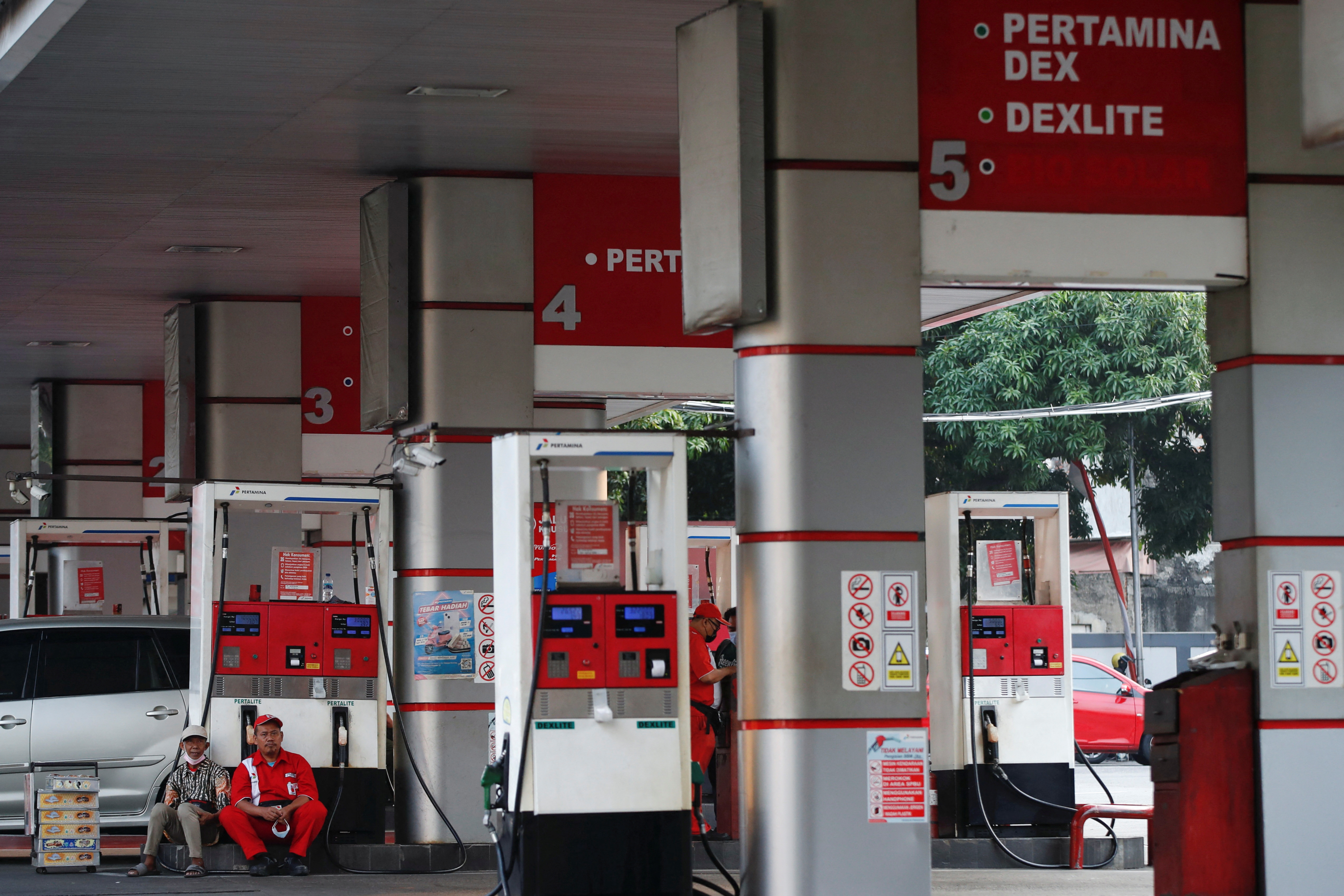
The Philippine News Agency reported yesterday that the country's Energy Department, which imports most of its fuel from West Asia, is speeding up 22 renewable energy projects, including fuel storage facilities.
They include 12 solar projects, six hydroelectric plants, two biomass facilities, one wind project, and an integrated renewable energy system.
In early April, Cambodia launched its US$1 billion (RM3.95 billion) pumped-storage hydropower dam with 1,000-megawatt capacity in Koh Kong province.
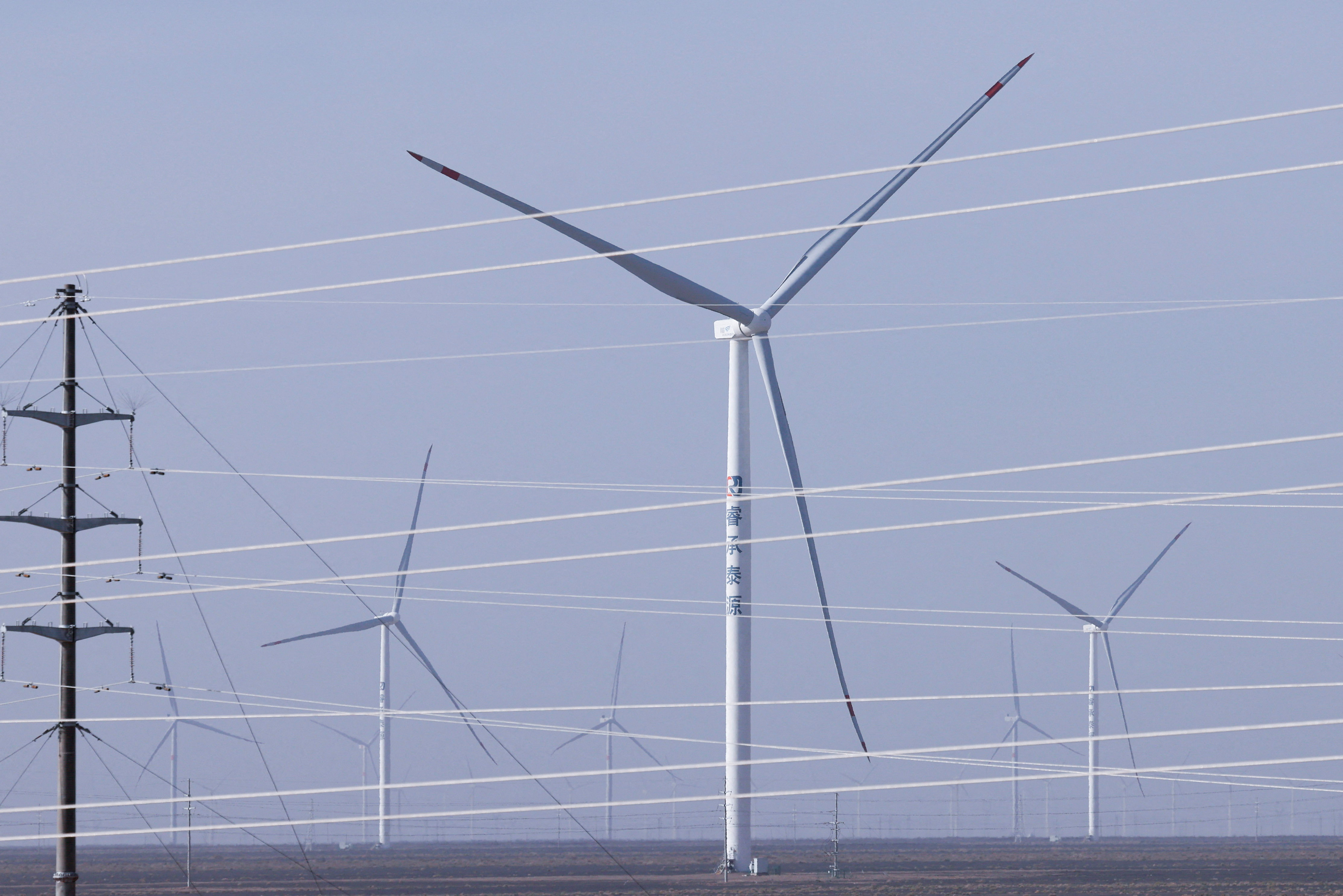
To boost its green energy agenda, the Council for the Development of Cambodia approved a US$200 million (RM791 million) investment in February to build a 150-megawatt wind power plant in its northern Mondulkiri province.
At least 60 per cent of the Kingdom’s power generation currently comes from renewable sources, primarily hydropower, solar, wind, and biomass. The government aims to raise the share of clean energy to 70 per cent by 2030.
Meanwhile, Vietnam’s central province of Gia Lai approved investments worth US$190 million (RM751 million) yesterday for three solar power plants and one wind farm.
The projects are slated to supply renewable energy to the national grid by the end of 2028.
In Myanmar, state media The Global New Light of Myanmar reported that the Shwe Myoh Solar Power Plant, located in Naypyidaw, is expected to generate electricity in June this year.
Kuala Lumpur-based Global Asia Consulting’s International Relations Analyst, Zokhri Idris, told Bernama that governments should have adopted the renewable energy agenda a few years ago, before the crisis hit.
ASEAN has established several frameworks to strengthen energy security, including the ASEAN Petroleum Security Agreement 1986 (APSA), the ASEAN Power Grid (APG), and the Trans-ASEAN Gas Pipeline (TAGP).
“But countries, especially developing and least developing are struggling in meeting the targets as they are dealing with other more pressing issues.
“The Philippines will accelerate the formalisation of APSA this year as the country is hit badly, and an energy emergency has been declared. In the medium term, I predict ASEAN countries will take APSA, APG and TAGP more seriously,” he told Bernama.