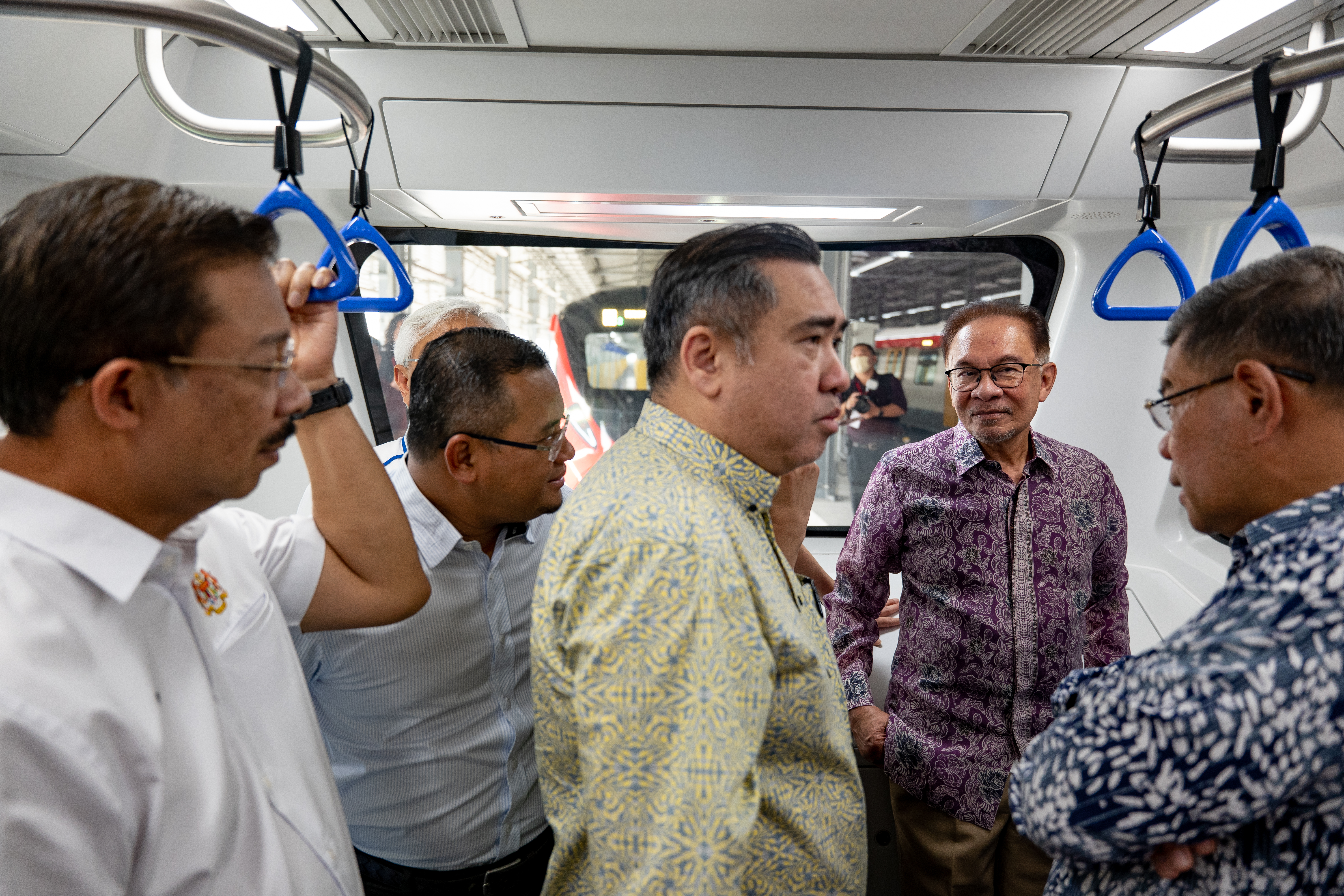
KUALA LUMPUR, Oct 21 — The procurement and evaluation for an open payment system for rail and bus services operated by Prasarana Malaysia Bhd is set to be finalised by year end, said Transport Minister Anthony Loke.
He said final stages of technical and commercial evaluations are underway before the contract is awarded.
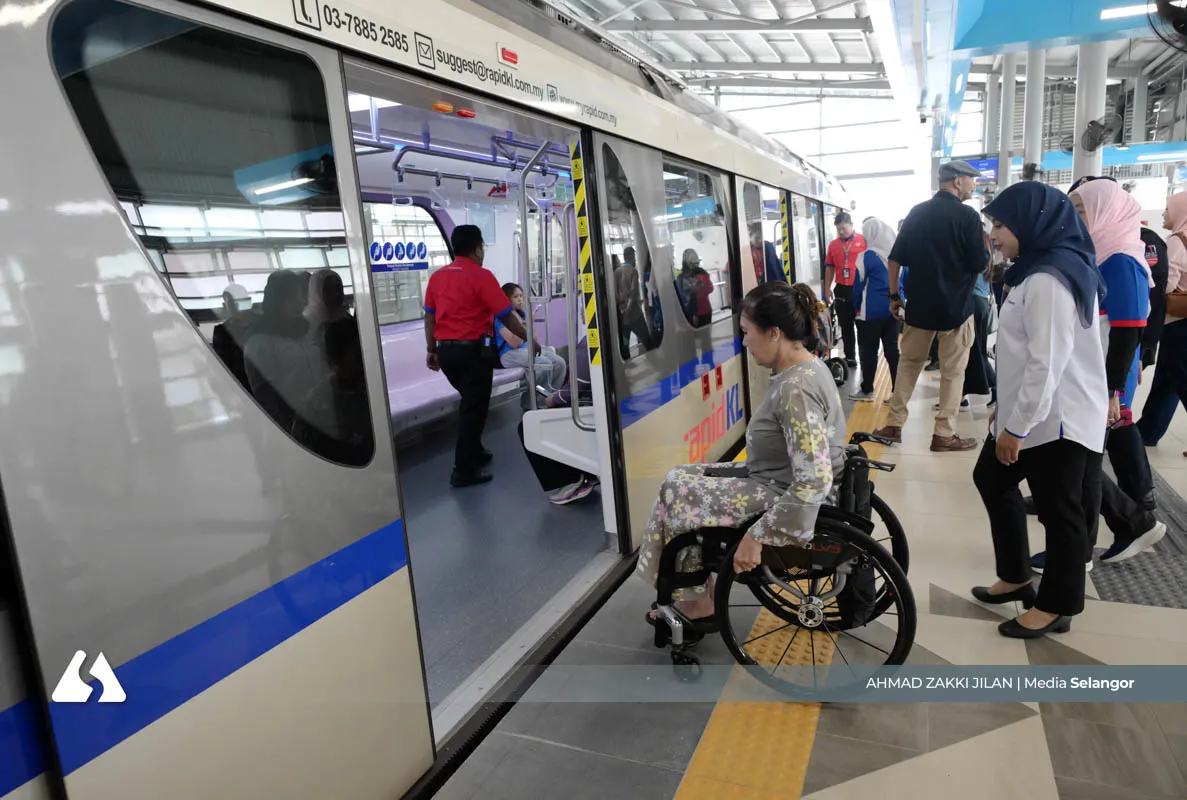
He added that the system, which would allow commuters to use various payment methods, including bank cards and digital wallets, would be activated in phases across the Rapid KL rail network and Rapid Bus stage bus services in the Klang Valley and Penang.
“For Rapid KL rail services, 30 per cent of passenger access and fare collection equipment at each station is expected to support open payments within the first 12 months after the project commencement date, while full execution across the entire rail network is targeted for completion within 30 months.
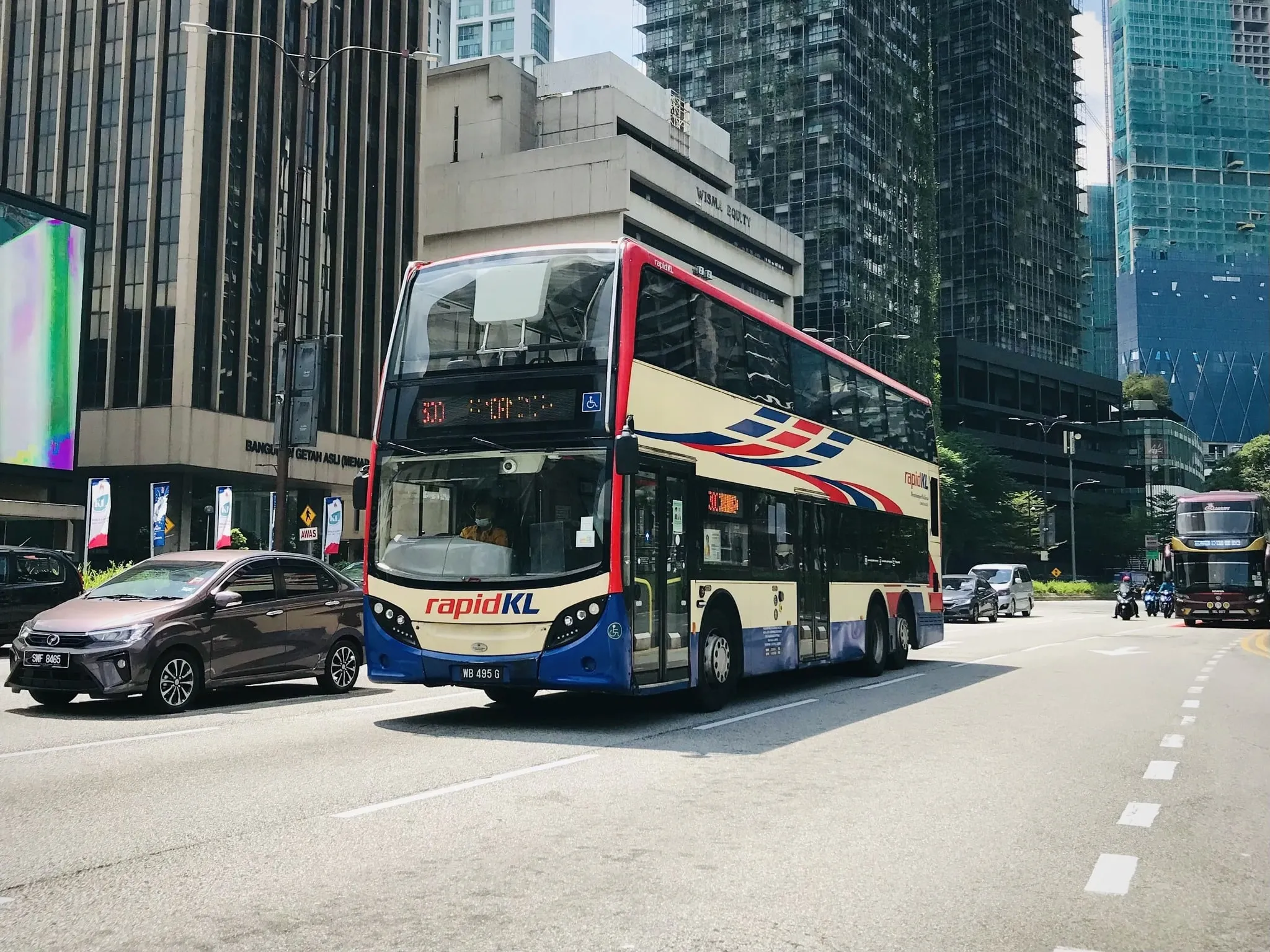
“For Rapid Bus services in the Klang Valley, the open payment system is expected to be implemented within 15 months after the project commencement date,” he said during a question-and-answer session in the Dewan Rakyat today.
He was responding to a question from Zahir Hassan (Harapan-Wangsa Maju) about the implementation timeframe for the open payment system across all public transport services in the Klang Valley.
In reply to Zahir’s supplementary question on reasons for delays, Loke said the procurement process was handled entirely by Prasarana, without the ministry’s involvement.
“The delay was because the first tender was not awarded, necessitating a retender, which took time. There may have been internal issues, but the Transport Ministry was not involved in or interfering with Prasarana’s tender process.
“Prasarana has the autonomy to manage its tender and procurement processes, and the project is also fully funded by Prasarana,” he said.
Loke added that the open payment system to be supported by Prasarana would accept MyDebit cards, international credit and debit cards, and contactless payments via NFC-enabled devices, digital wallets and approved e-wallet platforms, QR codes, Touch ‘n Go cards and other payment methods in the future.