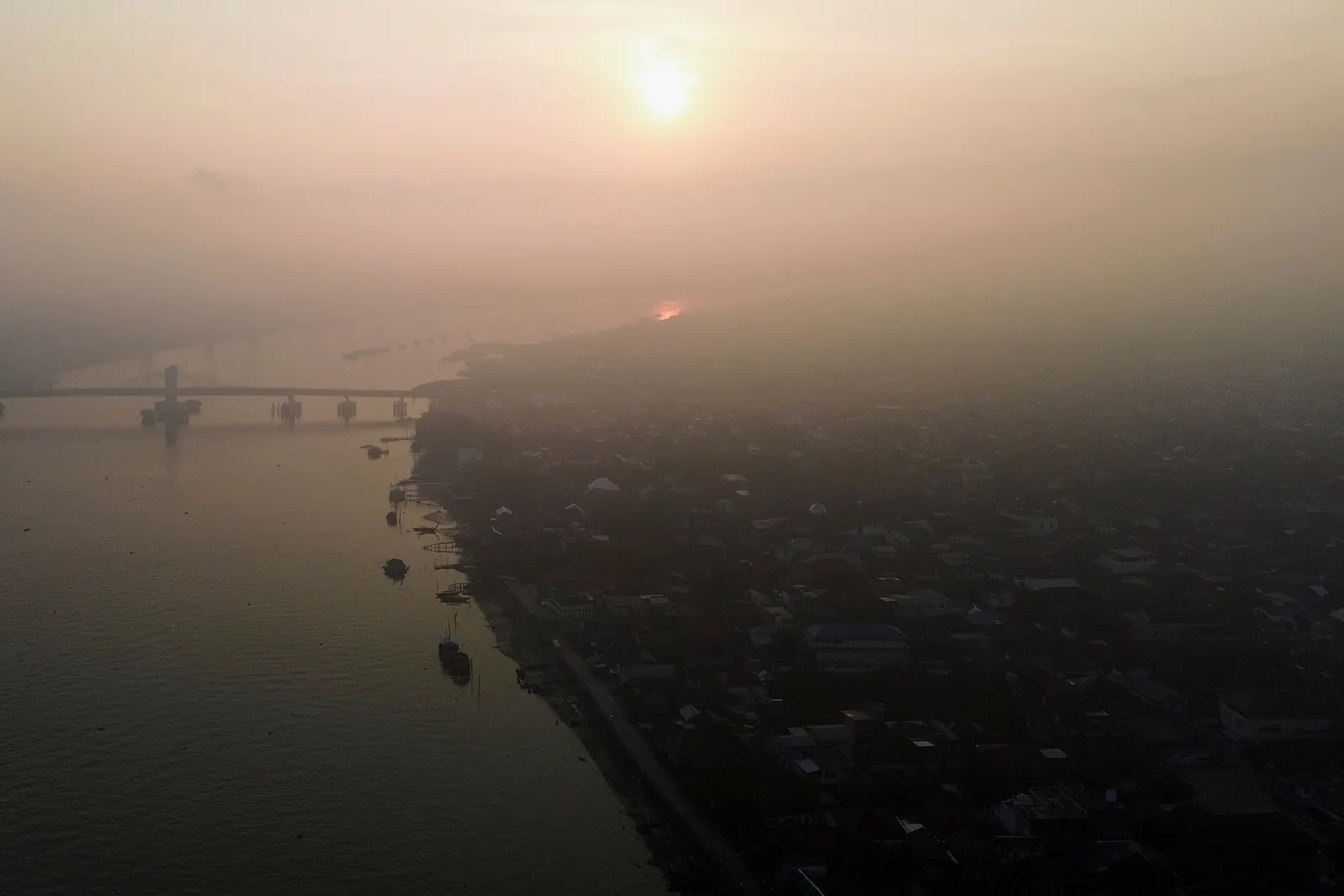
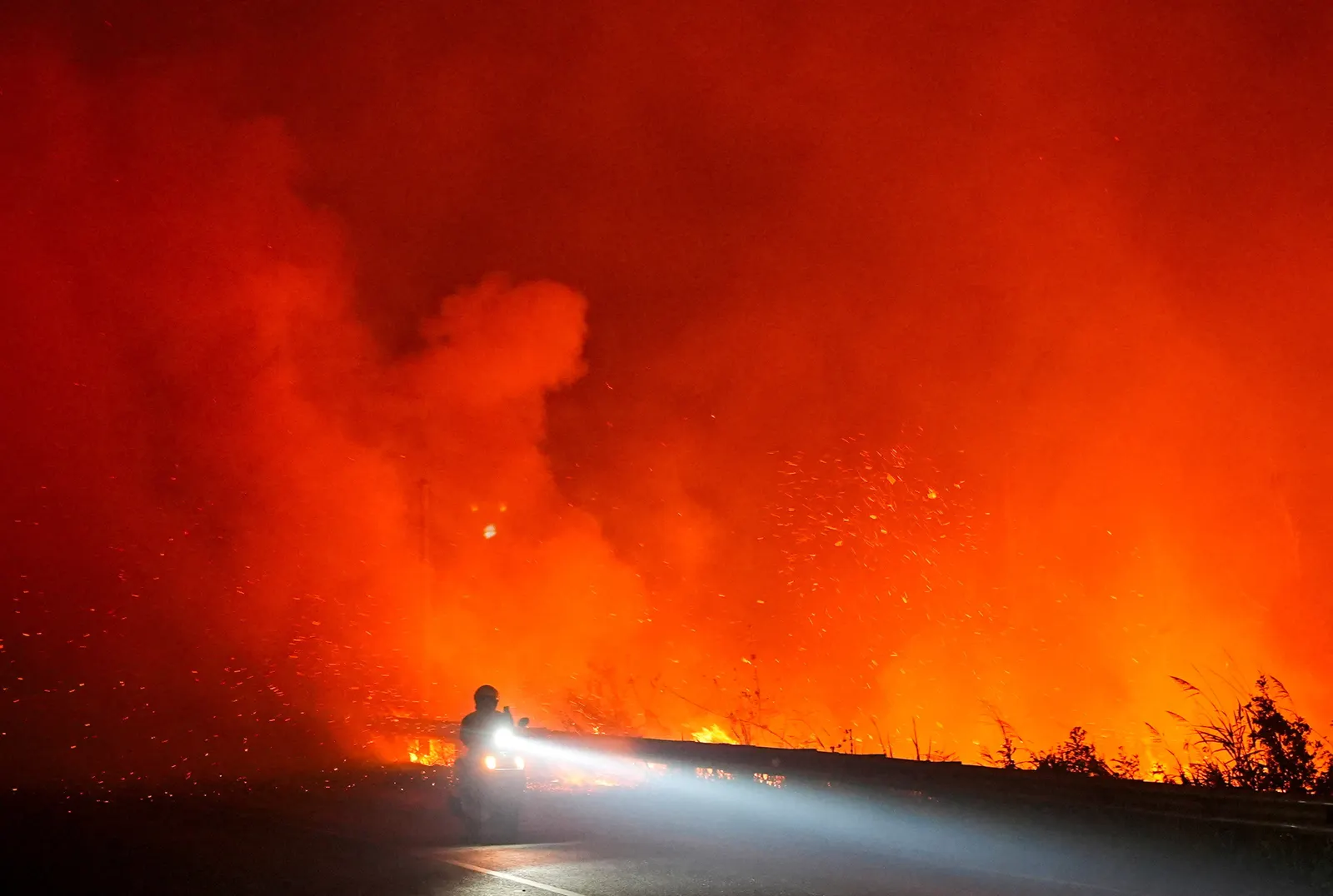
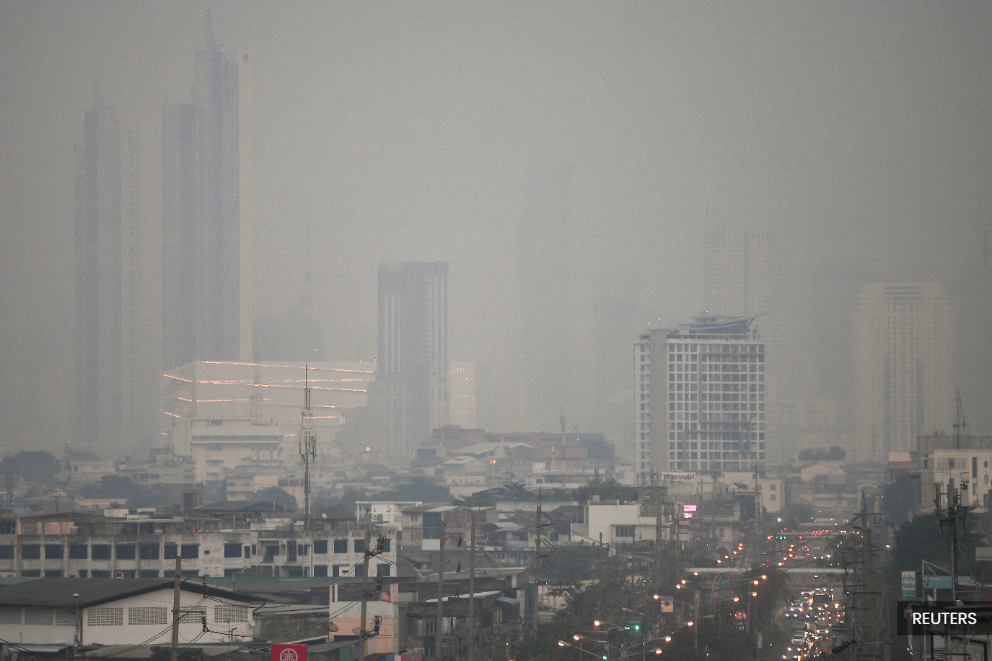
SHAH ALAM, Oct 18 — Malaysia and several neighboring countries are once again facing transboundary air pollution, a situation persisting since August, nearly 30 years after the 1997-1998 haze disaster prompted ASEAN to establish a regional cooperation framework.
This raises questions regarding the effectiveness of existing agreements and the enforcement of regulations against those responsible.
The latest crisis has not only impacted public health, education, and the economy, but has also ignited diplomatic tensions, following Indonesia’s response to the transboundary environmental issue.
Tensions were further worsened when its Government Communications Agency head Syahganda Nainggolan remarked that his country’s forests provide oxygen to Malaysia and Singapore in addition to sending haze their way.
Meanwhile, Singapore has issued preventive notices to seven companies linked to fires in Indonesia, reigniting the debate over the efficacy of cross-border legal action.
The question remains: why does the haze continue to recur, even though ASEAN has had a cooperation framework in place since the 1990s?
Haze is not a new problem
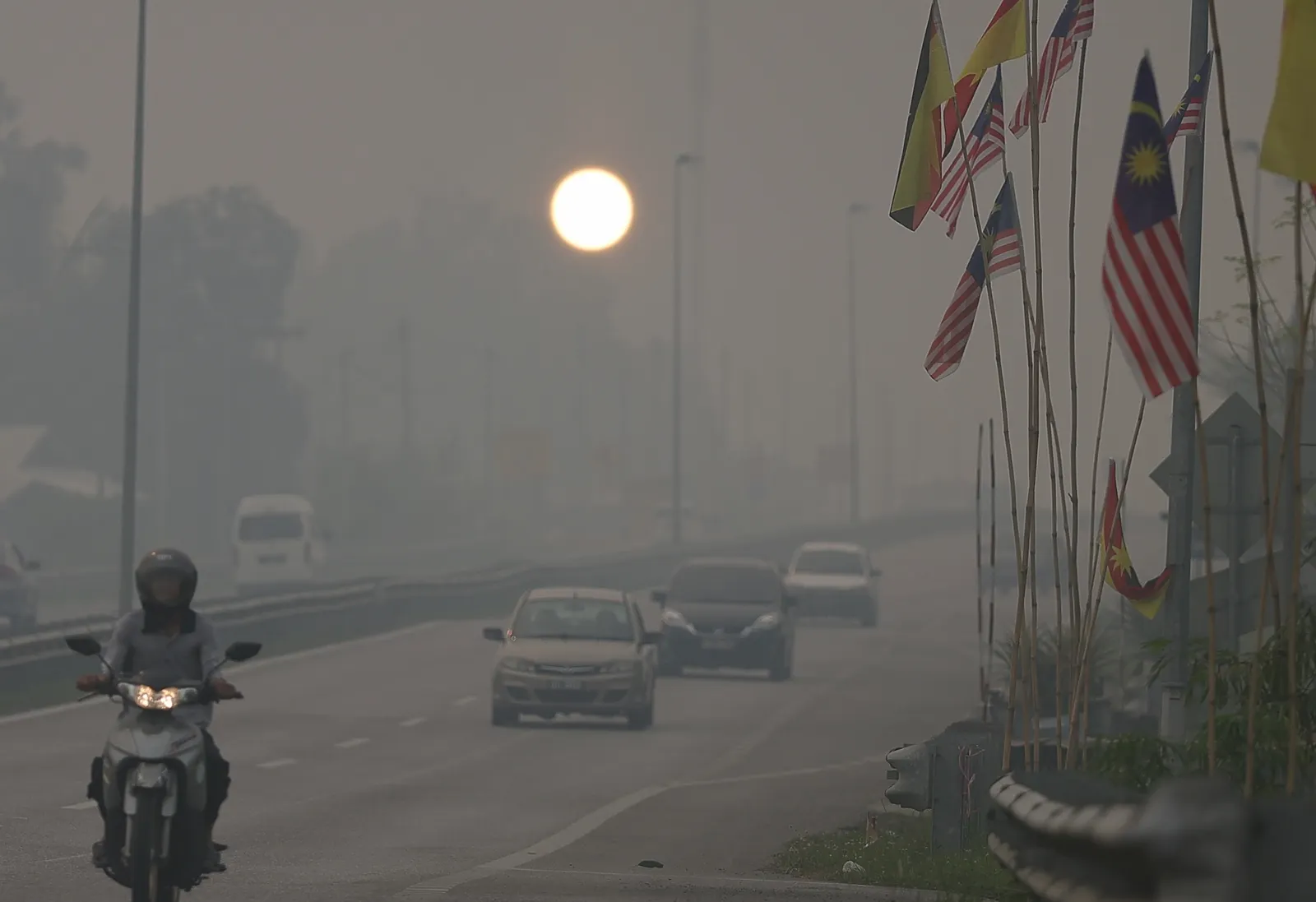
Malaysia has experienced several episodes of haze linked to forest fires in Indonesia since the early 1980s. However, the 1997-1998 crisis served as a turning point, when massive fires caused severe air pollution across Southeast Asia.
In September 1997, a state of emergency due to the haze was declared in Sarawak, even as the region grappled with the Asian Financial Crisis.
This incident prompted ASEAN to introduce a Regional Haze Action Plan in 1998, followed by the signing of the ASEAN Agreement on Transboundary Haze Pollution (AATHP) in 2002.
However, the episodes that occurred in 2005, 2013, 2015, 2019, and 2026 demonstrate that regional cooperation has yet to guarantee effective fire prevention.
Haze can also stem from industrial emissions, vehicle exhaust, and local open burning. Nevertheless, in the case of transboundary episodes, smoke from forest and peatland fires in Indonesia stands out as a primary cause that requires a collective response.
Key chronology of transboundary haze
1983: Early episodes
Forest fires in Kalimantan during a dry spell, linked to the El Nino phenomenon, have caused haze across the region, indicating that the threat of transboundary smoke existed even before the major crises of the 1990s.
1991 and 1994: Recurrent haze
Fires in Indonesia were once again linked to haze in Malaysia. In September 1994, the haze persisted for over a month, exacerbated by dry weather and local pollution.
1997-1998: A crisis that spurred ASEAN cooperation
Massive fires during an exceptionally severe drought blanketed parts of Southeast Asia. A haze emergency was declared in Sarawak on September 19, 1997, after Air Pollutant Index (API) readings in several areas exceeded dangerous levels.
Malaysia also assisted in firefighting operations in Sumatra and Kalimantan. In 1998, ASEAN introduced a regional action plan to strengthen monitoring and early warning systems.
2002-2003: ASEAN Agreement enters into force
All 10 ASEAN member states signed the AATHP on June 10, 2002. The agreement entered into force on November 25, 2003, covering prevention, monitoring, information sharing, and emergency assistance.
However, it does not grant the regional body the automatic authority to penalize parties responsible for causing fires within a member country.
2005: State of emergency in Peninsular Malaysia
On August 11, 2005, a haze-related state of emergency was declared in Port Klang and Kuala Selangor after the API reading exceeded 500. The state of emergency was lifted two days later as air quality improved.
2013: Diplomatic tensions
Haze resulting from fires in Sumatra affected Malaysia and Singapore, intensifying calls for Indonesia to strengthen fire prevention measures and take action against those responsible.
2014-2015: Indonesia ratifies the agreement, crisis recurs
Indonesia ratified the AATHP in 2014 and submitted its instrument of ratification in January 2015. Nevertheless, major fires that same year impacted public health and led to school closures in several countries, including Malaysia.
2019: Schools close once again
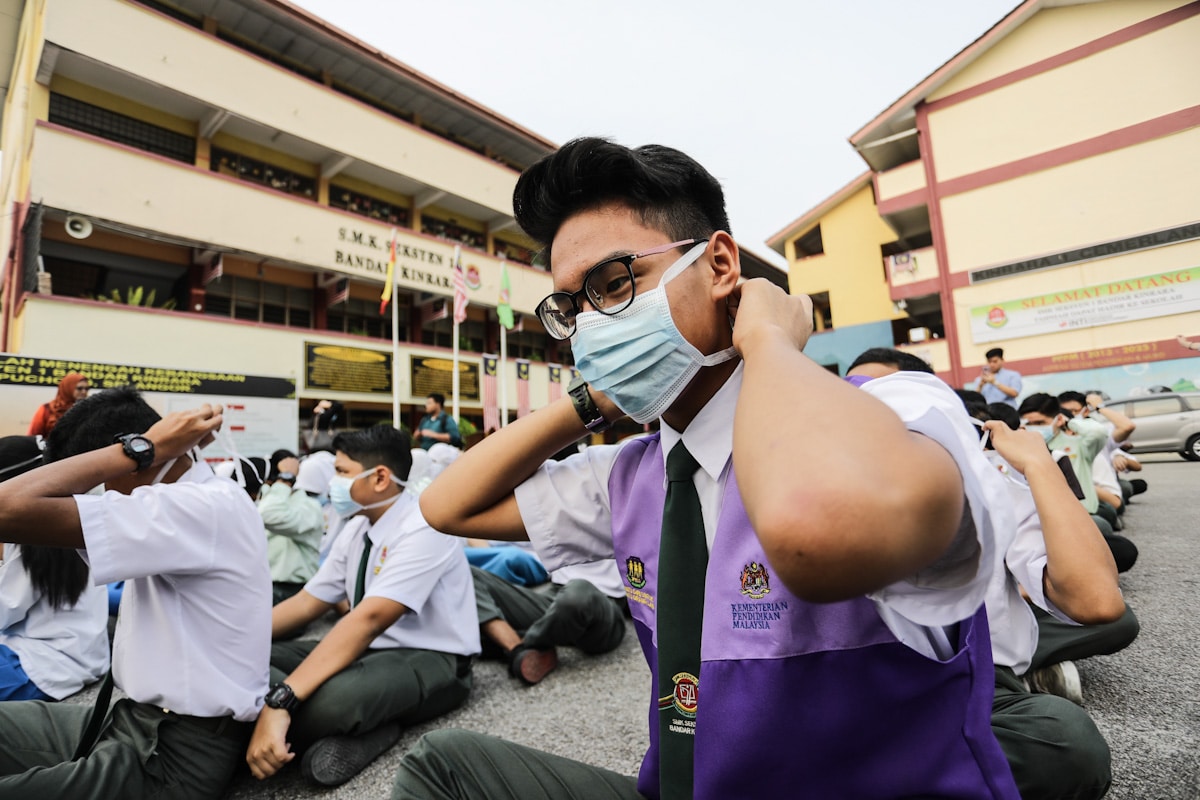
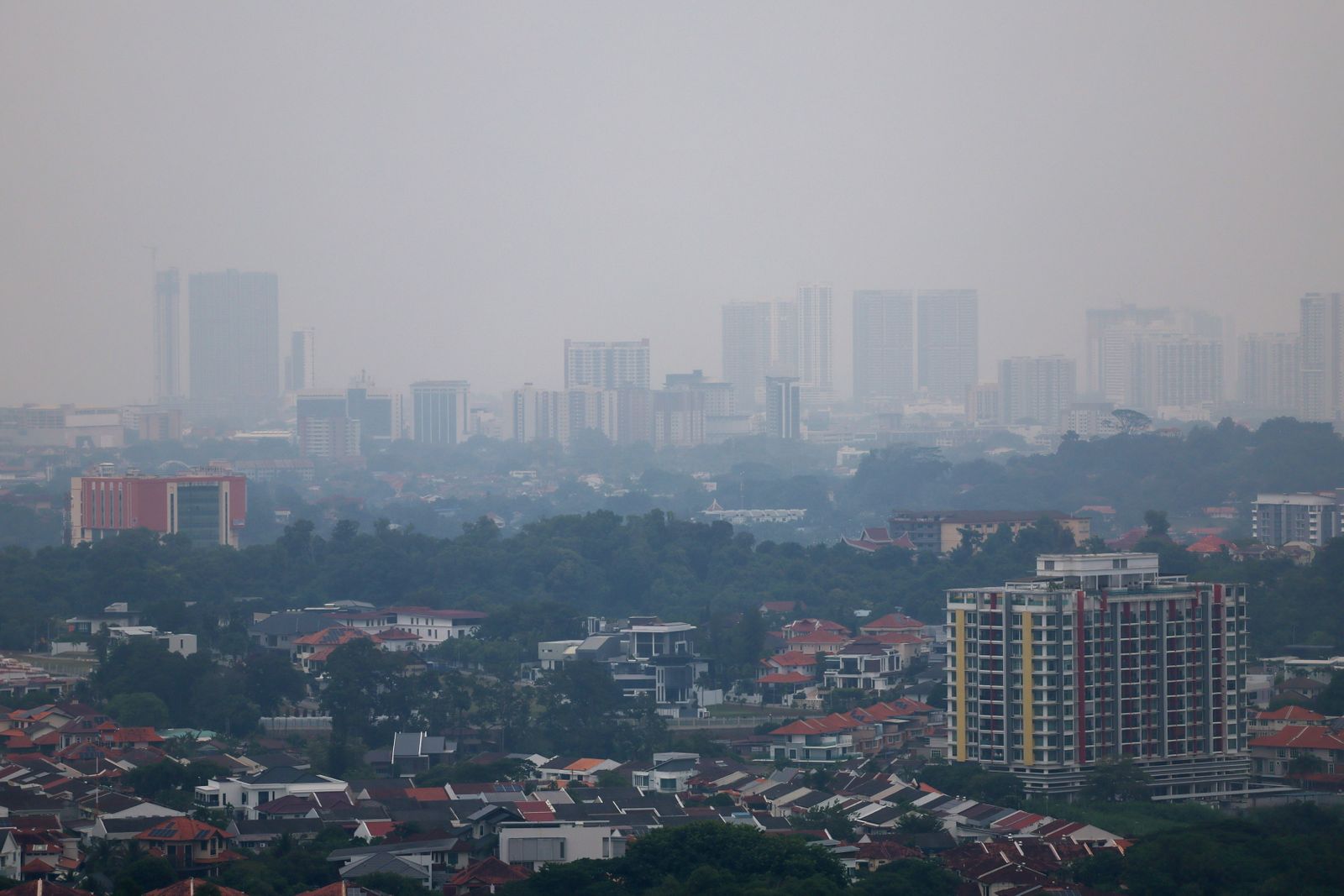
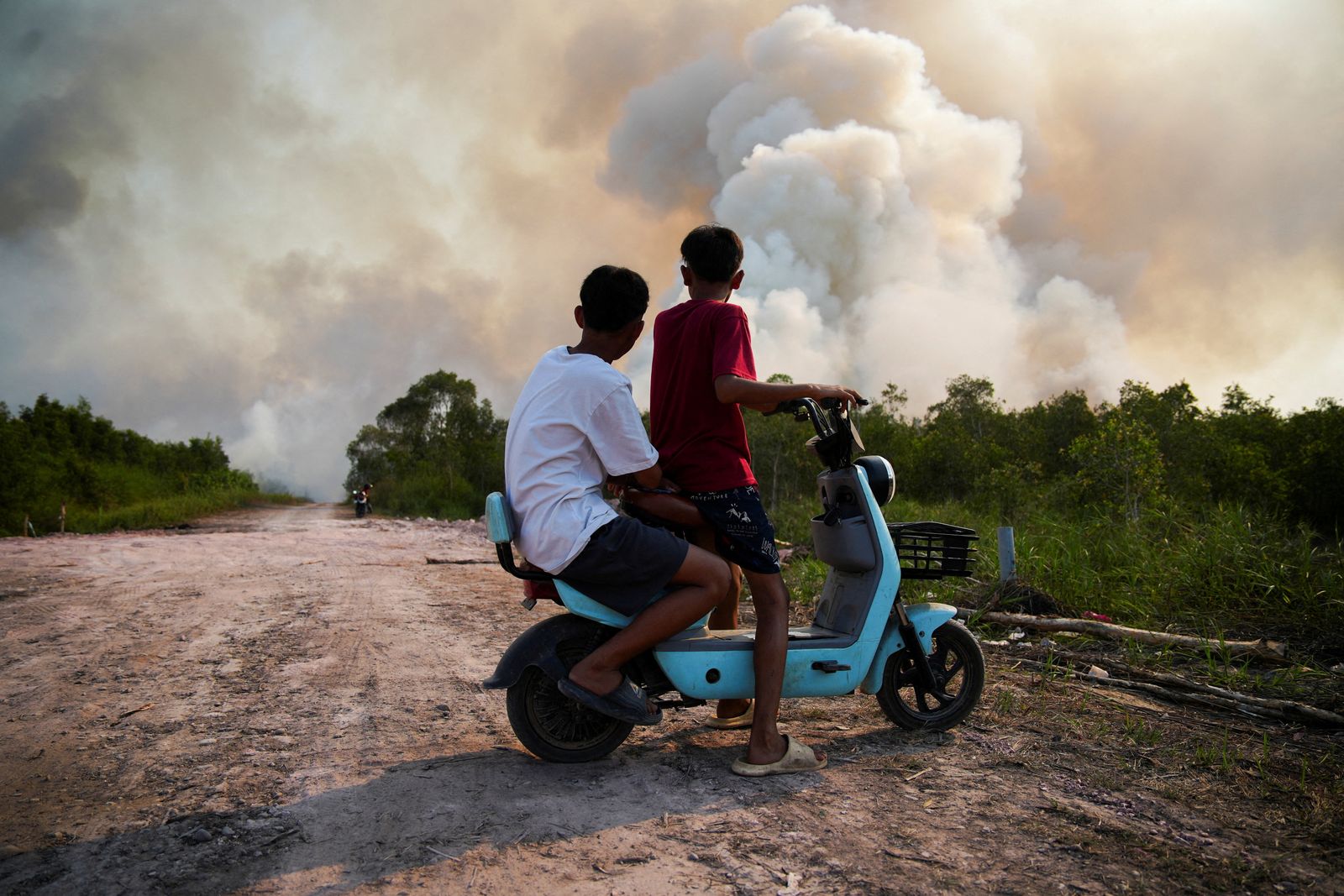
Fires in Sumatra and Kalimantan caused transboundary haze. In September, 2,649 schools across Selangor, Putrajaya, Kuala Lumpur, Penang, and Sarawak were reported to have closed.
2023: Heightened risk during El Nino
Dry weather conditions increase the risk of forest and land fires. However, human factors such as land clearing, the use of fire, and the management of peatlands also play a critical role in determining the extent of the fires.
2026: A new crisis tests the patience of neighboring countries
Reuters reported on October 15 that, as of October 13, Indonesia had recorded 283,270 cases of respiratory illnesses linked to fires across seven provinces, an increase from 113,336 cases on September 9.
Estimates from environmental group Auriga indicate that over 637,000 hectares of land were affected by fires between January and August, while Nusantara Atlas estimates the figure at nearly 900,000 hectares. Both are separate estimates from non-governmental sources.
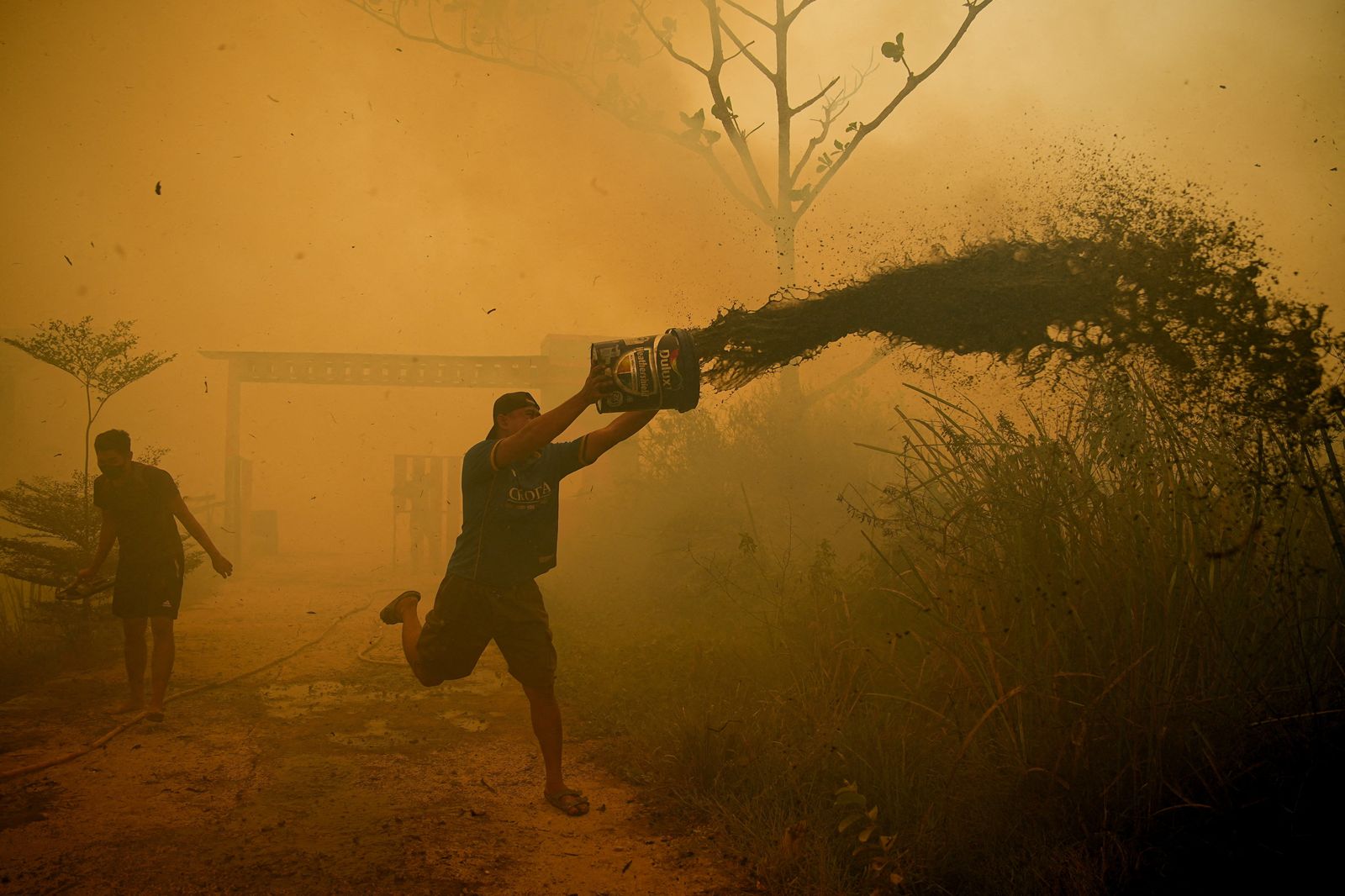
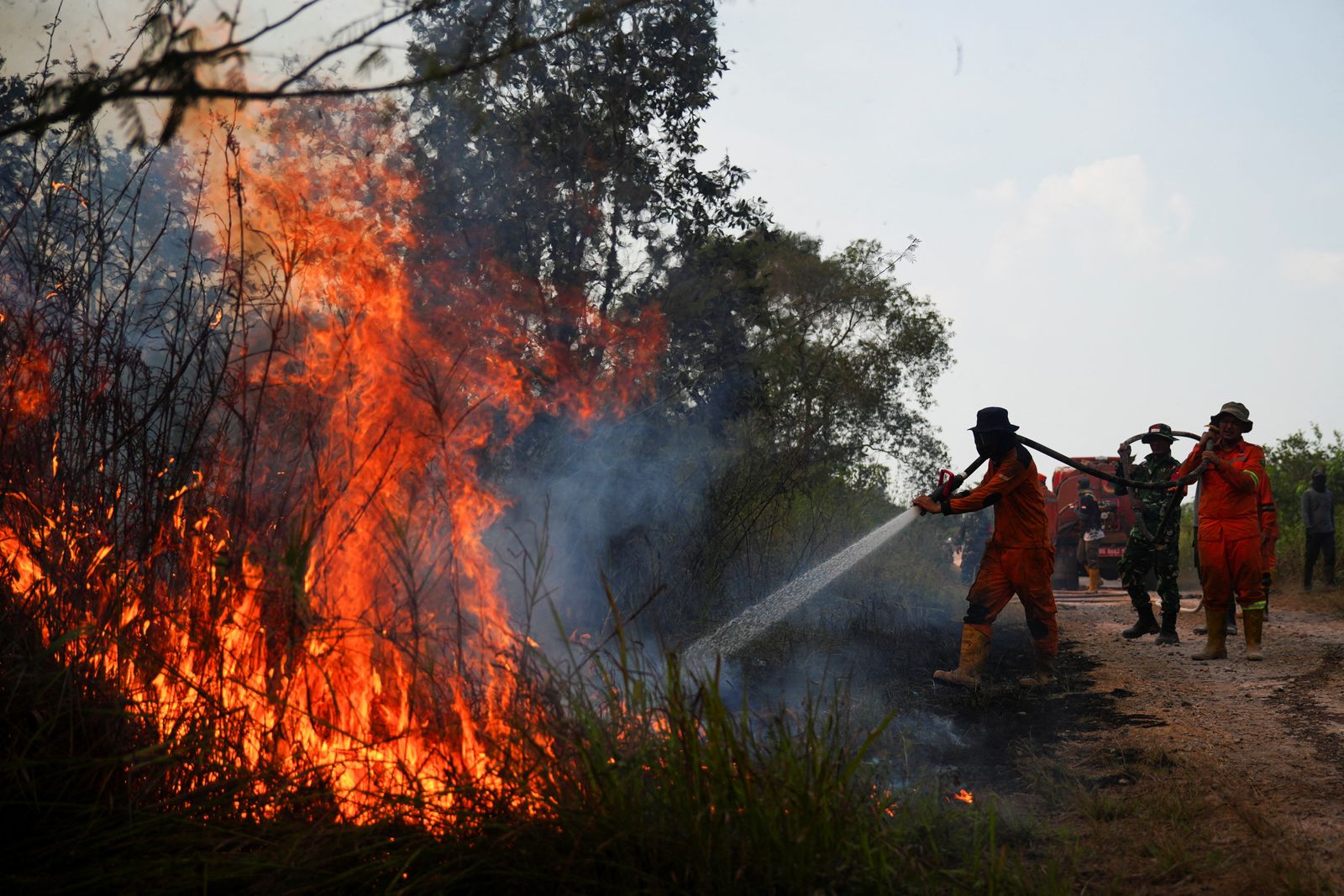
Indonesia deployed tens of thousands of personnel and dozens of aircraft for firefighting and cloud-seeding operations. However, criticism mounted regarding the acceptance of foreign aid, enforcement efforts, and the decision not to immediately declare a national disaster.
On October 11, Deputy Prime Minister Datuk Seri Ahmad Zahid Hamidi said that Malaysia was still awaiting a response from Indonesia regarding an offer of assistance to combat fires in Sumatra and Kalimantan.
By mid-October, Indonesia agreed to accept foreign aid, following the initial non-acceptance of offers from neighboring countries. This development highlights the diplomatic challenges involved in coordinating a response to a crisis with impacts that transcend national borders.
‘Oxygen from our forests’ sparks criticism
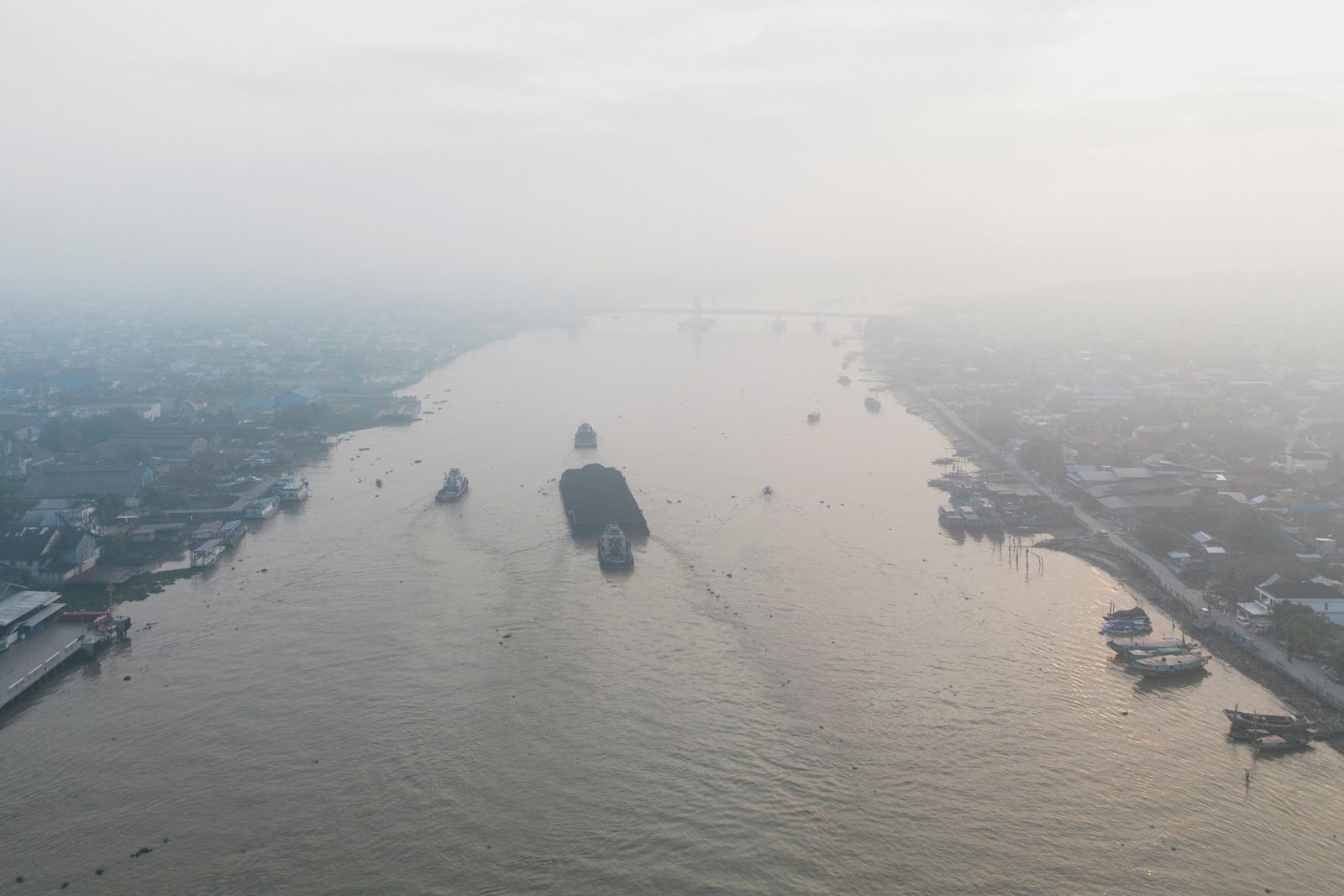
According to a report by The Guardian on October 16, Syahganda said that Indonesia not only sends haze, but its forests also provide oxygen to Malaysia and Singapore.
His remarks drew criticism, as it was made while neighboring countries were grappling with air pollution. Indonesian activists and civil society groups also urged their government to increase support for affected populations and take action against those responsible for the fires.
This dispute underscores the challenge ASEAN faces in balancing the principle of non-interference with a nation’s responsibility to ensure that activities within its territory do not cause harm to its neighbors.

Singapore takes legislative action: How effective is it?
In 2014, Singapore introduced the Transboundary Haze Pollution Act (THPA), which allows for legal action to be taken against parties that cause or contribute to haze pollution in the country including through activities conducted outside its borders.
On October 16, 2016, Singapore’s National Environment Agency issued preventive notices to seven companies that hold concessions in Indonesia and have been linked to the fires.
However, the notice does not imply that the company in question has been convicted of an offense.
Some of the limitations in the implementation of the law include:
Evidentiary challenges: Satellite-detected hotspots do not necessarily prove who started a fire or which party is responsible.
Cross-border enforcement: The collection of evidence and the execution of court rulings may depend on cooperation from Indonesia.
Limited track record of prosecutions: A CNA report from September 2026 noted that no prosecutions or convictions under the THPA had been publicly announced. Furthermore, previous investigations into several companies did not all result in publicly disclosed actions.
Diplomatic risks: Taking action against companies operating in Indonesia could spark tensions, particularly if issues regarding land ownership or corporate liability are contested.
Consequently, the effectiveness of the law should be evaluated based on the outcomes of investigations, enforcement actions, and its capacity to prevent the recurrence of fires.

Why does the haze continue to recur?
1. Peatlands are difficult to extinguish
When drained for agriculture or development, peatlands become highly combustible. Fires can smolder beneath the surface for extended periods, generating thick smoke that is difficult to extinguish.
2. Dry weather increases the risk
El Nino can reduce rainfall and prolong the dry season. However, human activities such as land clearing and the management of peat areas also significantly influence fire risk.
3. Enforcement has yet to address the root causes
Fire-suppression operations address active blazes, but prevention requires thorough investigations, action against illegal burning, and compliance with the law by companies and landowners.
4. ASEAN has an agreement, but enforcement powers are limited
The AATHP provides a framework for monitoring and assistance, but it does not establish a regional body with the authority to automatically penalise parties responsible for causing fires. Its effectiveness depends on the cooperation of member states and the enforcement of domestic laws.

From extinguishing fires to preventing them
The chronology of the haze shows that ASEAN has taken significant steps since the 1997-1998 crisis, including the development of a regional action plan and the signing of specific agreements.
However, the episodes in 2005, 2013, 2015, 2019, and 2026 demonstrate that existing cooperation has yet to eliminate the threat.
The 2026 crisis adds another dimension: the pressure on Indonesia now extends beyond firefighting operations to include demands for transparency, corporate accountability, and cross-border legal action.
Singapore has shown that domestic laws can be used to address pollution originating from abroad. Yet, in the absence of solid evidence, collaborative enforcement, and clear legal outcomes, such laws also face limitations.
A long-term solution requires more than just assistance once the haze has already spread. Fire prevention, peatland management, consistent enforcement, and regional cooperation must be implemented.
As long as the root causes of the fires are not effectively addressed, Malaysians remain at risk of continuing to endure the impact of air pollution originating from beyond the country’s borders whenever the dry season arrives.