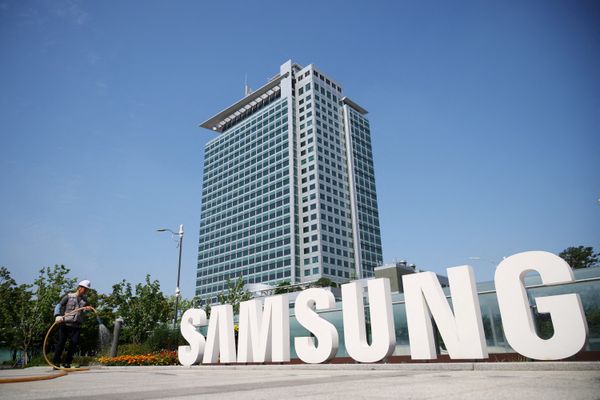
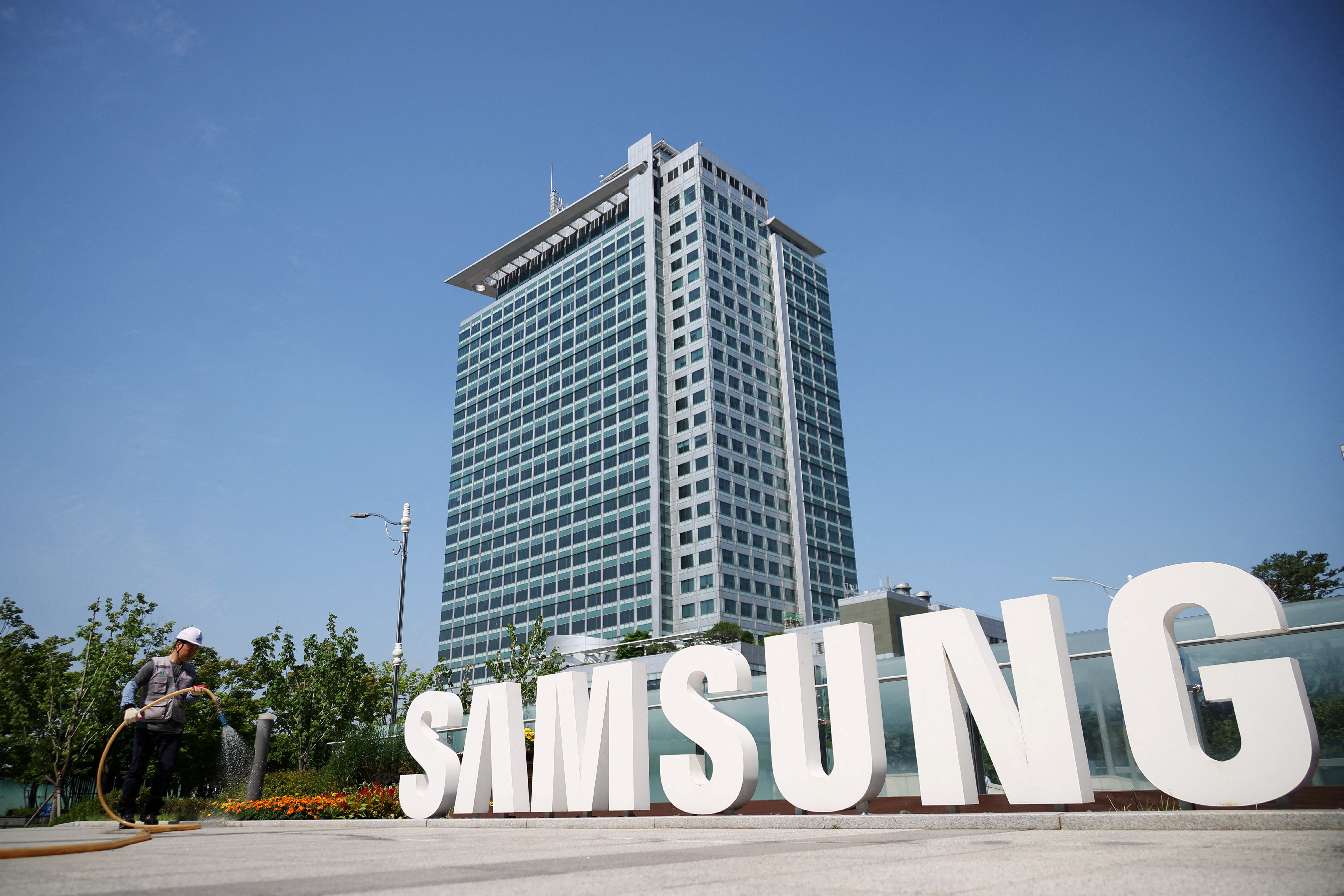
SEOUL, Oct 8 — Samsung Electronics today forecast quarterly profit exceeding 100 trillion won (RM305.3 billion) for the first time by a technology company, projecting a nearly ninefold surge in third-quarter earnings as booming demand for artificial intelligence (AI) chips drove strong memory sales.
The world's largest memory chipmaker estimated an operating profit of 107.4 trillion won (RM327.9 billion or US$80.17 billion) for the July-September period, slightly above the LSEG SmartEstimate of 106.1 trillion won (RM324 billion), according to a regulatory filing.
The forecast marks Samsung's fourth consecutive quarter of record operating profit, highlighting a deepening global memory chip shortage as investment in AI infrastructure outpaces supply growth, driving chip prices sharply higher.
Samsung and Micron expect the supply-demand imbalance to persist into 2028, although rising costs, Chinese competition and potential US semiconductor tariffs pose risks to the longer-term earnings outlook.
"There were uncertainties surrounding Samsung's earnings as analysts cut their estimates, but the results turned out to be better than expected," said Lee Jae-won, an analyst at Yuanta Securities.
Lee said investors would also be closely watching for details of Samsung's shareholder return policy during its earnings call later this month.
Prices have surged amid tight supplies of conventional dynamic random-access memory (DRAM) and NAND chips, alongside growing demand for high-bandwidth memory (HBM), which is essential for processing vast amounts of data in AI applications.
Samsung said third-quarter revenue was likely to rise 127 per cent year-on-year to 195 trillion won (RM595.3 billion).
The company will release its detailed financial results, including an earnings breakdown by business division, on October 29.
Samsung shares rose 0.3 per cent in early trading, outperforming a 0.1 per cent decline in the benchmark KOSPI index.
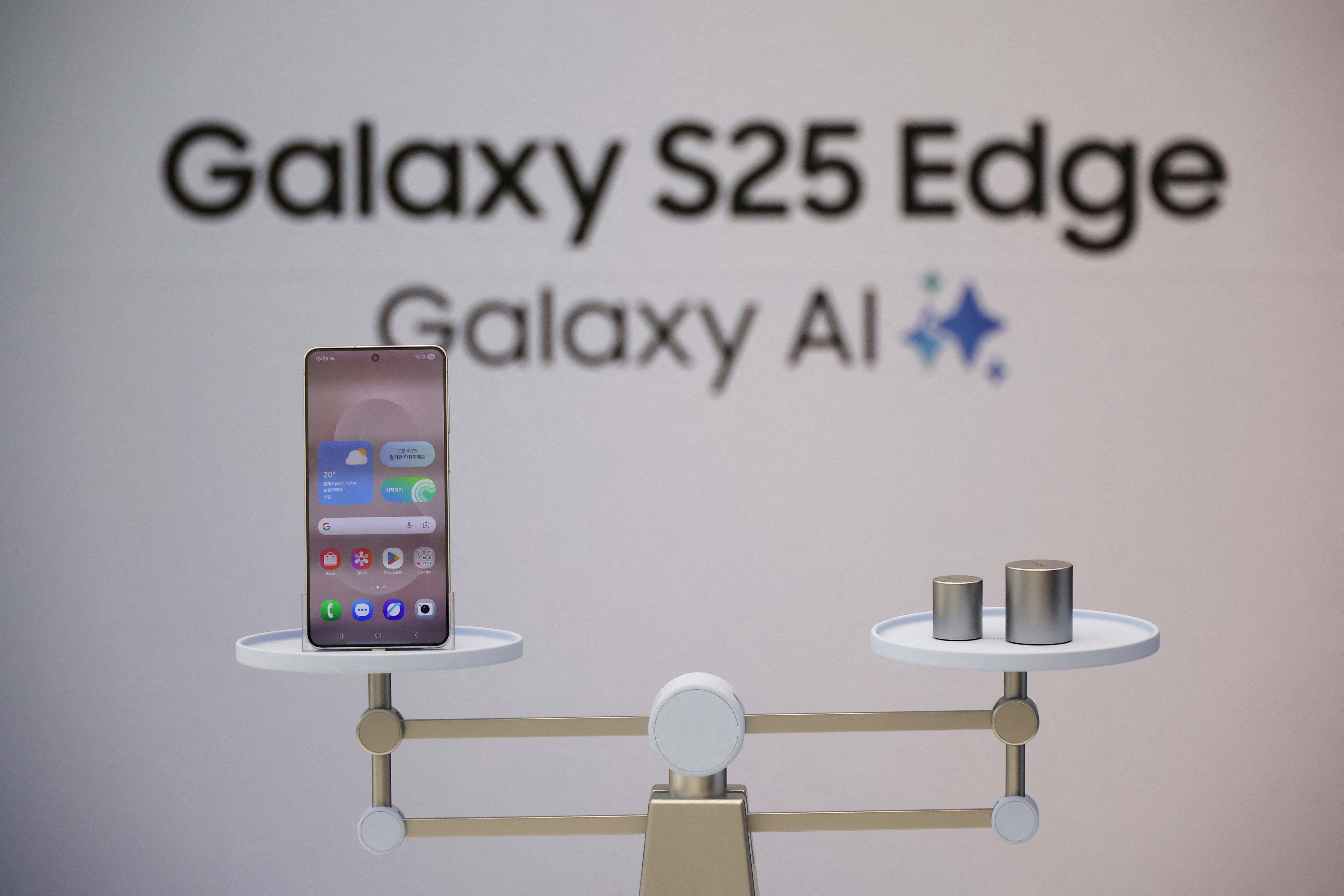
AI memory boom drives earnings
Memory chips are expected to account for the bulk of Samsung's earnings improvement.
Analysts expect supply to continue lagging behind demand, with the imbalance potentially widening in 2027 as AI-related demand absorbs an increasing share of global memory production capacity.
Against this backdrop, shipments of conventional DRAM chips, measured in bits, are expected to remain broadly flat due to limited inventories, while HBM shipments could rise sharply from the previous quarter amid strong demand for HBM4, analysts said.
Douglas Kim of Douglas Research Advisory estimated that Samsung's HBM shipments, measured in bits, grew by nearly 50 per cent quarter-on-quarter in the third quarter.
US rival Micron, a key supplier of high-bandwidth memory to Nvidia, said the chip market could face even tighter supply conditions in 2027 and 2028 than this year, after forecasting quarterly revenue well above estimates on Wednesday.
A stronger South Korean won could offset some of Samsung's gains by reducing the value of dollar-denominated overseas sales when converted into local currency.
The memory chip boom also poses challenges for Samsung's other businesses, particularly its smartphone and consumer electronics divisions, which face mounting pressure from higher component costs.
While higher memory prices benefit Samsung's semiconductor division, they also increase production costs for its smartphones and other electronic devices, squeezing profit margins in those businesses.
Meanwhile, Samsung's contract chipmaking, or foundry, business is expected to remain loss-making due to high fixed costs and persistently low capacity utilisation rates, analysts said.
However, utilisation is expected to improve over the next several quarters, supported by stronger demand for advanced manufacturing processes.
Samsung has been seeking to narrow the gap with industry leader TSMC in advanced contract chip manufacturing.
In a potential boost to its foundry ambitions, AMD chief executive officer Lisa Su said on Wednesday that the US chipmaker continued to explore partnership opportunities with Samsung in its memory and foundry businesses.
Chinese competition, US tariffs cloud outlook
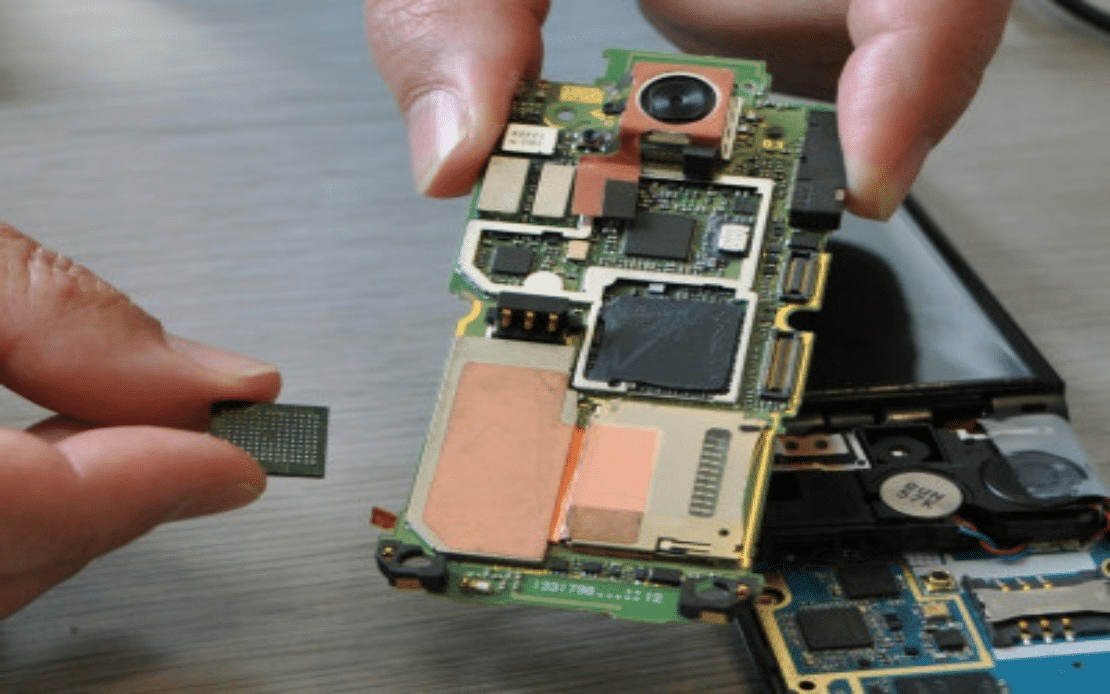
Despite favourable supply conditions for Samsung and other memory chipmakers, the longer-term expansion of Chinese memory chip producers remains a potential challenge.
For now, Chinese memory manufacturers are expected to remain more dependent on domestic customers, including Chinese AI chip developers and PC and smartphone manufacturers.
However, analysts said US restrictions on China's access to advanced chipmaking equipment continue to limit how quickly Chinese producers can expand.
Another uncertainty is the prospect of US semiconductor tariffs as Washington pushes chipmakers to expand manufacturing capacity in the United States.
Nevertheless, analysts said it would take several years for any new US chip manufacturing capacity to boost global memory supply, as large-scale semiconductor fabrication plants require years to build and ramp up production.