SHAH ALAM, Oct 6 — The Short-Term Rental Accommodation (STRA) planning guidelines are undergoing a final review with the Tourism, Arts and Culture Ministry (MOTAC) before being submitted to the Cabinet.
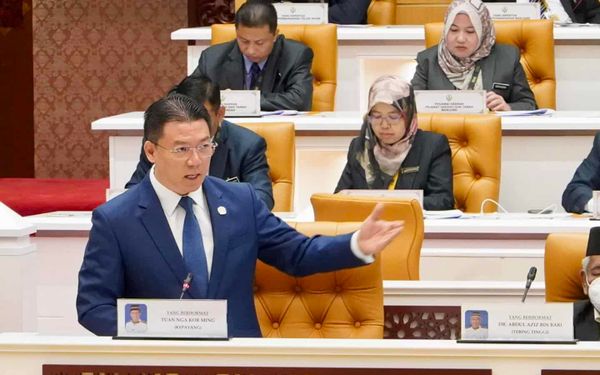
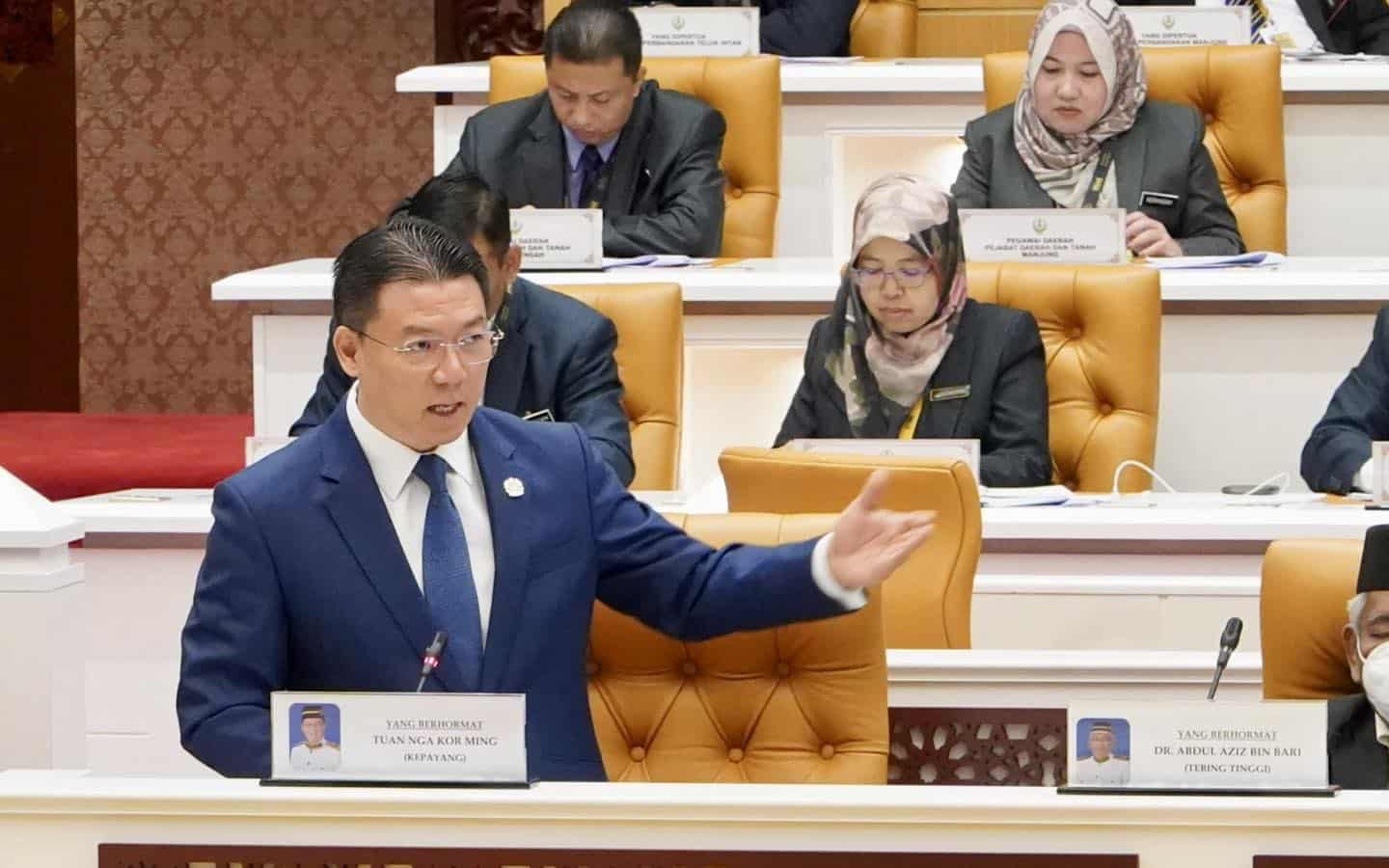
Housing and Local Government Minister Nga Kor Ming said the guidelines were developed with MOTAC and various stakeholders to provide a structured, inclusive and comprehensive framework for the sustainable, safe and orderly growth of the STRA sector.
“The STRA planning guidelines are currently at the updating and final review stage with MOTAC before being submitted for consideration by the Cabinet.
“The document will then be presented to the National Council for Local Government (MNKT) for collective agreement before being recommended for adoption by state authorities and local authorities nationwide,” he said in a written parliamentary reply yesterday.
He was responding to Kuala Nerus MP Datuk Dr Alias Razak, who asked about the current status of the STRA planning guidelines and the coordination mechanism with state governments and local authorities to ensure consistent regulation.
Nga said the guidelines would focus on core criteria, including premises registration, compliance with safety and cleanliness standards, as well as accountability among STRA operators.
“This step is important to ensure that the growth of the tourism and property ownership sectors does not come at the expense of the rights of local residents to comfort, safety and harmony within their neighbourhoods.”
He added that in regulating STRA, the government remained firmly guided by the principle of “a national framework, with implementation based on the local context”.
“This approach creates policy uniformity at the federal level, while providing space and flexibility for state authorities and local authorities to adapt its implementation according to state legal frameworks, infrastructure capacity and the dynamics of local community needs.”
Nga said this would allow the STRA industry to develop on a stronger footing while ensuring its economic benefits were shared fairly without compromising public well-being and interests.