WASHINGTON, Oct 1 — United States (US) officials believe a Chinese invasion of Taiwan before 2028 is increasingly unlikely despite Chinese President Xi Jinping's instructions for his military to be ready by 2027 to take the democratically governed island by force, if needed.
According to two current US officials, one former US official, and a person familiar with the matter, the main reasons include delays in military readiness amid the Chinese Communist Party's anti-corruption campaign as well as Beijing's eagerness to see the results of Taiwan's 2028 election, which some Chinese officials hope could usher in a government more amenable to bringing the island under Chinese control.
They added that Beijing may increasingly look to use force in 2028 and beyond if Taiwan's election sees the Democratic Progressive Party (DPP) win a fourth consecutive term, and in particular if current President Lai Ching-te wins reelection.
"If that happens, I think 2028 becomes pretty sporty," said one of the US officials, who, like the other sources, spoke on condition of anonymity.
Lai, who took office two years ago, and his ruling DPP champion Taiwan's separate identity from China, a position that frequently angers Beijing, which views the island as an inviolable part of Chinese territory. Taipei strongly objects to China's claims and says only its people can decide their future.
The assessment, which has not previously been reported, is a significant update to the years-long understanding among US officials that Xi wanted his military ready to potentially take Taiwan by force in 2027, the centenary of the founding of its People's Liberation Army (PLA). China has never ruled out using force to bring Taiwan under its control but has never publicly confirmed a 2027 readiness order.
Taiwan's Presidential Office spokesman Karen Kuo Ya-hui said that under Lai's leadership, Taiwan will not only strengthen its self-defence capabilities but will also continue to work closely with all international democratic allies, including the US, to maintain the status quo, deter threats through strength, and ensure peace.
"For the sake of its citizens' freedom, democracy, prosperity, and well-being, Taiwan will not abandon its commitment to democracy and freedom in the face of any military threat," she said in a statement.
The Pentagon declined to comment, while China's Foreign Ministry and its Embassy in Washington did not respond to a request for comment.
In a speech this week, Xi referred to Taiwan and talked about promoting the peaceful development of cross-strait relations to achieve "reunification."
The 2027 benchmark, which analysts say reflects Chinese military preparedness rather than an invasion timeline, has for years created a sense of urgency across multiple US administrations to counter China in the Asia-Pacific region.
The US intelligence community has hinted at Chinese wariness before. In its annual threat assessment in March, it said that Beijing did not, at least at that point, have a plan to invade Taiwan next year and still preferred to wrest control of the island without the use of force, if possible.
US elections as a factor?
The US is Taiwan's most important international backer and weapons supplier despite a lack of formal diplomatic ties, and American officials offered mixed assessments of how much China might view the 2028 US presidential election as an indicator of military action.
While three of the people familiar with the matter said Beijing may also want to evaluate the outcome of the US election, particularly given rising American voter antipathy toward US military action abroad, the first US official said Beijing viewed both Democrats and Republicans as largely aligned on Taiwan.
While China might have a preference in the 2028 US election, the official noted that "it does not become as decisive a factor in my opinion, as it might have been 15 years ago."
US President Donald Trump has downplayed the likelihood of a Chinese invasion of Taiwan during his presidency, going so far as to say last year that Xi told him China would not invade while he was in office.
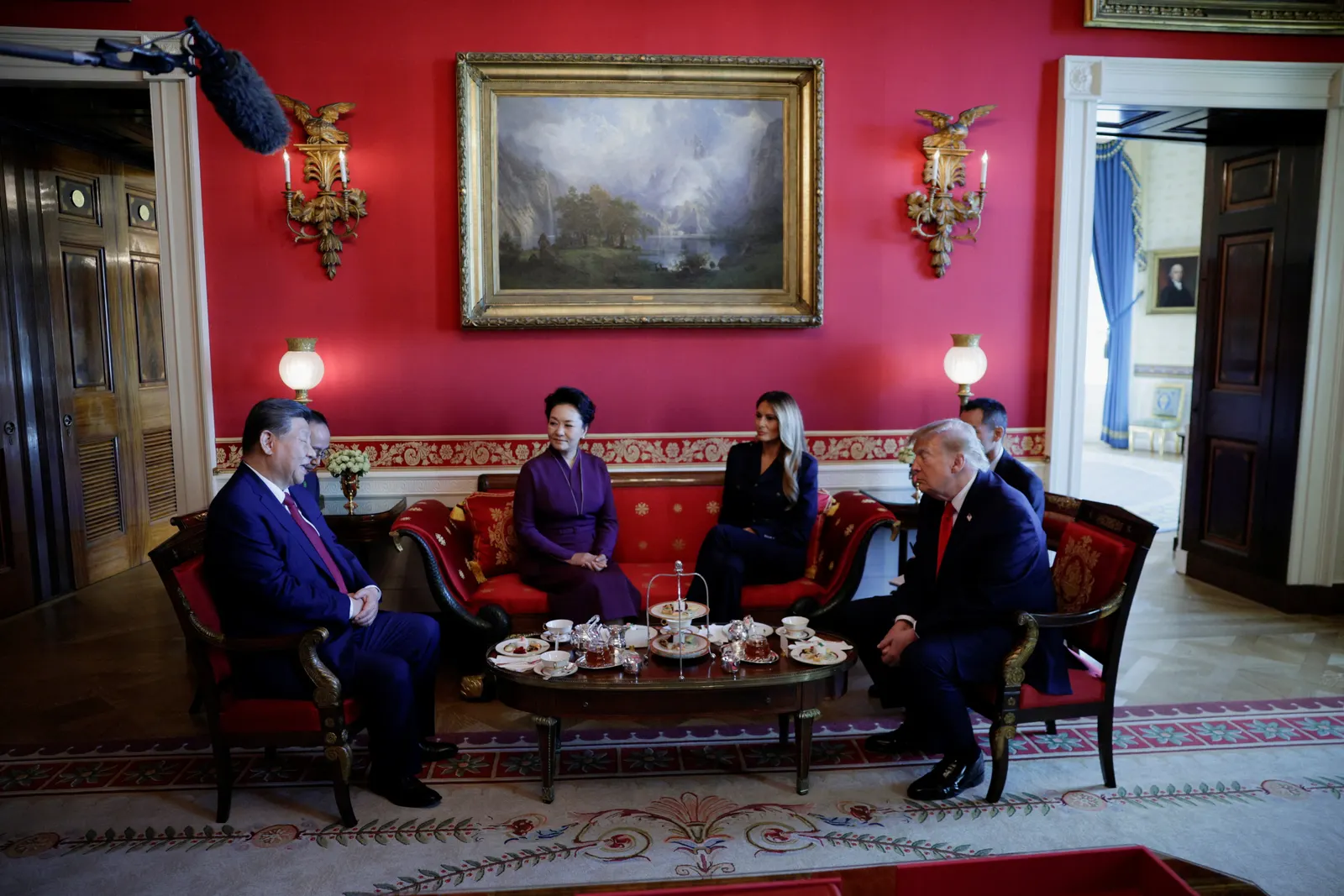
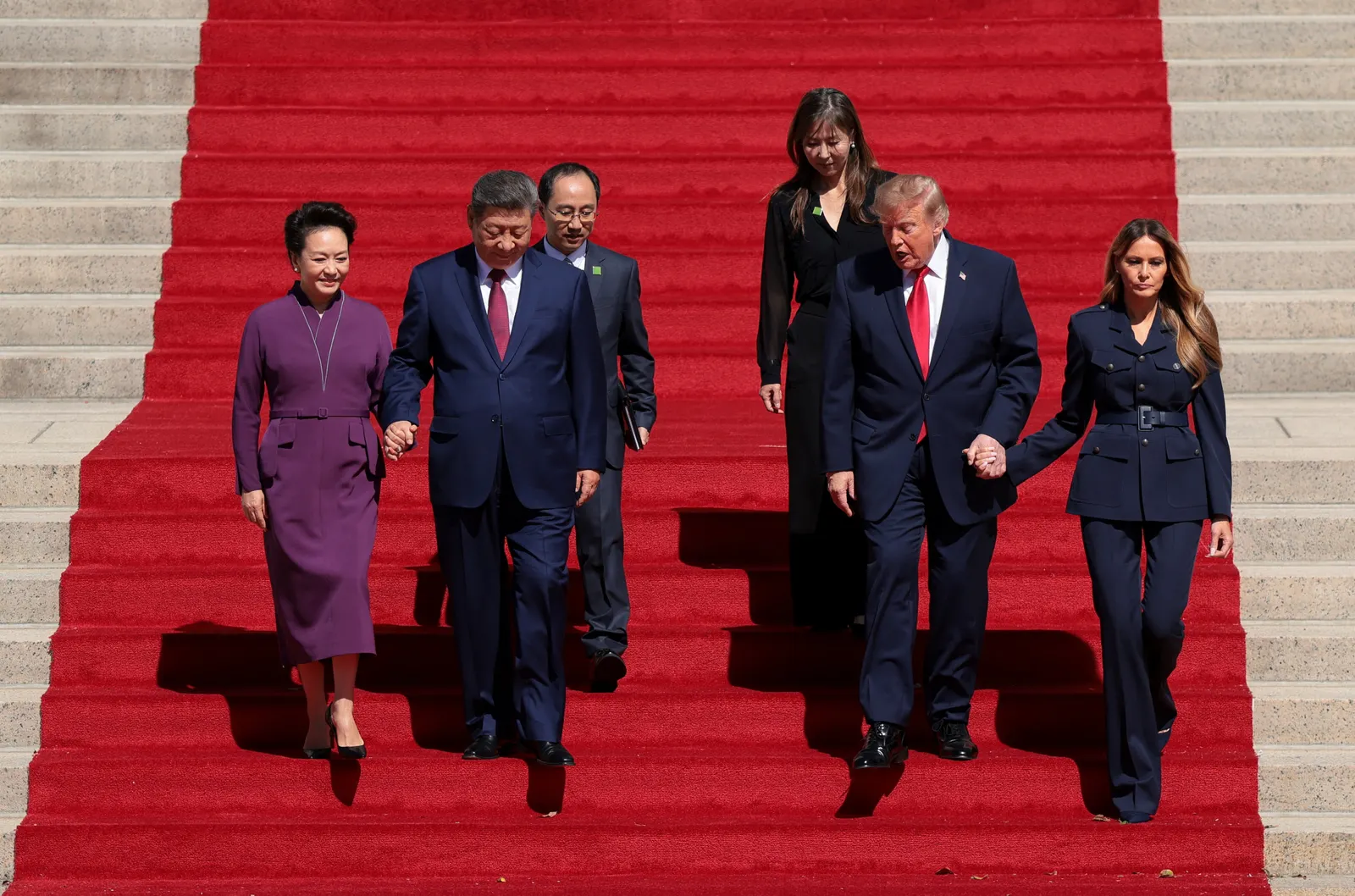
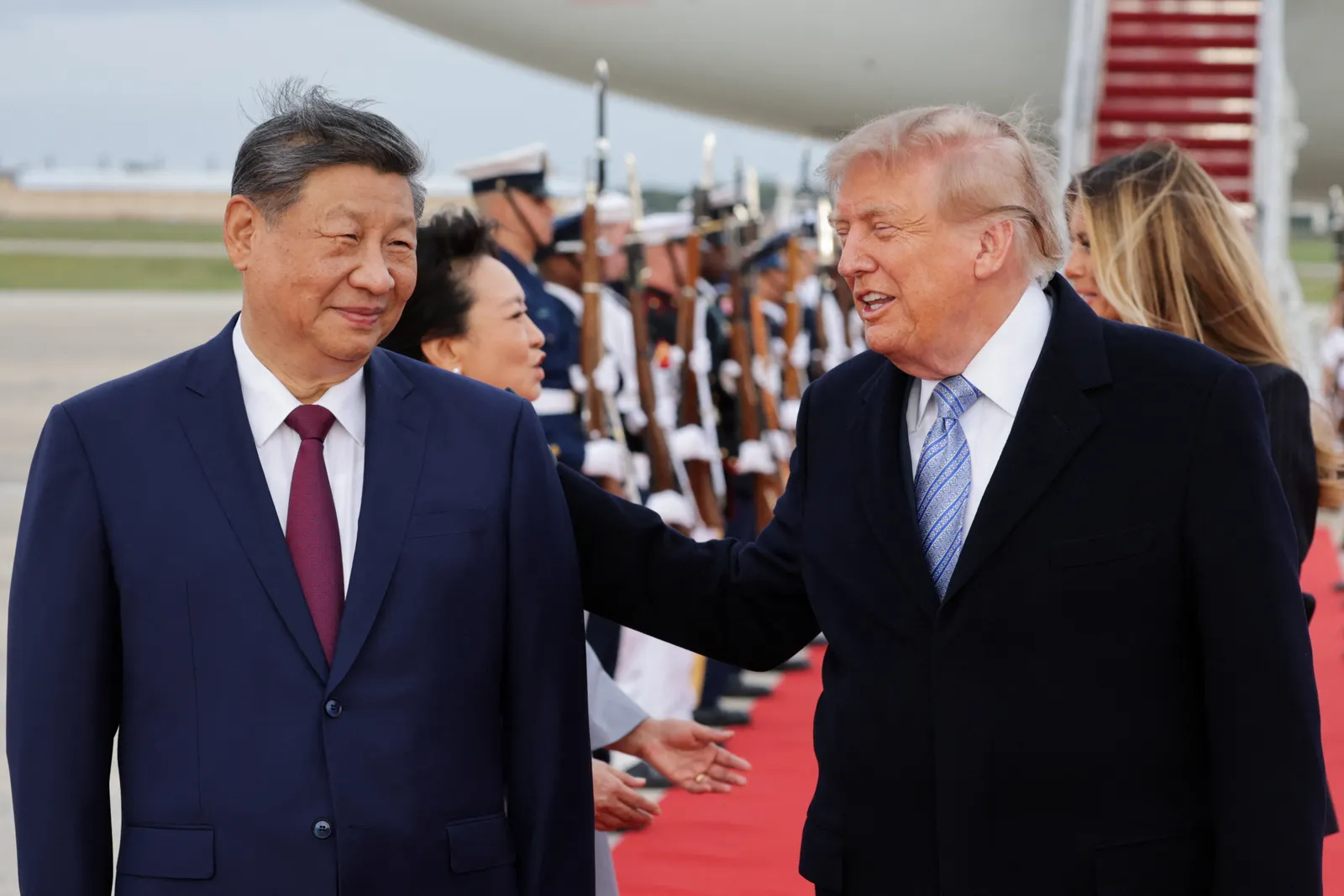
Trump made limited comments on Taiwan after hosting Xi in Washington last week, saying only that the issue of Taiwan came up when the two spoke and that Xi understood his position.
China calls Taiwan its single most important issue and a matter of Chinese sovereignty and territorial integrity.
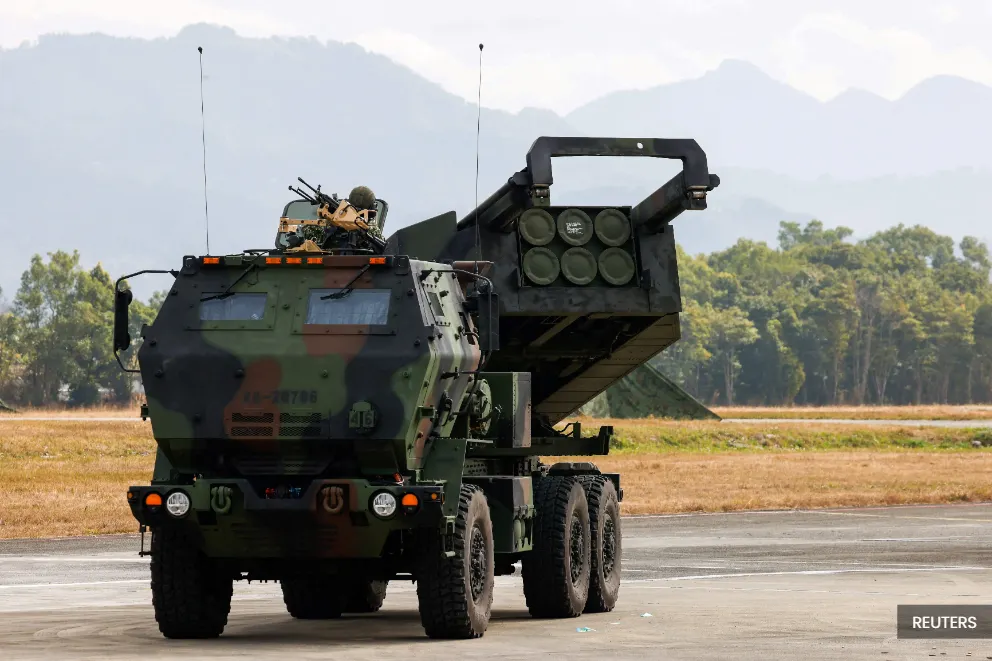
It has called for an end to US arms sales to Taiwan. Since his May trip to Beijing, Trump has held off on approving a new arms package worth some US$14 billion (RM57.18 billion), describing it as a "negotiating chip."
For years, the US strategy has focused on arming Taiwan so that it can hold off Chinese forces long enough for Washington and others to come to its aid.
Anti-corruption drive
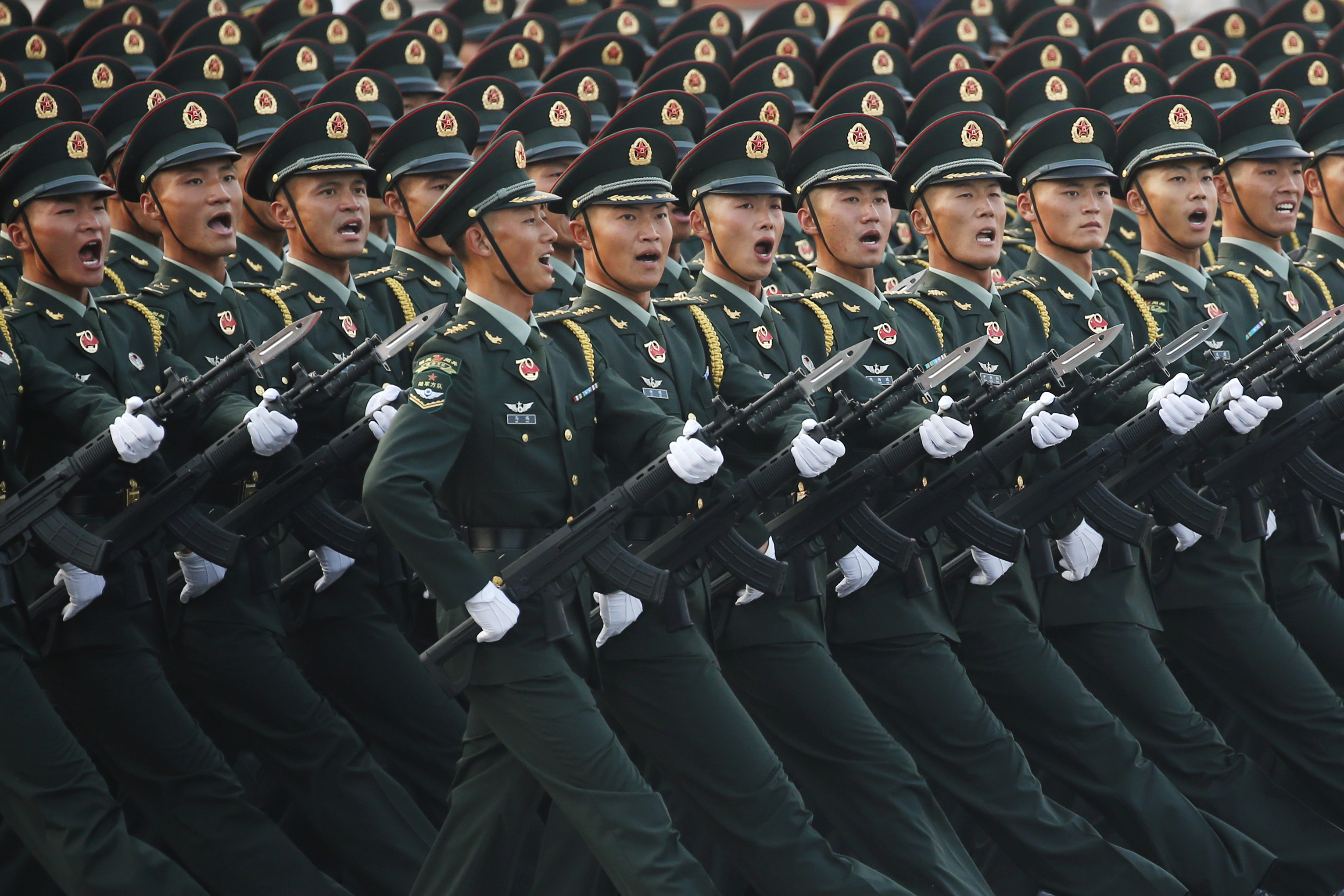
Officials have remarked that China's Xi has not rescinded his goal for the PLA to have the capabilities available to take Taiwan by force by next year.
Nonetheless, they observed that the military did not accomplish as much last year militarily as it probably had intended because of the impact of China's anti-corruption campaign.
Since coming to power in 2012, Xi has unleashed a sweeping corruption and discipline crackdown. Millions within China's vast bureaucracy have been investigated, with scores of senior party, government, and military officials ensnared and purged.
In recent years, the PLA has been a target of the campaign. A string of investigations and expulsions has left just two active officials on the formerly seven-member Central Military Commission, including Xi himself, who serves as chair.
Short, sharp war
The US official said that last year, China's military exercises were smaller and less threatening compared to the past several years. While they bounced back a bit this year, the official suggested Chinese military officials were dissatisfied with their readiness.
The official added that China was believed to have drawn a lesson from the wars in Iran and Ukraine: the need to move quickly once an invasion begins and avoid getting bogged down in a sustained conflict.
More work remained for China.
"There are way too many pieces that are not quite in place yet for what would be the most difficult military operation any military has attempted probably since the Allied invasion of Normandy," the official said.