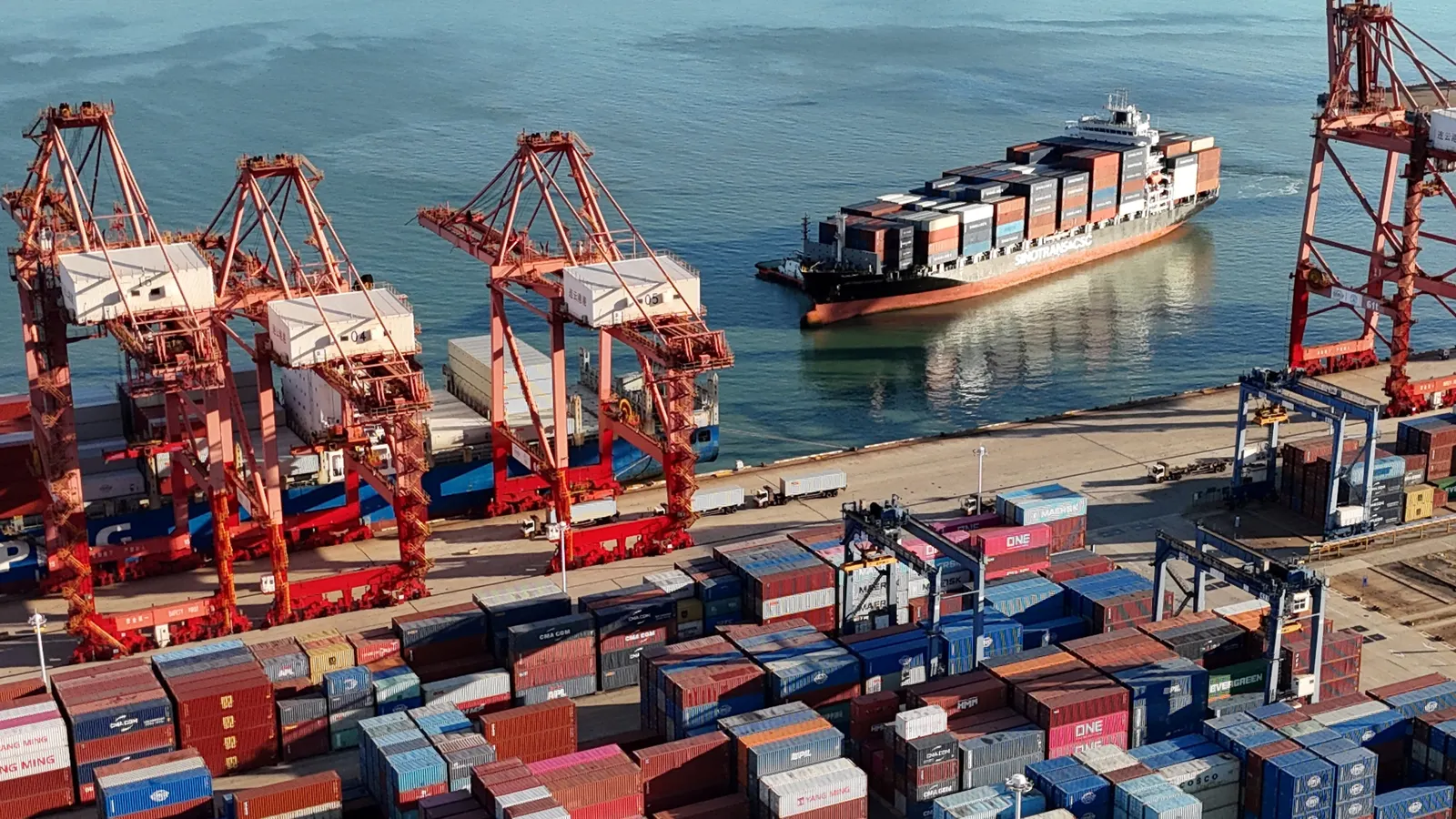
BEIJING, Nov 10 — China's trade surplus surged past US$1 trillion (RM4.05 trillion) in the first 10 months as a global race to build artificial intelligence (AI) infrastructure buoyed sales of high-tech products and helped offset weak domestic demand, a dynamic likely to sharpen tensions with major trading partners.
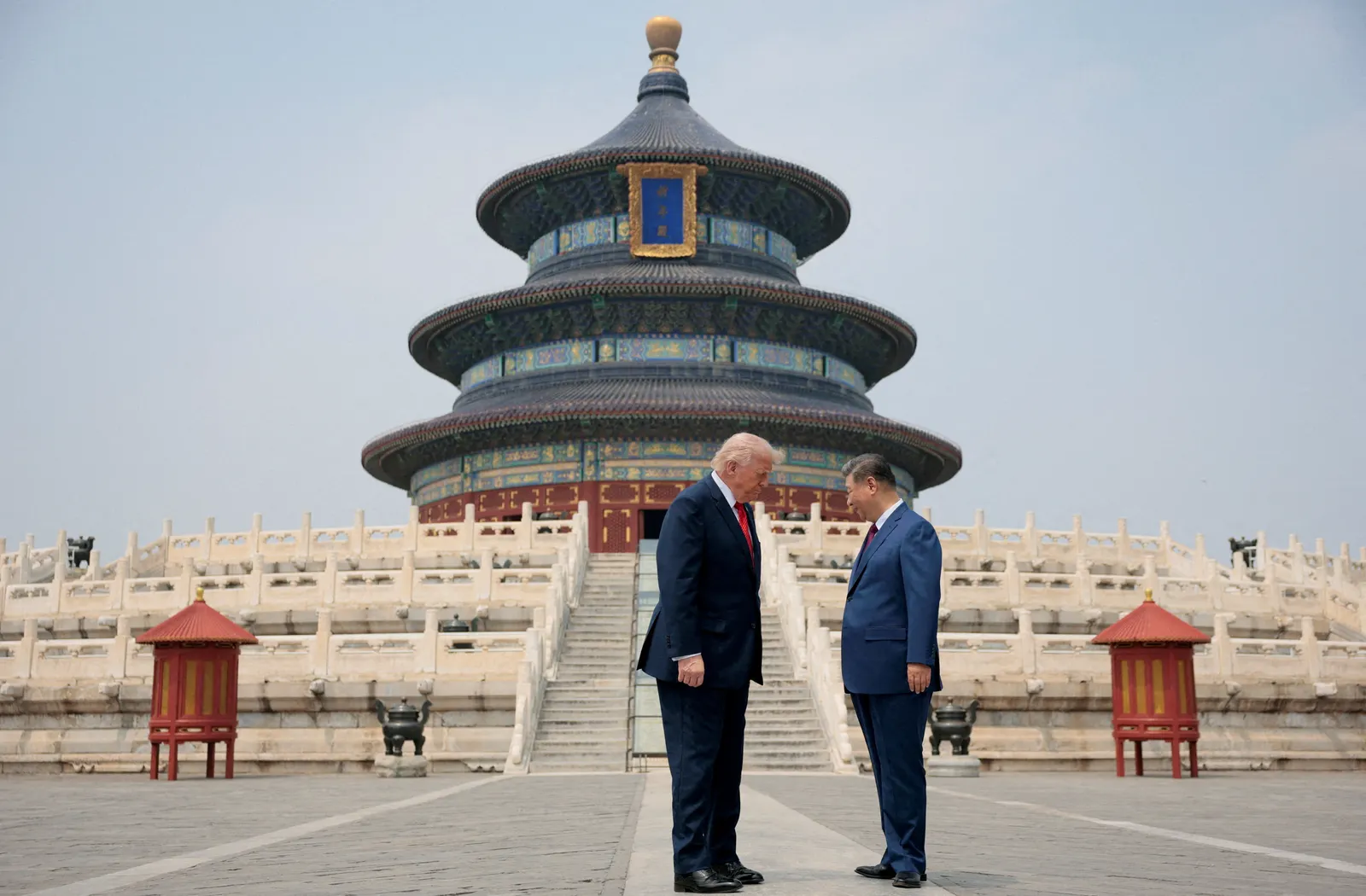
The data comes ahead of next week's Asia-Pacific Economic Cooperation summit in Shenzhen, where Chinese President Xi Jinping and United States (US) President Donald Trump are expected to meet for the third time this year, putting broader economic ties and tariff policy squarely in focus.
The figures highlight Beijing's growing reliance on overseas demand to support an economy hobbled by subdued consumption and a protracted property slump. But while the global AI investment boom is expected to keep demand for Chinese technology products strong into 2027, analysts warn that deeper dependence on external markets could leave China more vulnerable to protectionist measures abroad while masking persistent weakness at home.
Customs data released today showed exports rose sharply by 35.2 per cent in October from the same month last year in US dollar terms, only a touch slower than the 36.3 per cent surge in September and comfortably ahead of economists' forecast for a 33.5 per cent increase.
That helped lift China's trade surplus to US$1.04 trillion (RM4.21 trillion) in the first 10 months, topping US$1 trillion for a second consecutive year and reaching the milestone a month earlier than in 2025.
The swelling surplus could fuel further tensions with the European Union, where leaders have called for more trade curbs with China after reaching an agreement with Beijing to limit Chinese exports of hybrid vehicles to the bloc over the next few years. Because the measures have yet to take effect, factories are expected to bring forward shipments, bolstering exports in the near term.
"The risk of additional tariffs and other trade barriers will remain elevated in 2027, particularly as Chinese manufacturers continue expanding their presence in overseas markets," said Trivium China lead macroeconomist Joe Peissel.
China's trade surplus with the US narrowed slightly to US$32.71 billion (RM132.5 billion) in October from US$34.01 billion (RM137.8 billion) the previous month, though the broader imbalance remains a source of friction between the world's two largest economies.
Yesterday, Beijing and Washington formally extended a trade truce by two months that had been due to expire today. Last week, China said any expansion of purchases of US farm goods would hinge on implementing agreed reciprocal tariff reductions.
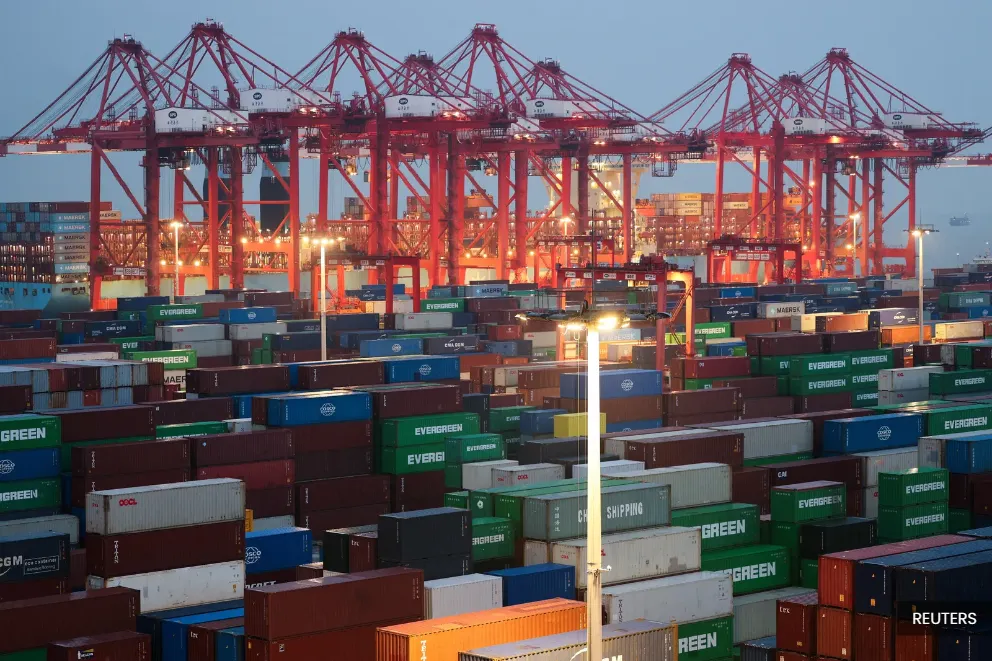
Imports rose 41.6 per cent in October from a year earlier, beating the 32 per cent increase forecast in the Reuters poll and accelerating from 31 per cent growth in September. Customs data also showed rare-earth exports edged higher from the previous month, while crude oil imports climbed to their highest level since March as buyers adjusted to supply disruptions in the Middle East.
"The contraction in rare-earth export volumes eased last month, suggesting that China may have begun to relax enforcement of some export controls.
"This may reflect continued pressure from the US on Beijing to improve rare-earth supplies," said Capital Economics' China economist Nguyen Hoang Nam.
The data elicited little market response, with China's blue-chip CSI300 Index and the Shanghai Composite Index both edging up 0.1 per cent by lunch
Headwinds
One big worry for Beijing is that consumers remain reluctant to spend, constrained by a property market downturn that has battered household wealth and dented confidence in the economic outlook.
Sluggish demand at home has pushed Chinese automakers to seek sales in overseas markets. China's car exports maintained solid growth in October, while separate data released by an industry association indicated that domestic vehicle sales recorded a 12th straight month of declines.
Nonetheless, greater reliance on exports leaves China's economy increasingly exposed to any slowdown in global demand, with some analysts cautioning that shipment growth could cool once the AI investment cycle matures.
For now, most industry observers expect AI-related demand to remain robust. China's semiconductor exports surged 111.1 per cent year-on-year in US dollar value terms in the first 10 months, while overall shipments of high-tech products jumped 47.9 per cent.
"We may see trade growth moderate next year, given the base effect. But AI-related trade is expected to remain strong in the months ahead despite recent equity market volatility," said ING's Greater China chief economist Lynn Song.