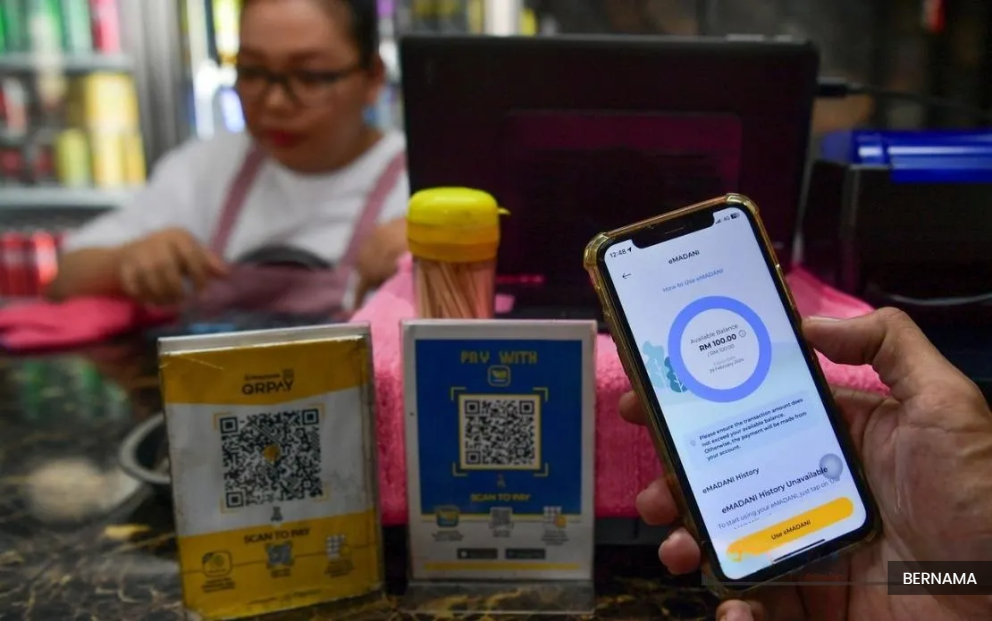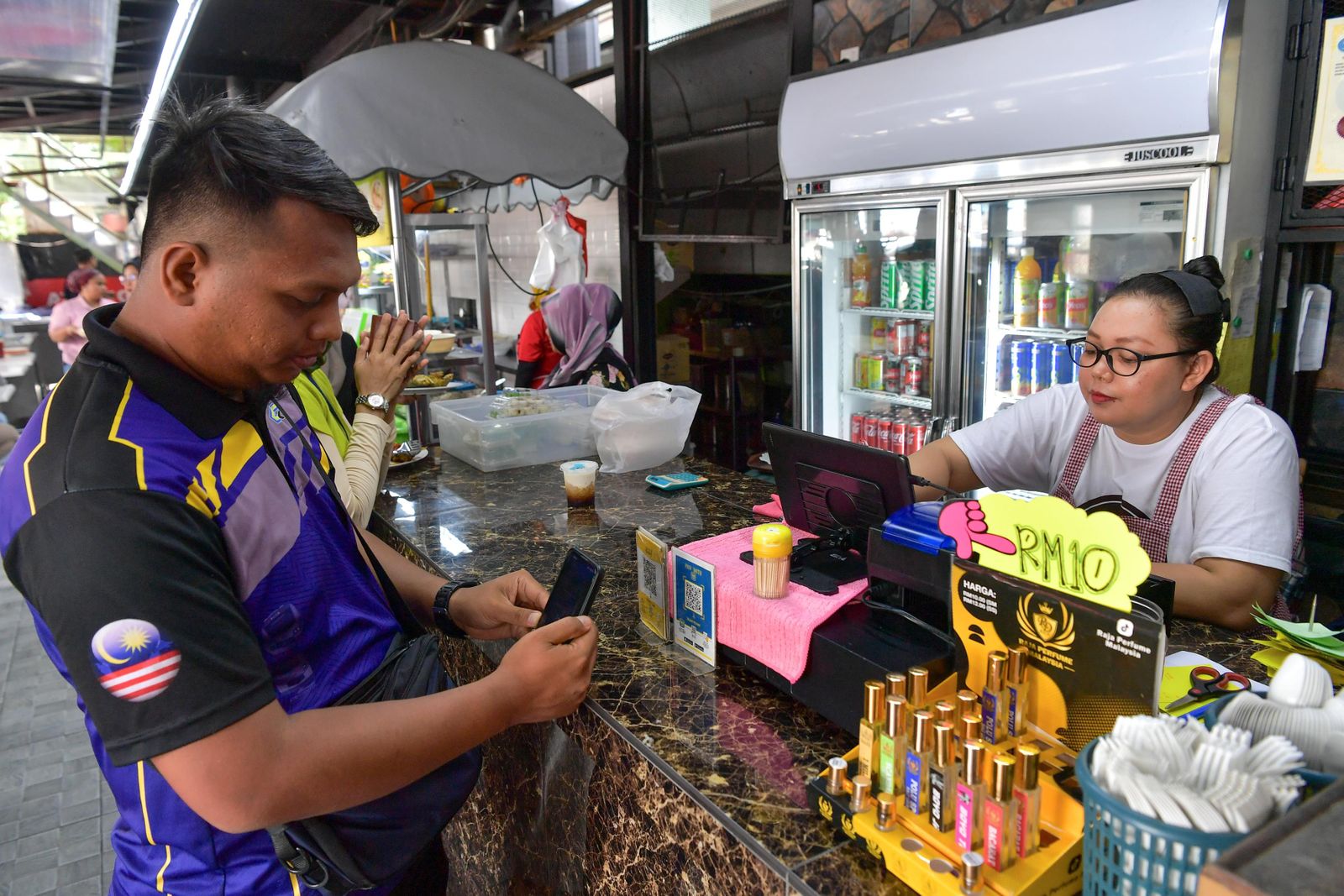

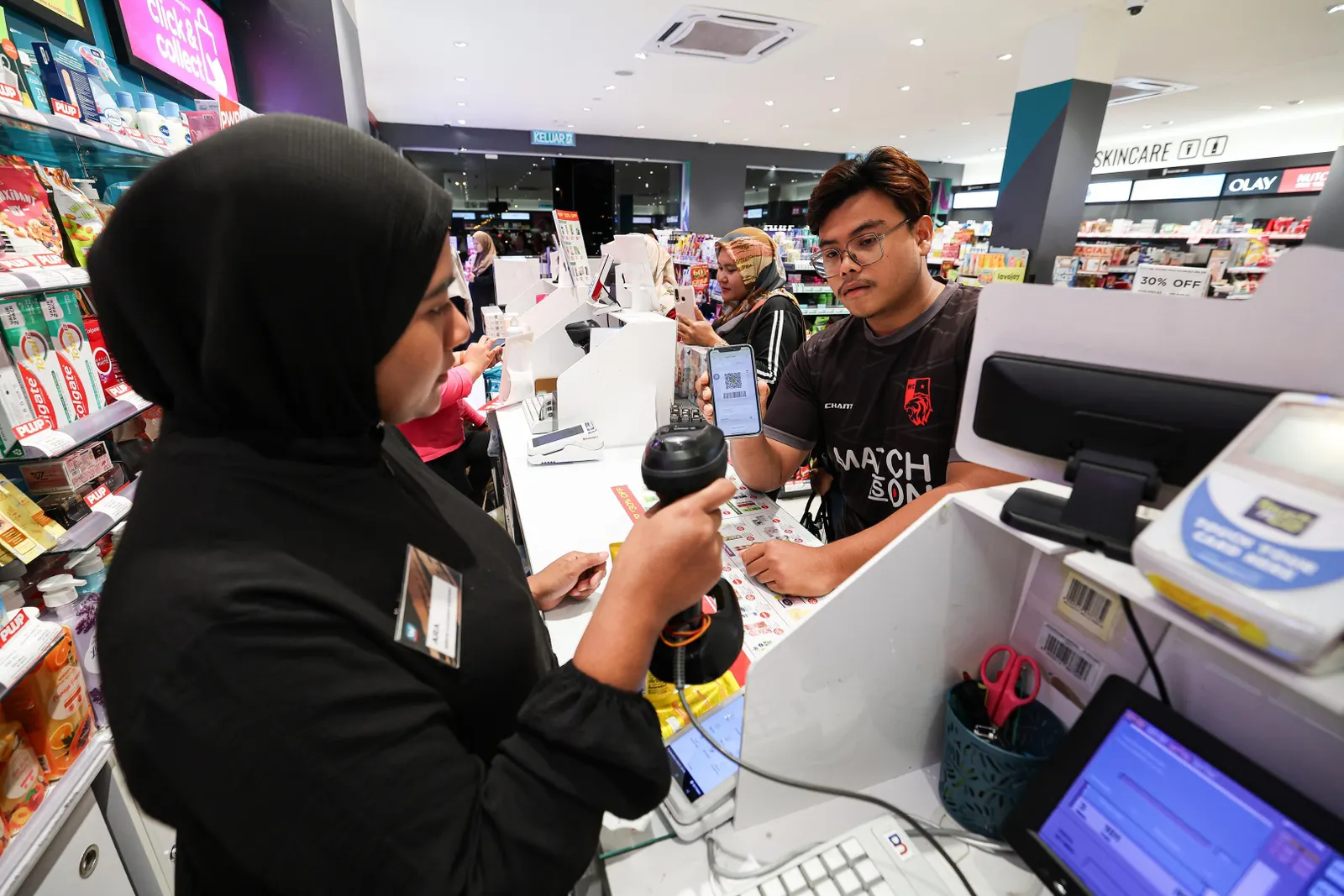


SHAH ALAM, Oct 5 — The growing use of quick-response (QR) payments should not come at the expense of consumers who rely on cash, says an expert, as he urges the government to consider clearer guidelines to ensure businesses provide reasonable payment options.
The call comes amid claims of a growing number of business premises going fully cashless and no longer accepting cash payments.
Universiti Putra Malaysia’s (UPM) Faculty of Human Ecology dean Prof Mohamad Fazli Sabri said offering a cash payment option is important for essential goods and services such as food and medicine that are purchased daily by Malaysians from all walks of life.
“We need to ask: should someone be unable to buy food or medicine simply because they only have cash? In such circumstances, consumer access to daily necessities should be given serious attention,” he told Media Selangor.
While QR payments offer benefits such as faster transactions, easier record-keeping, and simpler payment management for small traders, they could pose challenges for senior citizens, low-income users without smartphones, people in areas with poor Internet connectivity, and disabled persons.
As such, Fazli said that any guidelines should consider the needs of consumers, including disabled persons and senior citizens, while urging businesses to provide more than one payment method where possible.
“If a shop only accepts QR, some customers may not be able to purchase goods even though they have sufficient money. This situation is particularly concerning when it involves food, medicine, and daily necessities,” he said.
Any broad legal requirement should first be assessed for its impact on both consumers and small businesses, with regulations potentially prioritising businesses that provide essential goods and services.
Fazli also believes businesses should clearly display their accepted payment methods at entrances, menus, or before customers place orders, rather than consumers only discovering that cash is not accepted at the counter.
“Businesses should have reasonable procedures to help customers complete payments, especially when food has already been served or services have already been provided,” he said.

Cashless shift must remain inclusive
Previously in May, Bank Negara Malaysia Governor Datuk Seri Abdul Rasheed Ghaffour said that DuitNow QR transaction volumes more than doubled in 2025 to three billion transactions, as it became a preferred option for consumers and merchants in Malaysia.
The growth of QR payments reflects a wider shift towards faster and more seamless digital payments, with e-money usage in Malaysia outpacing the growth trajectory of payment cards in 2025 by 10 per cent.
Meanwhile, UPM School of Business and Economics senior lecturer Yusniyati Yusri said the growth of QR payments is a positive development in the digital economy as they make transactions easier and faster, while reducing the need to carry cash.
However, the transition towards a cashless society must remain inclusive.
“In my view, a more balanced approach is to encourage QR payments without denying the option of cash payments,” she said.
Senior citizens, those with lower digital literacy, and those facing Internet or smartphone problems could be left behind by cashless-only businesses.
"Government services in particular should provide both cash and cashless payment options,” Yusniyati said.
On introducing a dedicated law requiring businesses to accept cash, she noted that this is unnecessary, as the focus should instead be on ensuring an inclusive transition.
“The real issue is not whether QR payment is good or bad, but how Malaysia can move towards a cashless society without leaving behind those who are not yet ready to become cashless.
“Government intervention can be considered to ensure inclusive access without necessarily prohibiting businesses from going cashless,” Yusniyati said.