SHAH ALAM, March 6 — The Selangor Zakat Board (LZS) has stressed that the technology companies involved in the digital payment platform ZPay only provide the transaction system, while the collection and distribution of zakat remain fully managed by the institution together with authorised amil (zakat collectors).
The clarification follows discussions in the public sphere about allegations that a non-Muslim-owned company was appointed as a zakat collection agent through the app.
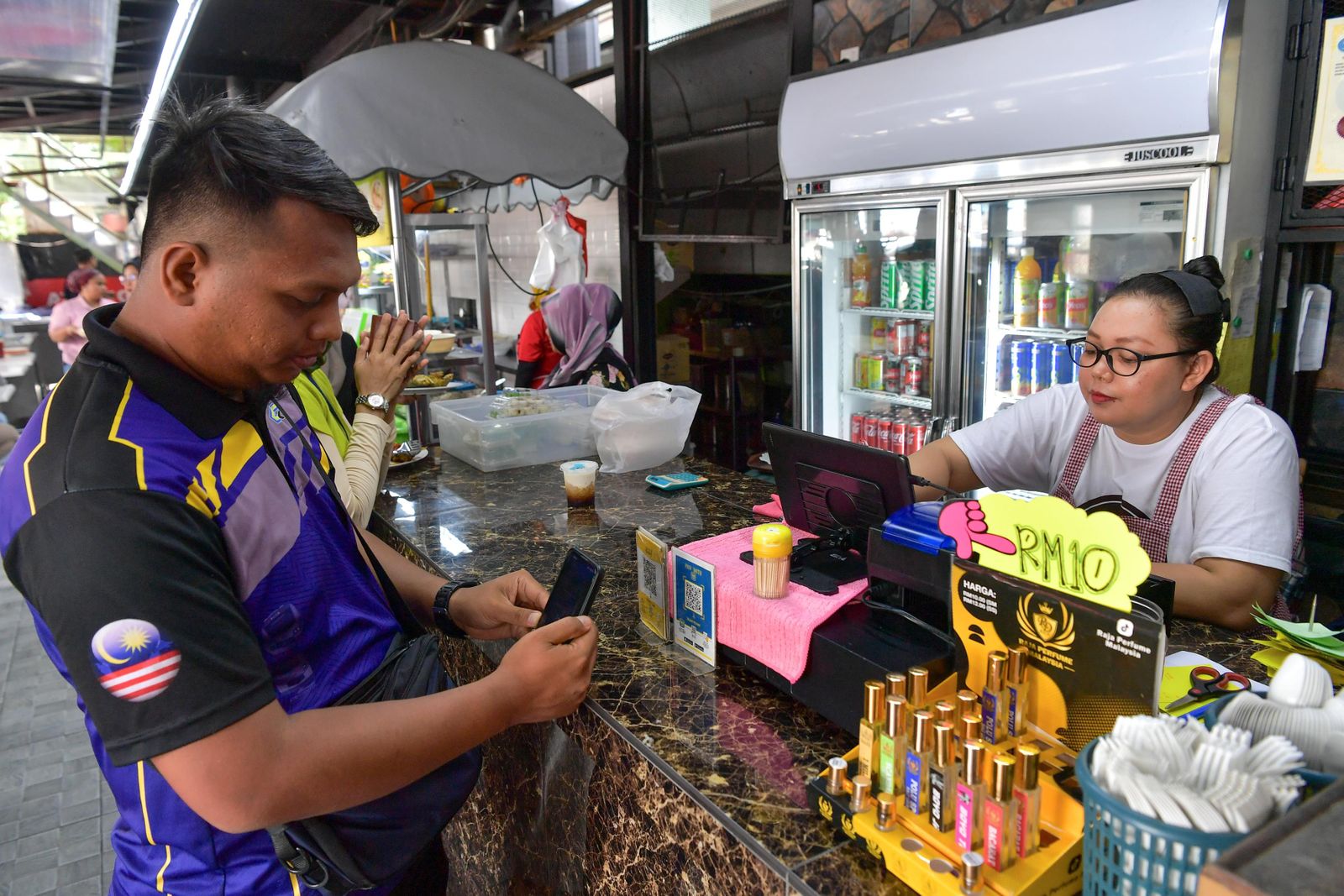
It said that ZPay is the official app developed to make it easier for Muslims to fulfil their zakat obligations through cashless payments in a faster, safer, and more organised manner.
To develop and operate the digital facility, LZS appointed technology providers based on their technical expertise and system security requirements.
“ATX Distribution Sdn Bhd is responsible for developing and maintaining the ZPay app, while GKash acts as the payment gateway that processes digital transactions in real time,” the agency said in a statement today.
However, LZS emphasised that GKash functions solely as a technical infrastructure connecting the payer’s banking institutions with the ZPay system and does not have any contract as a zakat collection agent.
“The responsibility for the collection and distribution of zakat is carried out entirely by LZS together with assistant amil officially authorised by the Selangor Islamic Religious Council (MAIS)," it said.
LZS added that all zakat payments through ZPay are managed through a dedicated Syariah-compliant account regulated in accordance with the institution’s financial agreements and procedures.
This method ensures transactions are processed efficiently while allowing the orderly separation of payments for assistant amil remuneration without affecting the integrity of zakat funds.
It noted that any transaction processing charges imposed by payment channel providers are service costs for the system under the amils' management and do not involve deductions from the zakat amount paid.
“The amount of zakat paid by contributors remains entirely as zakat funds,” LZS said.
From a Syariah perspective, the use of financial transaction facilities provided by payment channel providers, including non-Muslim companies, is permissible under the principles of fiqh muamalat through the concept of ijarah (service leasing).
This position is also consistent with the Selangor State Fatwa Committee's decision on October 30, 2019, which ruled that zakat payments via digital channels such as e-wallets and QR codes are permissible under Islamic law.
The agency stressed that every service innovation introduced undergoes Syariah scrutiny and complies with MAIS guidelines.
“LZS is committed to ensuring that all zakat collection and distribution matters are carried out transparently, with integrity and in accordance with Islamic law for the well-being of the asnaf and the benefit of the ummah,” it said.