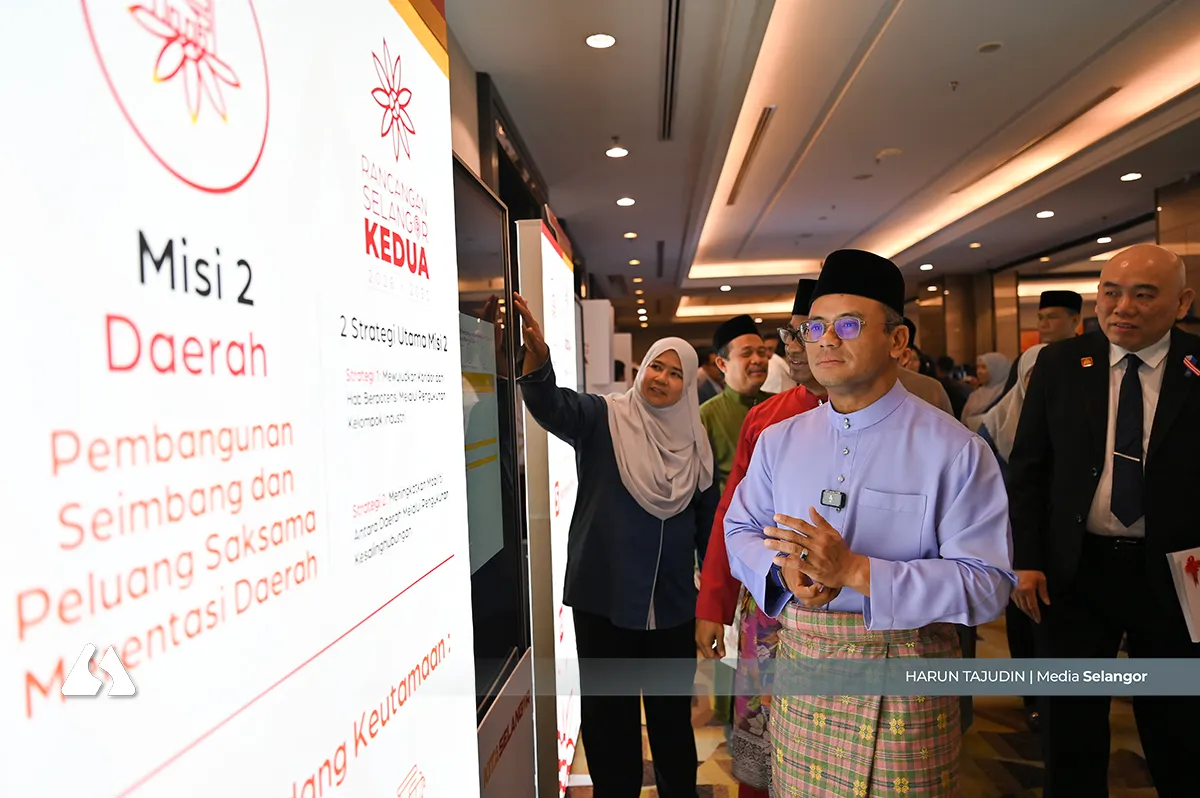
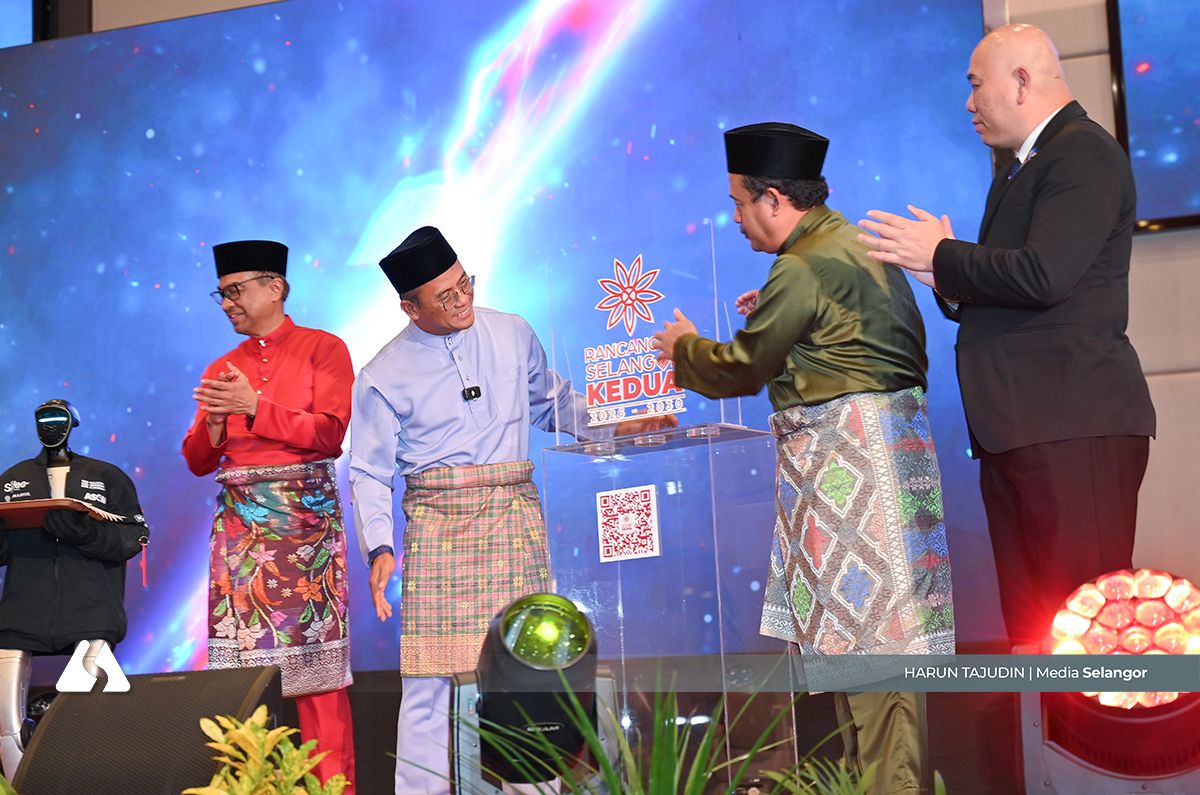
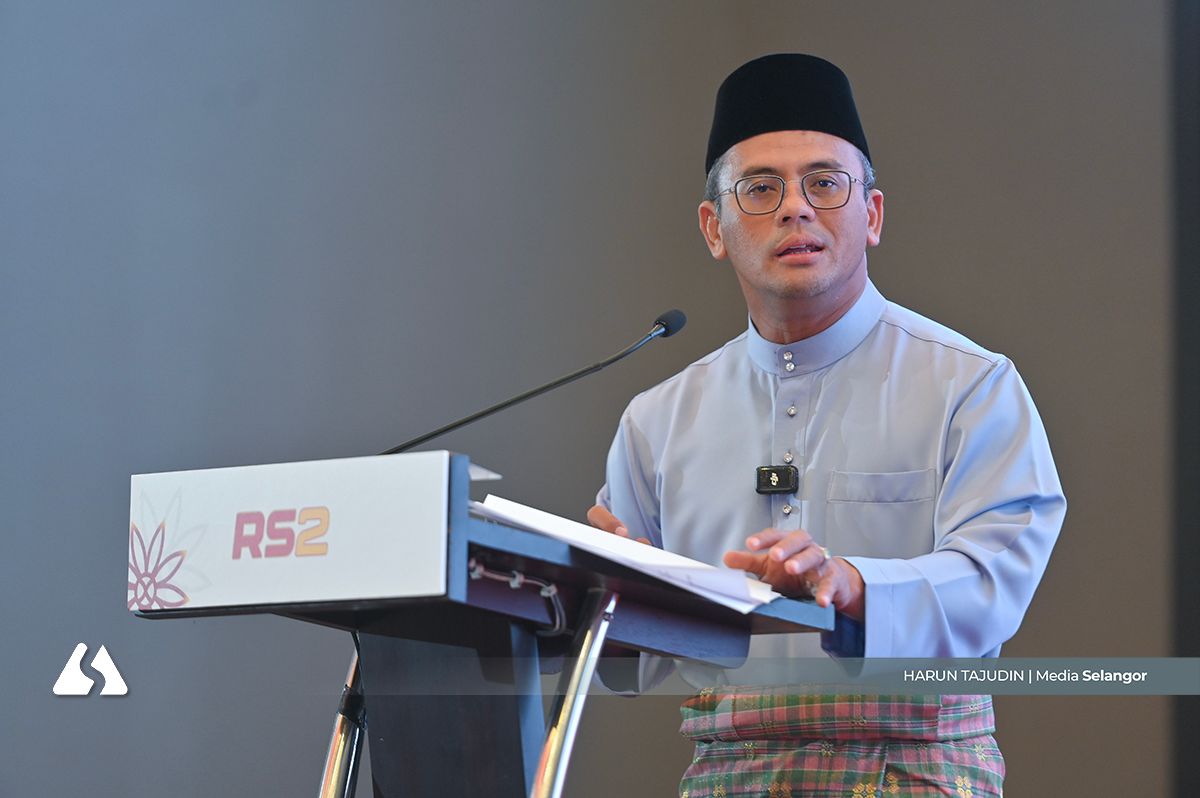



SHAH ALAM, Aug 21 — The Second Selangor Plan (RS-2) has moved from the planning stage into implementation, with district officers and state agencies now being briefed on their respective roles to deliver the five-year development plan, said Menteri Besar Dato’ Seri Amirudin Shari.
The briefing marks the first formal session for district officers and agencies involved in implementing RS-2, following the completion of its planning phase.
“Previously, the briefings were focused on planning, but now that the planning has been completed, it is time for them to implement the targets and carry out the work at a more micro level,” he told the media after the RS-2 launch ceremony and engagement session with news editors at the Concorde Hotel today.
Amirudin added that RS-2 will remain flexible, with a review planned in two years to incorporate new findings, structural changes, and additional programmes or projects.
Lessons from implementing the First Selangor Plan (RS-1) included the need to strengthen monitoring, speed up grassroots projects, and improve financing mechanisms.
Earlier in his speech, he said that Selangor had achieved 79 per cent of the overall targets under RS-1, just short of its 80 per cent target.
When asked about the remaining 21 per cent of the progress, Amirudin said the state government used lessons from implementing RS-1 to improve RS-2’s delivery.
A 2024 review also allowed the state government to reassess and adjust several targets based on prevailing circumstances.
Under RS-2, he said the state government is negotiating with several institutions to facilitate project financing.
It is also looking beyond conventional economic indicators, including poverty levels, by developing an index to measure what constitutes a decent and dignified standard of living in Selangor.
“We are now trying to create an index — an index of a dignified life, or a dignified economy, as I mentioned in the State Assembly,” Amirudin said.
The Menteri Besar noted that the findings would help the state government better tailor assistance to the needs of individual districts, given differences in economic conditions across Selangor.
“There can no longer be just one indicator for the whole state because our state is diverse, demand is high, and each area has its own complexities,” he said.
RS-2, approved and passed by the Selangor State Legislative Assembly last Thursday (August 13), involved collaboration beyond the government, including local authorities, state-linked companies, and the private sector.
Amirudin said that only 98 programmes and projects were included after the state assessed their feasibility.
Meanwhile, he provided an update on the 2026 Malaysia Games (SUKMA), hosted by Selangor, underscoring that the event has gone smoothly so far with relatively few complaints from contingents over technical aspects, accommodation, and food.
Some dissatisfaction is to be expected during sporting events, as technical complaints have been significantly reduced compared with previous editions.
“We have found that complaints involving the technical aspects of the competitions have been greatly addressed swiftly compared with previous editions,” Amirudin said.