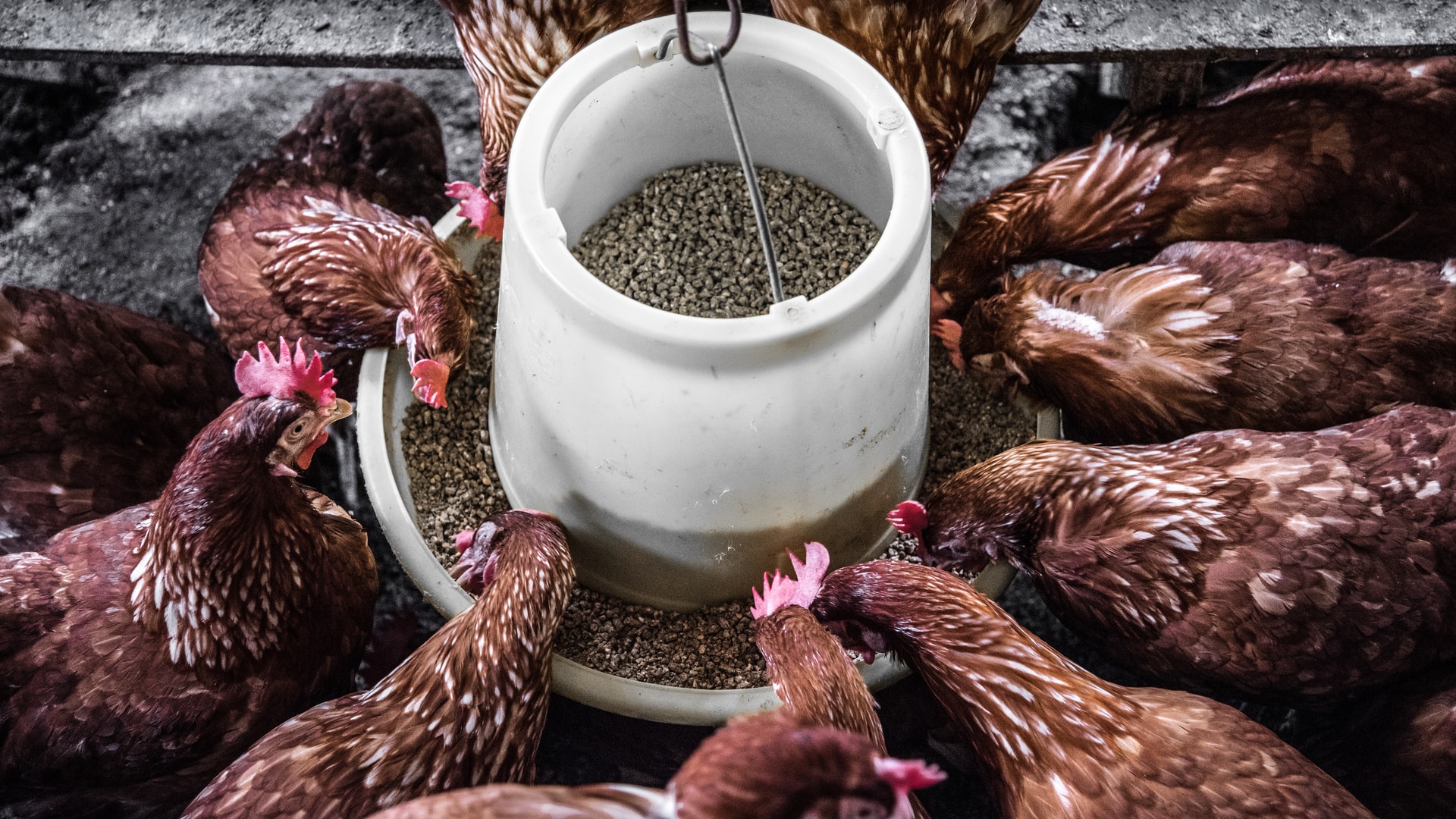
SHAH ALAM, Sept 25 — All chicken farm operators in Selangor with more than 500 birds are required to operate within designated zones and adopt closed-system farming practices.
State executive councillor for infrastructure and agriculture Dato’ Izham Hashim said the policy, introduced last year, would be implemented in every district, with close monitoring by the Veterinary Services Department (DVS) and relevant agencies.
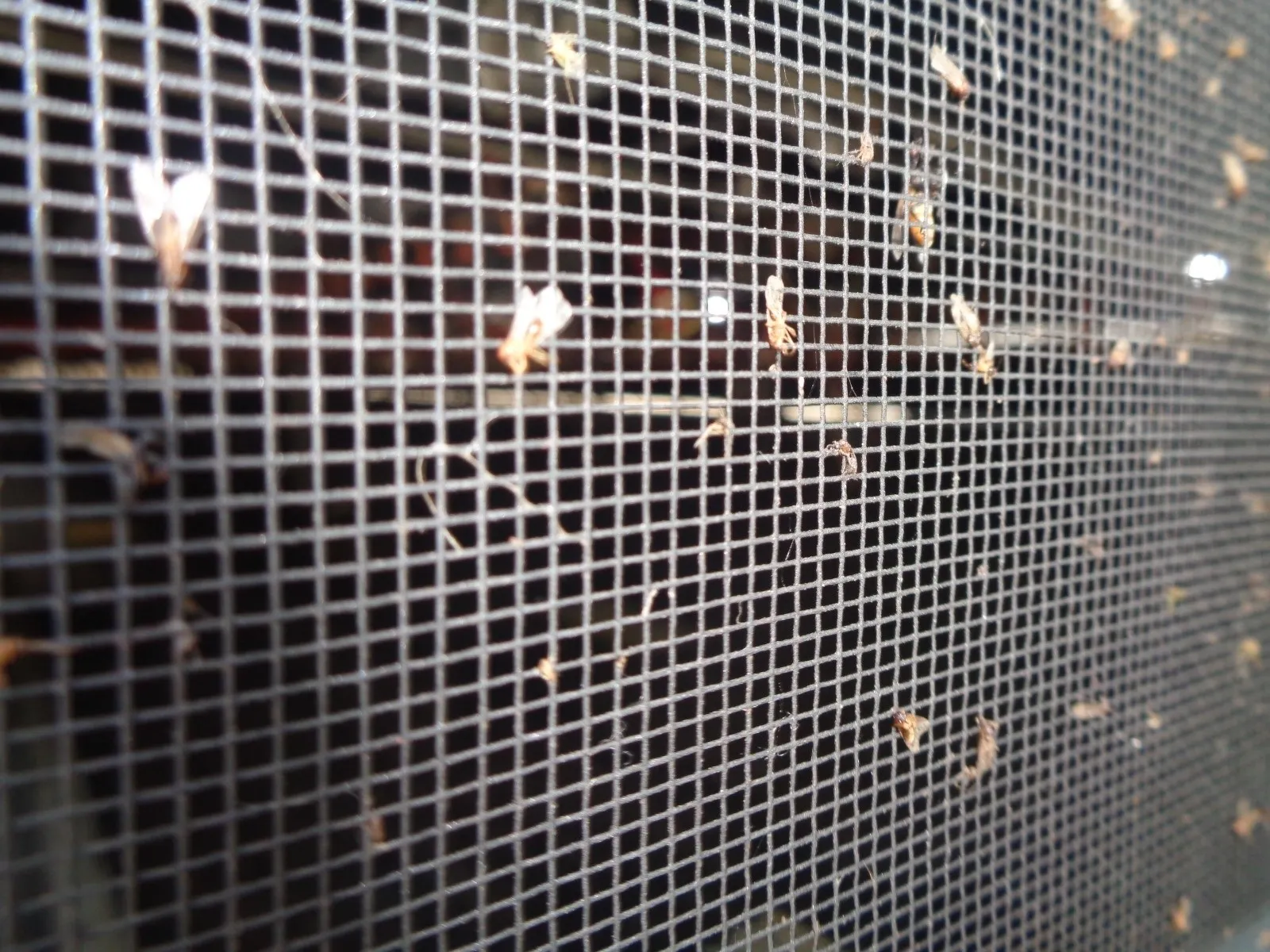
He said the move was aimed at addressing issues including odour and flies while ensuring the comfort of local residents.
“This means that from now on, chicken farms will have designated zones. However, in certain areas, especially those without sufficient space, we will require buffer zones to be included in the plan.
“The livestock area must be at least 200 metres from residential areas. Only then will we allow operations. If it is closer and near residents’ homes, the farm will not be allowed to operate,” he told Media Selangor.

Izham said the zoning system would help reduce the risk of pollution and other disturbances affecting local residents.
He said all chicken farm operators in the state still operating outside designated zones would need to relocate to designated areas.
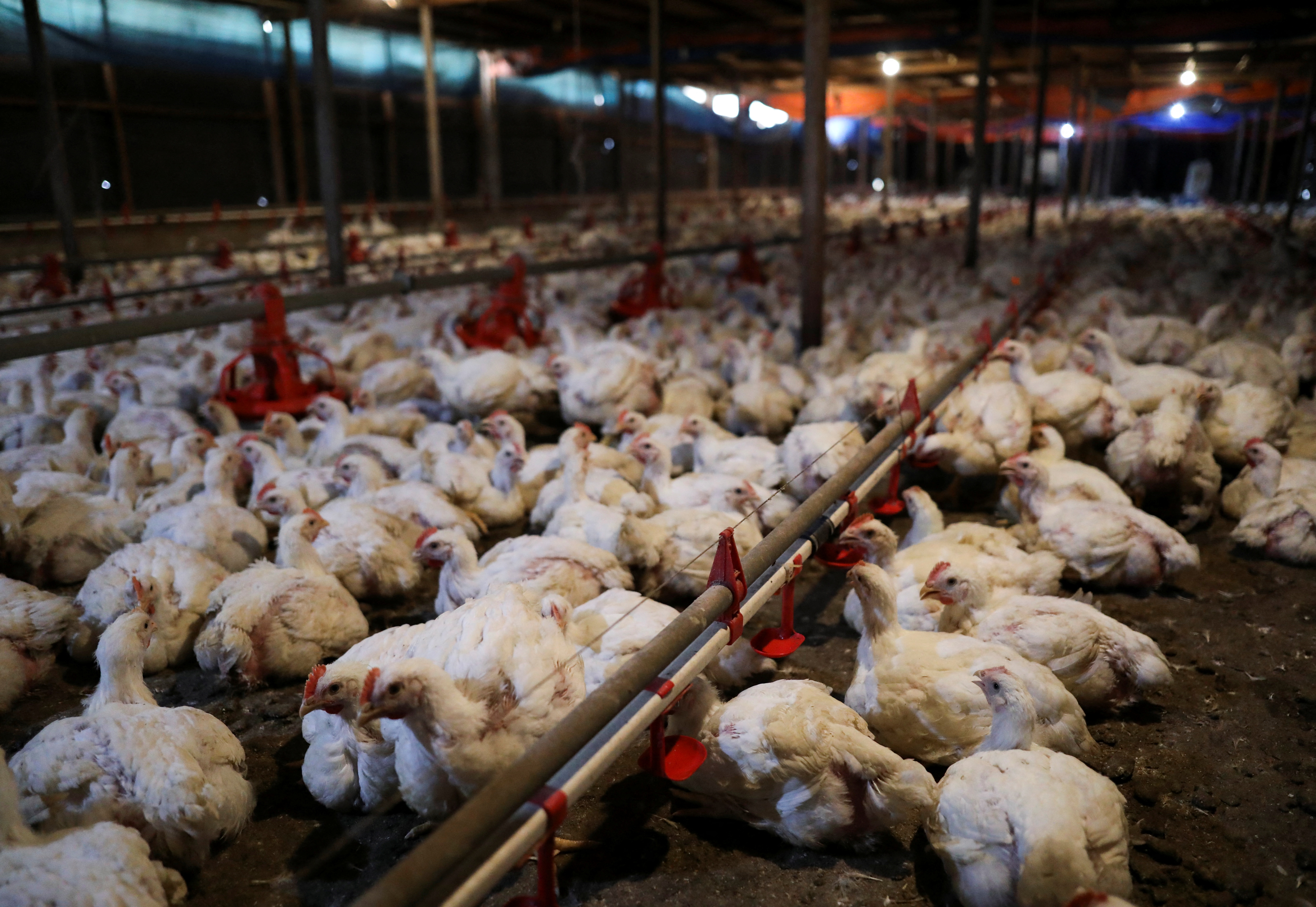
“After a year of implementing this requirement, we have found that many closed systems have been adopted, particularly by new farmers. There are also many existing farms that have already adopted closed systems.
“Over the remaining year, we will review all farmers and identify those who have yet to implement the system before taking action in stages.”
Tightening control
Izham said an engagement session with chicken farmers and operators would be held in October to further explain the transition process and assess the latest developments.
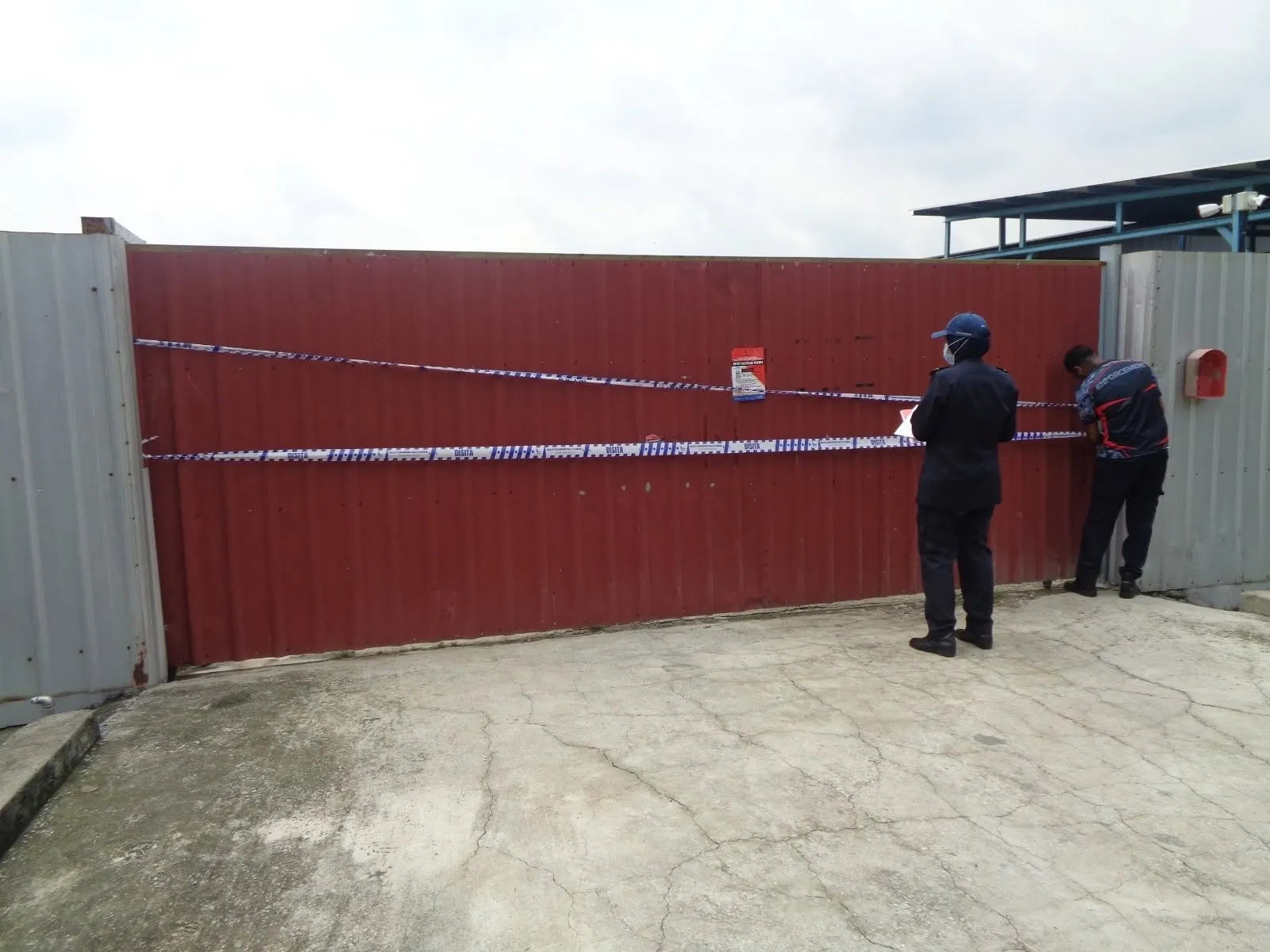
He warned that action would be taken, including the seizure and confiscation of farms, if operators failed to find a solution by 2028.
“Stern action has already been taken against several operators, including those in Kuala Langat. Although we recognise that chicken is a major source of protein, stern action must still be taken.
“We cannot use this as an excuse to deny other people their right to enjoy a better quality of life. To move forward together, we need to raise awareness among operators about the need to properly manage their surroundings.”
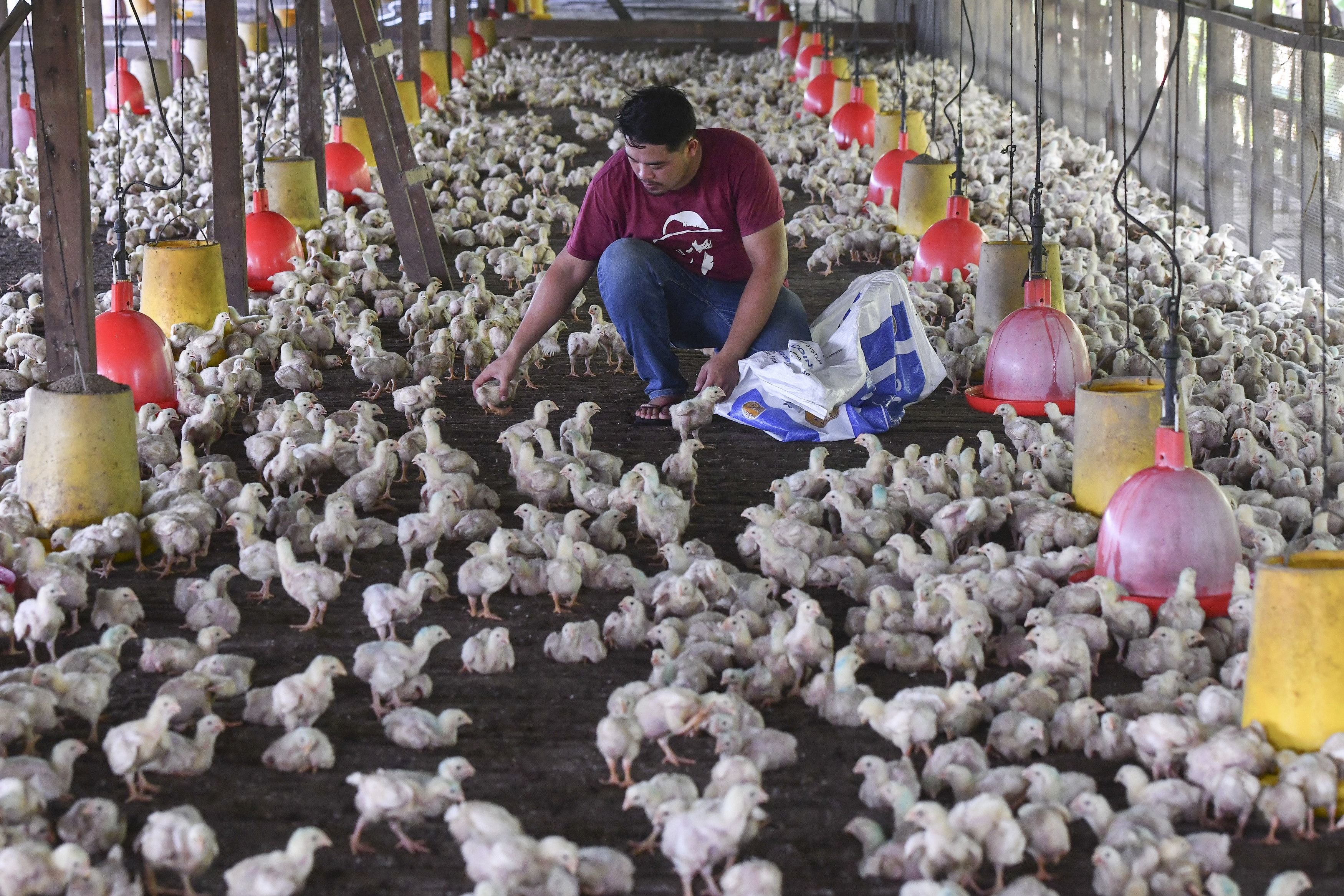
Izham said there are currently 409 chicken farms across the state, of which 235 have valid licences, while the remaining 174 are operating without licences.
He added that the issue was not primarily about location, but rather systematic farm management practices.
“There is a farm in Sabak Bernam that is well-maintained, enclosed and modern, but it faced a fly problem. When we investigated, we found that the farm did not practise proper manure management.
“The farm was close to shutting down, but after we provided assistance and advice, it resumed operations. There are no longer any issues involving odour or flies. That is what we want to achieve at all chicken farms.”
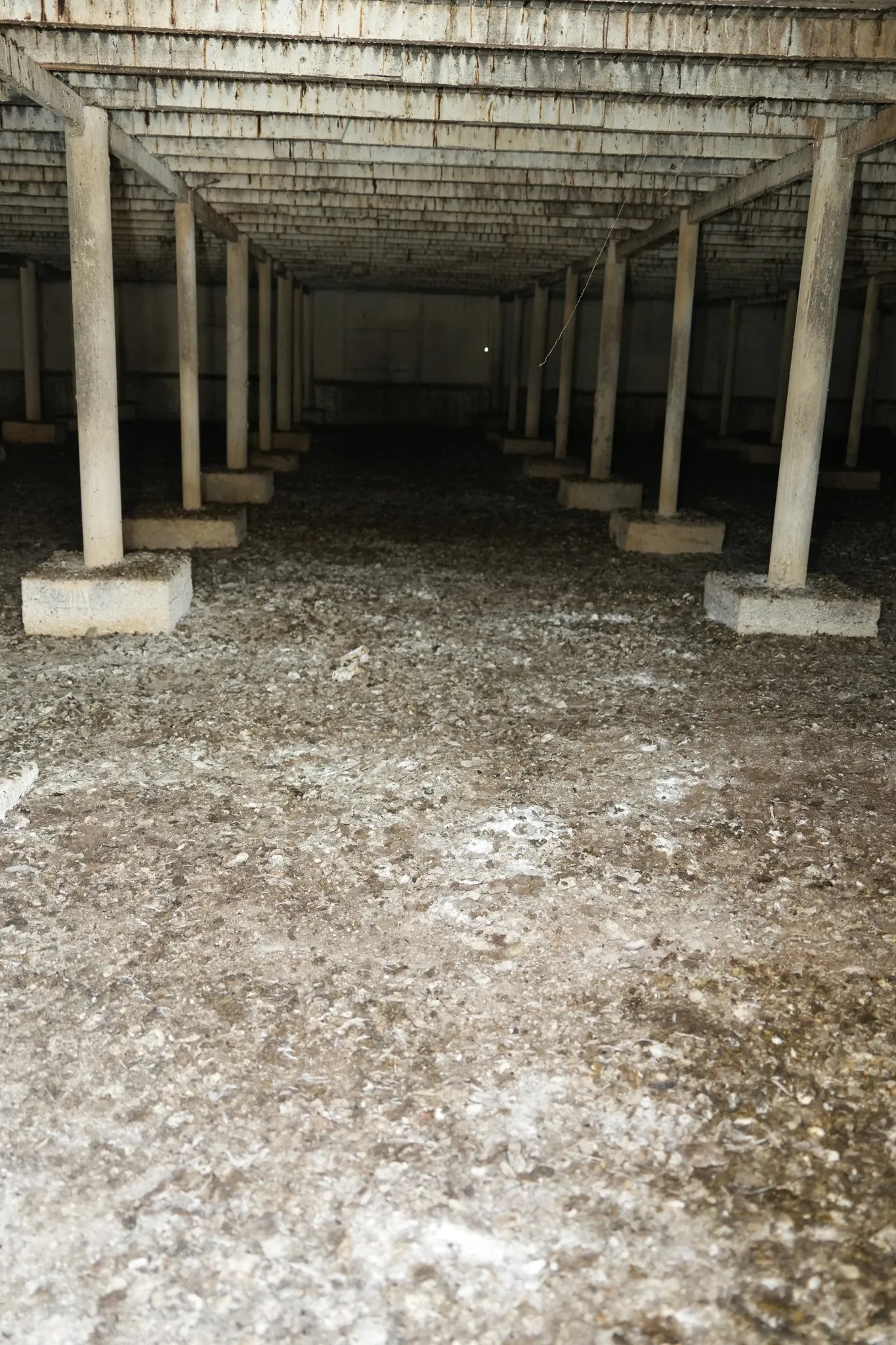
Previously, chicken farms had drawn public complaints over odour and fly pollution in parts of Kuala Langat and Kuala Selangor.
To address the issue, the Selangor government introduced a regularisation programme to consolidate farms in designated areas and require them to adopt closed-house management systems.
Based on a written reply to the Selangor State Legislative Assembly last year, 98 chicken farms of various scales, including small, medium and commercial operations, were identified in Kuala Langat.
At least five farms were ordered to temporarily cease operations last year after their operators failed to comply with waste management, fly control and licensing requirements.
The Kuala Langat Municipal Council also issued hundreds of notification and offence notices during integrated enforcement operations involving various relevant agencies.