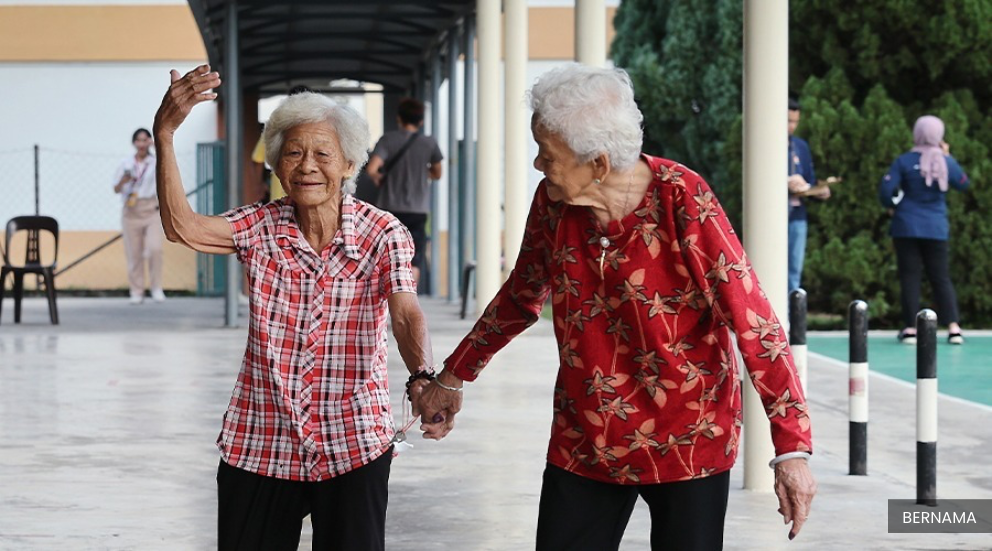
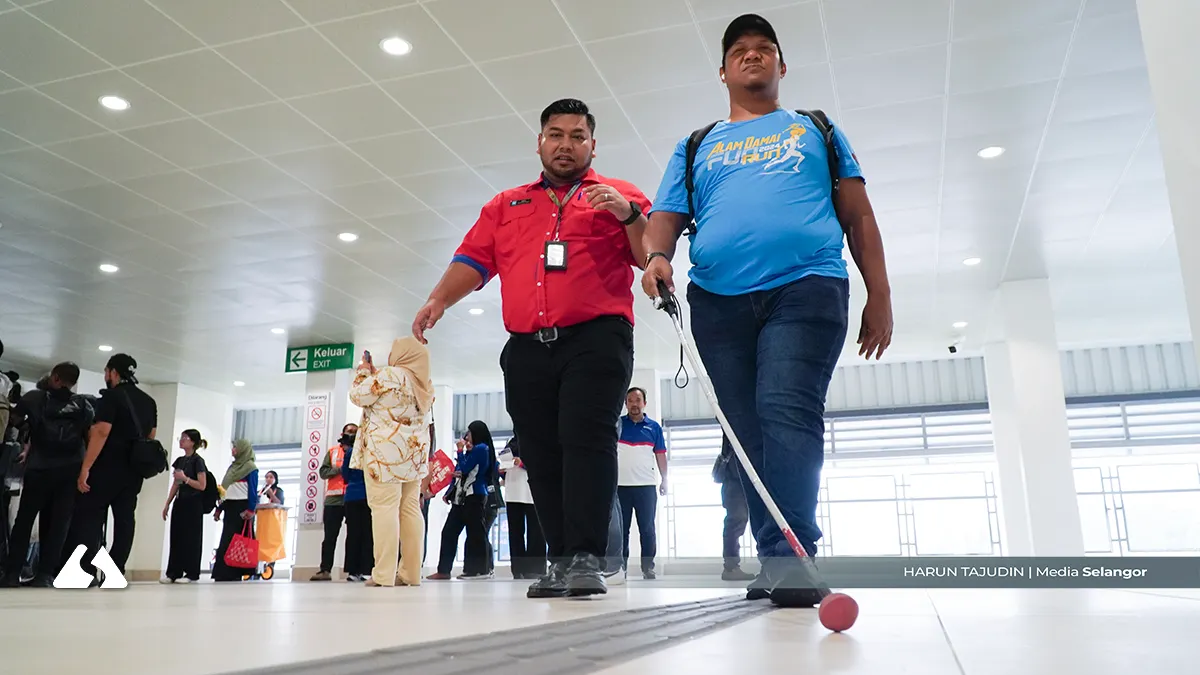
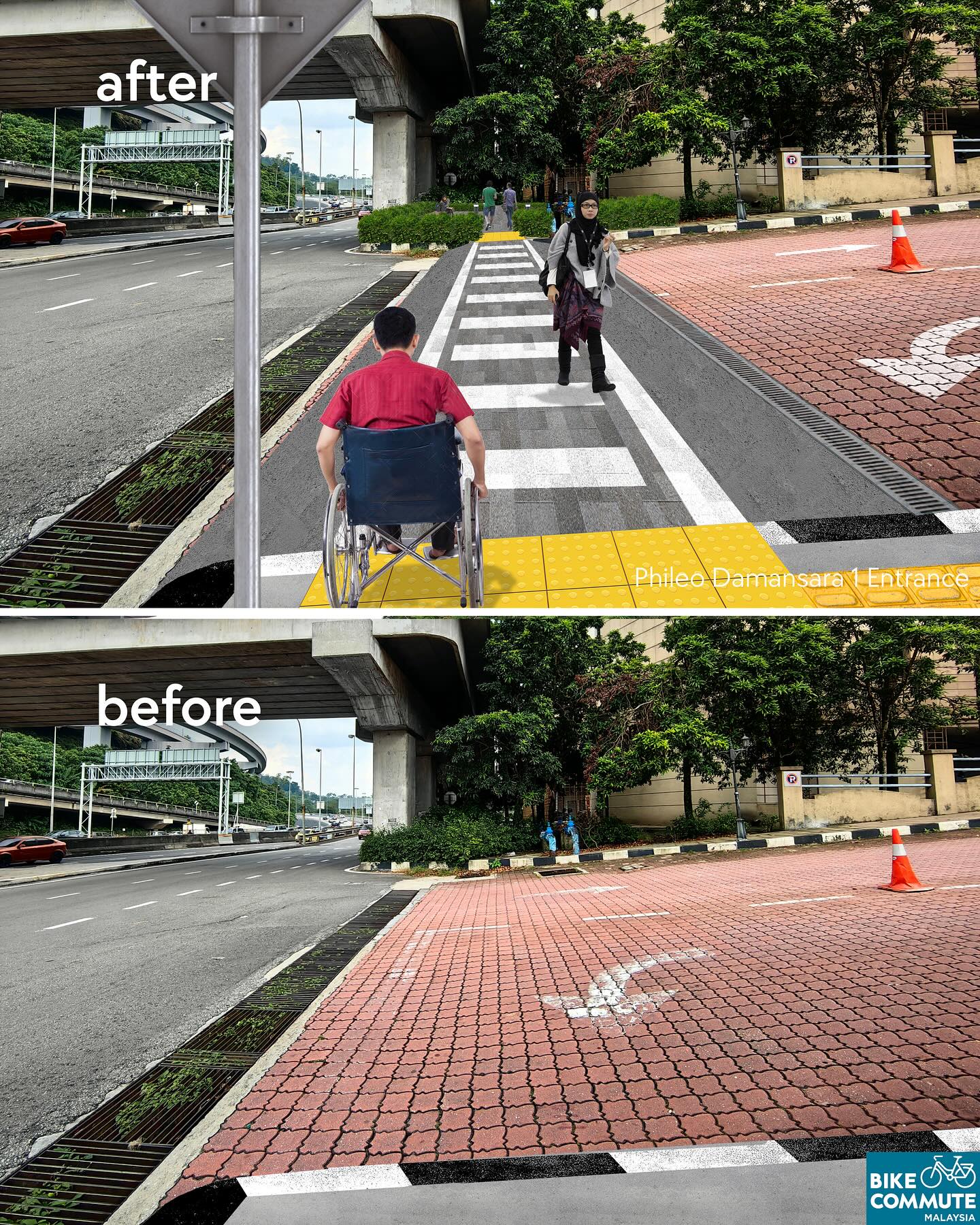
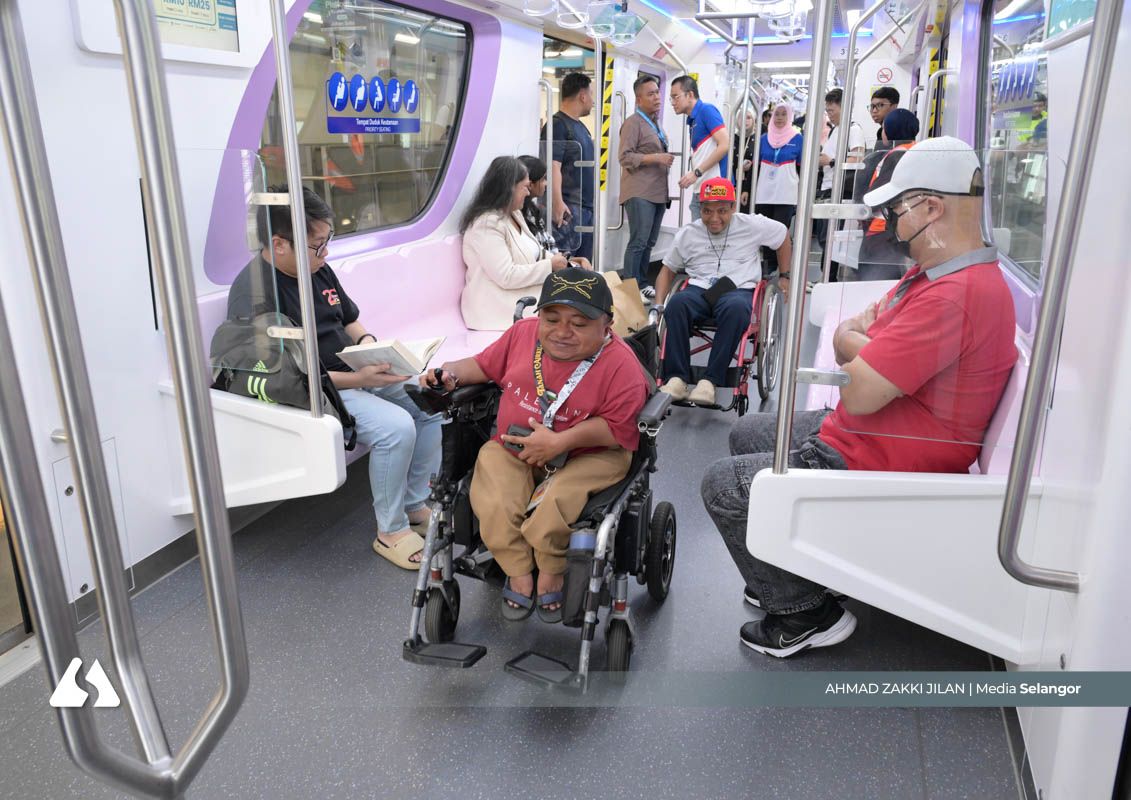
SHAH ALAM, Sept 15 — The Selangor government has been urged to draw up specific guidelines for local councils to ensure that every public facility upgrade incorporates elderly- and disabled-friendly features.
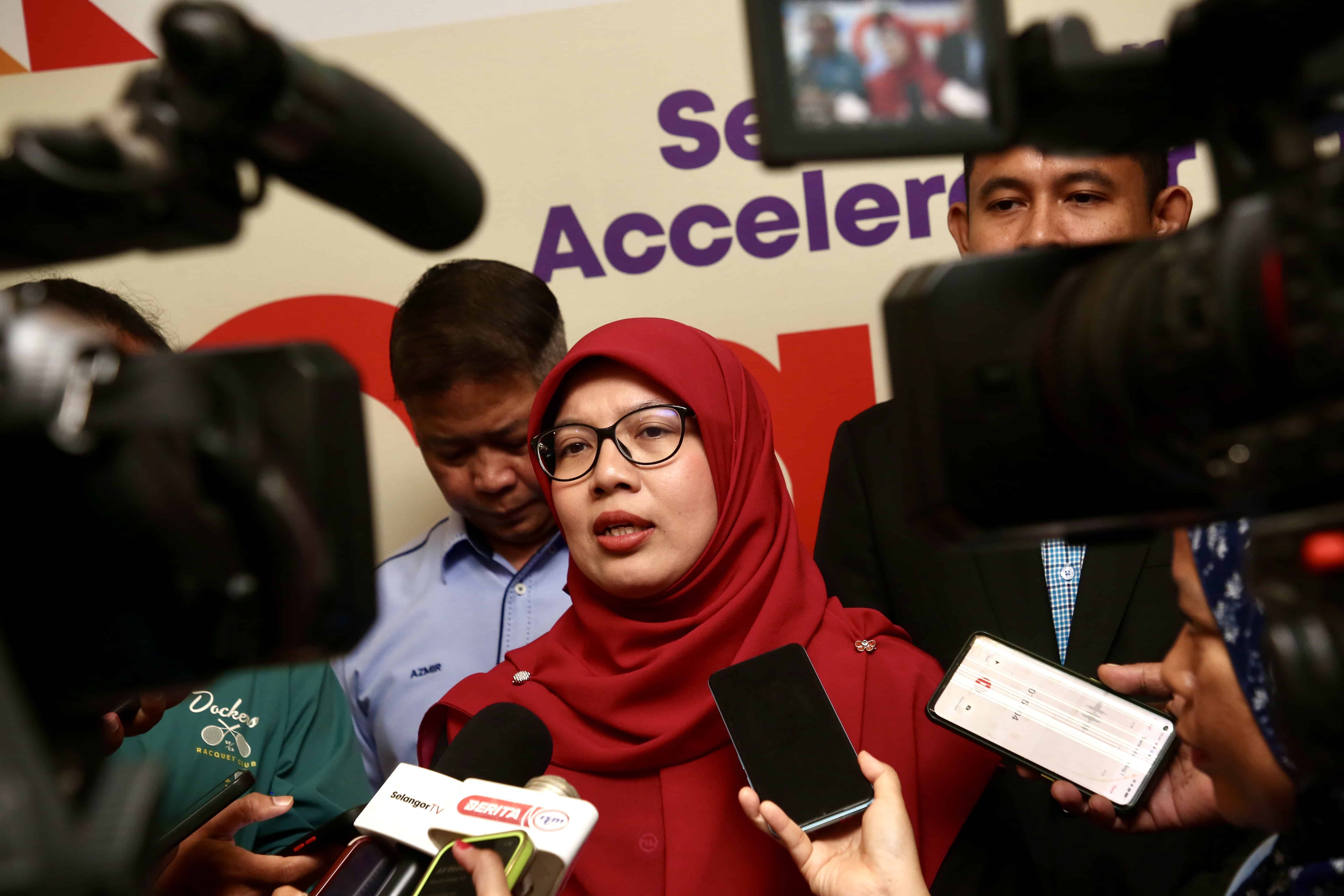
Bukit Lanjan assemblywoman Pua Pei Ling said the move was important to ensure the Selangor Care Economy Policy did not remain merely a policy on paper but was translated into meaningful action at the grassroots level.
“The initiative could be implemented through facilities such as panic buttons, outdoor exercise equipment suitable for the elderly and other features that make public facilities more inclusive.
“I believe having a good policy alone is not enough. We need action that can be directly implemented for the benefit of residents.
“Even if the policy is perfect, if it remains only on paper and is not implemented at the grassroots level, residents will not feel its benefits,” she said.
She said this in a recent interview on Media Selangor’s SKOP Belanjawan Selangor 2027 programme.

Petaling Jaya City Council (MBPJ) became the first local authority to introduce the Petaling Jaya Care Economy Action Plan 2025–2030 as part of efforts to make the city more elderly- and child-friendly.
The initiative was developed in response to demographic changes, with about 12 per cent of Petaling Jaya’s population of more than 800,000 comprising elderly residents.
Pua said Selangor could take pride in being the first state to introduce such a policy, but its benefits needed to be translated into more comprehensive action, particularly for its target groups.
In November 2024, Selangor became the first state to launch the Selangor Care Economy Policy 2024–2030 in preparation for becoming an ageing state, with 8.1 per cent of its population aged 65 and above.
The policy, announced by Menteri Besar Dato’ Seri Amirudin Shari, focuses on five key areas — advocacy and promotion; governance and regulation; trained caregivers and workforce; investment and collaboration; and innovation, technology and data.
It aims to develop a more inclusive, sustainable and resilient care ecosystem encompassing the needs of children, the elderly, persons with disabilities (PwDs) and others requiring care.