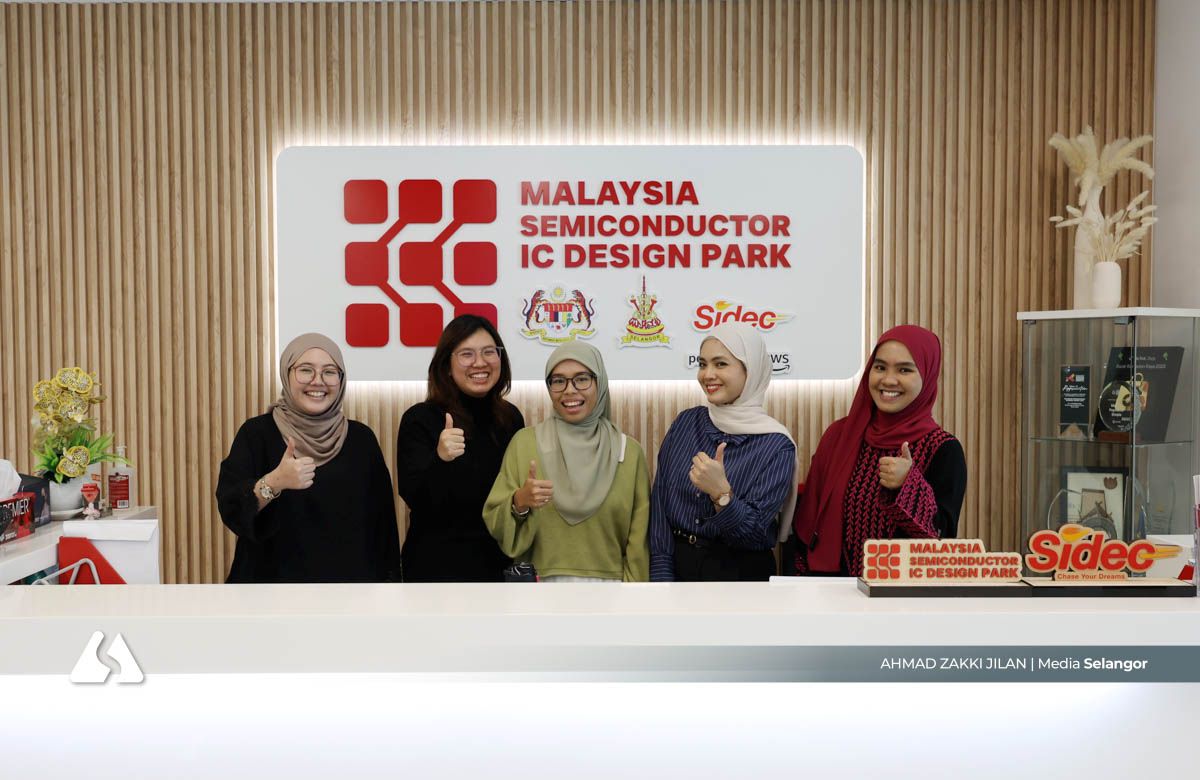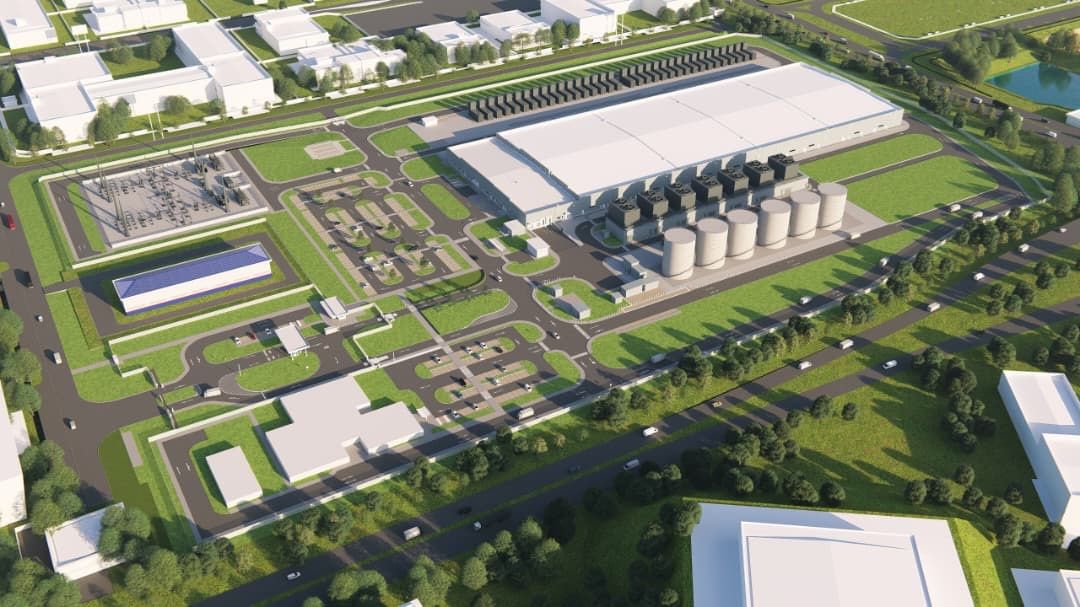
SHAH ALAM, Sept 17 — Selangor is leveraging the rapid growth of data centres in the state to create a market for local integrated circuit (IC) design companies, with new facilities required to source at least 30 per cent of their content locally.
According to the Selangor Information Technology and Digital Economy Corporation (SIDEC), the local content requirement, which covers areas including IC design, cooling systems and related engineering services could channel part of the state’s growing data centre investments towards Malaysian companies.
Its chief executive officer Yong Kai Ping said the move was part of a broader effort to ensure local semiconductor companies have access to customers and opportunities to scale beyond the start-up stage.
“We have deliberately structured support around three interconnected pillars such as funding, customers and market access because strong engineering capability alone is not enough if any one of these is missing,” he told Media Selangor.
Under the Second Selangor Plan (RS-2) development plan, the state aims to become a hub for advanced industries and innovation by 2030, with greater automation, stronger local supply chains and more high-value economic activities.
The plan also seeks to reduce reliance on imports while strengthening local companies and supporting sustainable wage growth.
Among the initiatives under its economic leadership mission are the development of an international standard semiconductor centre, the Selangor Semiconductor Fund to invest in semiconductor companies, and IC Design Park 2 in Cyberjaya to bring Malaysian IC design players together with global industry players.
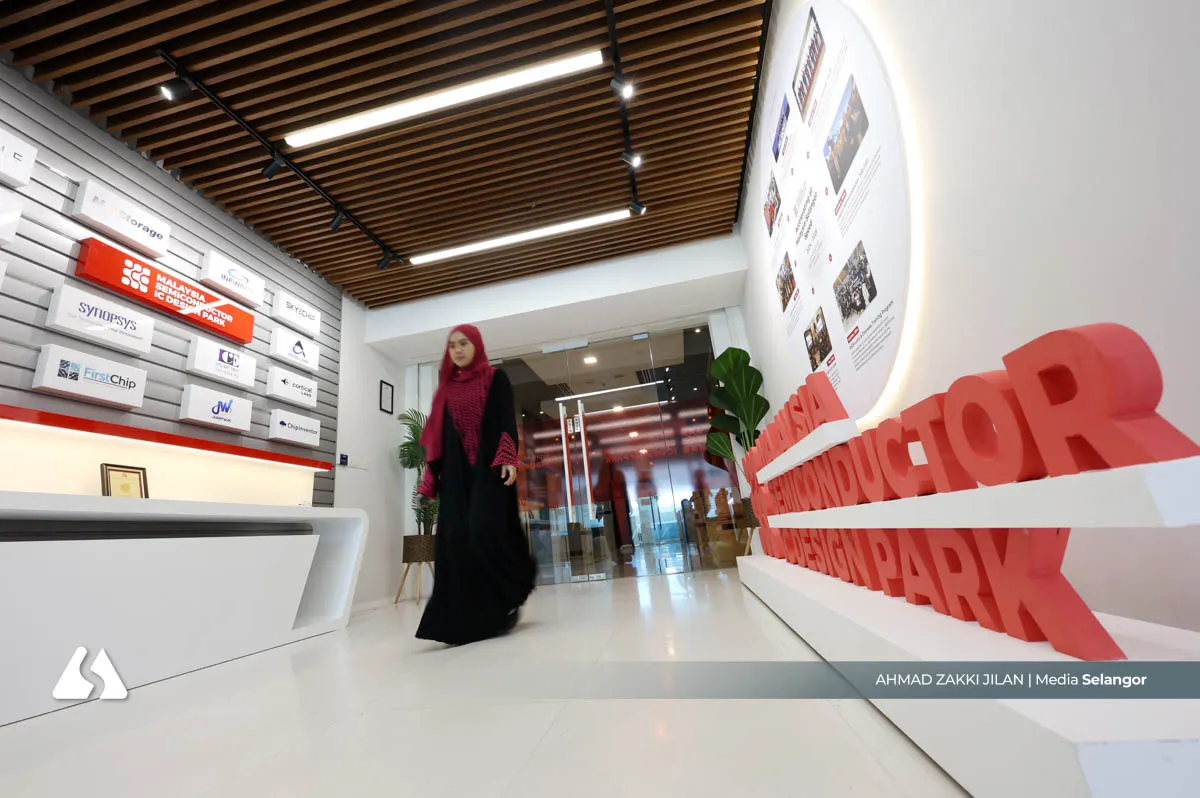
Yong said the approach was particularly important as Selangor works towards its RS-2 target of creating 500 high-paying jobs and producing five companies valued at more than RM500 million through its IC design ecosystem.
He said the main challenge now is to help companies move beyond incubation, as the support required at the growth stage differed from that needed by early-stage firms.
“Getting companies through incubation and enabling them to scale are two distinct challenges.
“The playbook that works for early stage support does not automatically deliver growth stage outcomes,” he said.
Scaling up
Yong said the foundational ecosystem is largely in place, with 20 industry partners now onboard across IC Design Park 1 and IC Design Park 2, while the Advanced Semiconductor Malaysia Academy (ASEM) had trained 850 engineers with a 100 per cent placement rate.
He added that the next phase would focus on providing companies with growth capital, a clear commercialisation pathway, and access to international markets.
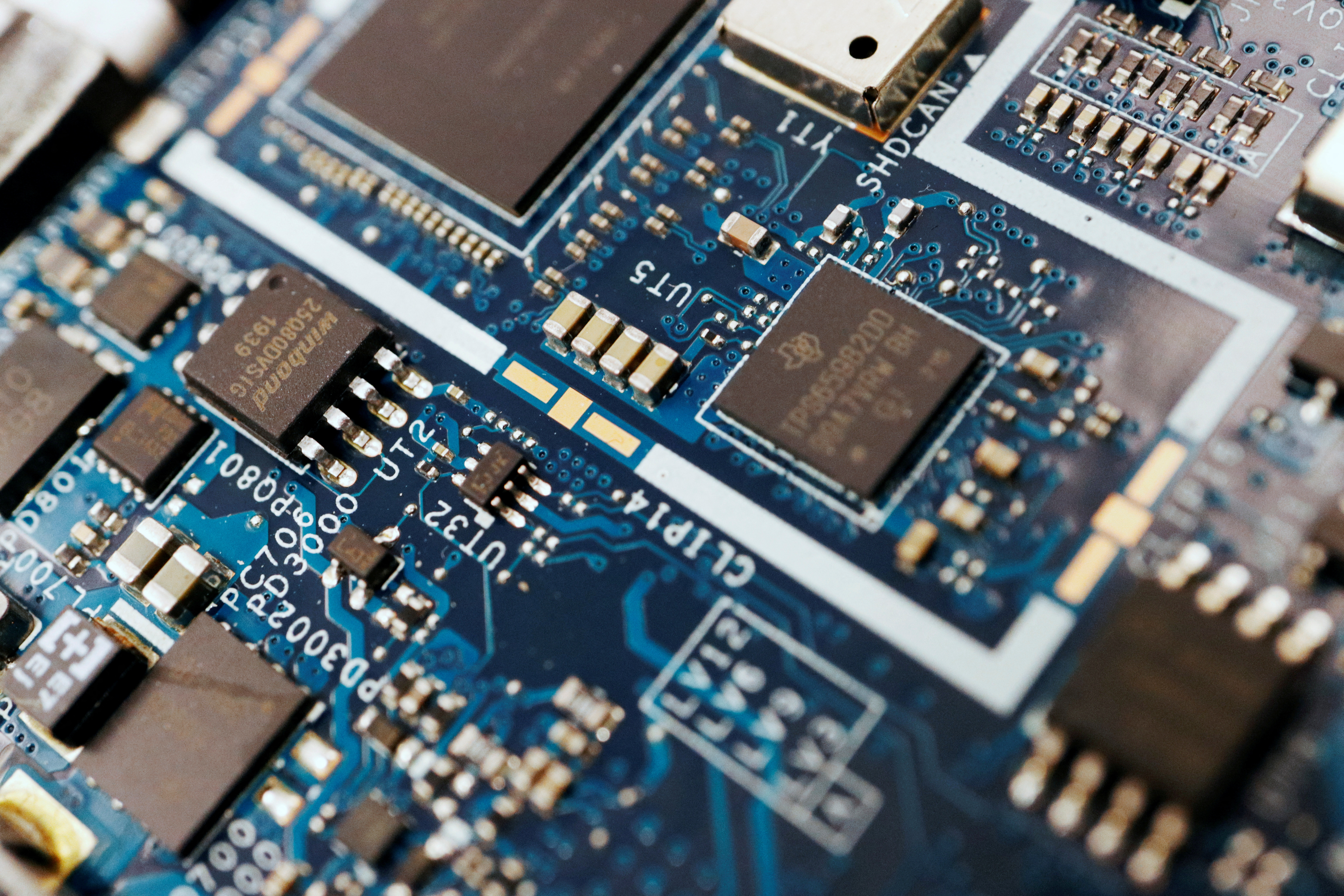
To address funding needs, he said the RM100 million Ehsan Semiconductor Fund under Ehsan Kapital was established to support capital-intensive stages of chip development, including tape-out, testing and packaging, which early-stage grants may not cover.
“On funding, we created a dedicated vehicle rather than leaving companies to navigate the market independently.
“The Ehsan Semiconductor Fund under Ehsan Kapital is designed specifically to support the capital-intensive stages of chip design to tape-out, testing and packaging, which early grants cannot cover.
“The investment committee combines semiconductor technical expertise with venture capital experience, so companies receive both capital and sector-informed guidance,” he said.
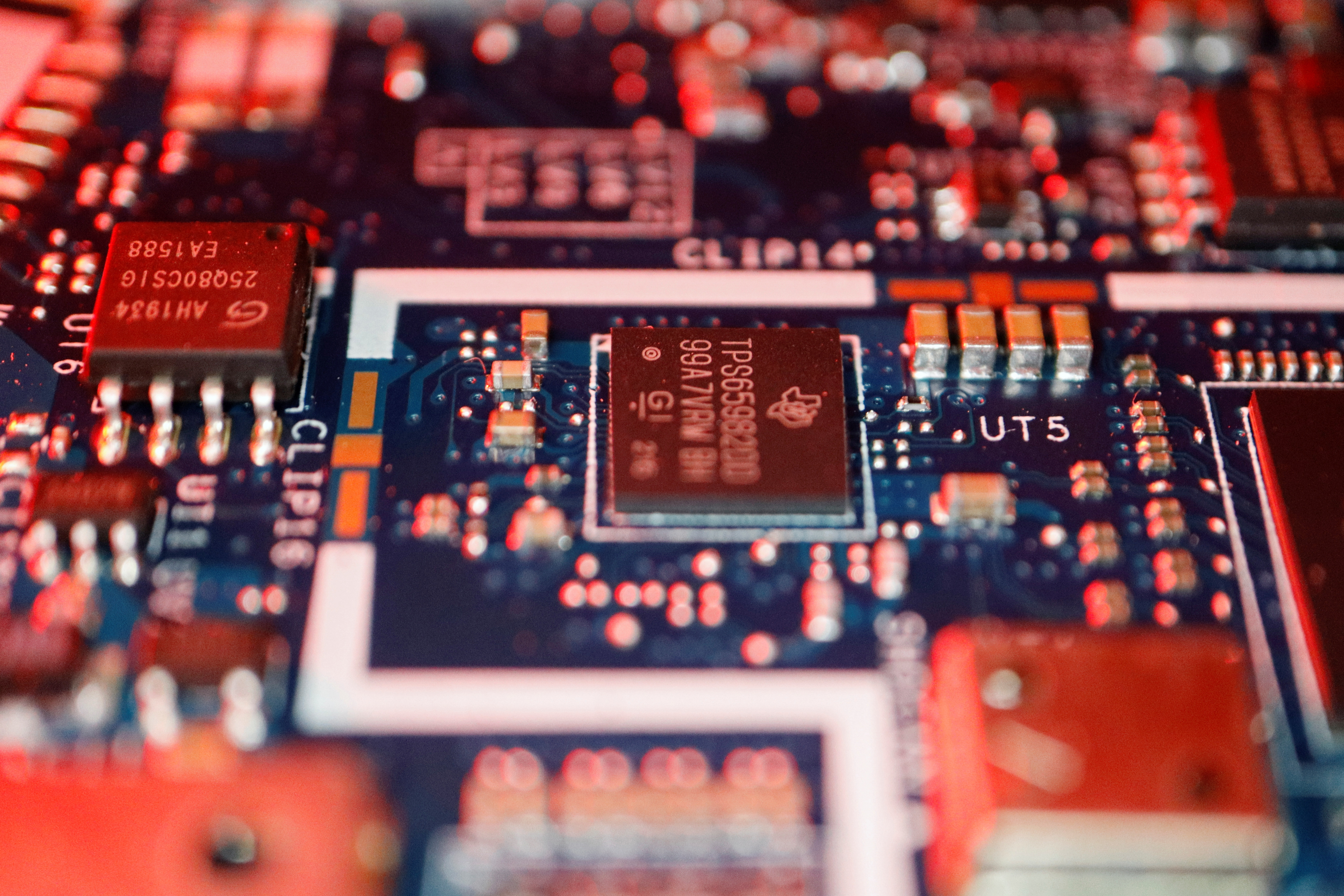
chip
He added that its partnership with ARM Holdings provides tenant companies with access to compute subsystems and arm flexible access tokens, while global players such as Phison, NSW, Weeroc, and Fitipower have also been brought into the ecosystem to facilitate design collaborations.
Yong said companies would also be supported through a four-phase roadmap covering talent development, hardware-software localisation, proprietary intellectual property (IP) development, and commercialisation and global scaling.
He emphasised that the main goal is to help Malaysian-designed technologies enter markets including ASEAN, BRICS, the Global South, and West Asia and North Africa.
Citing SkyChip’s listing on Bursa Malaysia’s Main Market and RM352 million fundraising, as well as GreatAsic’s recent pre-Series A funding of nearly USD$7 million (RM28.4 million), as examples of the type of growth it hopes to replicate.
Future focus
Meanwhile, Yong said Selangor would focus on three semiconductor segments over the next five to 10 years namely automative, the low-altitude economy, and artificial intelligence of things (AIoT).
He said automotive was a natural extension of Selangor’s manufacturing base, whereas drones, electrical vertical take-off and landing (eVTOL) aircraft, and other unmanned aerial vehicles offered opportunities for Malaysia to establish a stronger regional position.
AIoT, meanwhile, he explained, could allow local design houses to develop proprietary IP in areas such as sensors, edge AI accelerators, and connectivity modules.
Yong added these areas would also support its planned Robotic Campus, linking IC Design Park 1 in Puchong, IC Design Park in Cyberjaya, and MRANTI Park into a connected ecosystem involving hardware, software, and talent development.
“AI and advanced computing are no longer standalone segments. They form the enabling layer for automotive, drones and industrial IoT,” he said.