
SERDANG, Sept 7 — Universiti Putra Malaysia (UPM) is exploring the development of rat and pest control technology to help increase rice yields through strategic collaboration with the industry.
UPM’s Putra Science Park director Prof Dr Samilah Roslan said the technology would be developed based on the university’s existing expertise and technologies before being tested for viability in the paddy field ecosystem.
Samilah said the development of the technology not only had the potential to benefit the agricultural sector but could also be expanded for domestic use and at business premises such as restaurants.
“This collaboration is still in the research phase to ensure that the technology developed is compatible with the ecosystem and meets the set standards.
“We will also explore various collaborations with other companies and agencies at various levels so that commercialisation efforts can be realized for the well-being of the people,” she said.
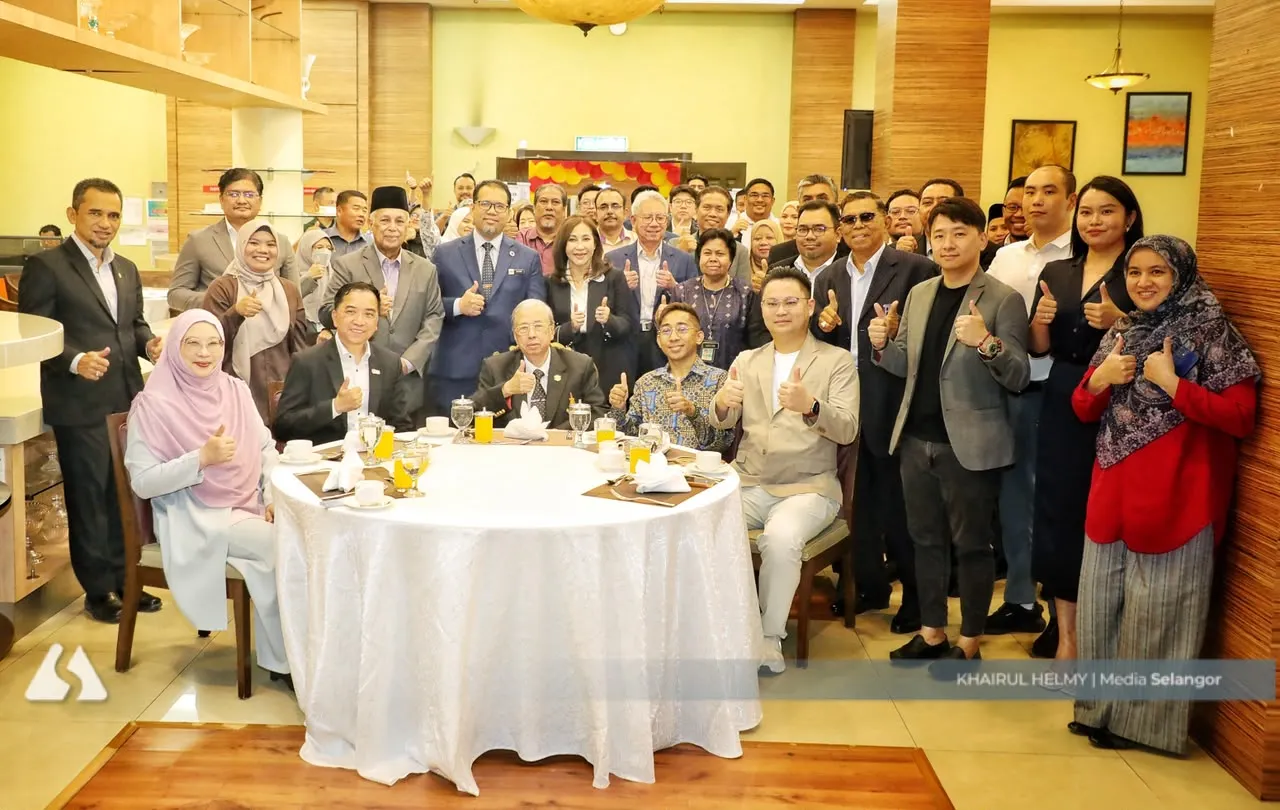
She said this when met at the Strategic Research, Development (R&D) and Technology Commercialisation programme at UPM here today.
Also present at the ceremony was Tengku Panglima Besar Selangor Tengku Abdul Samad Shah Alhaj.
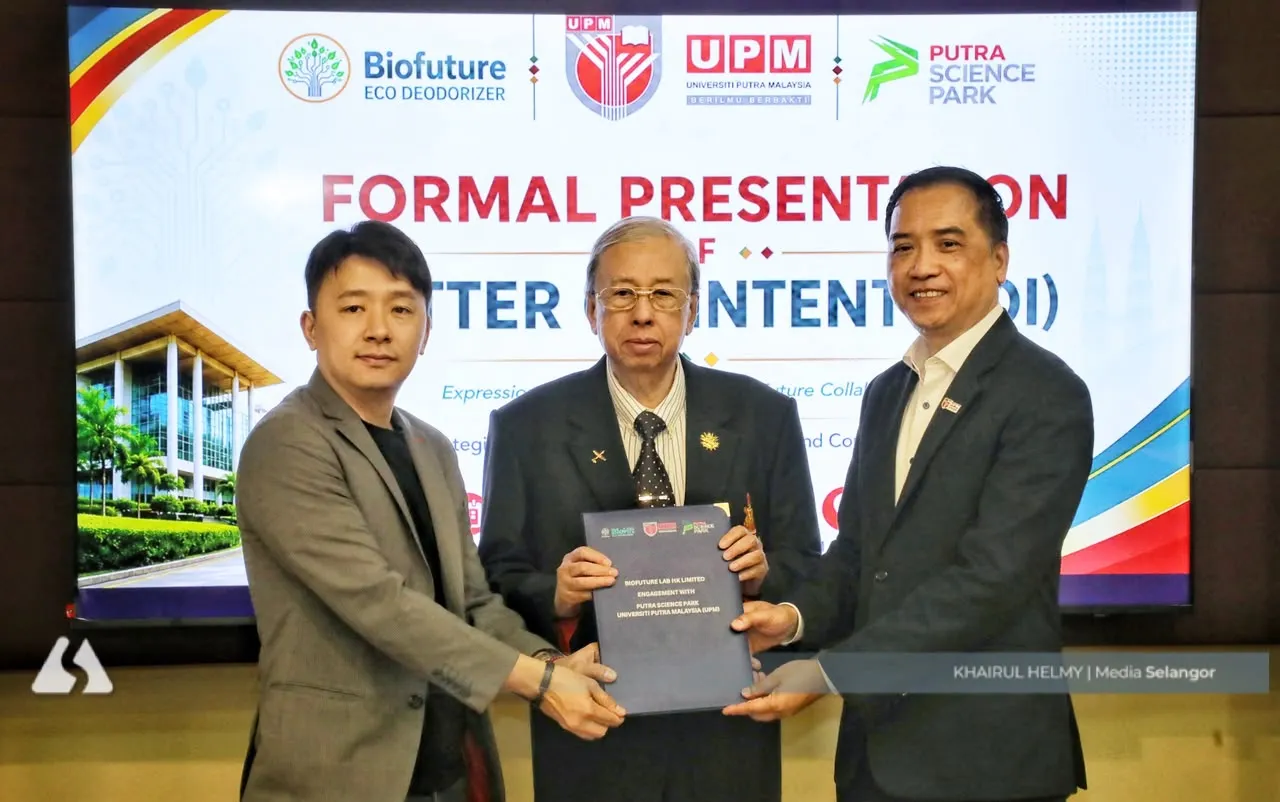
At the same ceremony, His Majesty witnessed the exchange of Letters of Intent between BioFuture Lab HK Limited, represented by Luby Chun YC, and UPM deputy vice-chancellor (research and innovation) Prof Dr Zamberi Sekawi.
In a related matter, BioFuture Lab HK Limited director Luby Chun YC said the collaboration reflected his company’s commitment to exploring opportunities for technology applications in the industry.
He said industry involvement was important to ensure that innovations developed could be adapted to the actual needs of the market before being expanded for use by the community.
“This collaboration also provides an opportunity for the industry to understand the expertise and capabilities available at UPM in addition to sharing the company's technology and aspirations for the Malaysian market.
“Industry involvement is important so that the technology developed can be adapted to the actual needs of the market before being expanded for community use,” he added.