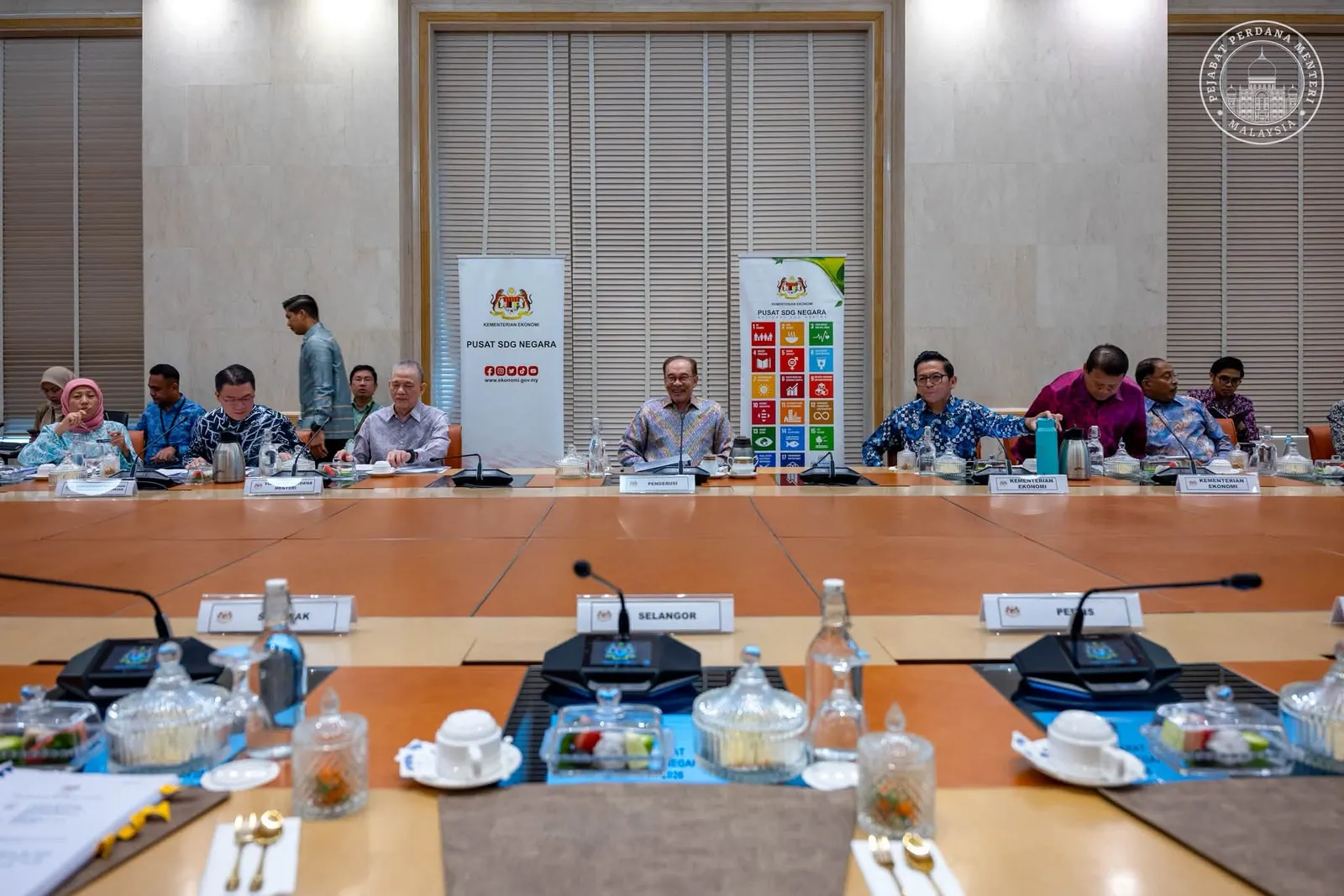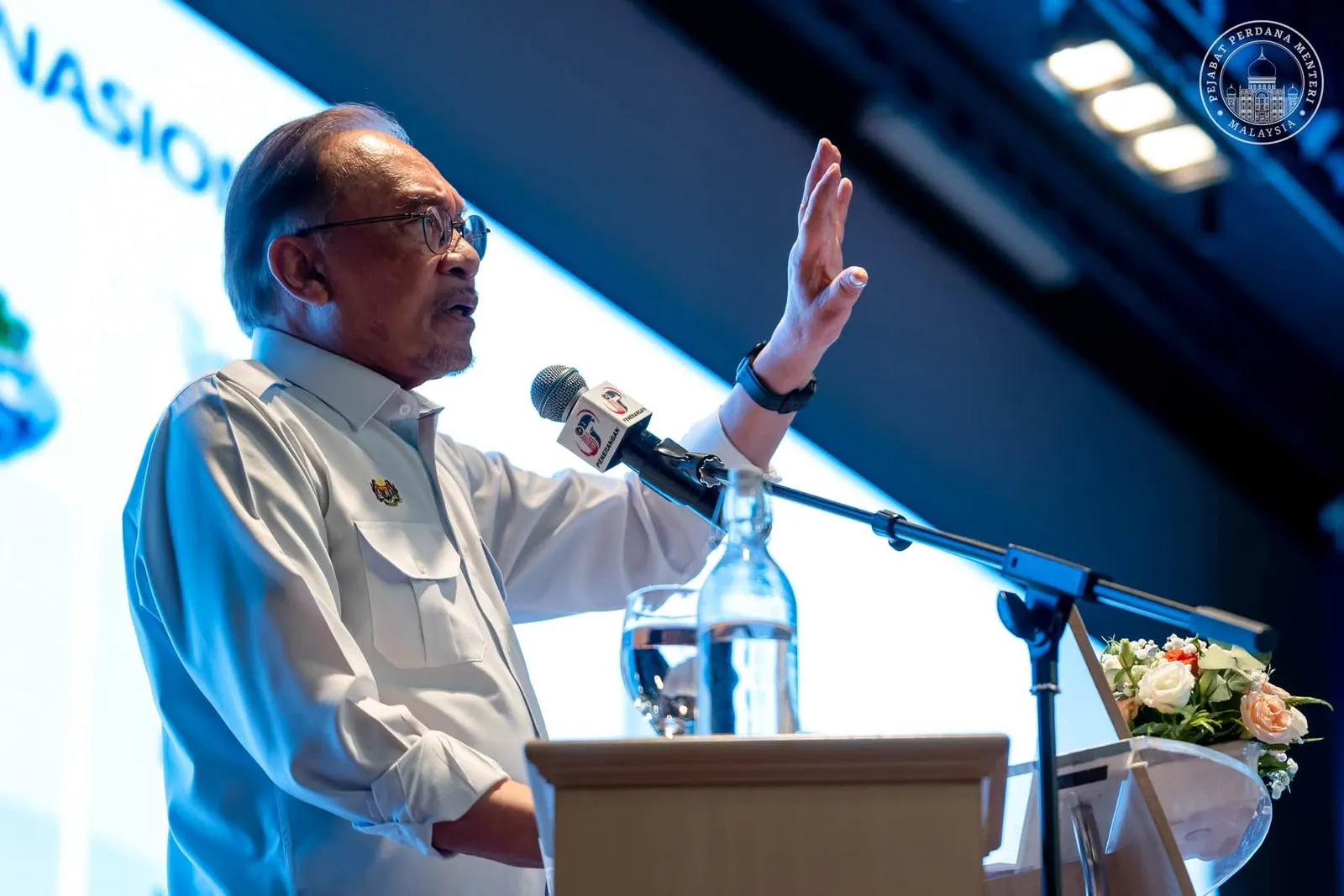
SHAH ALAM, Sept 6 — Despite deteriorating air quality affecting parts of Malaysia, especially in Sarawak, Prime Minister Datuk Seri Anwar Ibrahim has expressed solidarity with Indonesia as the country grapples with volcanic disasters and haze from forest fires.
Anwar said he had contacted former Indonesian president Joko Widodo, who is currently in Penang to attend the Penang Peace Dialogue, before heading to the Malaysia Agriculture, Horticulture and Agro-tourism Exhibition (MAHA) 2026 today.
In his statement today, Anwar said he apologised for being unable to meet Jokowi in person due to a previously scheduled engagement with farmers, breeders, agriculturalists and the agro-community at MAHA 2026.
“We exchanged news in a warm and friendly atmosphere, while I also expressed my solidarity with our brothers and sisters in Indonesia following the volcanic disaster and the haze challenges currently being faced,” he said.
Anwar said Malaysia and Indonesia were not merely neighbouring countries, but two countries with close historical and cultural ties.
“Positions and responsibilities may change hands, but friendship and mutual respect will endure,” he said.
He said Malaysia would continue to safeguard the ties between the two countries for the well-being of their people as well as the peace and prosperity of the region.
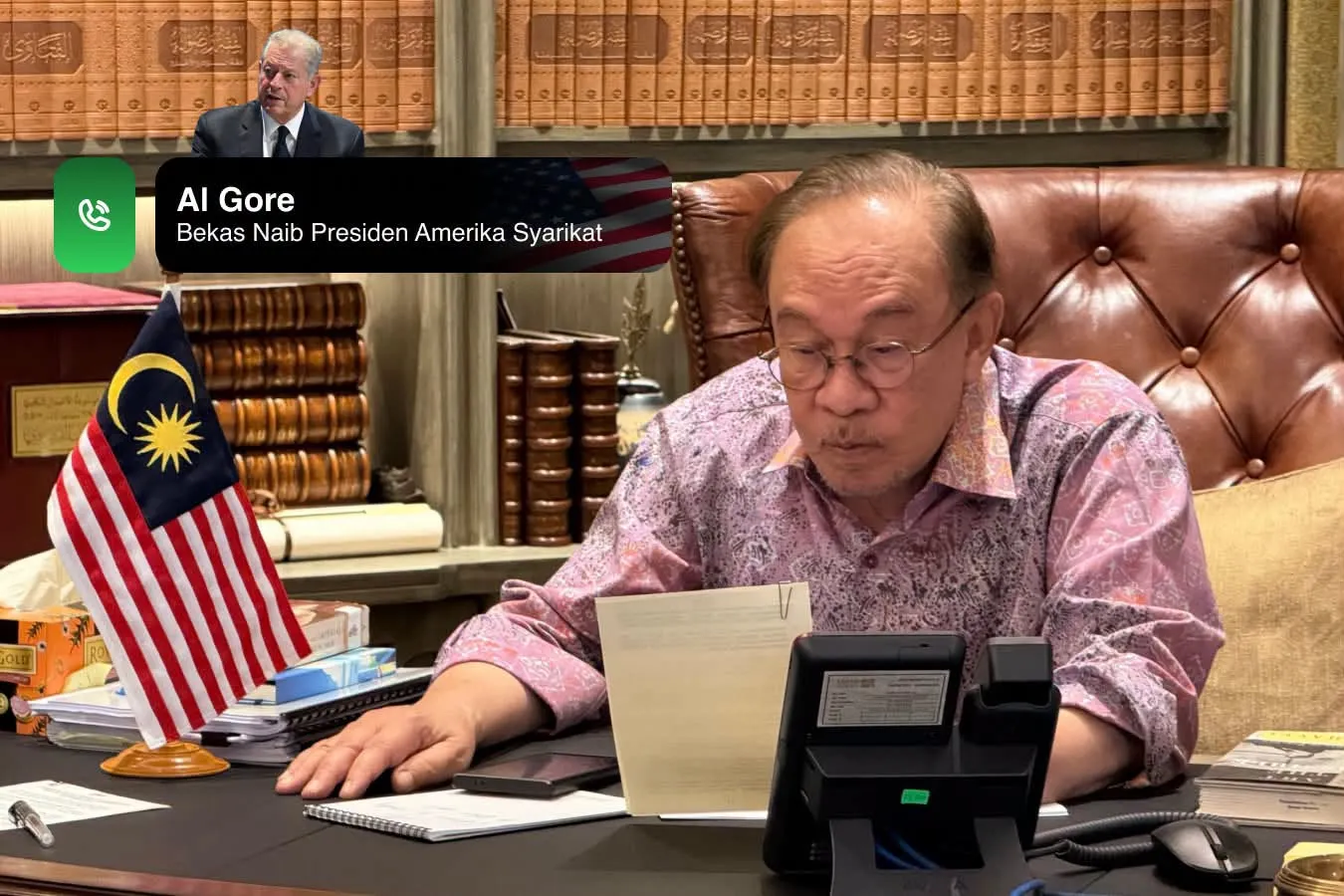
In a separate statement, Anwar also said he had spoken with former United States vice-president Al Gore to exchange views on global climate change challenges, particularly as Malaysia faces haze following forest fires in Indonesia.
He said their discussion covered Malaysia’s commitment and ongoing efforts towards an energy transition from dependence on fossil fuels to cleaner and more sustainable energy sources.
“This effort is in line with the MADANI Government’s commitment to building a country that is not only progressive and economically resilient, but also responsible for preserving environmental sustainability for the well-being of future generations,” he said.
Anwar also invited Gore to visit Malaysia to continue their discussions and explore more meaningful avenues for cooperation in addressing climate change and accelerating the country’s energy transition agenda.
His remarks come after air quality in several areas in Malaysia worsened, particularly in Sarawak, which recorded unhealthy and very unhealthy air quality amid haze conditions linked to forest fires in Indonesia.
Malaysia has faced transboundary haze from Indonesian land and forest fires for nearly 30 years, with major regional crises dating back to at least 1997, with recurring crises driven by dry-season slash-and-burn agricultural practices.
The 1997 crisis remains one of the most severe on record, prompting ASEAN nations to sign a transboundary haze agreement in 2002.
However, major environmental and public health disruptions have continued to return during intense dry seasons including historic emergencies in 2005, widespread regional smoke in 2015 and 2019, and the ongoing severe fires in 2026 that have triggered toxic air warnings and school closures across several Malaysian states.