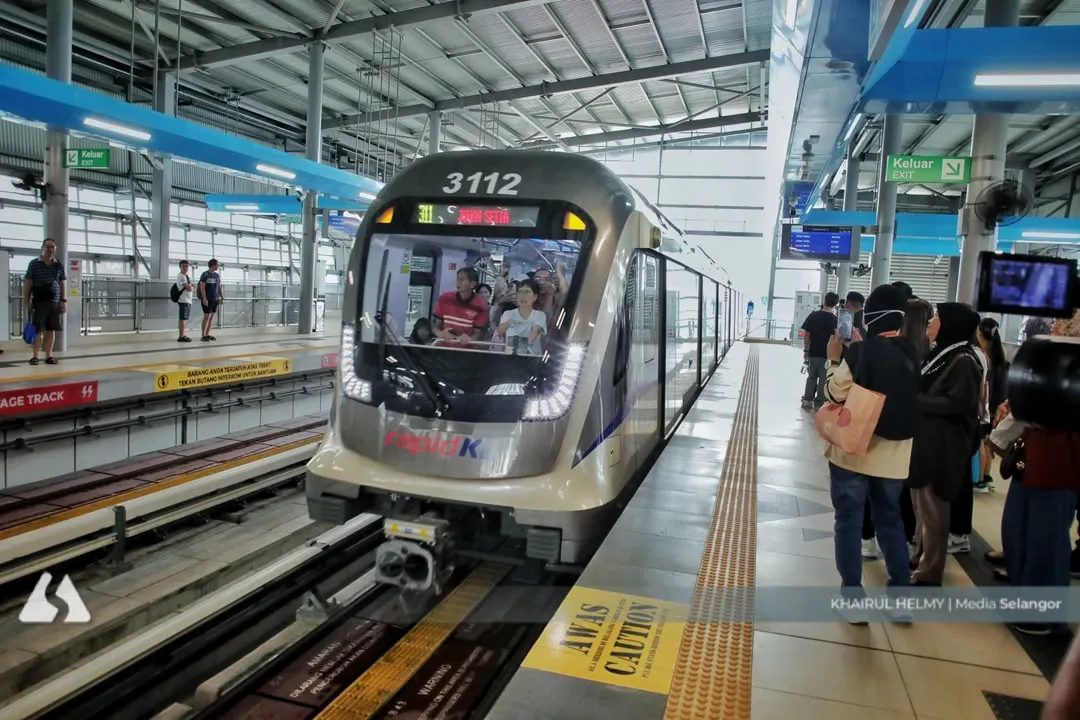
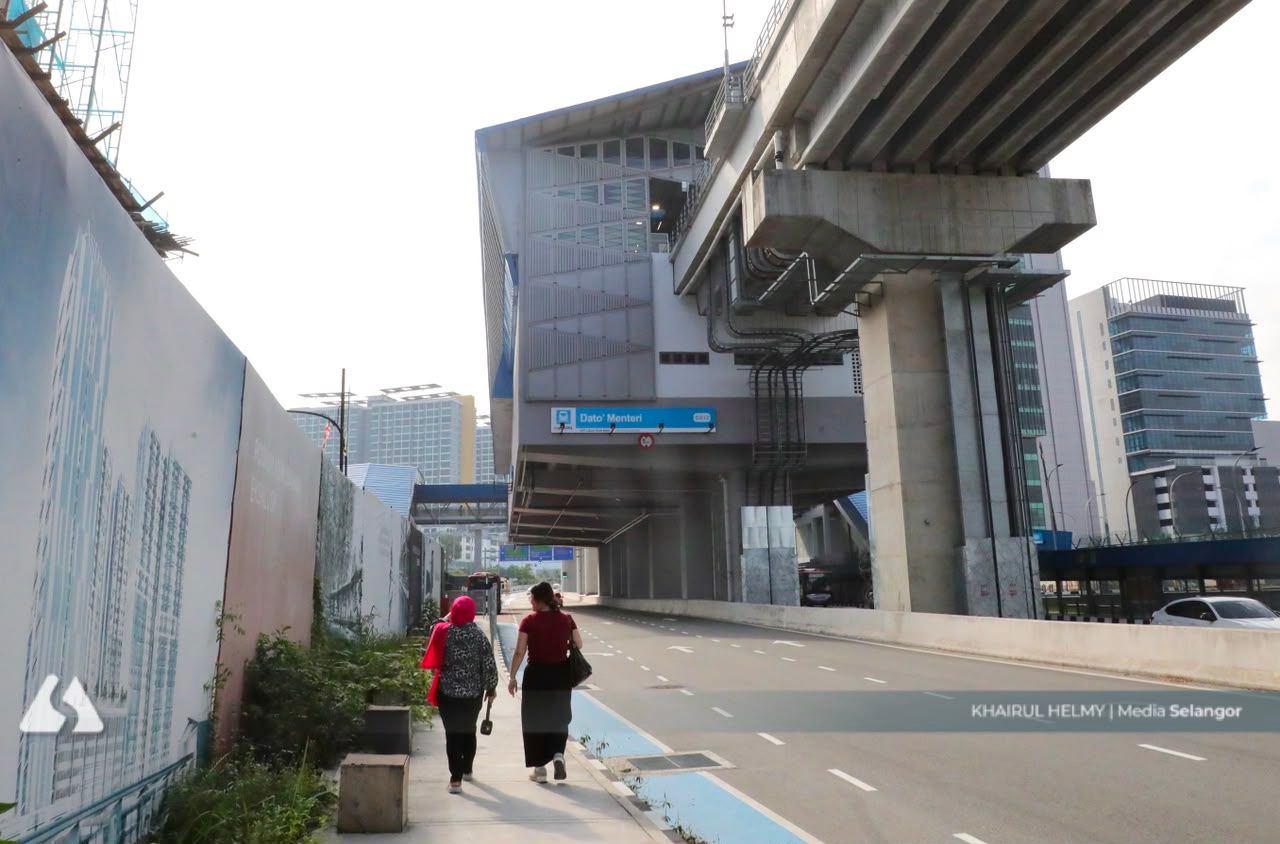
SHAH ALAM, Sept 3 — Safety, punctuality and reliability are among the key factors that need to be addressed to encourage more people to switch to public transport, according to an urban planning expert.
Universiti Teknologi Malaysia’s (UTM) Urban and Regional Planning Department senior lecturer Gobi Krishna said improvements to public transport networks and facilities must be matched by better service quality to build users’ confidence.
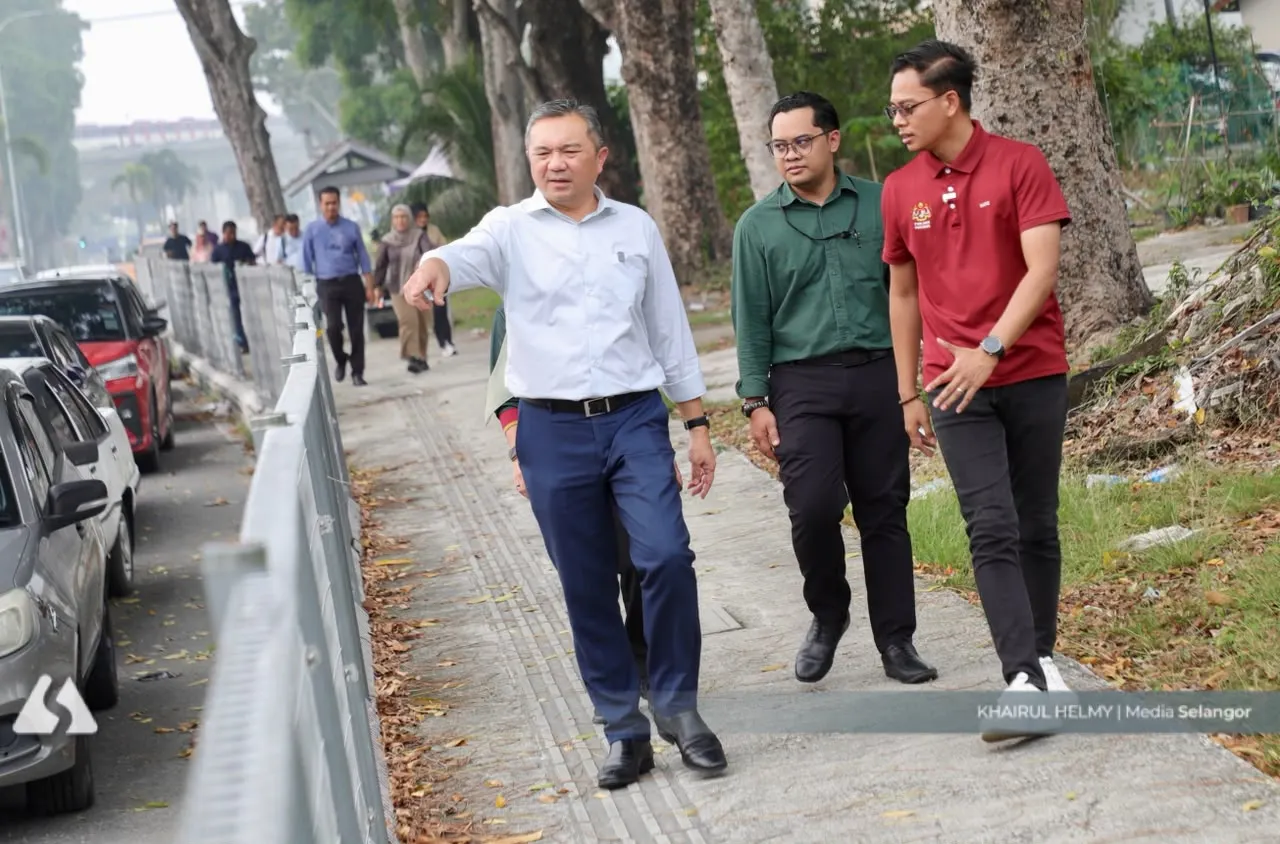
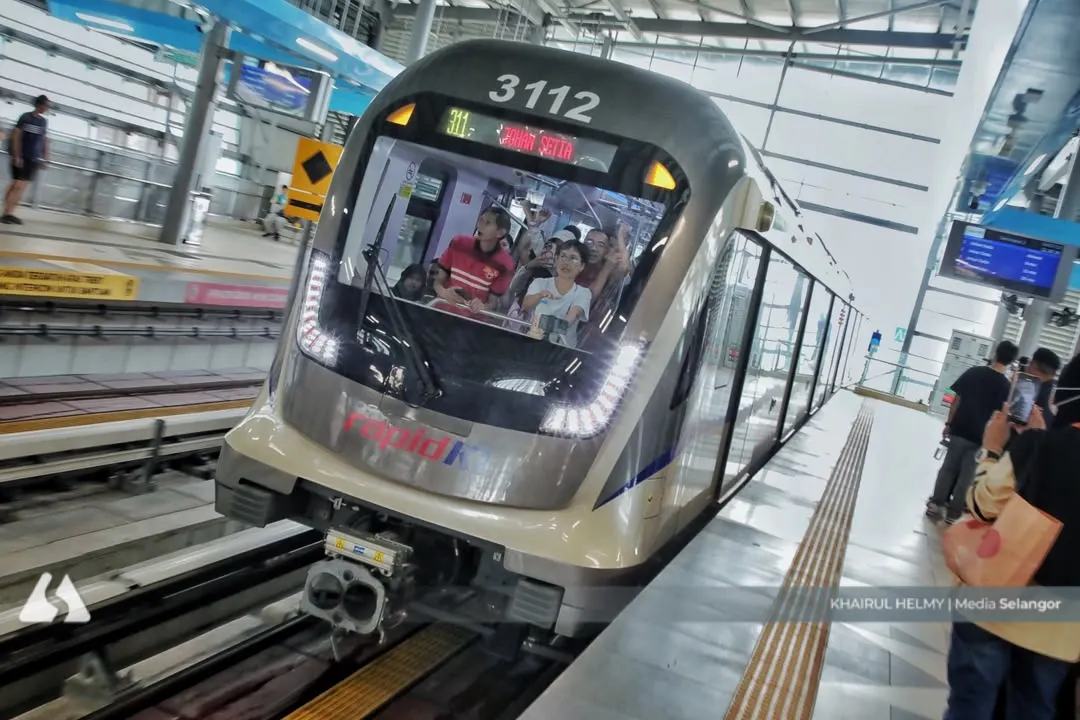
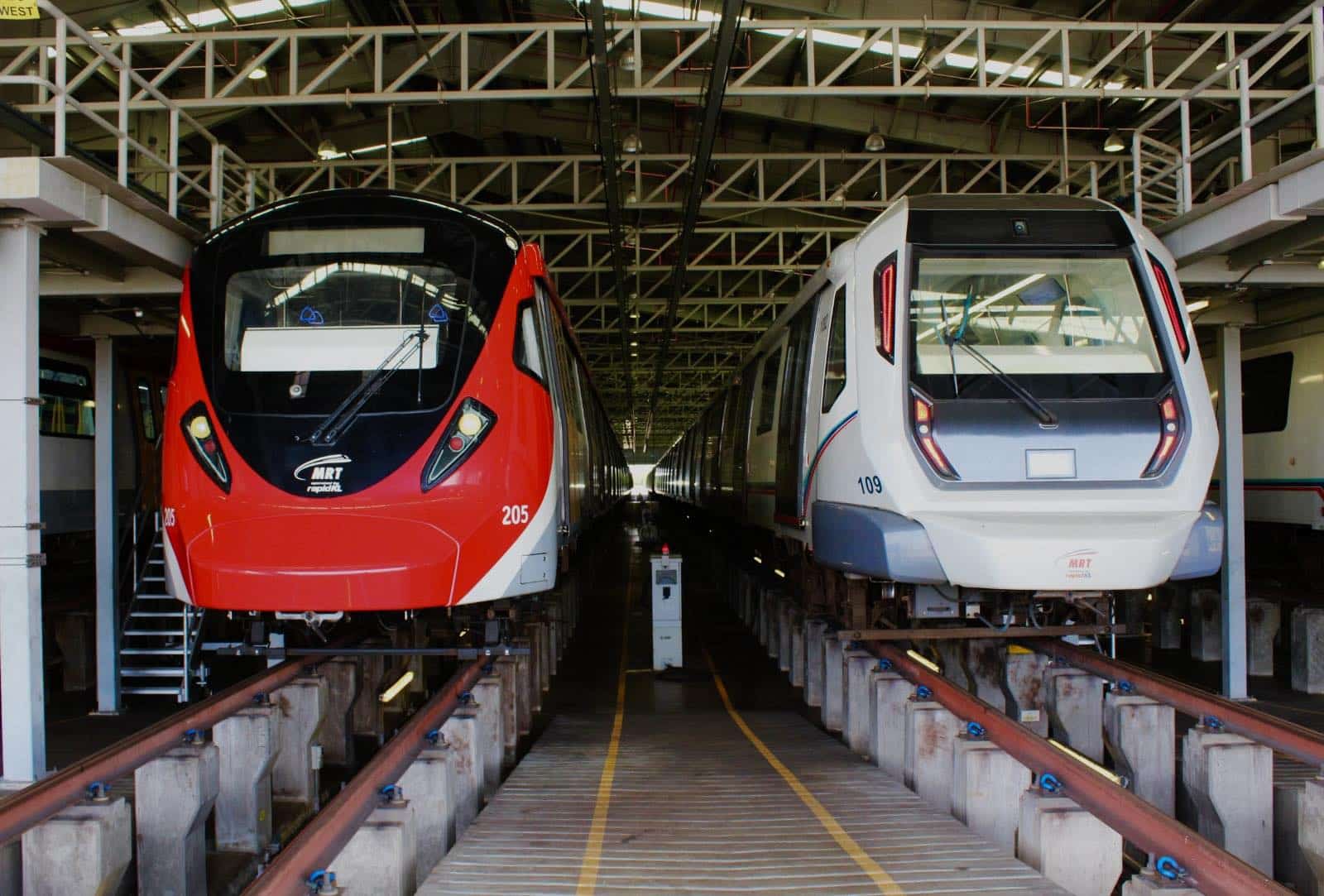
“Safe environments need to be created so passengers feel confident walking from (MRT) and (LRT3) stations to their homes or destinations, particularly at night.
“This will encourage more people to utilise public transport,” he said in a recent interview with Media Selangor.
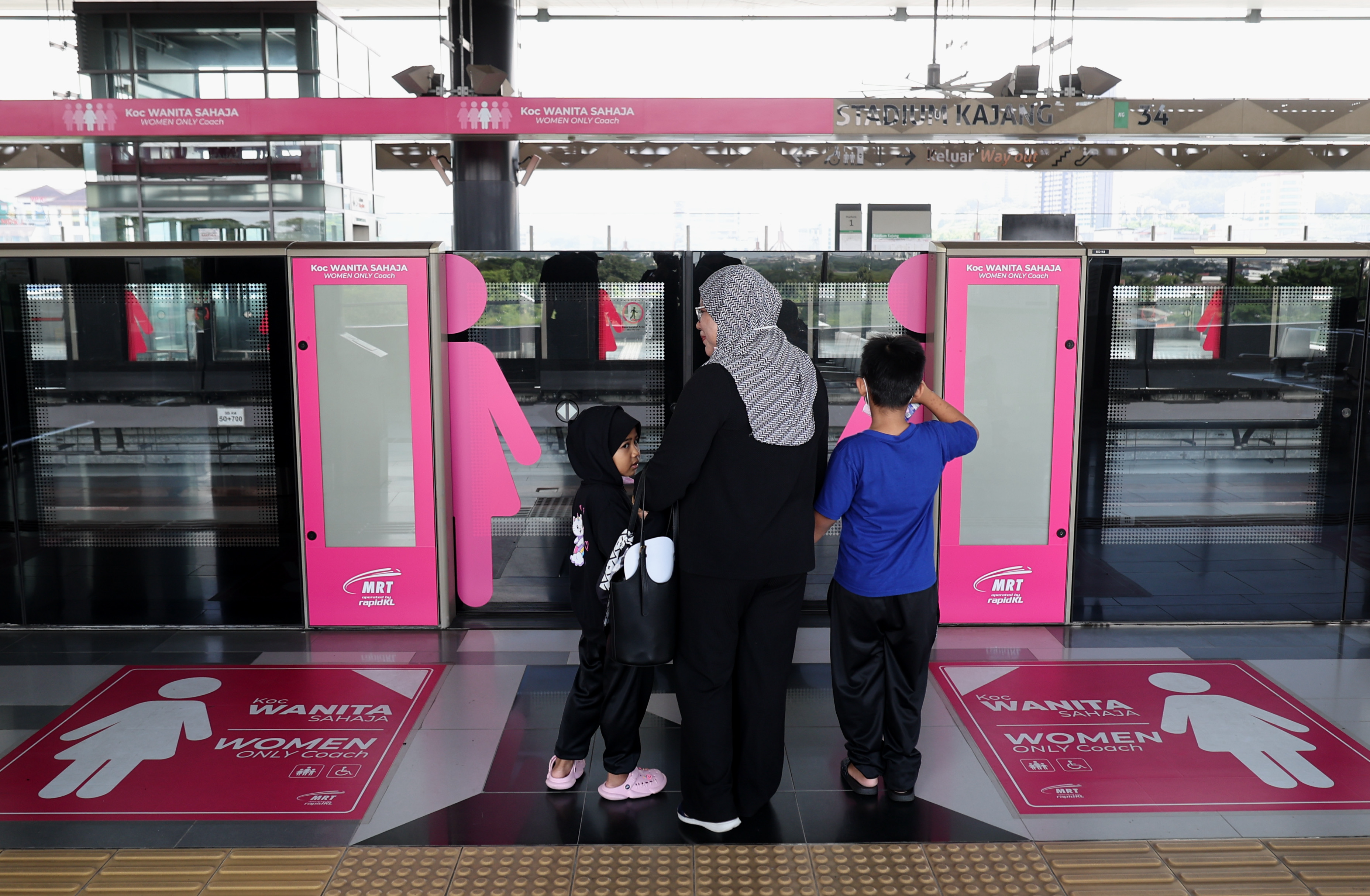
Gobi said the smart city concept could also improve passenger safety, including with more closed-circuit television (CCTV) cameras at stations and along walkways.
He added that adequate lighting, especially along pedestrian routes, should be provided to make users feel safer as they make their way to their destinations.
He said public confidence also depends on transport services operating consistently and according to schedule.
“Traffic congestion, buses arriving later than scheduled, and train service disruptions due to technical problems, particularly during peak hours, can cause dissatisfaction among passengers.
“These issues must be addressed to ensure passengers’ journeys are smooth and free from disruptions.”

Gobi said the state government could also consider stronger measures to encourage people to reduce their reliance on private vehicles.
He cited Singapore as an example, where the government not only provides an extensive public transport network but also imposes fees on private vehicle users entering certain roads or urban areas.
“When the (toll) system was first introduced in Singapore, the public naturally objected to it, but the move not only helped improve traffic flow; people eventually accepted it over time.”
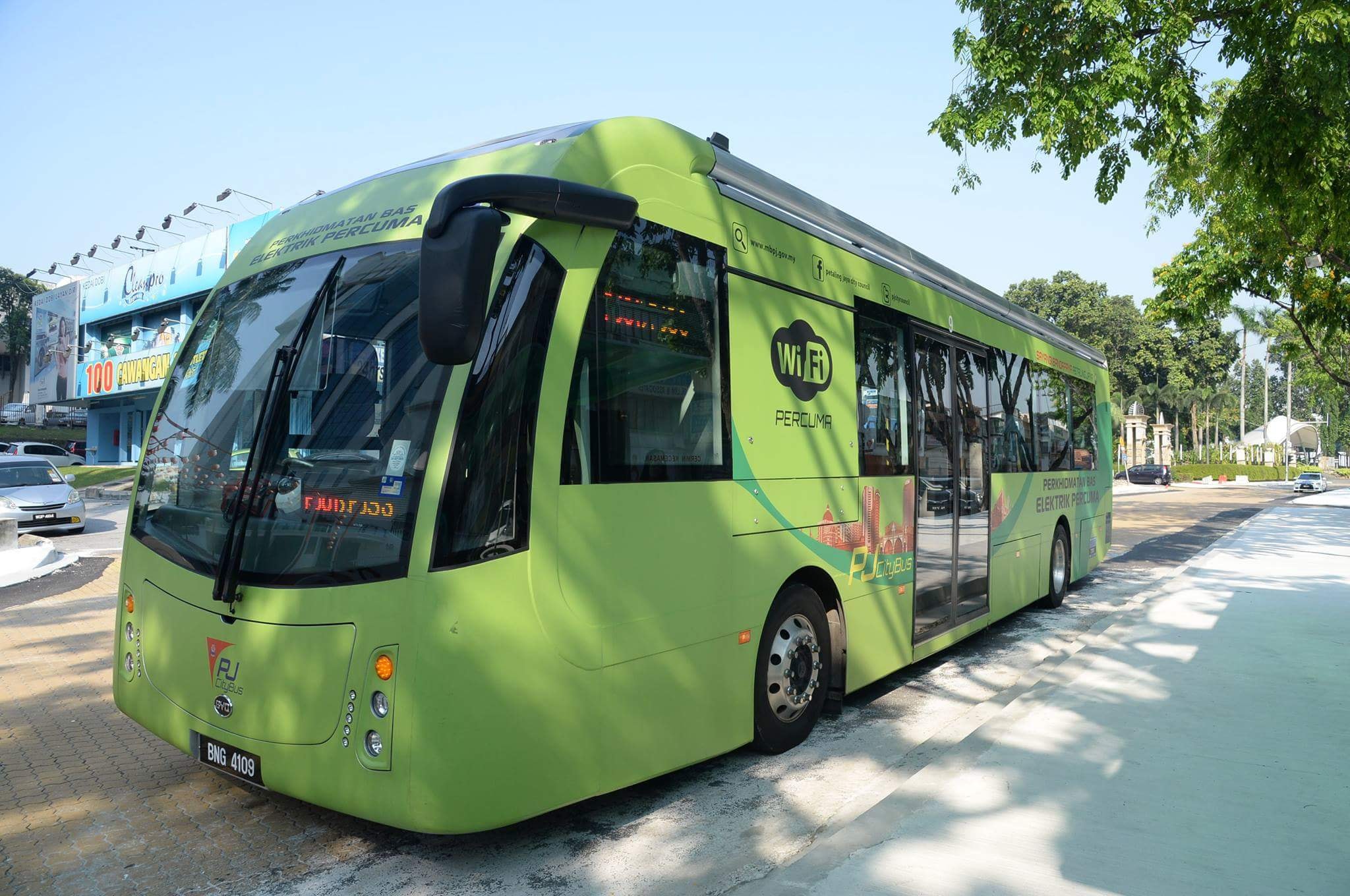
Under the Second Selangor Plan (RS-2), the state government aims to increase public transport use to 60 per cent over the next five years.