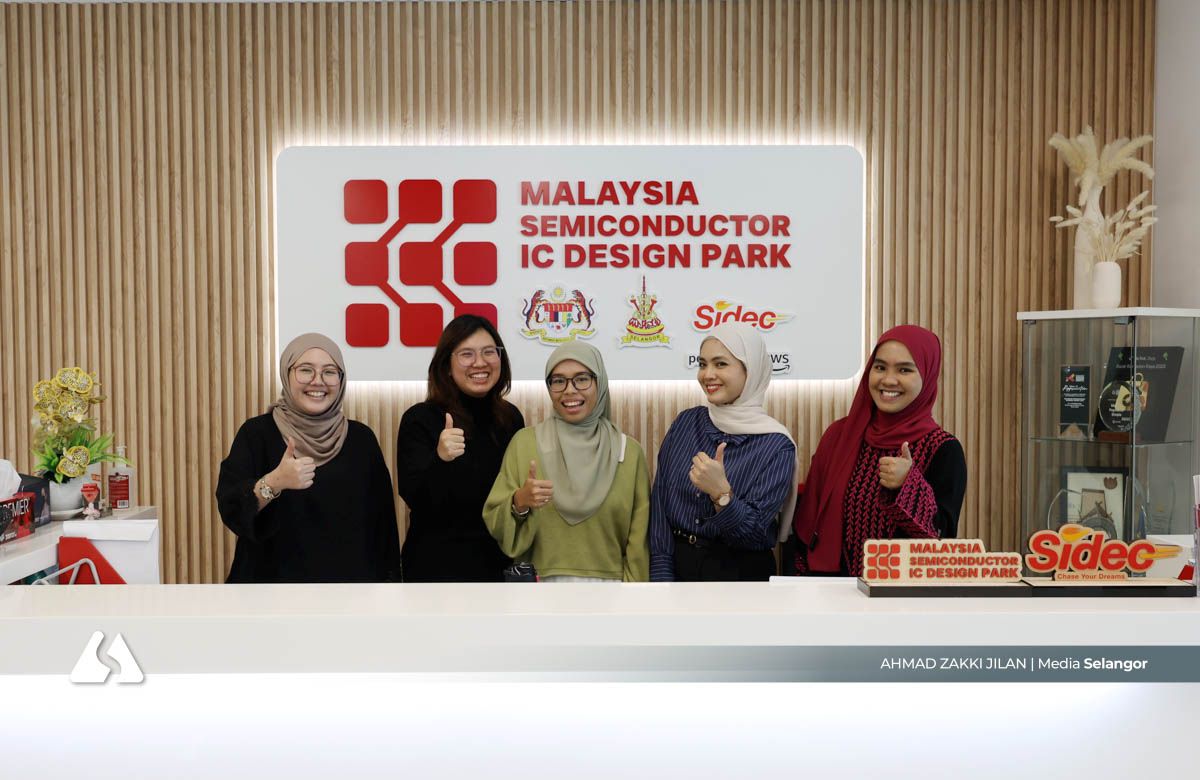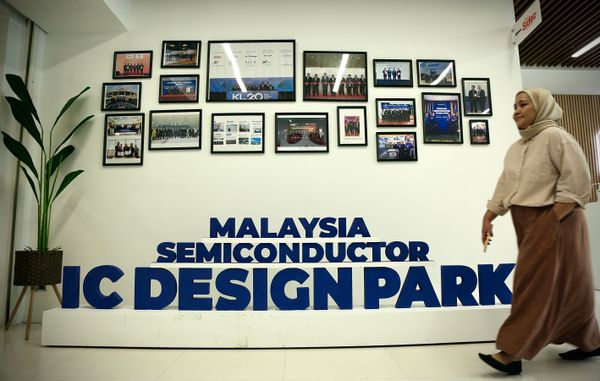
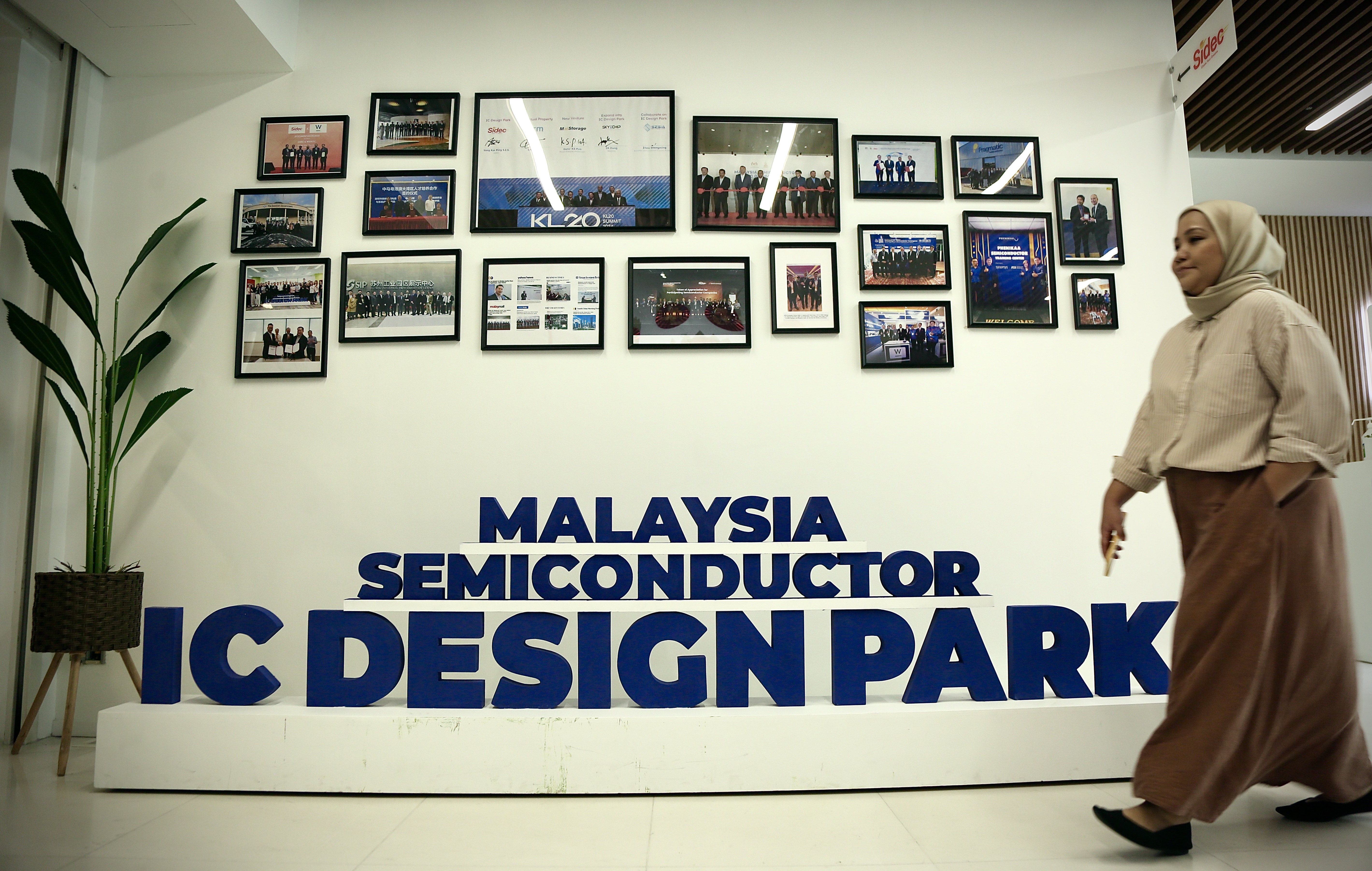
PUCHONG, Sept 2 — The Malaysia Semiconductor IC Design Park aims to become a “living ecosystem” where engineers can foster stronger industry partnerships to advance the country’s AI and semiconductor capabilities in ways beyond providing workplaces, said an industry player.
Selangor Information Technology and Digital Economy Corporation (SIDEC) Semiconductor and Venture Division technical director Lee Hing Wah said the park was designed to foster a community where engineers build careers, develop relationships and grow professionally.
“We have always treated this project as a living ecosystem … not just a workplace for engineers but a community where friendship, career growth, future care and even family bonds can flourish,” he said at “Supply Chain Day Series 1: Exclusive Showcase from MaiStorage” at Four Points by Sheraton here today.
Lee said the approach is part of the park’s wider objective of creating an environment that may attract and retain engineering talent while supporting the growth of Malaysia’s AI and semiconductor industries.
He said the Malaysia Semiconductor IC Design Park has reached full occupancy, with 18 companies having onboarded and more expected to start operating.
According to him, the park has strengthened its ecosystem through its dedicated semiconductor investment fund, which provides support for companies seeking to scale and grow.
“Right now, we have more than … 400 engineers working within our park, tracking steadily towards our 2026 target of 520 graduates or employees,” he said.
Lee also highlighted resident companies’ progress, saying their growth reflects that the park is already showing tangible commercial outcomes.
“These are real companies inside contracts … not case studies we hope to write one day, but they are actually helping out now,” he said.
On talent development, Lee said the availability of skilled engineers remains one of the most critical factors for the industry’s growth.
“At the park, talent remains the most critically enabled in the industry,” he said.
Lee added that the park’s talent-building arm has trained more than 5,800 engineers.
“We have been fortunate enough to receive strong support from our industry partners, ensuring all training programmes remain technology driven, industry relevant, and grounded in real working life experience,” he said.
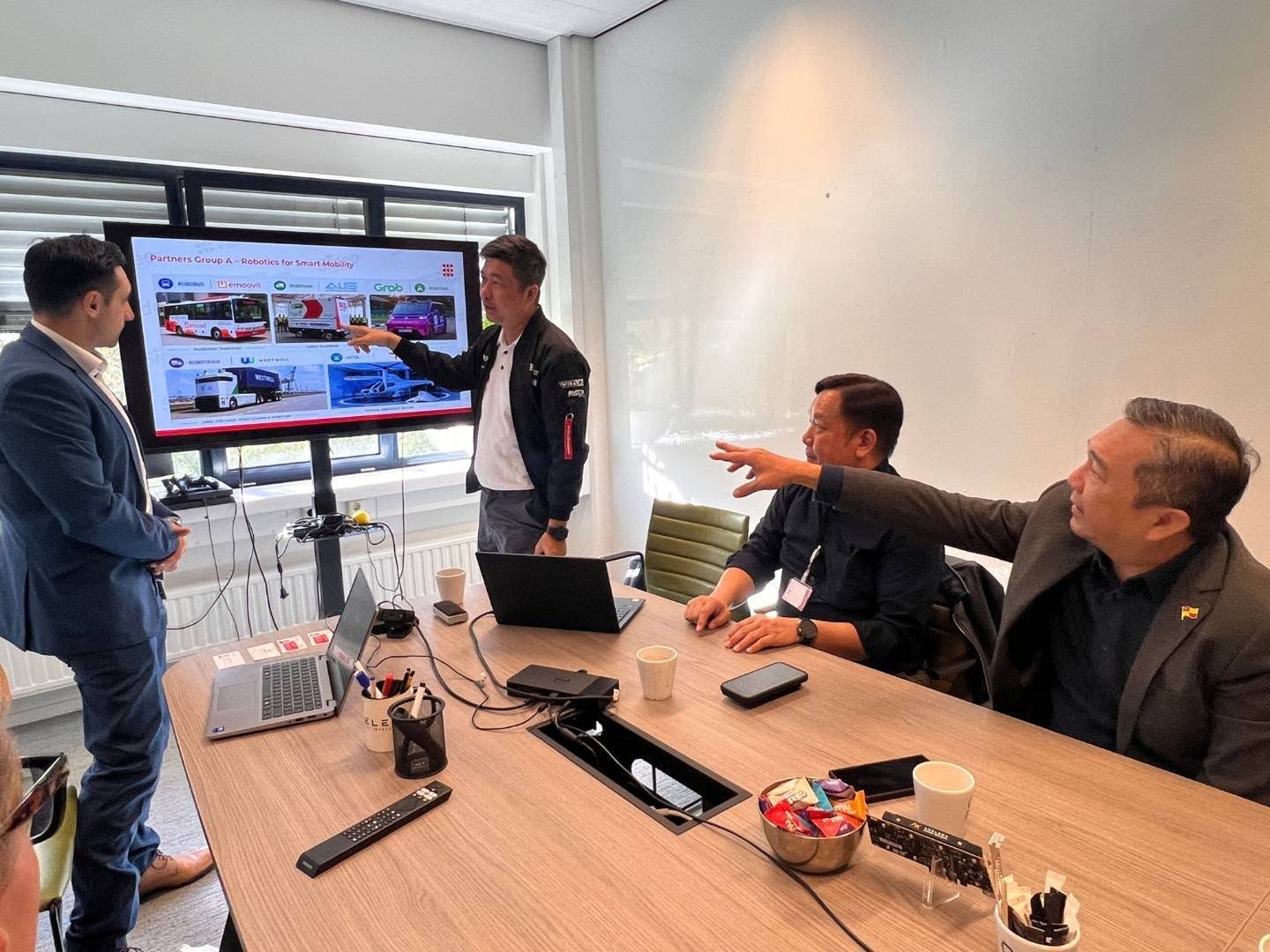
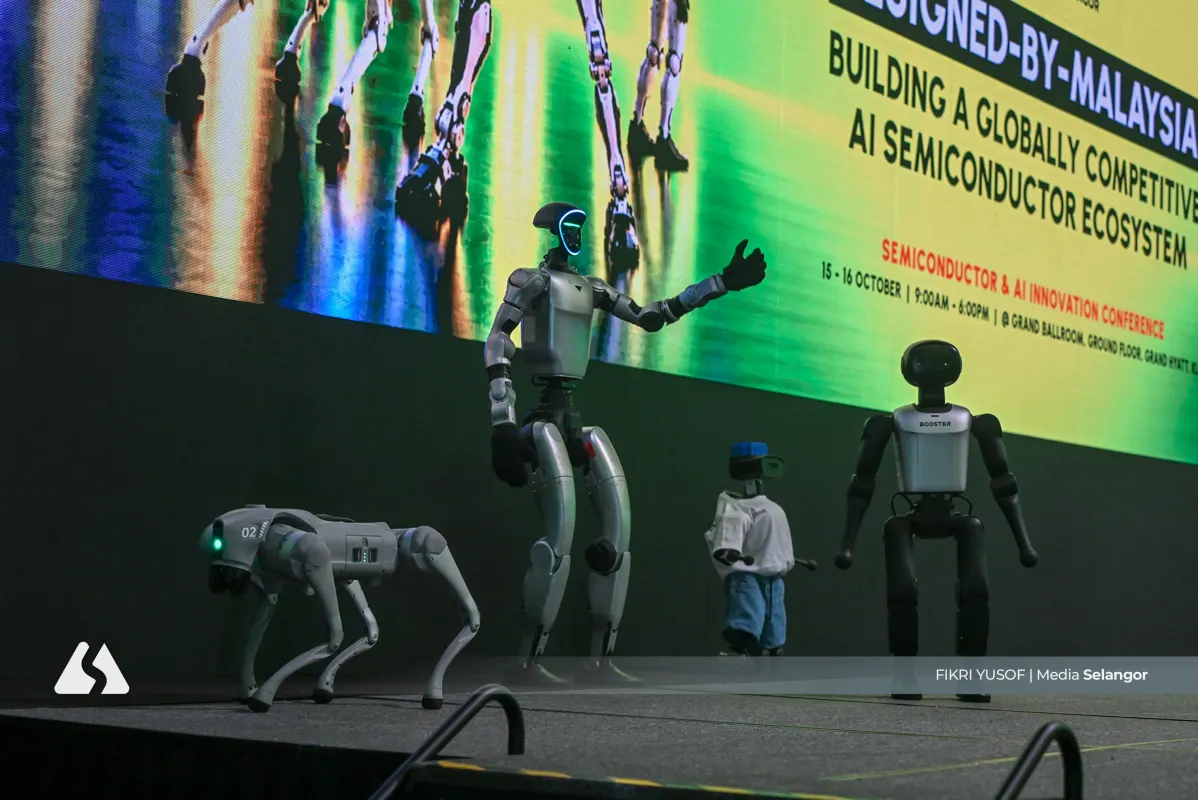
Lee said the park is moving into its next phase of technological development, covering areas such as robotic systems, smart mobility, humanoids, automotive and aerospace, through partnerships with Malaysian Research Accelerator for Technology and Innovation (MRANTI) and Cyberview.
He added that this reflects the park’s ambition to create stronger connections between semiconductor capabilities and emerging technology sectors.
He also urged companies and industry players attending the event to use the platform to establish meaningful partnerships and improve their understanding of technologies and products developed by local IC design companies.
“More importantly, I hope you will forge meaningful partnership so that together, we can elevate Malaysia’s AI semiconductor industry to even greater heights,” Lee said.