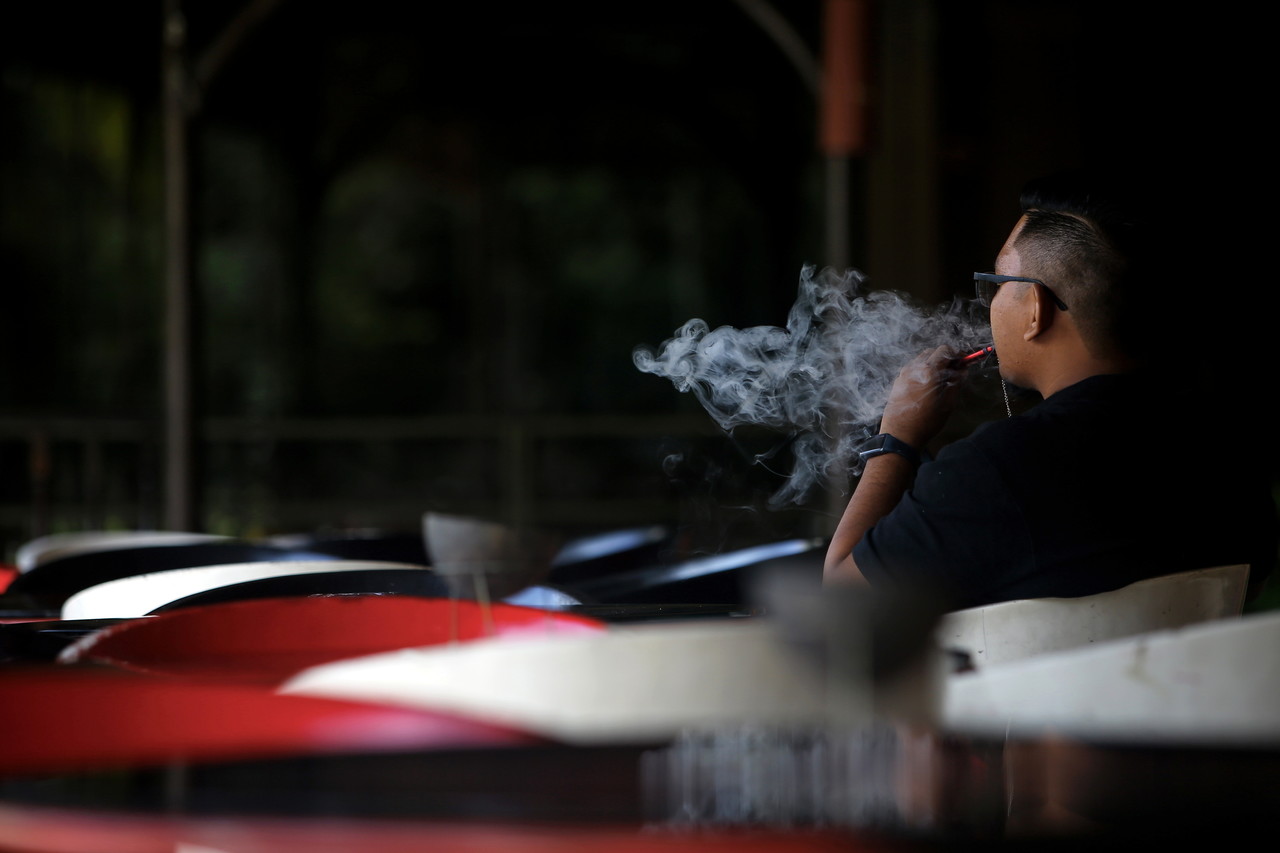
SHAH ALAM, Sept 1 — A single cigarette. For more than a decade, it was the “coloniser” that ruled Mohamad Haznizwan Mohd Kassim’s life.
He tried to break free once. Then again. But each attempt ended the same way — with him returning to the habit he had struggled to leave behind.
It took a third attempt for the 29-year-old from Alor Gajah, Melaka, to finally reclaim his freedom from nicotine.
Today, more than two years have passed since his last cigarette. And unlike many who quit after a health scare or at the urging of loved ones, Haznizwan’s turning point came from something much simpler: money.
He realised he was burning through more than RM6,000 a year on cigarettes.
“I wanted to quit mainly because of the money. It’s not that I didn’t have money, but I realised I was spending too much of it on cigarettes. On average, I spent RM17.40 a day, that’s more than RM500 a month. In a year, I realised I was spending more than RM6,000.
“I felt that was too much to spend on cigarettes because there are so many other things we could spend the money on. I never really thought about my health. It was seeing how much money I was spending that became the strongest motivation for me to quit,” he told Media Selangor.
But quitting was anything but straightforward. On his first attempt, Haznizwan tried to gradually cut down the number of cigarettes he smoked each day. He managed to stay away from the habit for two months before eventually relapsing.
The second attempt saw him turn to alternative products. Yet the familiar temptation returned whenever he spent time with friends who smoked.
His third attempt proved different — not because he had discovered a revolutionary method, but because he finally understood what his body was going through.
“I didn’t know about withdrawal symptoms before this. When people quit smoking, they experience all kinds of symptoms like fever, headaches, weakness, stress, anxiety and so on.
“Once I understood the withdrawal symptoms and reduced my smoking each day, together with the knowledge I gained, I managed to quit and have remained smoke-free ever since. I no longer feel like smoking. In fact, the smell of cigarette smoke now seems very unpleasant to me,” he said.
For Haznizwan, understanding withdrawal symptoms became a crucial part of breaking the cycle.
He believes many smokers give up on quitting because they mistake withdrawal symptoms as a sign that something is going wrong. When the fever, anxiety or discomfort sets in, they may return to smoking to make those feelings disappear.
But to him, those uncomfortable moments are part of the body’s recovery.

“For anyone who wants to quit but has not succeeded, the first thing is to understand the nature of withdrawal symptoms. Having a fever is actually a good thing.
“You have to welcome the fever. You have to allow yourself to remain in that uncomfortable state. Withdrawal symptoms usually last two weeks to a month. It’s not that long,” he said.
More than two years into his smoke-free life, the changes are no longer just about resisting the urge to light up. His body feels different too.
“When I was a heavy smoker, my body was always tired. Even walking left me severely out of breath. My stamina was also poor whenever I did any physical activity. After quitting, there is a huge difference in my stamina.”
His own struggle eventually became a reason to help others facing the same battle. Six months after successfully quitting, Haznizwan produced an e-book titled Seni Berhenti Merokok (The Art of Quitting Smoking) to help others break free.
So far, more than 100 copies of the e-book have been sold. More than 40 buyers have also shared positive feedback, including individuals who successfully quit smoking after following the guidance he provided.
Haznizwan is also active on social media, sharing his experience of quitting smoking. Despite frequently facing criticism, he remains unfazed.
For him, every person who successfully gives up smoking through his sharing makes the journey all the more meaningful.