SHAH ALAM, Aug 20 — The Selangor State Development Corporation (PKNS) continues to develop affordable housing and is not solely focused on high-value residential projects.
PKNS Group chief executive officer Dato’ Mahmud Abbas said the approach was in line with the agency’s founding mission 62 years ago to improve the socio-economic standing of the community.
He said providing affordable homes was among PKNS’ initiatives during the early development of Petaling Jaya, Shah Alam and Bangi, enabling people from rural areas to settle in urban centres.
“When PKNS was established 62 years ago, we had an Act that set out the agency’s mandate and purpose. The Act did not specifically mention the construction of low-cost housing, although PKNS did undertake such development.
“At the time, areas such as Petaling Jaya, Shah Alam and Bangi were not as developed as they are today. We wanted to bring people from villages to settle in urban areas, but we could not possibly build homes costing RM200,000 or RM300,000 because not many people could afford them.
“So, PKNS took the opportunity to build low-cost homes, which later became known as the PKNS flats. This was in line with our mandate to improve the socio-economic standing of the community,” he said.
Mahmud was speaking to reporters after the launch of Temasya Aneka, a programme featuring 18 events managed by KRU Entertainment, here last night.CEO

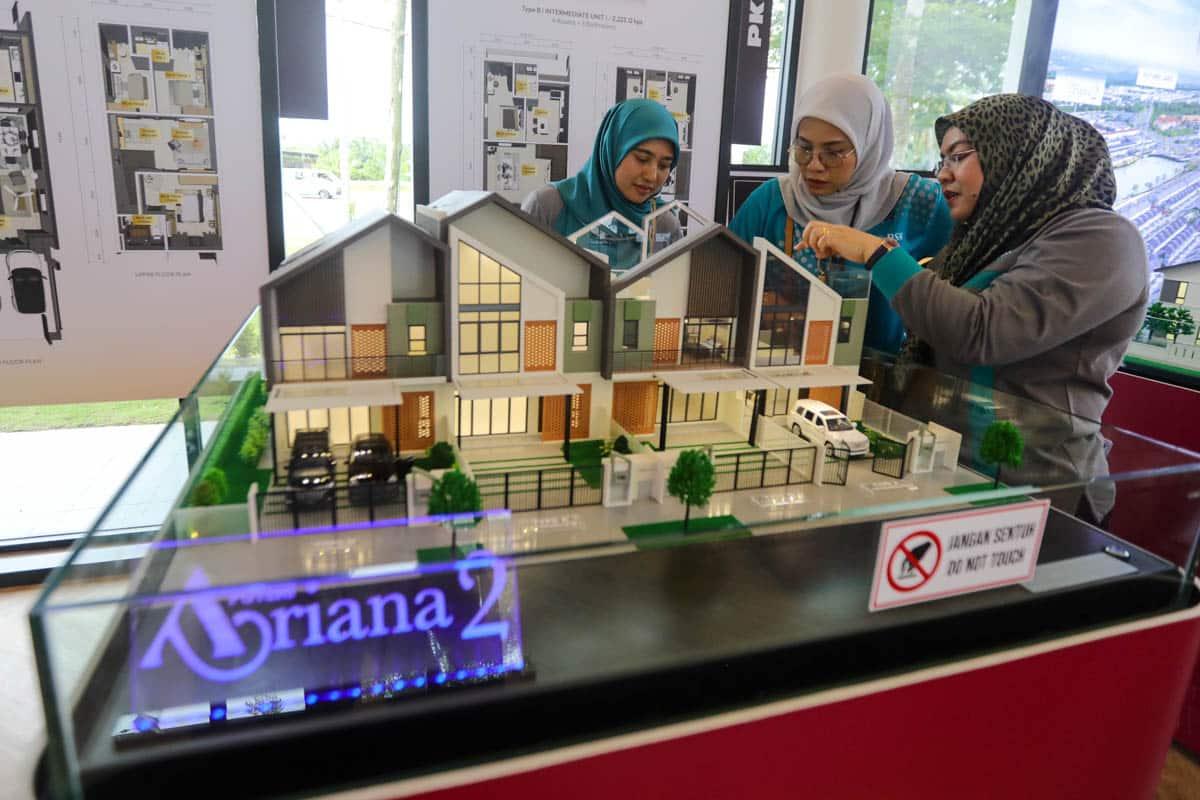
Mahmud said PKNS continues to build affordable housing today, although its higher-value residential projects tend to be more prominent and attract greater public attention.
He said profits generated from higher-value housing developments help PKNS offset the cost of providing affordable homes.
“At present, we are still building affordable homes, but the higher-value housing projects are more prominent. The profits from these developments help us finance the construction of affordable housing.
“Each affordable housing unit we build requires a subsidy of RM50,000. That subsidy is funded by the profits we generate through our developments,” he said.
According to Mahmud, efforts to improve the community’s socio-economic standing go beyond providing homes and also encompass opportunities for people to generate income and develop businesses.
“In my view, we still need to build affordable homes, but at the same time, we must continue improving the socio-economic standing of the community. With places such as Aneka Walk, we provide an environment where people can do business and entrepreneurs can grow,” he said.
He said improving socio-economic conditions would enable people to enjoy a more comfortable life, including owning better homes and providing education for their children.