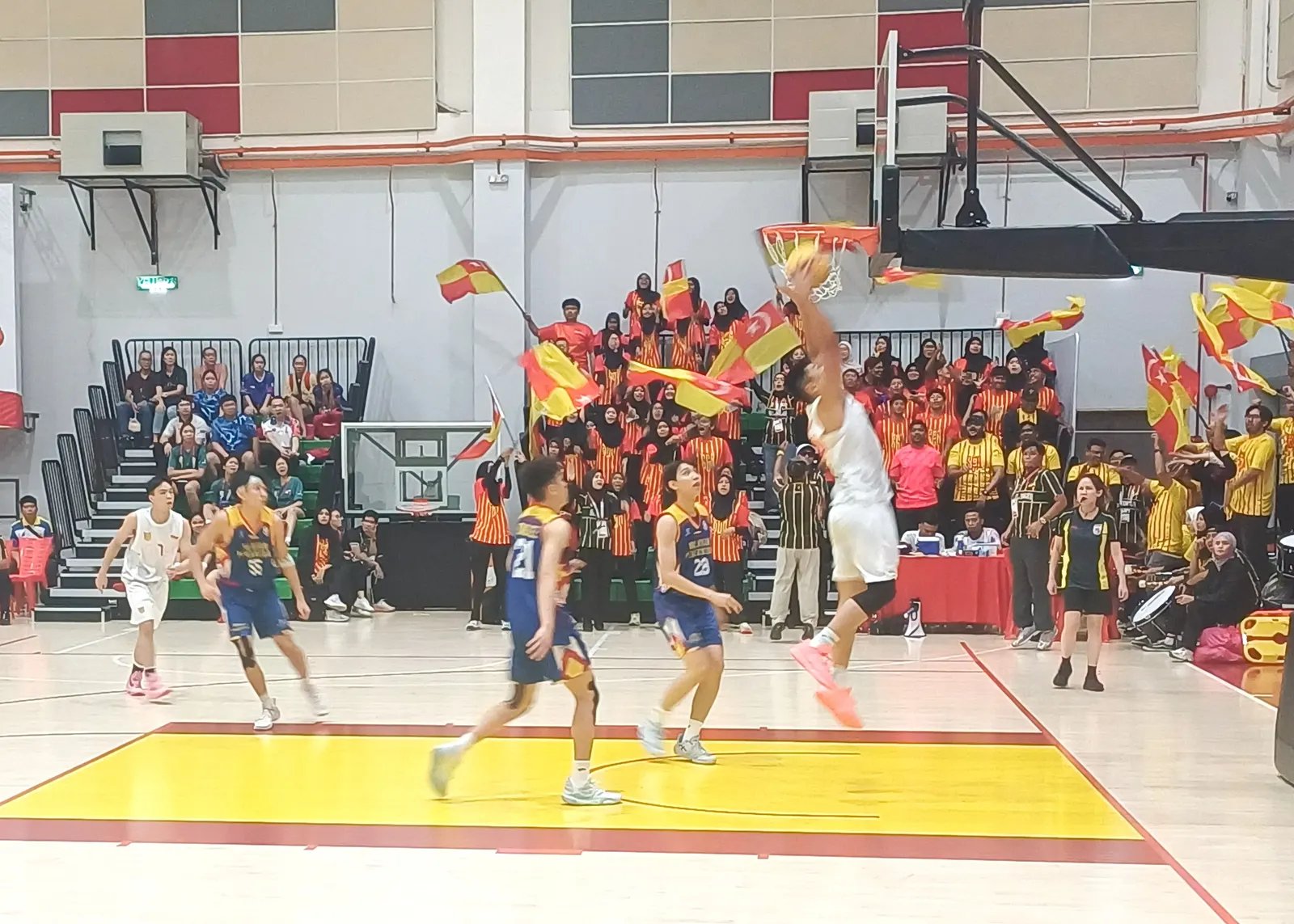
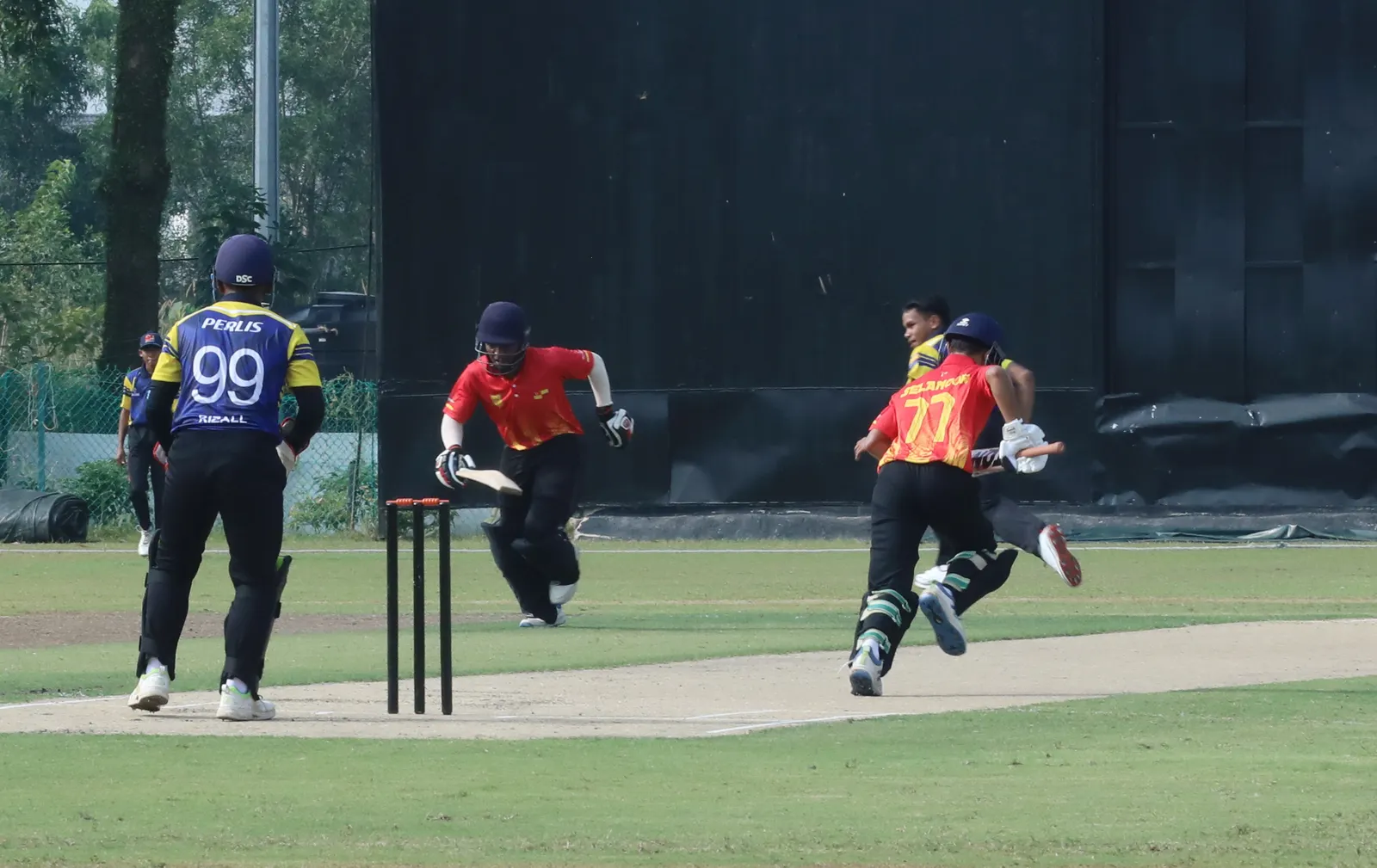
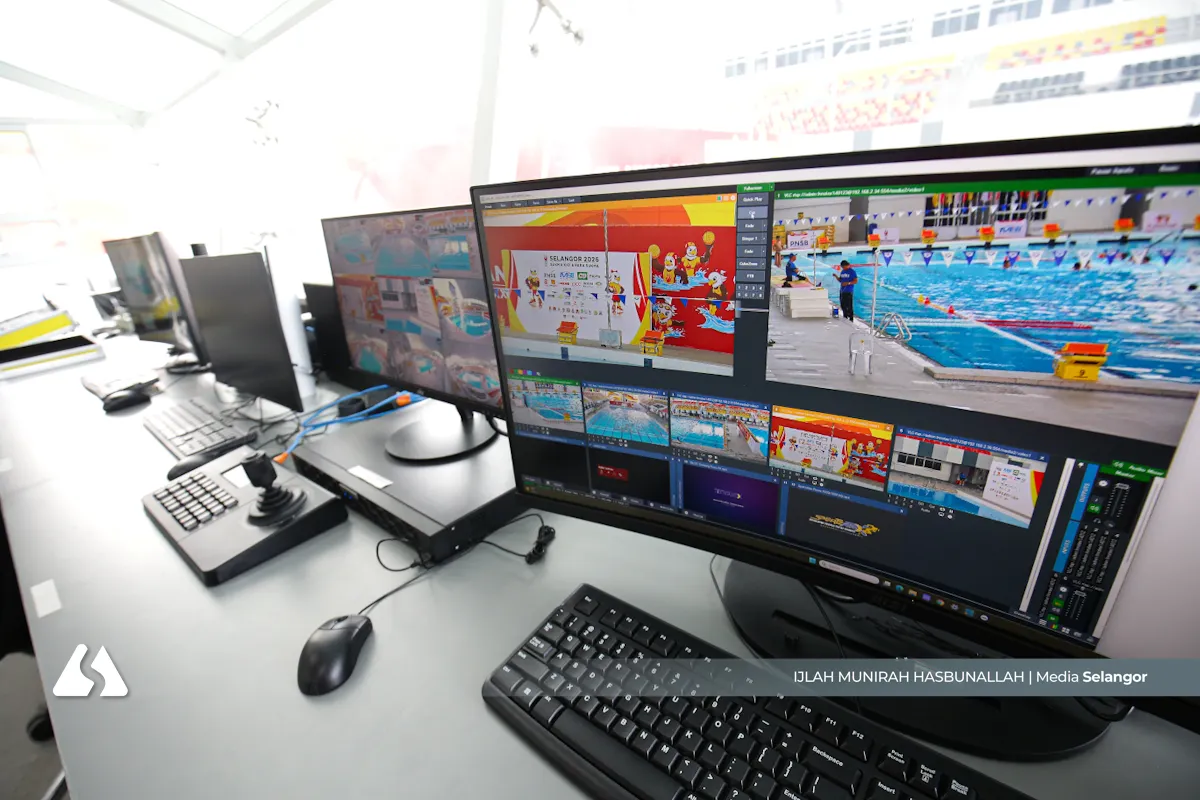

SHAH ALAM, Aug 13 — Events at the Malaysia Games (SUKMA) should be standardised when the biennial Games are restructured to prevent host states from gaining an advantage, a sports analyst said.
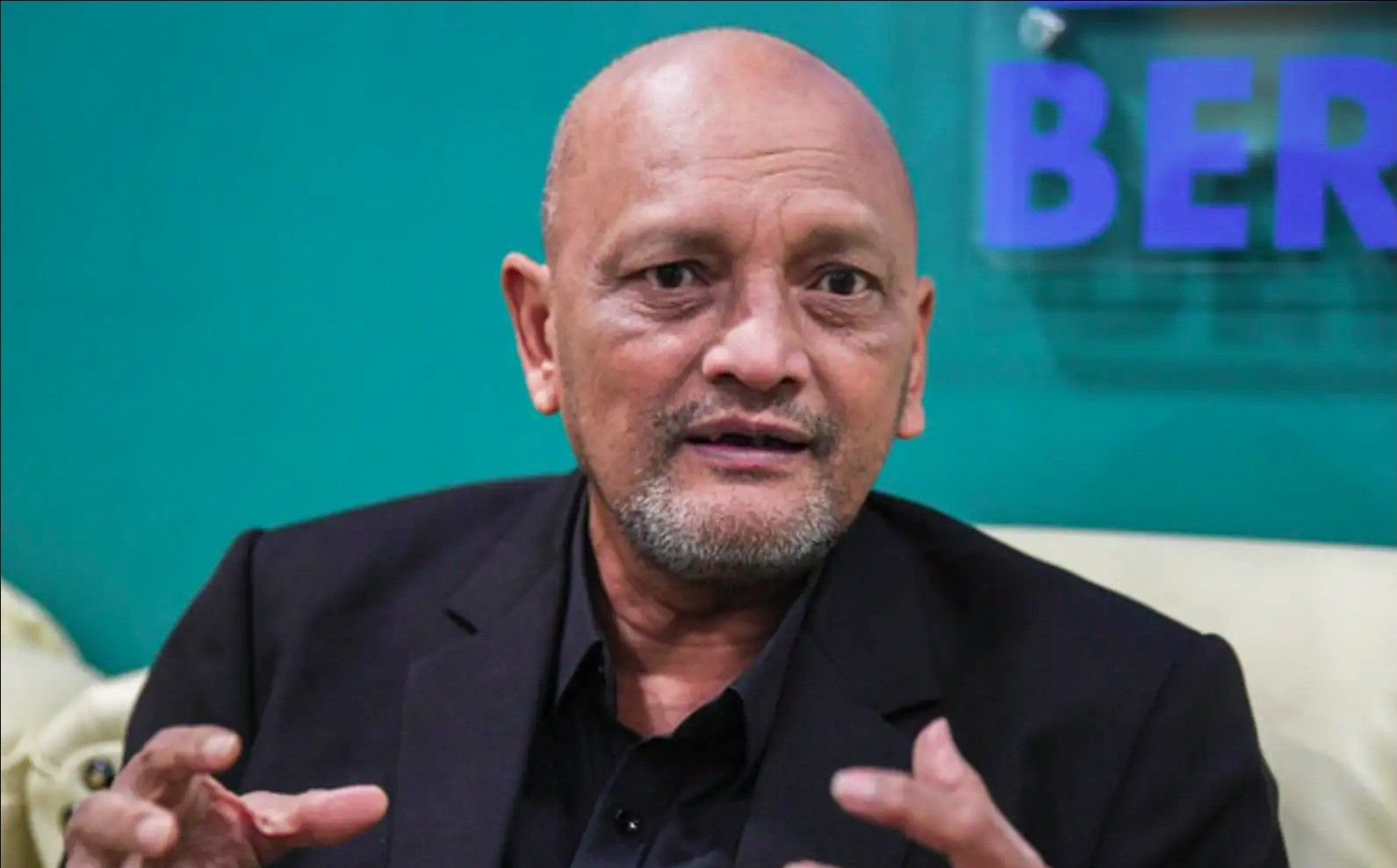
Dato’ Dr Pekan Ramli said the Youth and Sports Ministry (KBS) should take the issue of standardisation seriously to prevent hosts from exploiting the flexibility to select events.
He said establishing a fixed programme of events for each edition would strengthen SUKMA, with host states allowed to add only two or three sports of their choice if the current practice were to continue.
“Lately, SUKMA has faced too many issues, from a shortage of athletes in certain events to the selection of events that gives the host an advantage, among others.
“If possible, we should establish a fixed list of SUKMA events and perhaps give the host some flexibility to choose only two or three additional events so that athletes’ preparations are not disrupted,” he told Media Selangor.
Last year, KBS announced plans for a new model under which SUKMA would no longer rotate among states but instead be organised by the National Sports Council (MSN).
The model is aimed at preventing hosts from selecting events that could give them an advantage in the medal tally. It is expected to be implemented after the 2028 SUKMA in Kelantan.
SUKMA was conceived by Dato’ Seri Anwar Ibrahim in 1983 when he was culture, youth and sports minister. The Games were first held in Kuala Lumpur in 1986.
Dr Pekan also said future editions would be better held solely in Kuala Lumpur or Putrajaya because of the infrastructure challenges faced by host states.
He said inadequate facilities had resulted in some events being excluded from SUKMA, raising concerns that athletes specialising in those disciplines could see their performance and development affected.
“States given the responsibility of hosting SUKMA face problems providing infrastructure, while maintenance costs are high. Naturally, they look to the federal government for assistance.
“Sometimes, host states also do not have the facilities required for certain SUKMA events. As a result, those events are either not contested or have to be held in another state,” he said.
He cited track cycling, including keirin, as an example of a sport that might not be contested at the 2028 SUKMA in Kelantan because the state does not have a velodrome.
Keirin is regarded as one of Malaysia’s prominent sporting disciplines, having delivered two Olympic silver medals for the country, alongside badminton as a major source of Olympic medals.
“If the intention is to take SUKMA in a new direction after the Games in Kelantan, it is a good plan. But there will certainly be advantages and disadvantages,” Dr Pekan said.
However, he said SUKMA’s identity should be retained despite KBS’s plans to introduce a new organisational model for the biennial Games.
“There is no problem with retaining the SUKMA name. SUKMA is still relevant and is like a mini Youth Olympics. The SUKMA name itself is well established.
“What is important is to refine and strengthen SUKMA,” he said.