SHAH ALAM, Aug 12 — More than 40 Selangor-registered contractors have secured tenders worth RM3.58 billion for the East Coast Rail Link (ECRL) project across four states, said state executive councillor for investment, trade and mobility Ng Sze Han.
Of this amount, he said, around RM1.18 billion involves the ECRL alignment in Selangor.
He said this achievement shows that infrastructure megaprojects like the ECRL can generate economic spillover benefits for local industries and companies.
“The participation of more than 40 Selangor-registered contractors, with tenders worth around RM1.18 billion, demonstrates that the benefits of the ECRL project extend beyond rail infrastructure development.
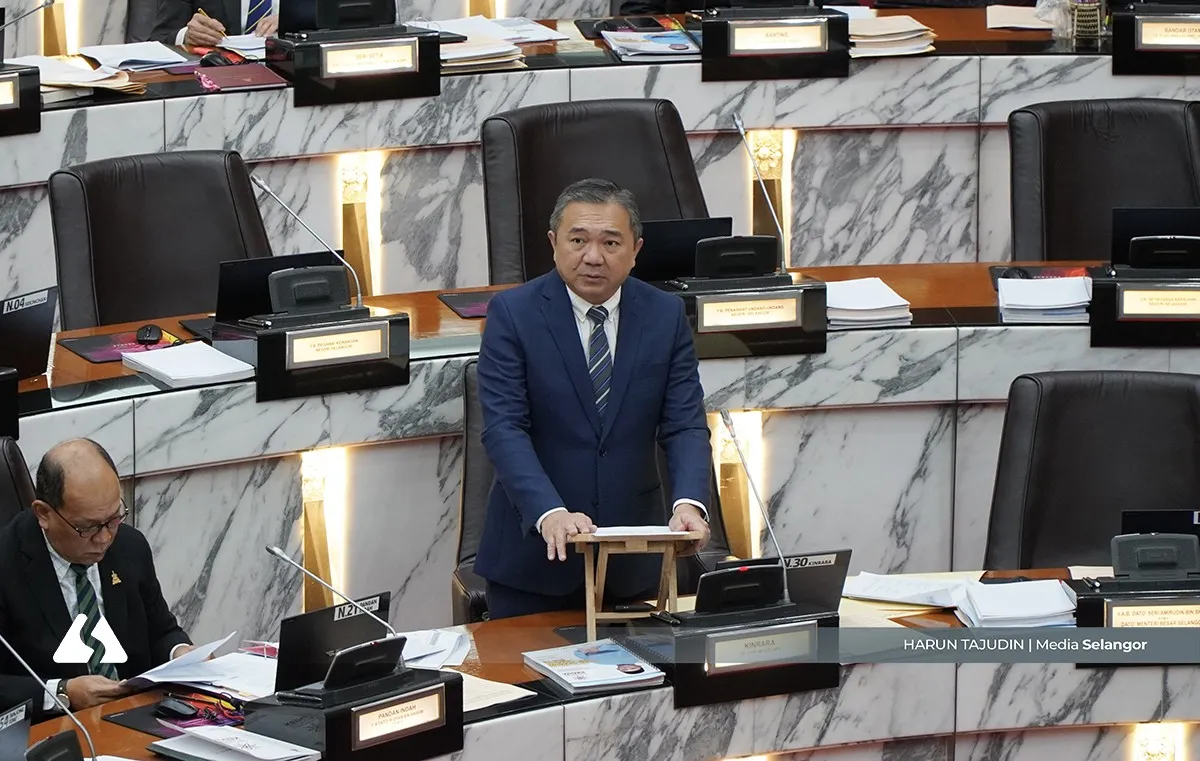
“It also creates significant opportunities for local industries and companies to grow,” he said in response to a question from Selat Klang assemblyman Datuk Abdul Rashid Asari during the Selangor State Legislative Assembly sitting here today.
Ng added that the involvement of Selangor-based companies in the ECRL project reflects the ability of local contractors to participate in megaprojects and the rail industry supply chain.
He said the Selangor and federal governments, Malaysia Rail Link Sdn Bhd (MRL) and ECRL main contractors continue to encourage local companies to participate through transparent and competitive procurement processes.
“Local contractor participation (has been recorded across) various work packages, including civil works, construction material supply, utilities, professional services, and support works.”
Ng explained that opportunities brought about by the rail project would not only strengthen local industry capacities, but also generate jobs and stimulate economic activities in states along the alignment, with opportunities for local companies set to keep expanding when the ECRL starts operating.
Among potential new areas of opportunity during the operational phase are maintenance, facilities management, support services, and the occupation of commercial spaces at stations, he said.
“We want the ECRL to not only serve as a new connection between regions, but also catalyse economic growth, create jobs, and strengthen long-term local industry capacities,” Ng added.