
SINGAPORE/NEW DELHI, Aug 11 — Near-record inventories, technological advances, and the rise of key exporters such as Brazil and Russia have made the global food system more resilient to this year's "super" El Nino than similar past events.
According to analysts and the United Nations Food and Agriculture Organisation (FAO), world farm production has outpaced consumption and population growth since the 1980s.
The changes have been driven by higher-yielding crop varieties, greater use of fertiliser and improved irrigation and crop protection, lifting yields of staples such as rice, wheat, corn, and soybeans.
"Even during drought conditions, better irrigation management and crop science mean we can still produce marketable yields.
"The potential impact on global food supplies and prices exists, but our improved preparedness means the disruptions are much less severe than they would have been in previous decades," said Australian agricultural consultancy Episode 3's Andrew Whitelaw.
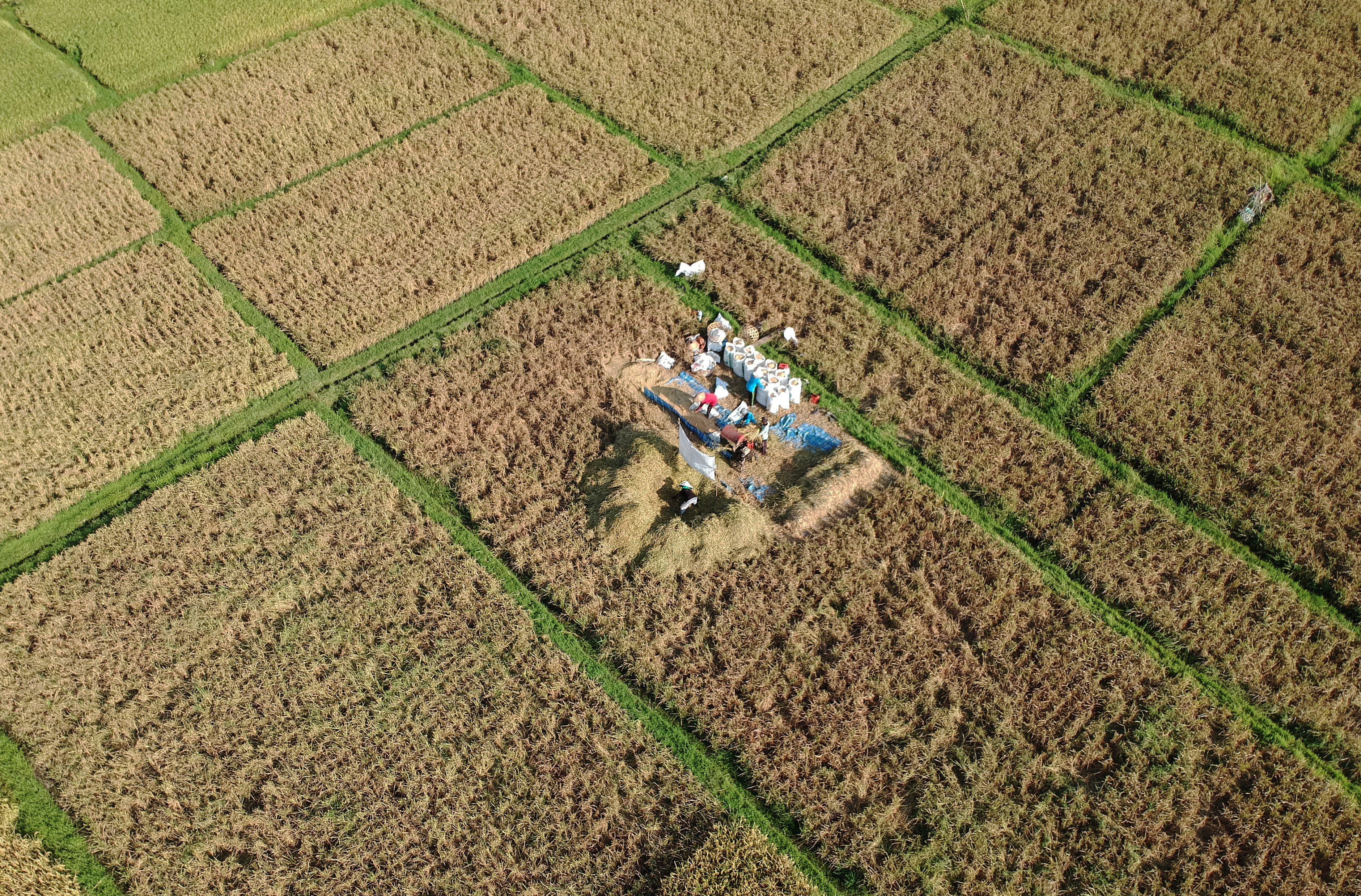
El Nino gathers force
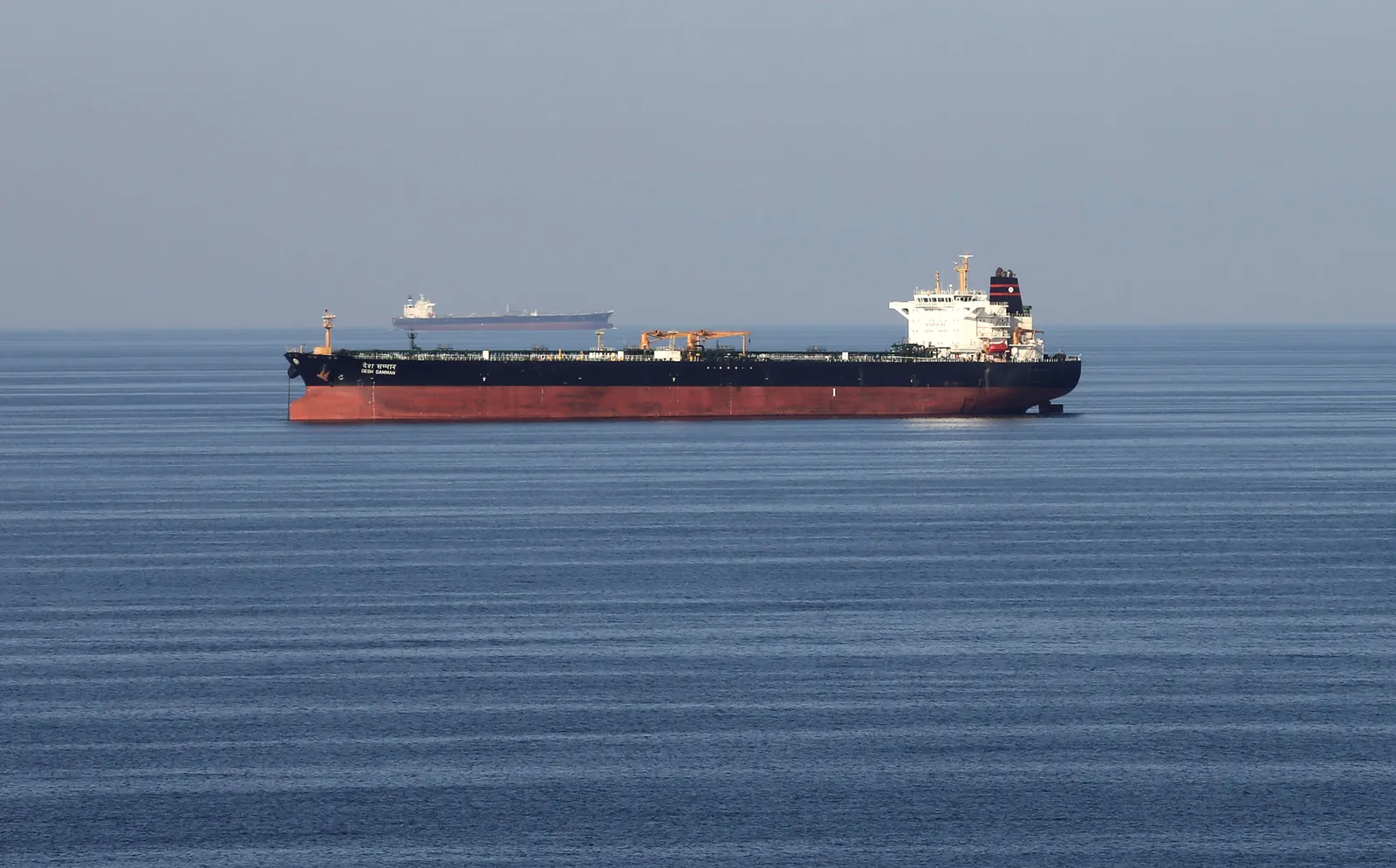
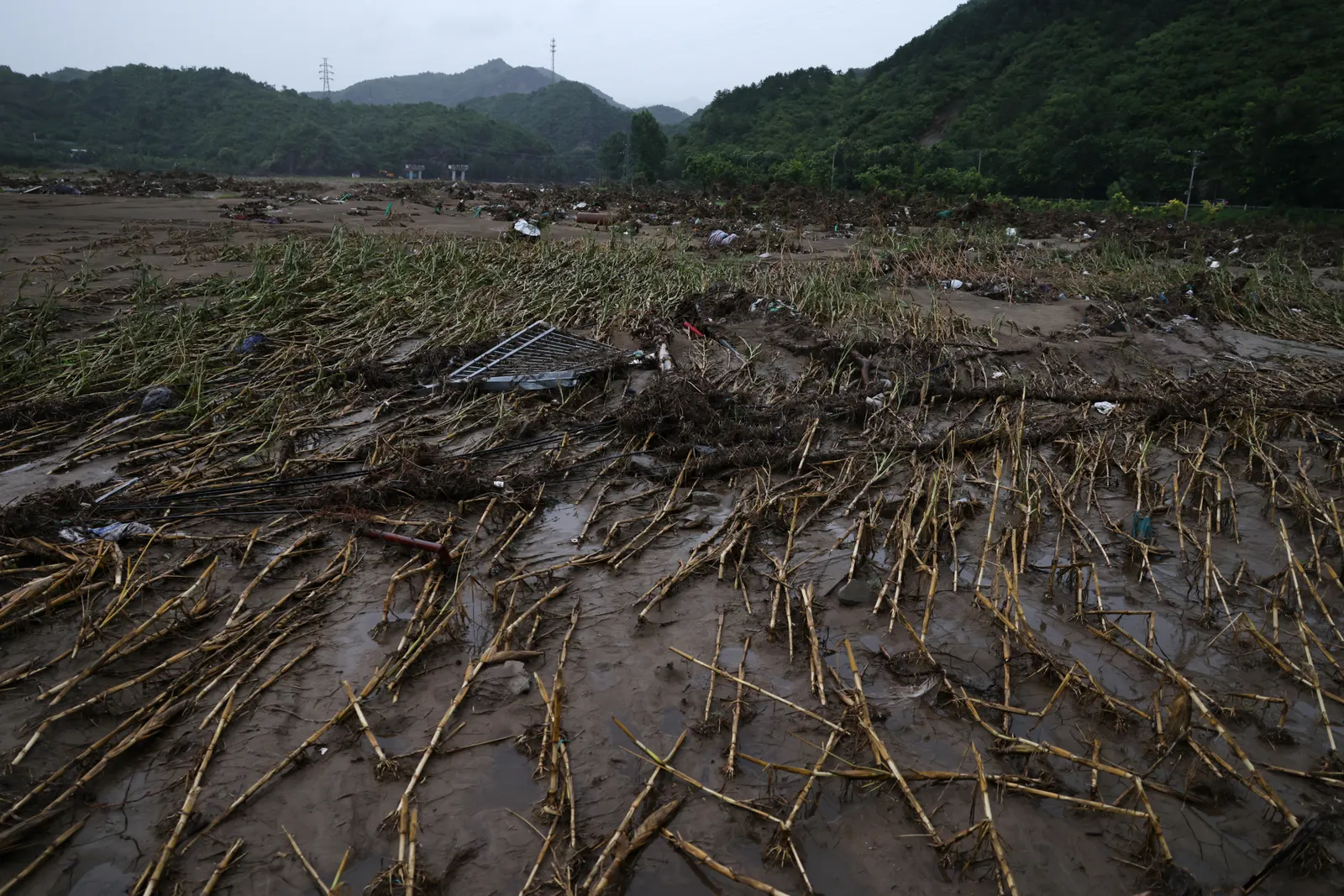
Dryness brought by El Nino has already disrupted crop planting across large parts of Asia, including India, Southeast Asia, and Australia, while shortages of fertiliser and diesel caused by the Iran war add to global food production risks.
India is battling a deficient monsoon season, while prospects of drier weather loom in Australia's key wheat-growing regions and crops across Southeast Asia, including Indonesia and Thailand, are suffering from a lack of moisture.
United States-based satellite data and imagery firm SkyFi's meteorologist Chris Hyde said that the outlook could worsen, as an already strong El Nino will intensify in the fourth quarter and early next year.
"Expectations are that it will be one of the strongest on record, or the strongest the world has ever seen, and that means the big impact of dryness has yet to come," he said.
A warming of ocean surface temperatures in the eastern and central Pacific, the El Nino weather phenomenon typically brings dryness to much of Asia and boosts rainfall across the Americas.
From 1997 to 1998 and from 2015 to 2016, severe El Nino episodes slashed production of key crops, fuelling food shortages, inflation, and sapping economic growth.
Prices of sugar and palm oil jumped after drought cut output in Brazil, India, Indonesia, Malaysia, and Thailand in those years, while tighter rice supplies prompted Southeast Asian producers to curb exports.
Drought also reduced Australian wheat exports and forced southern African countries to increase corn imports.

Record inventories
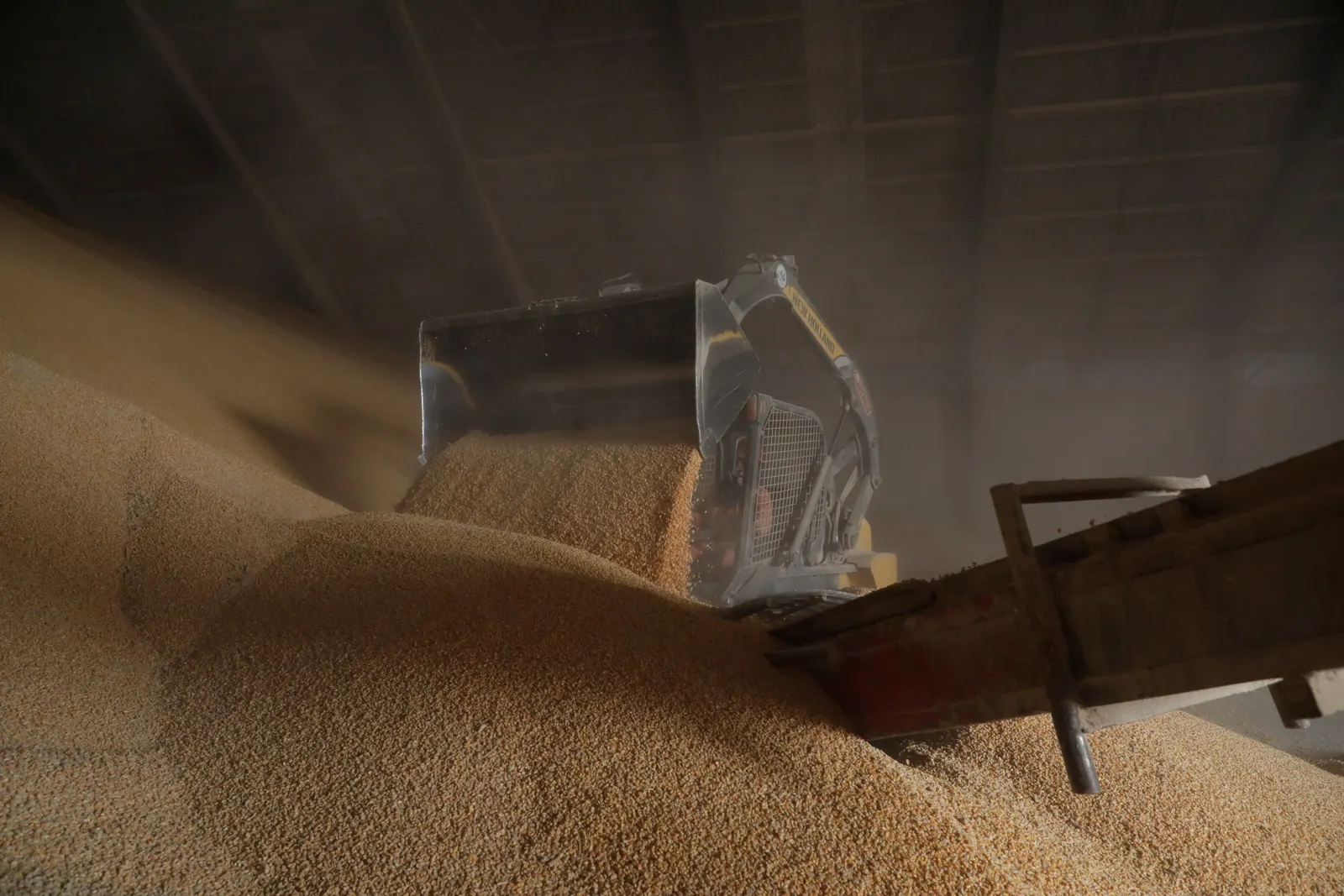
This time, near-record grain inventories, drought-tolerant seeds, better weather forecasting, precision agriculture, improved irrigation, and the emergence of newer export powerhouses are poised to cushion much of the fallout.
Mumbai-based Phillip Capital India's commodities research vice president Ashwini Bansod said that in key crop producer India, sowing has remained broadly on track after overcoming a substantial initial lag, although rains in August and September will be crucial for maturity and grain formation.
However, the country, which accounts for 40 per cent of global rice exports, has so much rice that it is exhausting storage for stockpiles equivalent to more than a year of total global exports.
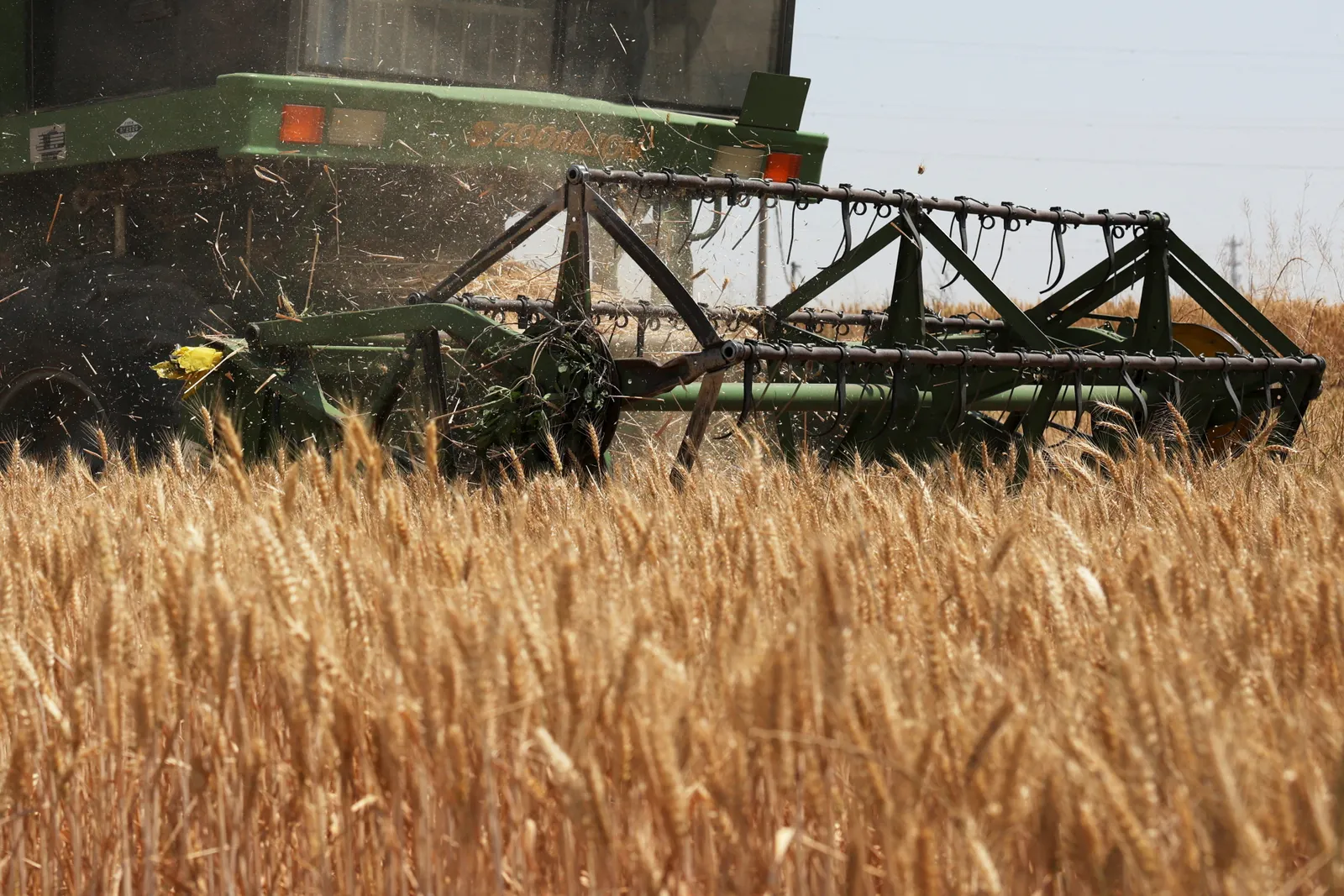
Nearly half of the world's ample wheat stocks are held by China, the world's top producer and consumer of the grain, providing a reserve that should help curb import demand if drought dents production in key supplier Australia.
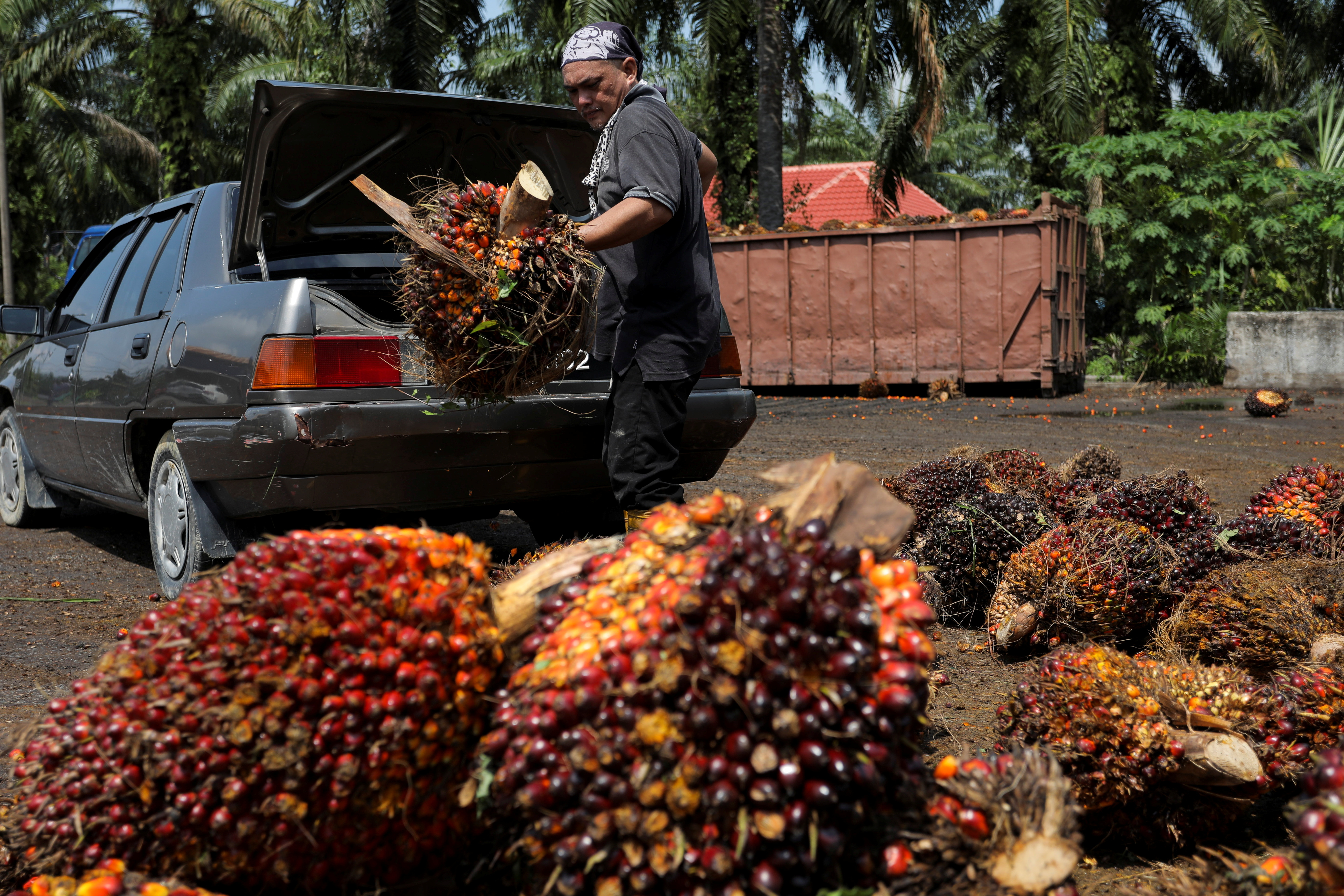
Global palm oil stocks stand near historic highs, although Indonesia's aggressive biodiesel programme is likely to trim inventories in coming months. Palm oil accounts for about 60 per cent of global edible oil exports.
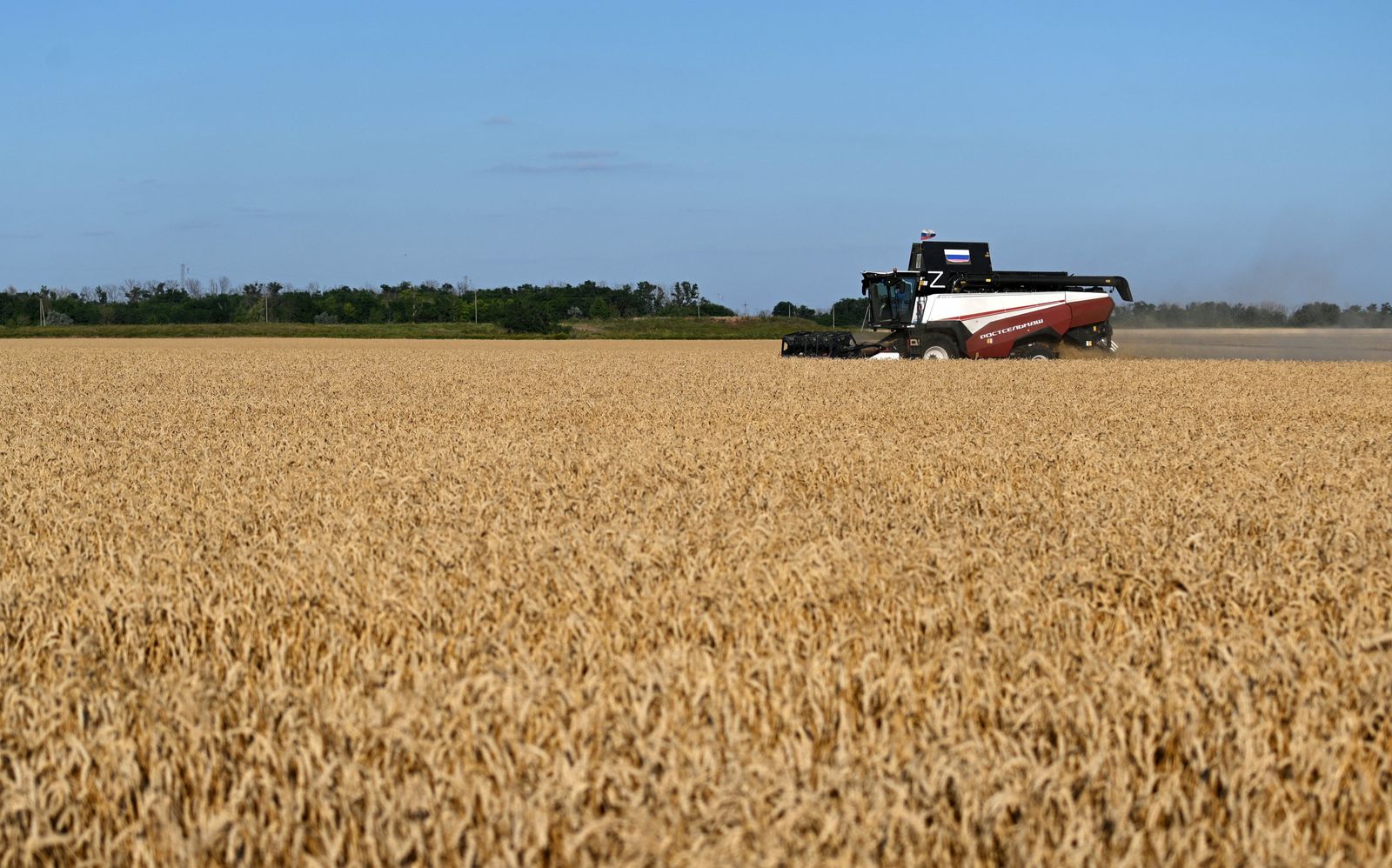
Exporters Russia, Brazil
The emergence of new export hubs that barely existed a few decades ago has added significant supplies to global markets.
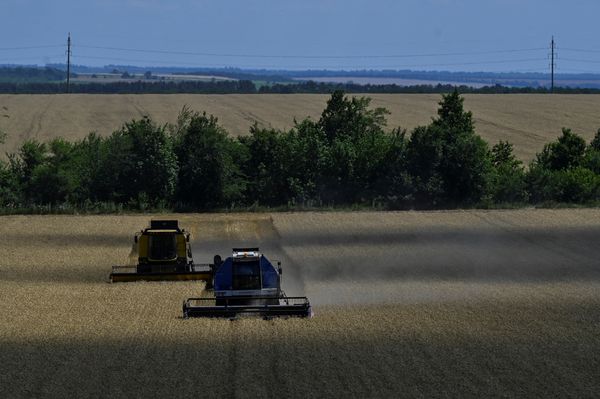
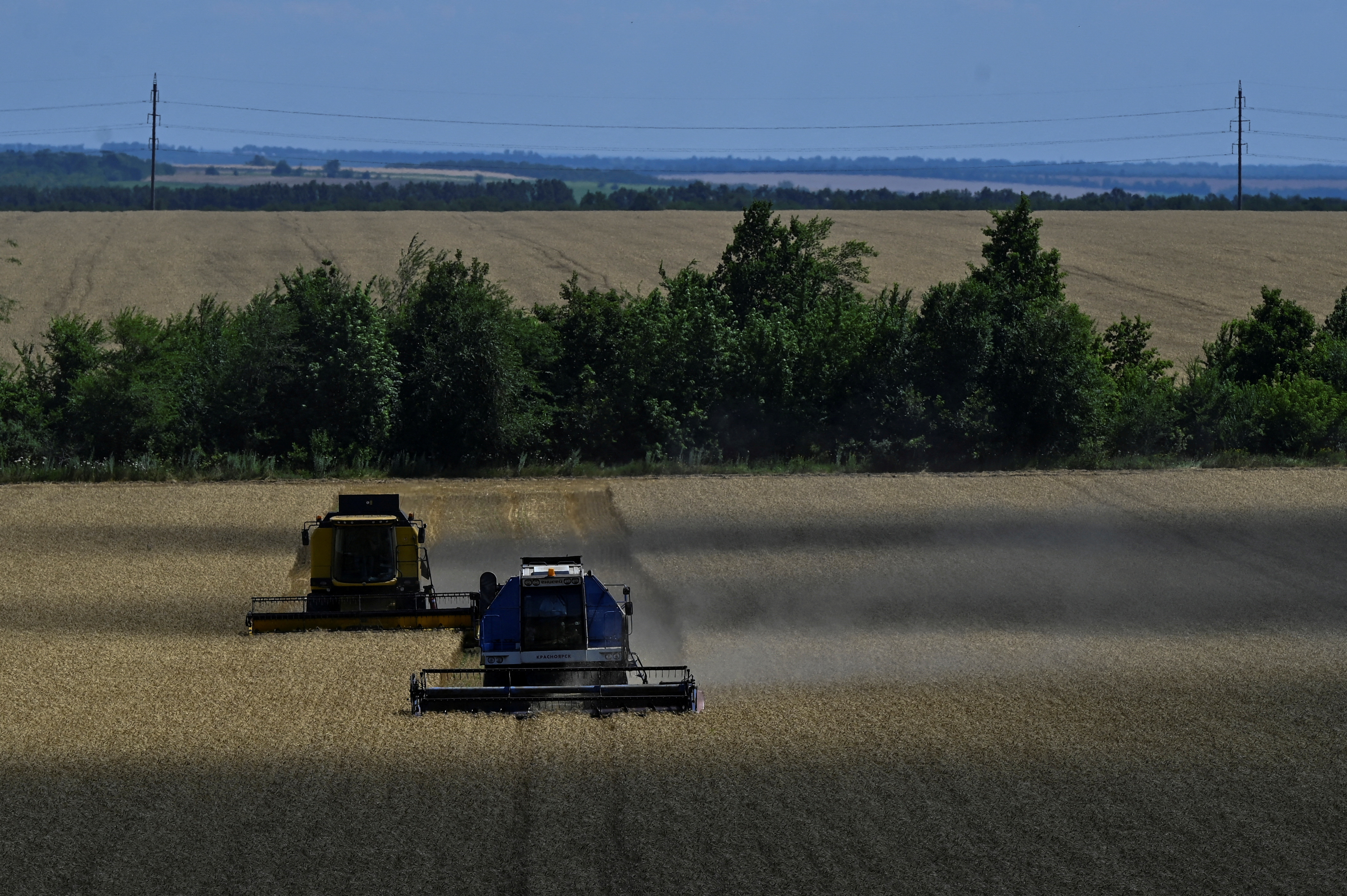
For example, Brazil has become the world's biggest soybean supplier with exports climbing more than 13-fold since 1997/1998, while Russia's wheat shipments jumped to 48 million tons last year from roughly one million tons in 1997/1998.
Researchers have developed drought-tolerant corn hybrids that have been widely adopted across Africa and the Americas since 2015, helping farmers maintain yields during spells of dryness and erratic rainfall.
Heat- and drought-tolerant wheat varieties have also gained ground in India and Australia, where advances in plant breeding have boosted resilience to water and heat stress, shaving the risk of sharp losses from adverse weather.
In South and Southeast Asia, short-duration rice varieties help farmers cope with increasingly erratic monsoon rains.
Farmers are now equipped with a suite of digital tools barely available during the El Nino event of 1997 and 1998, from satellite-based crop monitoring and seasonal climate forecasts to high-resolution soil moisture maps and GPS-guided fertiliser application that let them target inputs more efficiently.
"Governments have much better information than in the past and are able to prepare earlier. Our forecasting and market transparency have improved," FAO Chief Economist Maximo Torero told Reuters.
Farmers are flocking to artificial intelligence-powered advisory platforms that integrate weather forecasts, soil data, and crop information to provide timely recommendations on planting dates, irrigation, fertiliser use, and pest management.
Nonetheless, experts have warned that wars in the Middle East and the Black Sea region temper some of that optimism.
"Much will depend on how conditions evolve during the second half of 2026, particularly given the reduced use of agricultural inputs caused by the Strait of Hormuz crisis and higher fertiliser prices," Torero said.
The Strait of Hormuz carried about a fifth of global crude oil and liquefied natural gas supplies before it was blockaded during the Iran war that began in February, disrupting global fuel and fertiliser supplies.