SINGAPORE, June 19 — A super El Nino is likely to unsettle global weather and threaten food output in the coming months, but near record world inventories, expectations of near-normal conditions in some key producing regions and advanced planning could limit the fallout.
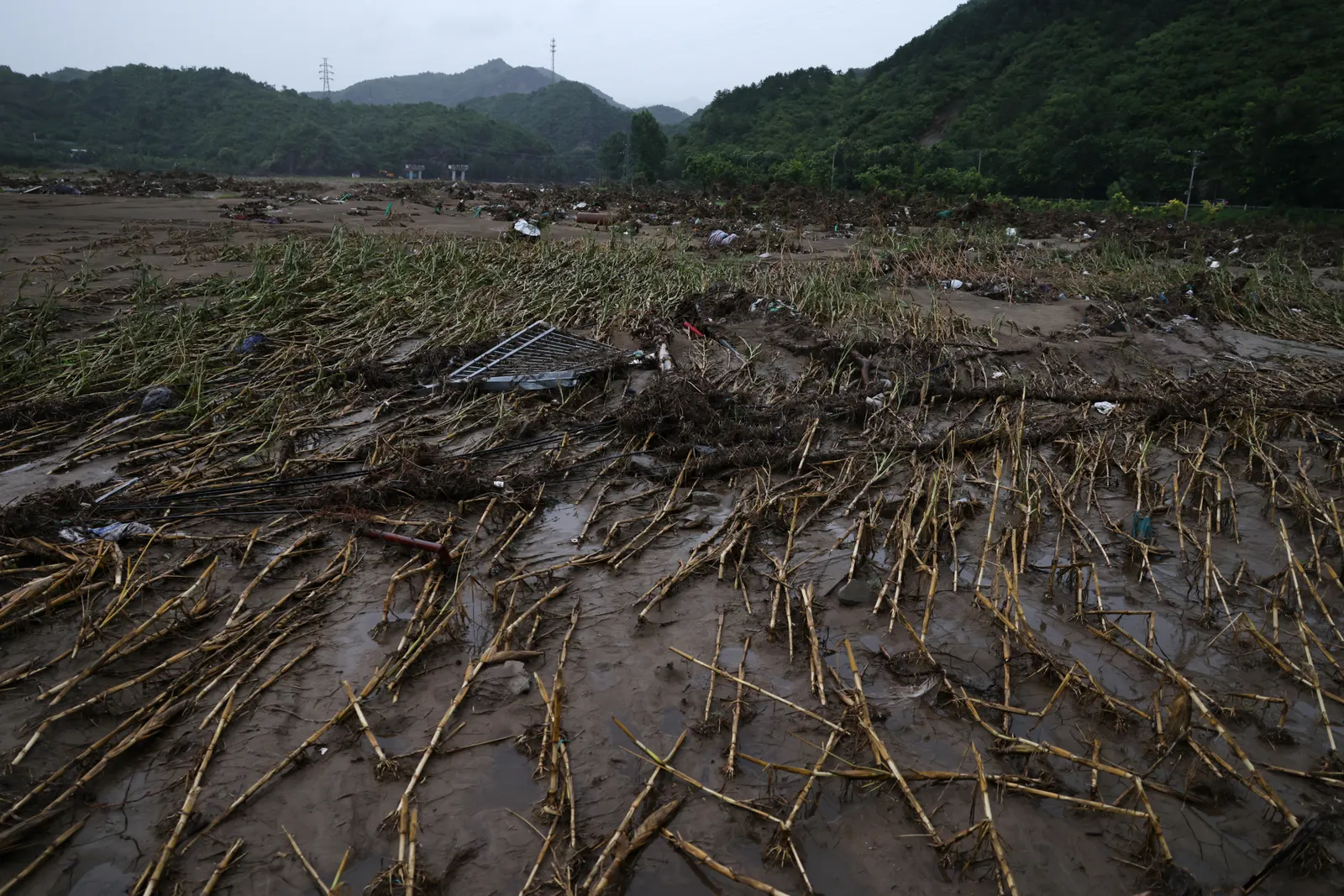
Meteorologists say that El Nino, which typically brings heat and dryness to large parts of Asia and heavy rains to the Americas, is expected to strengthen, potentially surpassing previous record events that devastated crops, fuelled social unrest, and caused tens of billions of dollars in economic losses worldwide.
"There is a bit of silver lining as far as global stocks and recent harvests of rice and other cereals are concerned," said the United Nations' Food and Agriculture Organisation (FAO) economist, Shirley Mustafa, adding world inventories are likely to cushion some of the El Nino impact.
The last super El Nino in 2015-2016 brought droughts, floods and record global temperatures, disrupting agricultural production from Asia to Africa. Its predecessor in 1997-1998 caused widespread damage, triggering devastating floods, wildfires, and crop losses.
But the 2026/2027 episode could be different as consecutive years of record harvests have swelled global food inventories, especially in key consuming and exporting countries.
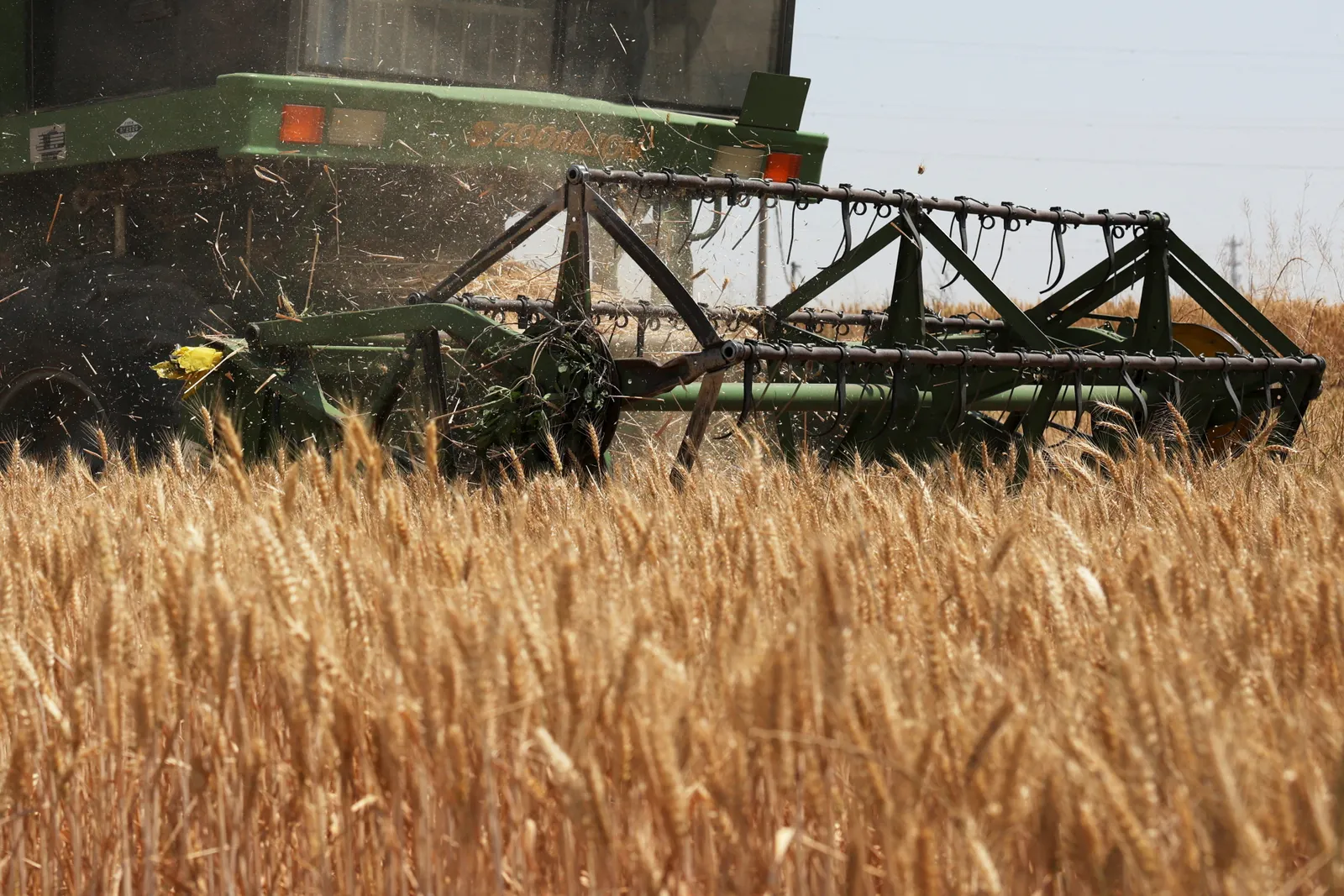
The United States (US) Department of Agriculture's (USDA) data has revealed that global wheat stocks are forecast to reach 279.95 million metric tons at the beginning of the crop year on July 1, the highest in five years.
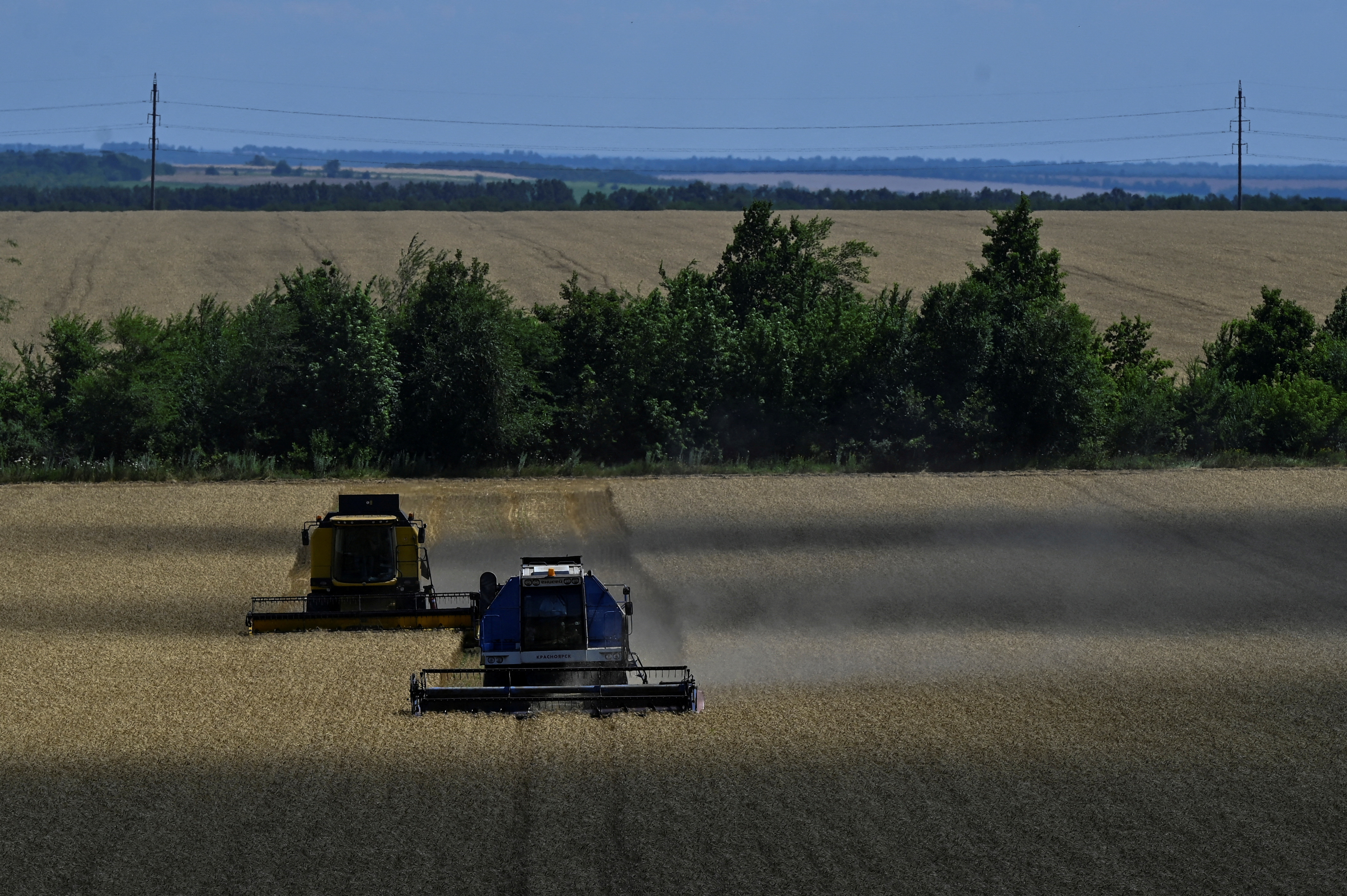
Russia, the world's largest wheat exporter, along with other major Northern Hemisphere producers, is in the midst of harvesting a bumper crop, although concerns remain about the US wheat harvest, which has been hit by drought.
"Wheat millers in importing countries are not worried about supplies at this stage. There are no issues with supplies over the next four to six months, given the Black Sea harvest," said one trader in Singapore.
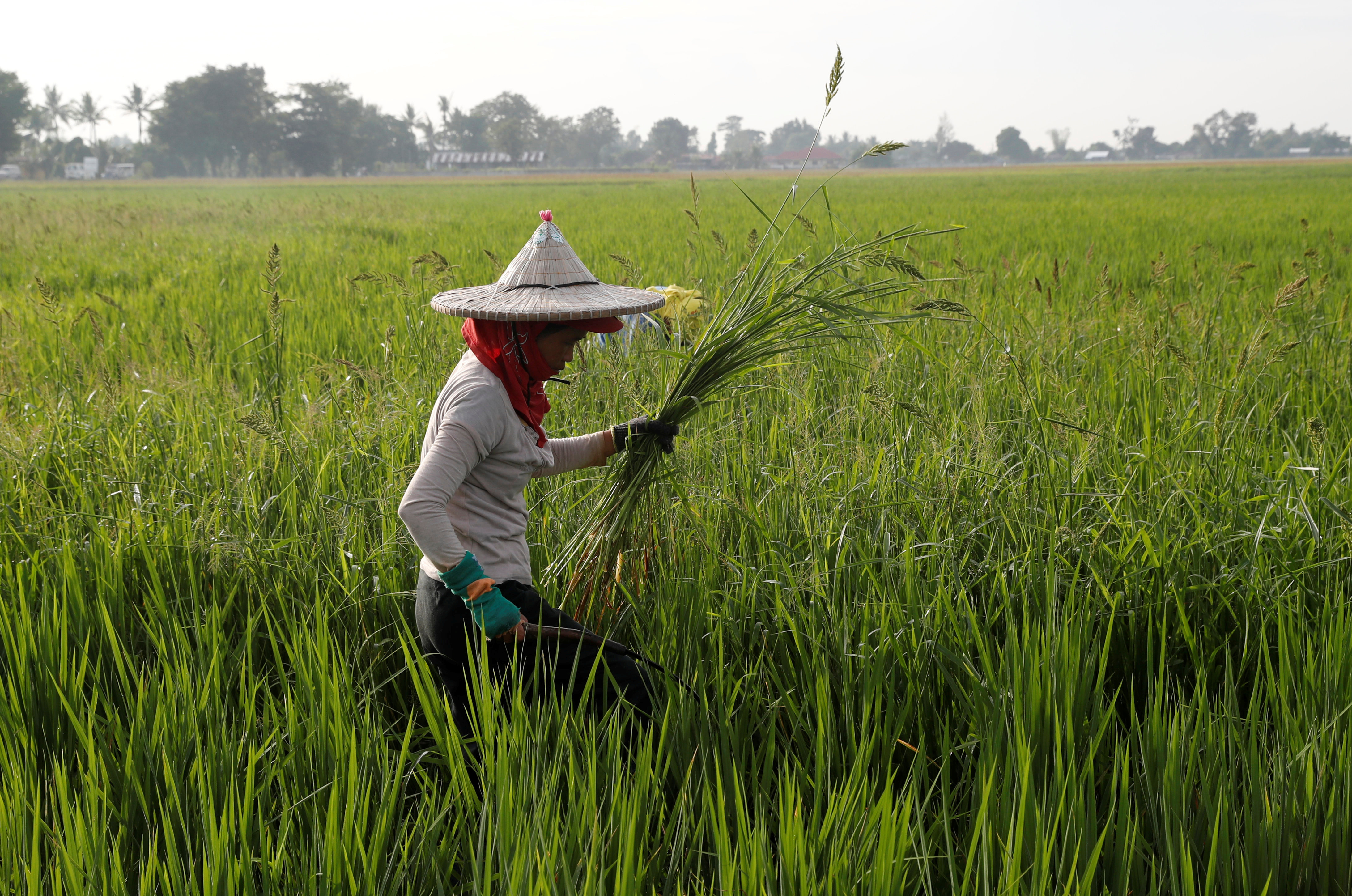
World milled rice reserves reached an all-time high of 196.16 million tons at the start of 2026, with India, which accounts for 40 per cent of global exports, holding stocks at about five times the government's target.
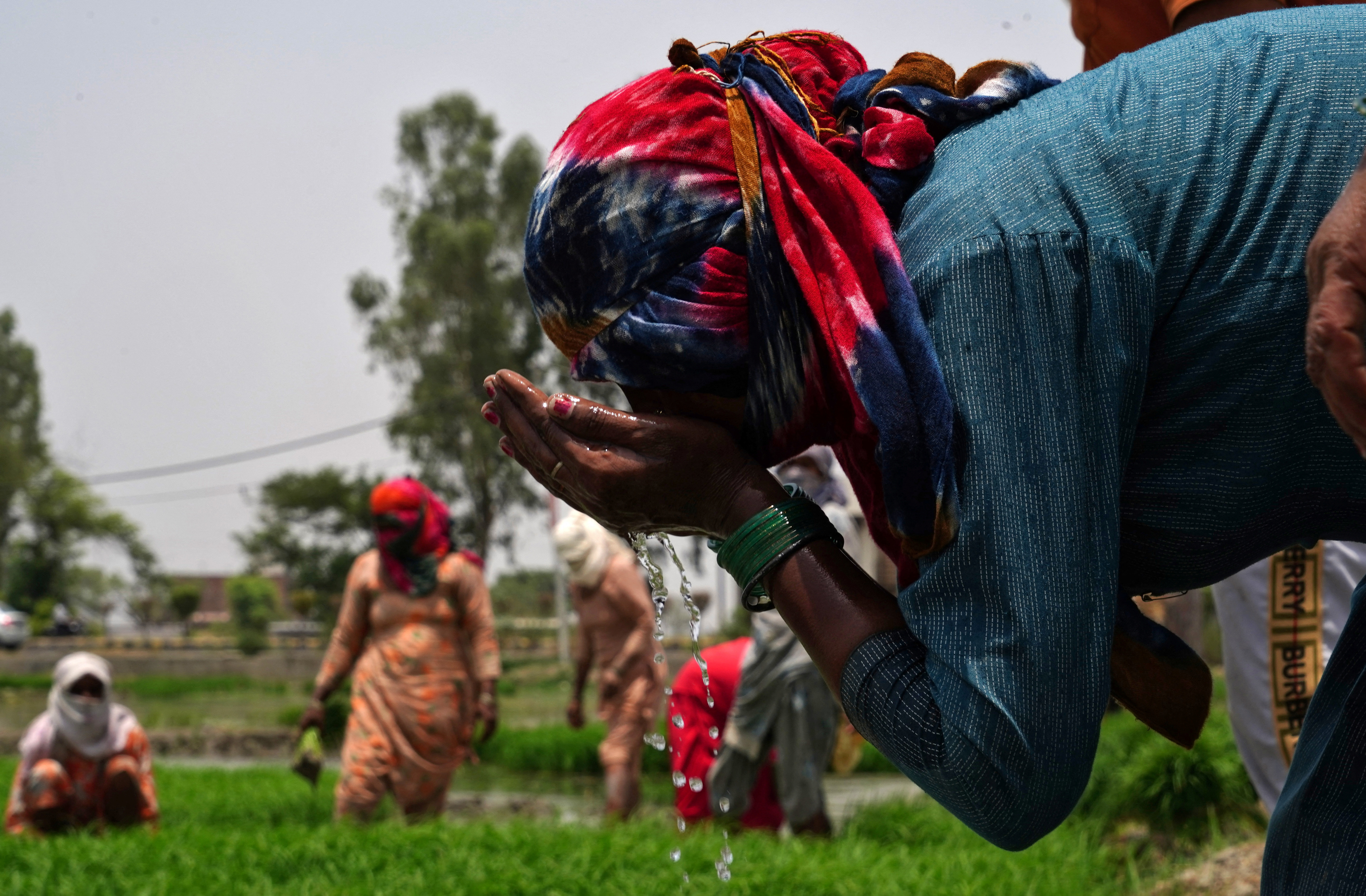
"India imposed curbs on rice exports during previous El Nino years when production came under pressure. But with record wheat and rice inventories this year, the government is unlikely to restrict rice exports," said one New Delhi-based dealer with a global trade house.
The sources declined to be named as they were not authorised to speak to the media.
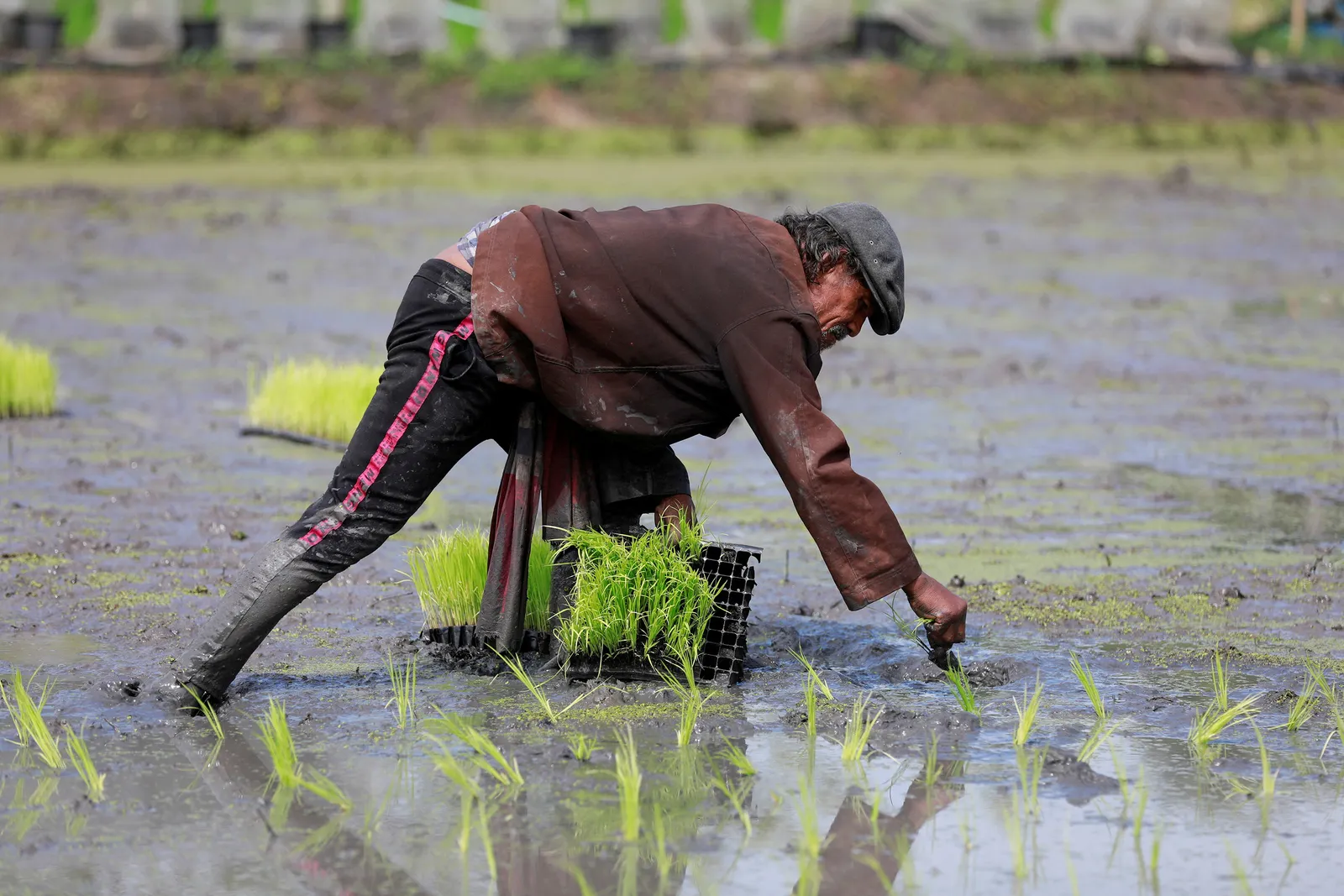
Indonesia, a key global rice importer, is also sitting on a record stockpile, with officials saying that farmers are racing to plant rice early to mitigate El Nino risks.
The country's Rice Millers and Rice Entrepreneurs Association chief Sutarto Alimoeso said that the impact of El Nino will depend on how well the country prepares this year, including improvements to irrigation and water pump systems.
In Thailand, the world's third-largest rice exporter, analysts have said that reservoir levels are the highest in the past decade, which are likely to aid newly planted seedlings.
Global corn inventories are projected by the USDA to reach 303.4 million tons by September 1, the highest in three years, while soybean stockpiles are forecast at 125.5 million tons, just below last year's record of 126 million tons.
"A strong El Nino forecast would have had a different impact on prices if the world supply was tight," said Sydney-based commodities consultancy Cornucopia's founder Tobin Gorey.
Chicago corn hit a nine-month low this week, soybeans slid to a four-month low and wheat was at its weakest in two months amid favourable US weather and weaker oil.
China, Black Sea, and Europe
While Australia, Southeast Asia, and India face the biggest threat from El Nino, China, the Black Sea region, and Europe are forecast to experience less severe weather.
"The European weather system is geographically far away from El Nino, and although there are sometimes links between El Nino conditions and European weather patterns, these can be hard to predict," according to a research paper published by the United Kingdom's Parliament this week.
Typically, El Nino brings wetter conditions in Americas, posing a threat to crops and infrastructure only when rainfall triggers flooding.
Rains for palm oil
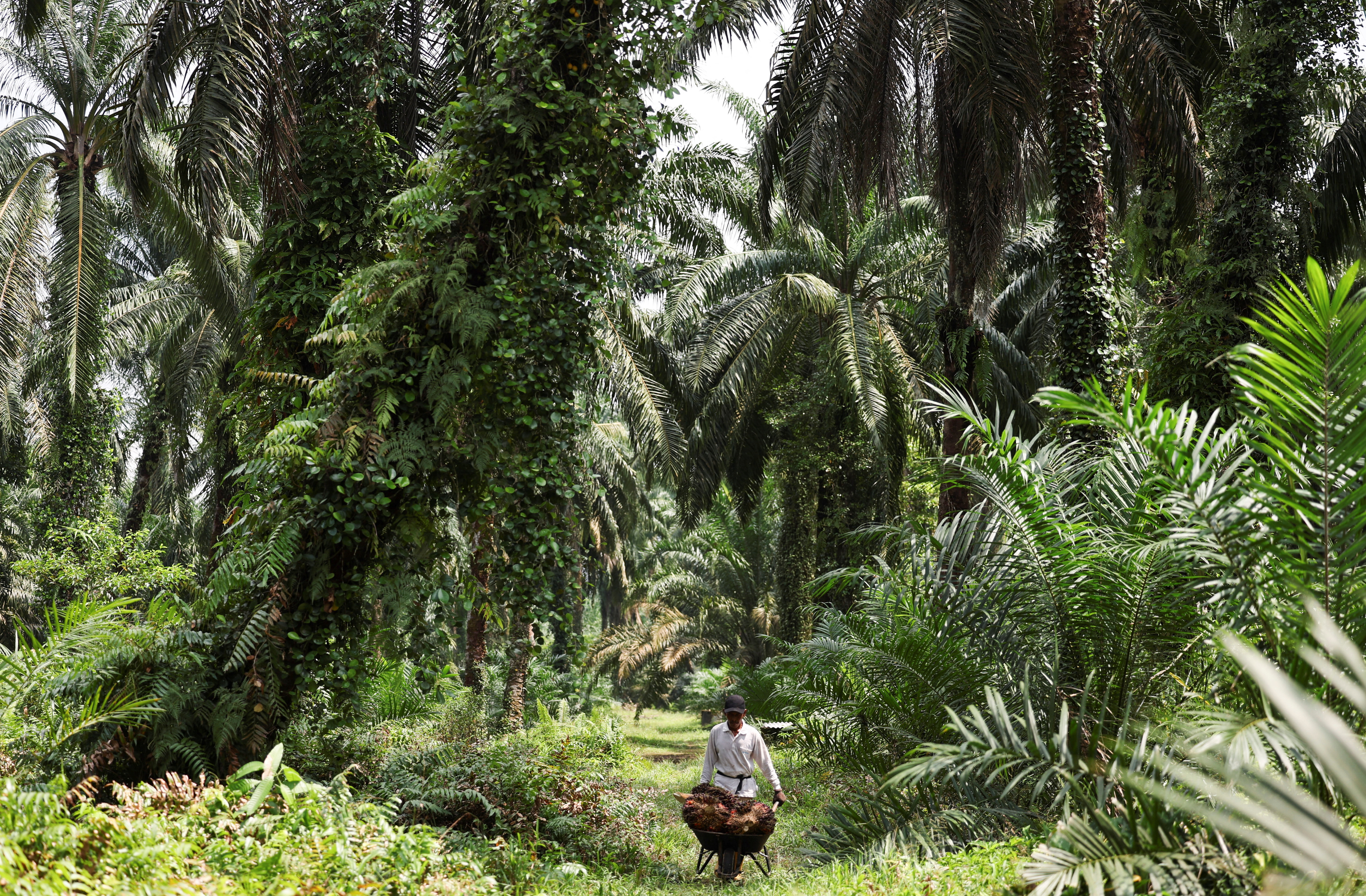
In the top palm oil-producing countries, Indonesia and Malaysia, most areas are still experiencing rainfall.
"Looking broadly across Kalimantan and Sumatra, sunshine is still accompanied by rainfall, with conditions remaining suitable for palm oil growth," said Indonesia's smallholders group APKASINDO chairman Gulat Manurung, who also noted that the frequency of rains has dropped.
Similarly, newer palm varieties planted in recent years are more drought-resistant, with analysts saying that the trees have gradually adapted to higher temperatures since the 1997-1998 El Nino.
Still, the world remains vulnerable to panic reactions and export curbs, which could tighten grain availability for buyers.
"We have seen it in past how governments react to supply risks and take measure to ensure sufficient local supplies
"Much of that will depend how importers take decisions on purchases and exporters keep the supply pipeline running," FAO's Mustafa said.