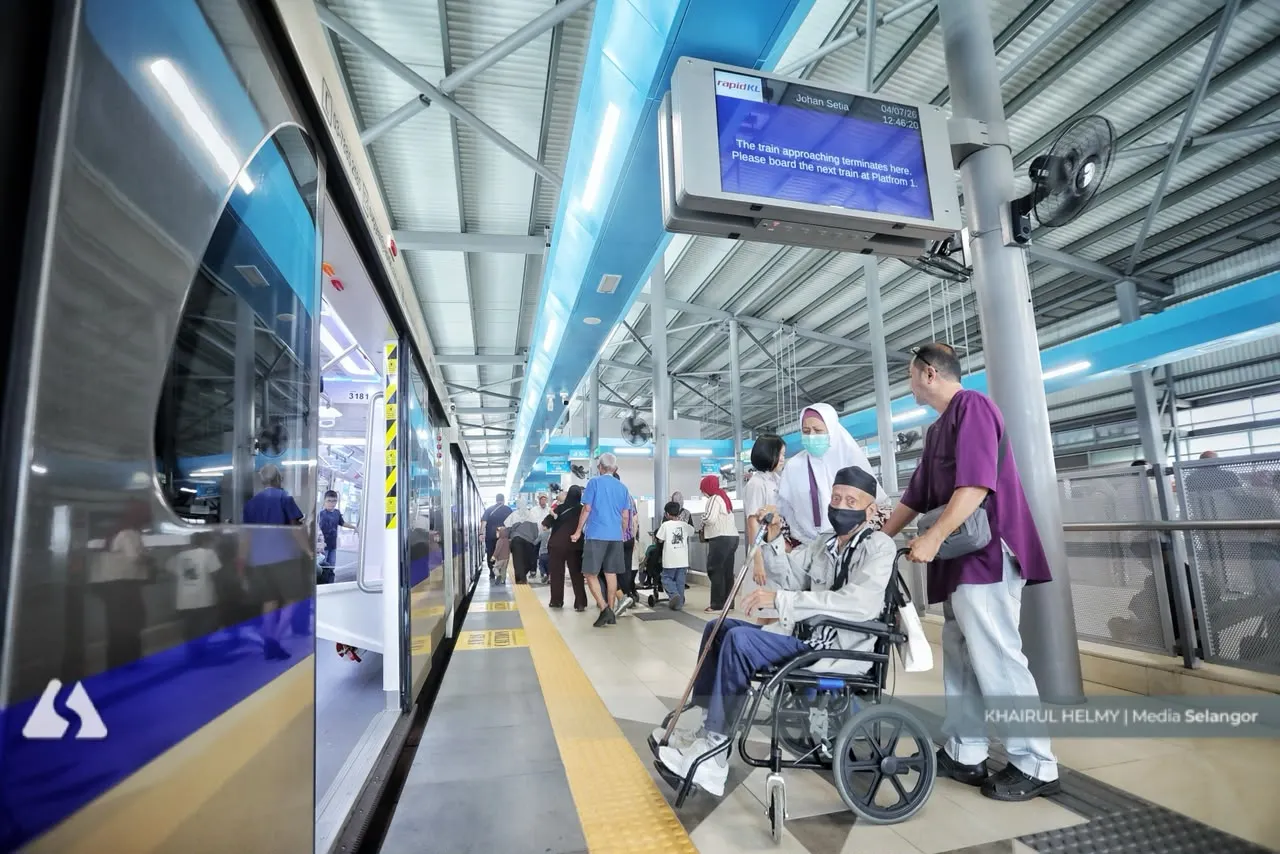

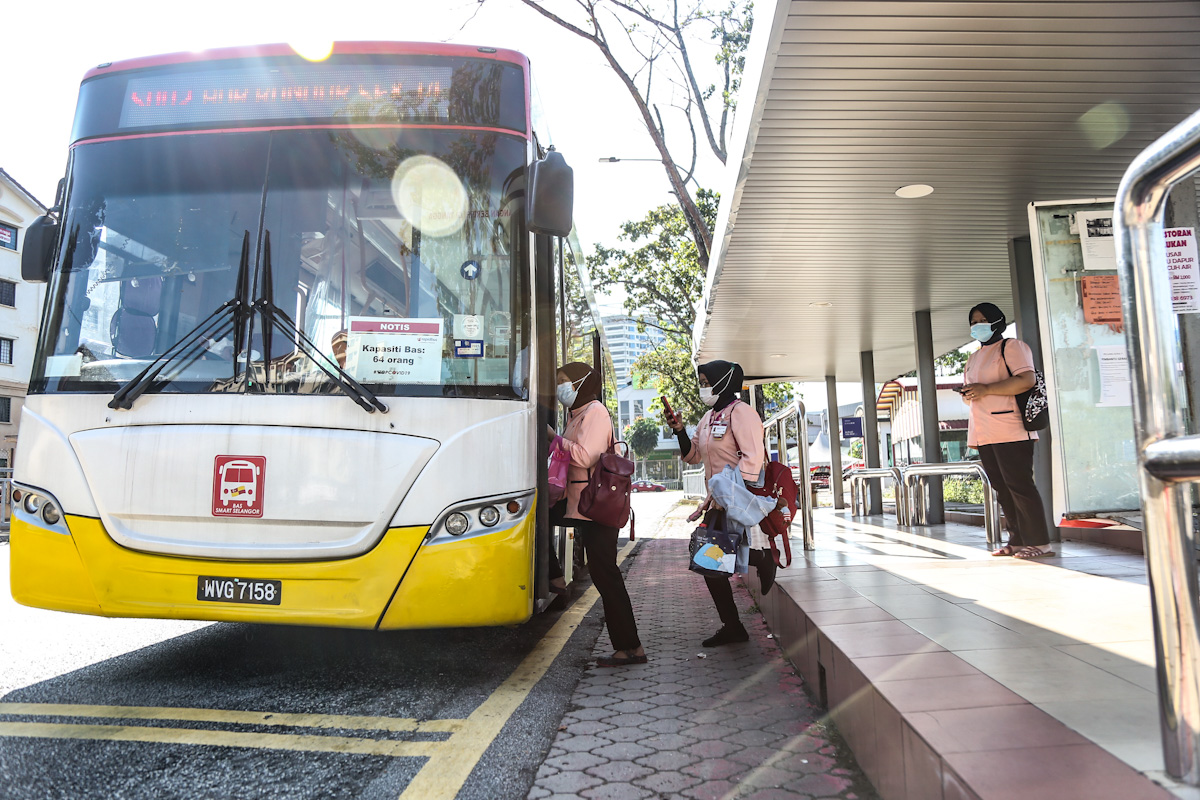
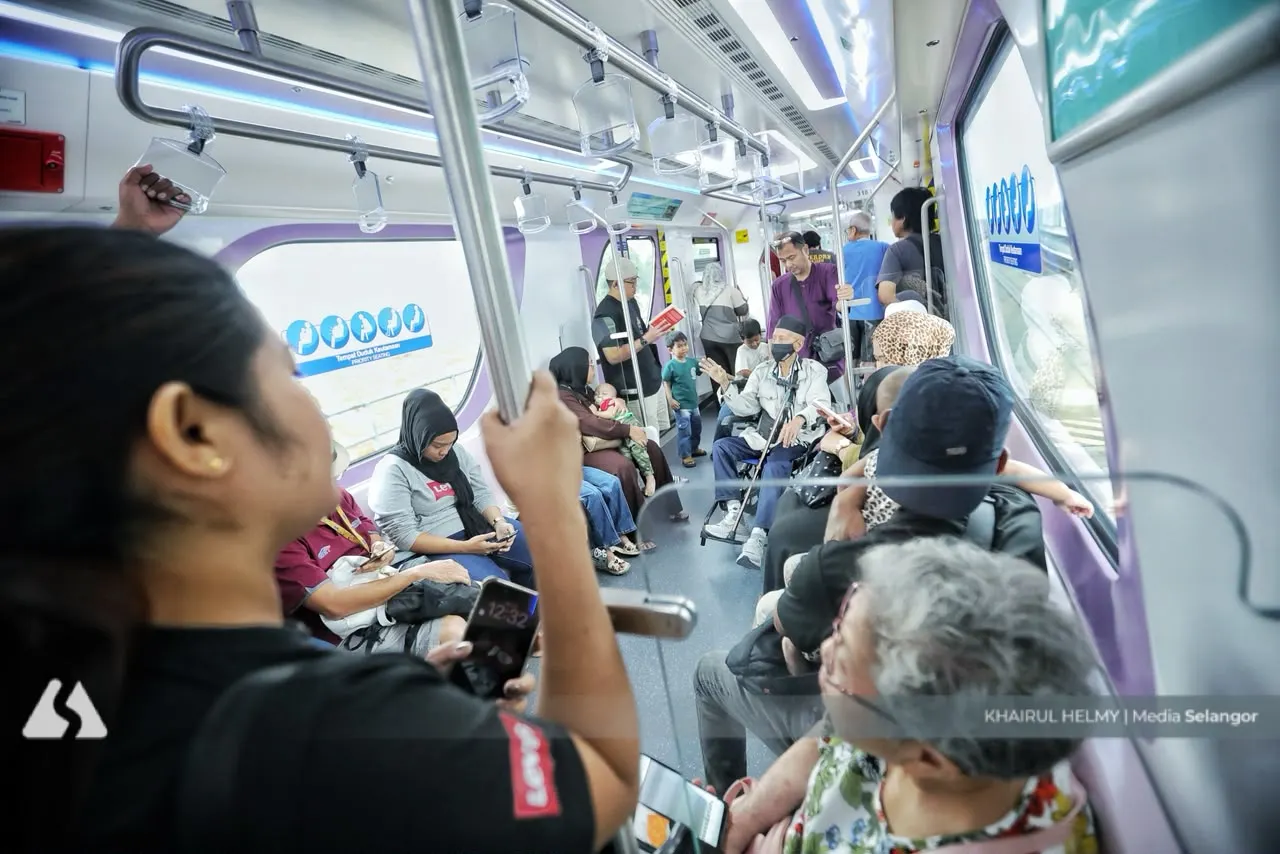
SHAH ALAM, August 8 — Transport experts have welcomed Selangor's proposal to potentially integrate rail and bus rapid transit (BRT) services under the Kita Selangor Rail Line initiative, but said the allocation of services should be guided by passenger demand and corridor capacity.
MDS Consultancy Group managing director Rosli Azad Khan said a combination of rail and high-quality BRT services will enable the state government to expand public transport coverage more efficiently, provided each mode is deployed where it is most suitable.
Rail should be prioritised for corridors with very high passenger demand due to its superior capacity and reliability, while BRT systems are better suited for areas with moderate demand.
"Not every corridor requires an expensive rail system. High-demand routes should use rail, while corridors with moderate demand can be served by quality BRT systems with fully dedicated lanes, comfortable stations, and priority at intersections.
"Such an approach would reduce construction costs, accelerate implementation, and enable the government to extend the network to more areas using the same level of funding," he told Media Selangor.
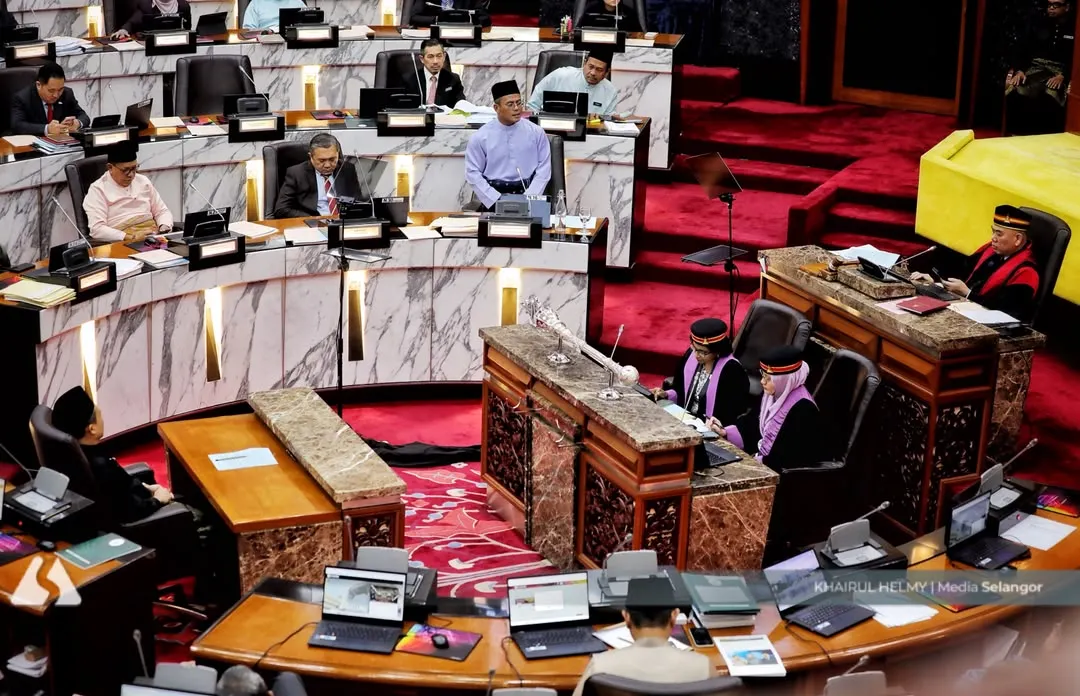
During the tabling of the Second Selangor Plan (RS-2) at the Selangor State Legislative Assembly sitting yesterday, Menteri Besar Dato' Seri Amirudin Shari announced that the proposed Kita Selangor Rail Line may be implemented either through a fully rail based system or by combining rail and BRT services to reduce infrastructure costs.
The development of the rail line, part of RS-2’s “Mission 2: Balanced Development and Equitable Opportunities Across District”, will link the state’s west coast to the Klang Valley.
Rosli added that to encourage greater usage, BRT services must operate on dedicated lanes rather than share roads with general traffic.
"If buses remain stuck in congestion, the advantages of BRT are lost and people will continue using private vehicles. A fully dedicated BRT system can deliver performance close to rail at a much lower cost, making it a suitable option for corridors that do not yet have sufficient passenger demand to justify rail,” he said.
Rosli also urged the state government to ensure all transport planning is based on comprehensive studies by transport specialists rather than political considerations or proposals driven solely by private parties.
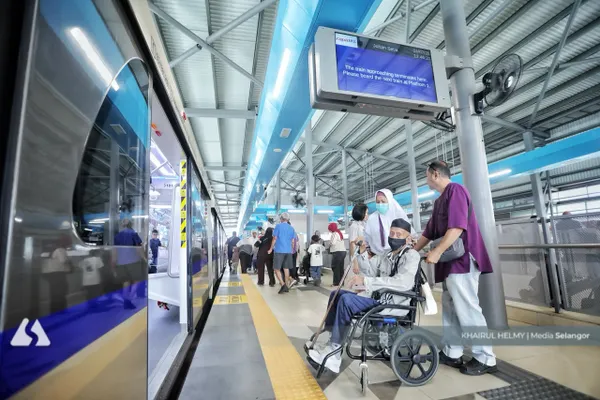
Meanwhile, Malaysian Public Transport Users Association chairman Ajit Johl similarly said a rail-BRT combination for the Kita Selangor Rail Line would be a practical solution if properly planned and implemented.
"Rail should serve high-capacity corridors, while BRT can function as an effective feeder network connecting less densely populated areas to the wider rail system,” he said.
Ajit noted that the success of the model depends on factors such as having dedicated BRT lanes, strict enforcement, seamless fare, timetable integration, and high safety standards.
"The objective is not merely to reduce construction costs but to provide an efficient, safe, and reliable public transport system that encourages people to shift away from private vehicles," he said.