SHAH ALAM, Aug 7 — The proposed Kita Selangor Rail Line may be implemented by combining rail and bus rapid transit (BRT) services to reduce infrastructure costs, said Menteri Besar Dato’ Seri Amirudin Shari.
The development of the rail line, which is part of the Second Selangor Plan’s (RS-2) “Mission 2: Balanced Development and Equitable Opportunities Across District”, would link the state’s west coast to the Klang Valley.
He said the proposed transport corridor forms part of the state government’s broader strategy to improve connectivity, encourage greater public transport use, and promote more balanced regional development.
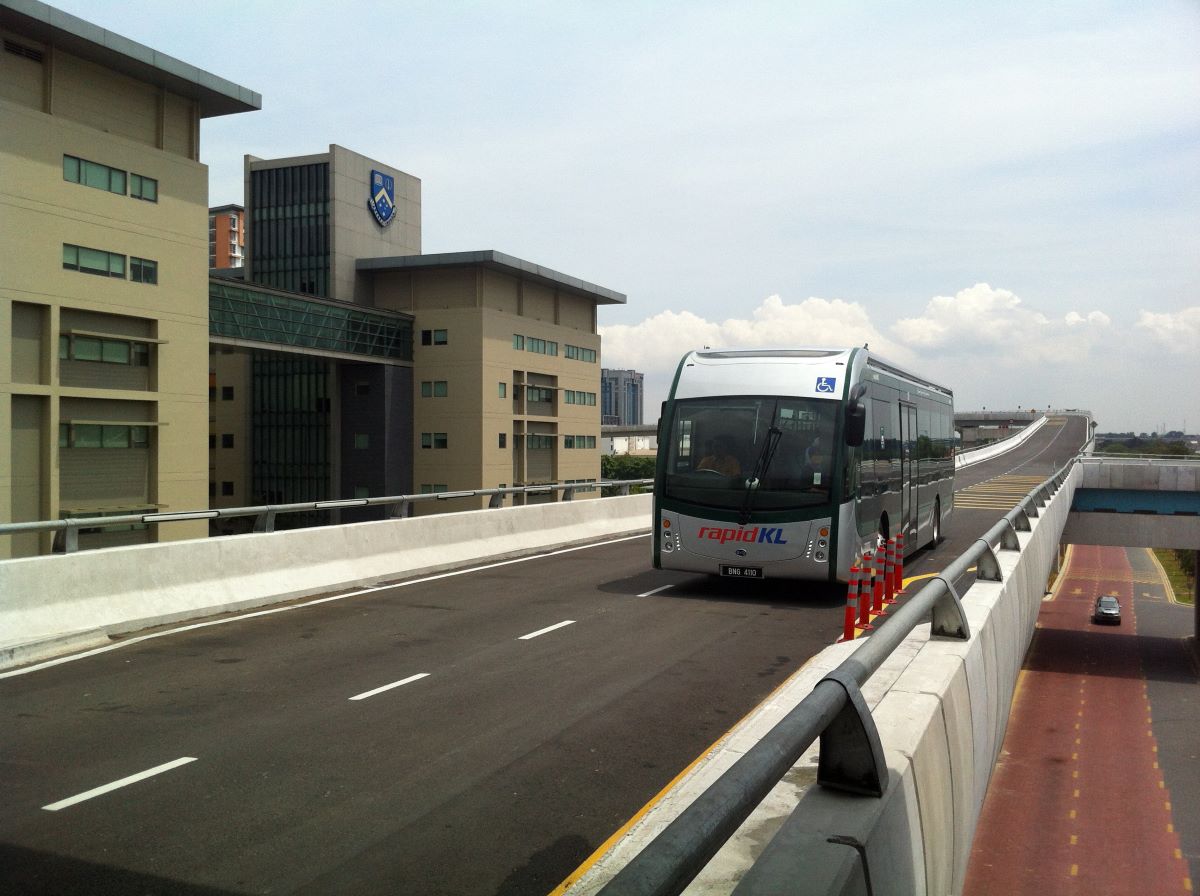
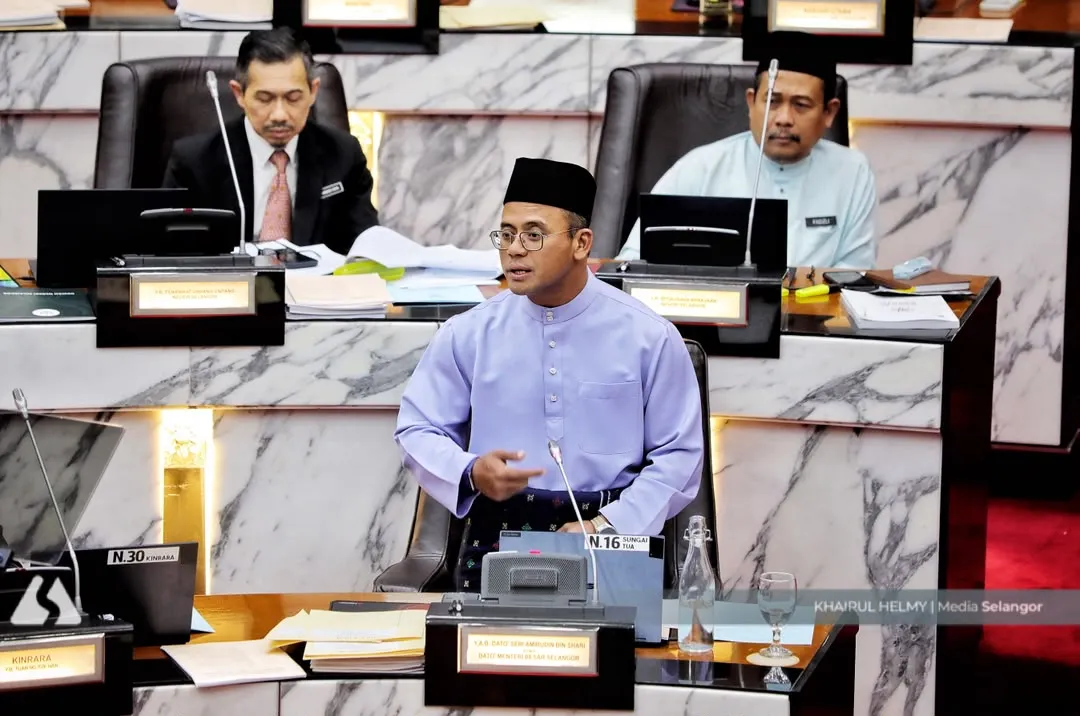
“The state government, through the Kita Selangor Rail Line connecting the west coast of Selangor to the Klang Valley, can realise the project either through a fully rail based system or a combination of rail and BRT to minimise infrastructure development costs,” Amirudin said when tabling RS-2 during the Selangor State Legislative Assembly sitting today.
He added that the project complements the state government’s target of increasing public transport usage to at least 60 per cent, up from the current rate of about 40 per cent.
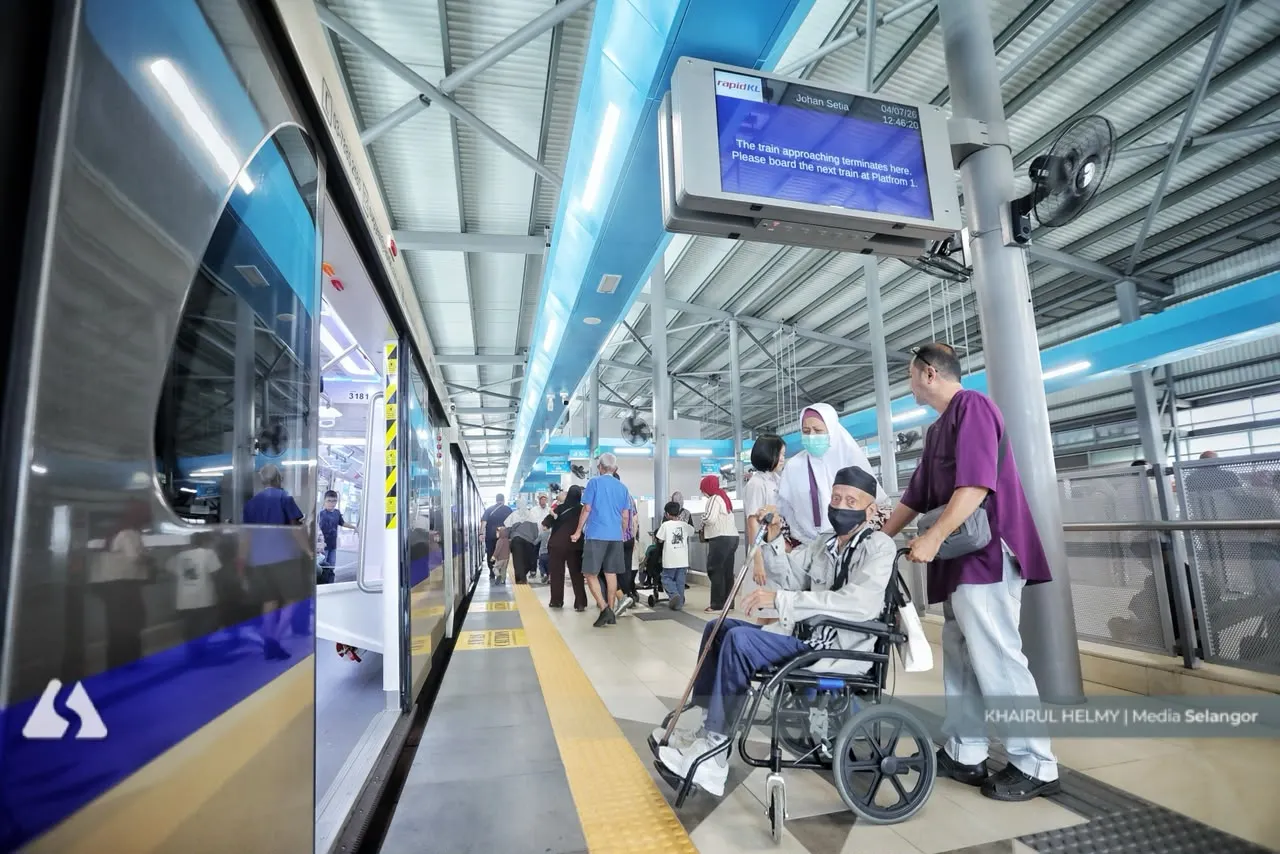
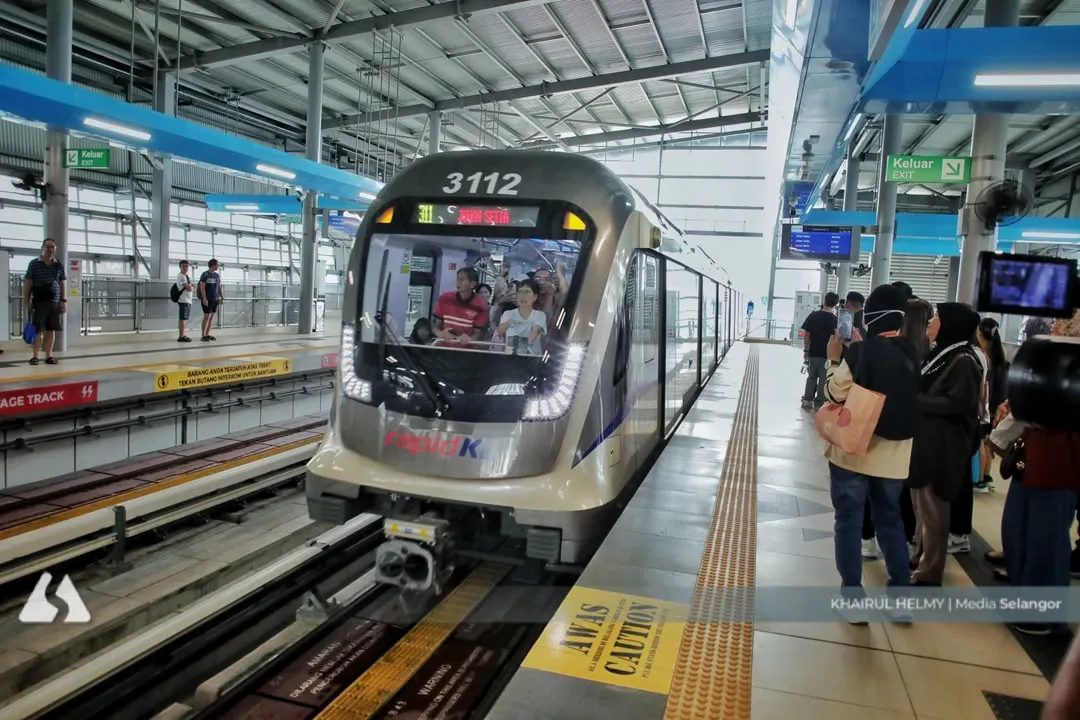
The launch of the LRT3 Shah Alam Line connecting Johan Setia, Klang, and Bandar Utama, Petaling Jaya, presents an opportunity for Selangor to reduce its dependence on private vehicles.
“With the LRT3 extended to Klang, Selangor must seize this opportunity to accelerate the transition from dependence on private vehicles to public transportation,” Amirudin said.
He noted that as of today, six of Selangor’s 12 local authorities — Klang, Shah Alam, Subang Jaya, Petaling Jaya, Ampang Jaya, and Kajang — are connected by LRT and MRT services, providing a strong foundation for an integrated public transport network.
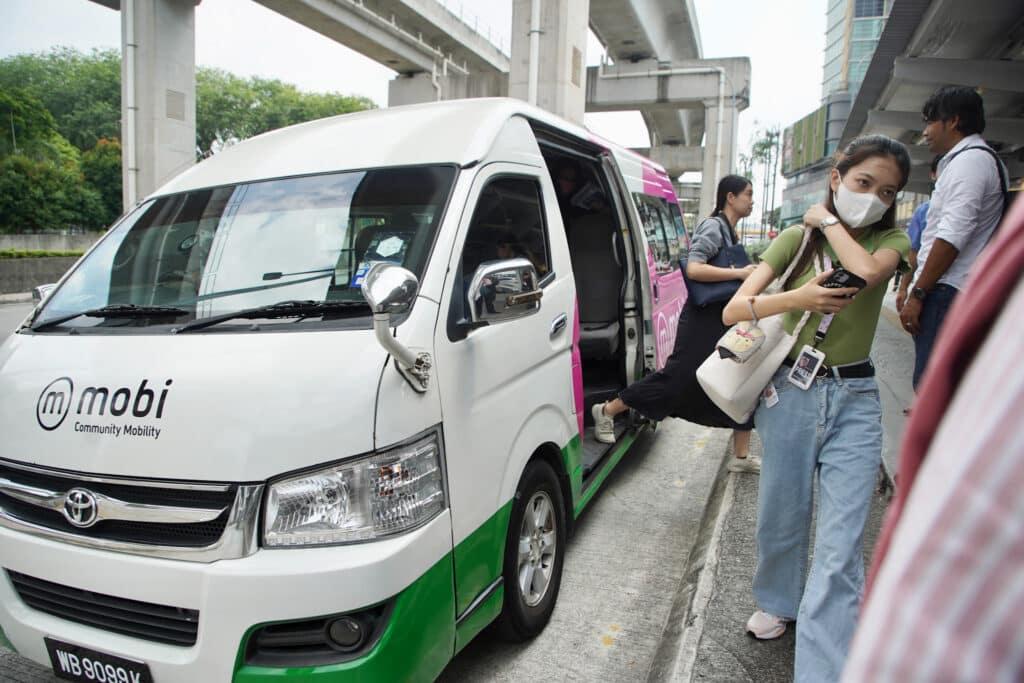
As such, the state government will refine its demand-responsive transit (DRT) services under the Selangor Mobility initiative to avoid overlapping functions with buses, minibuses, and vans, while ensuring the service is focused on transporting commuters to commercial areas.
Meanwhile, the government plans to increase feeder bus frequency between bus terminals and LRT and MRT stations.
“At the same time, the state government wishes to develop more walkable cities. This requires covered pedestrian walkways of at least 500 metres from every train station.
“In addition to that, the government will require one bus stop at all Rumah Selangorku Idaman and Rumah Selangorku Harapan developments to ensure homebuyers can utilise public transport,” Amirudin said.
Elsewhere, the upcoming Selangor Mobility Master Plan will incorporate technology-driven planning to identify traffic hotspots, public activity centres, and residential areas requiring additional neighbourhood bus stops.
“The plan will encompass all these aspects so that Selangor can become the only state in Malaysia to offer a public transport system that is user-friendly and comfortable, subsequently increasing public transport usage among Selangoreans,” he said.