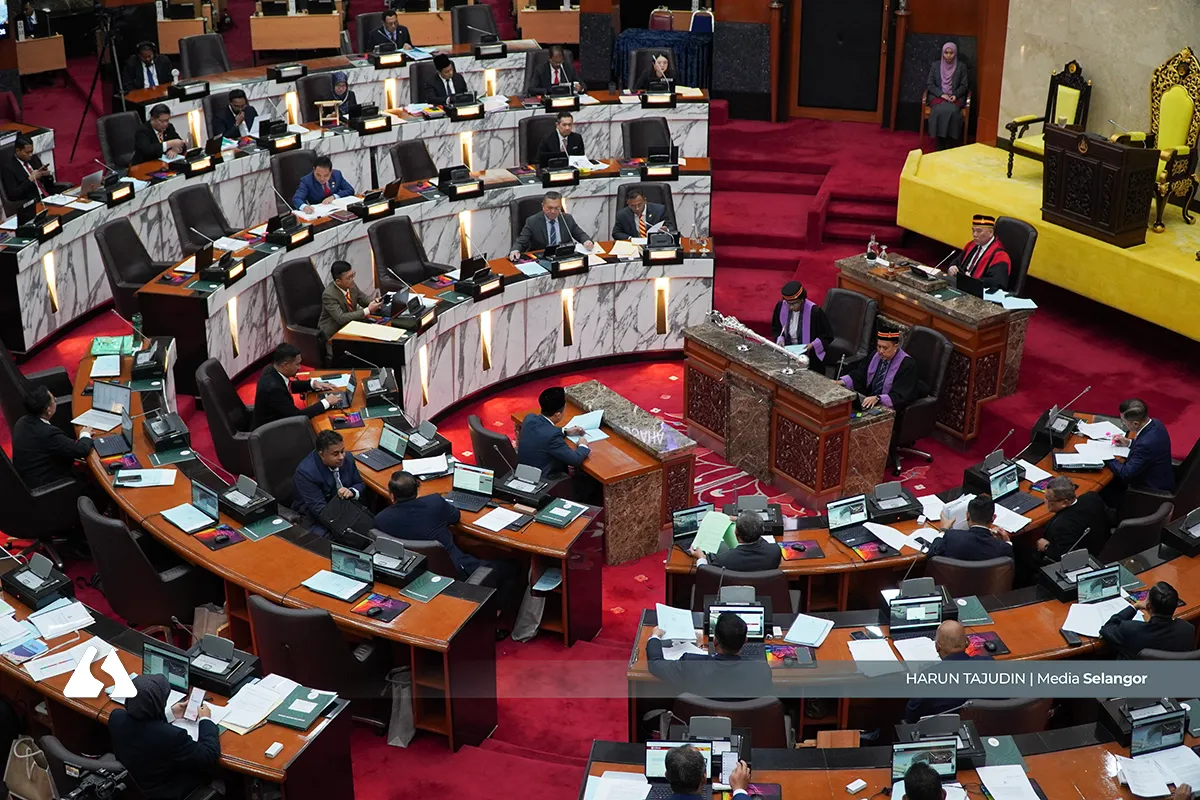
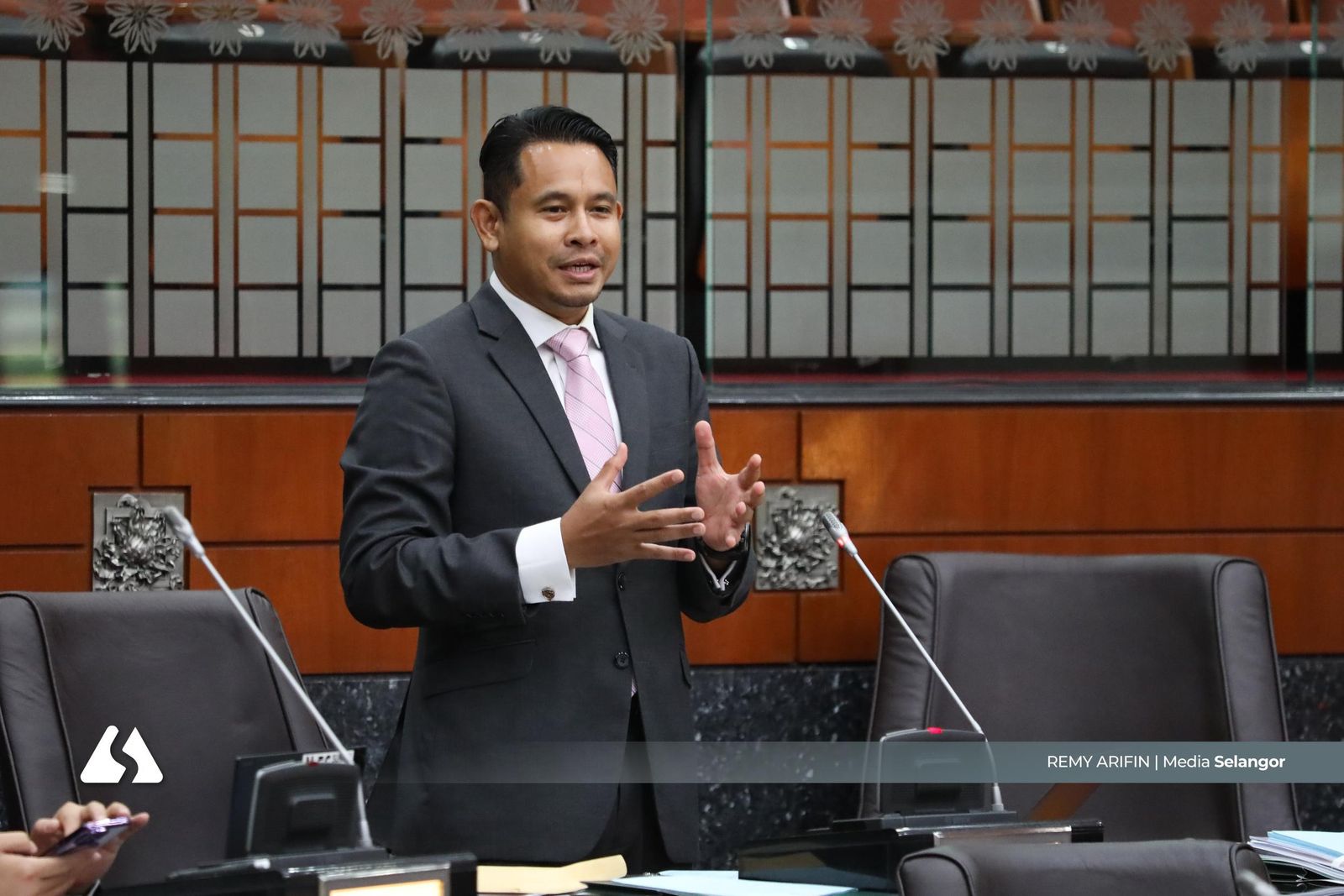
SHAH ALAM, August 6 — The Selangor Islamic Religious Council (MAIS) has maintained a clean audit record for 20 consecutive years until 2024, reflecting its strong governance, accountability and integrity in managing Islamic affairs and funds, said state executive councillor for Islam and innovation Dr Fahmi Ngah.
He added that the achievement proves concerns over the council’s trust fund and estate management are unfounded.
“Since the past 20 years, until 2024, MAIS has received clean audit certificates from the National Audit Department for its financial statements.
“Under Section 82 of the Administration of the Religion of Islam (State of Selangor) Enactment 2003, MAIS’ estimated revenue and expenditure are also subject to the approval of the Selangor Sultan,” he said during his wind-up speech on the debate of the bill at the Selangor Legislative Assembly sitting here today.
The bill was passed by simple voice vote.
Fahmi asserted that MAIS is bound by federal legislation, including the Trustee Act 1949, which governs permissible investments by the council.
“Trust funds are currently invested through Islamic fixed deposits, while any returns are channelled back into trust accounts.
“MAIS is also finalising improvements to its investment policy to ensure better returns through low-risk instruments while remaining compliant with federal law,” he said.
On proposed amendments to fatwas, Fahmi dismissed concerns that the changes would weaken the state’s Islamic governance.
He emphasised that authority over Islamic affairs and fatwa issuance remains under the state’s jurisdiction, as provided for under the Federal Constitution.
“The amendment replacing the word ‘shall’ with ‘may’ only gives the Selangor Fatwa Committee discretion to consider views from the National Council for Islamic Religious Affairs (MKI), instead of making them mandatory,” he explained.
Fahmi said fatwas issued by the Selangor Fatwa Committee are legally binding only for Muslims in Selangor, adding that that the MKI Muzakarah Committee is a platform for discussion and coordination among state muftis and experts and does not independently issue fatwas.
Touching on MAIS’ expanded role under the amendments, Fahmi said the council is already providing shariah legal aid and estate administration services, with the bill meant to strengthen the legal framework governing those functions.
“MAIS provided legal aid to 1,104 people in 2025 and has the capacity to assist around 1,600 individuals annually, while 90 per cent of recipients expressed satisfaction with the services.
“With regard to estate administration, the amendments would allow MAIS to act proactively in assisting vulnerable beneficiaries, including minors, people with disabilities, and cases in which heirs cannot be located, while remaining subject to existing civil and shariah laws governing inheritance,” he added.
Fahmi also stressed that the council’s role is limited to estate administration in accordance with Islamic law and the wishes of the deceased, and does not make MAIS the owner of estate assets.