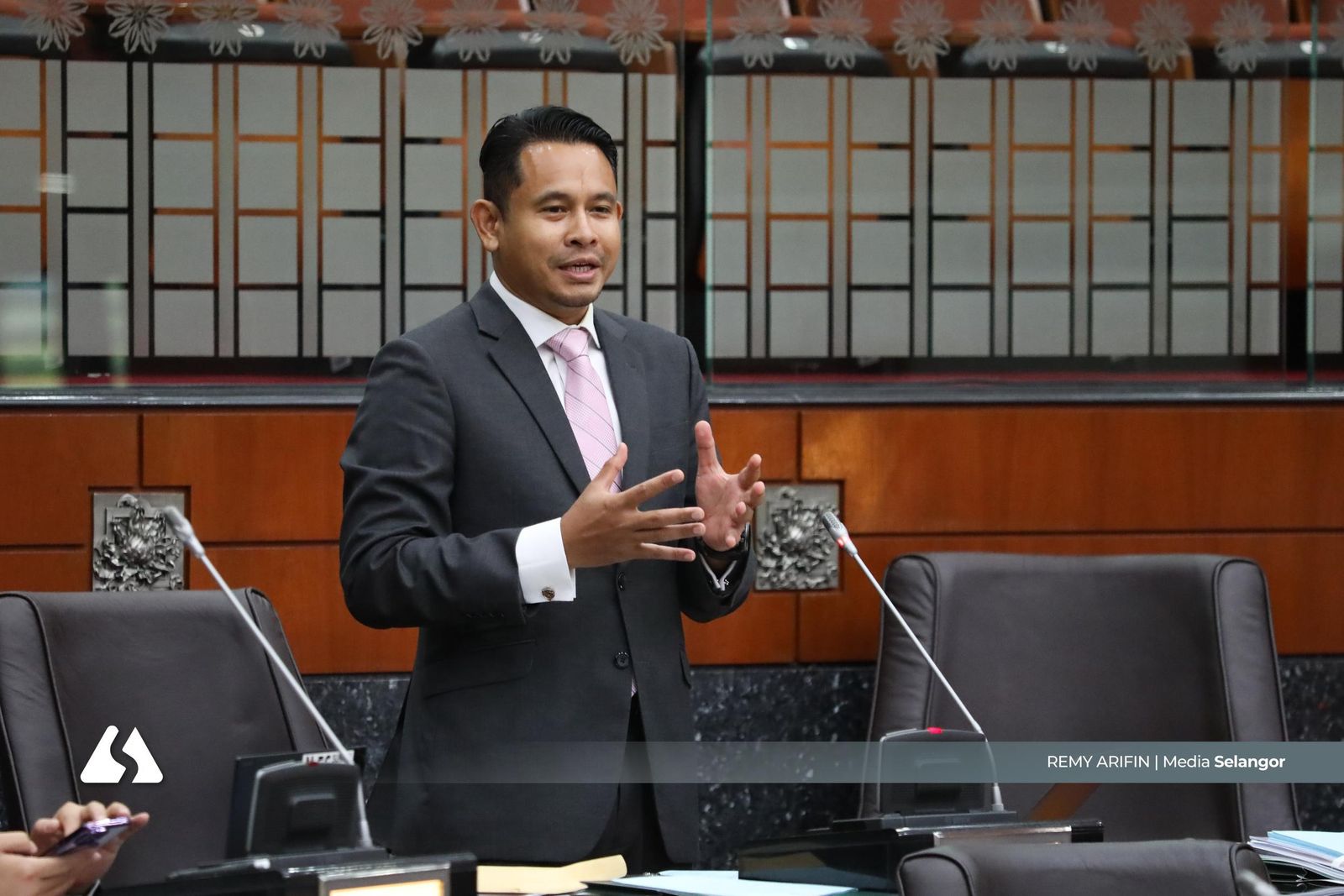
SHAH ALAM, Aug 5 — Batu Tiga assemblyman Danial Al-Rashid Haron today urged the Selangor Islamic Religious Council (MAIS) to facilitate access for disabled people (OKU) to its services.
He suggested the council introduce a Service Access Protocol that includes sign language interpreters, documents in Braille and large font, audio recordings, and digital formats that are compatible with assistive technologies.
“We can’t talk about expanding services to the community if there is a part of the community that can’t access them.
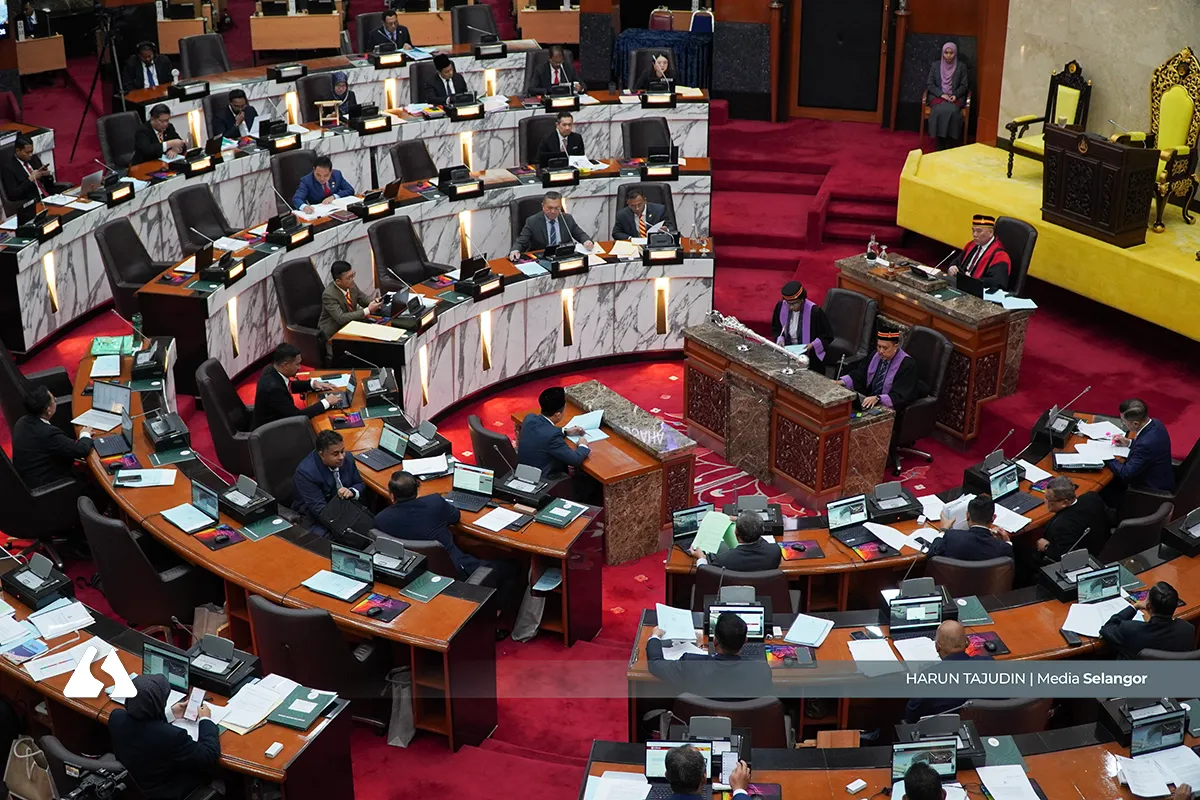
“This amendment must be translated into change that is truly tangible to the OKU group, not just list them as a recipient group without establishing clear implementation mechanisms,” he said when debating the Islamic Religious Administration Bill (Selangor) 2026 at the Selangor State Legislative Assembly sitting today.
Danial, who is also Selangor OKU Action Council (MTOS) chairman, said OKU also need access to will, hibah, alimony, family dispute and inheritance management, but face various constraints in obtaining these services.
Besides the Service Access Protocol, he suggested accessibility audits on MAIS’ premises and digital platforms, OKU-friendly physical facilities, and consistent training for MAIS officers so they may handle customers from various categories of ability.
He added that accessibility isn’t a privilege or special treatment, but a basic condition to ensure everyone receives services fairly.
“The real measure of this amendment’s success is when a deaf individual can obtain legal advice with the help of an interpreter, a sight-impaired person can freely understand documents, and a wheelchair user can enter premises without depending on others’ goodness,” he said.
Danial also recommended that MAIS work with MTOS, OKU associations and professional bodies to develop more inclusive service delivery guidelines so services are planned with consideration for disabled folk from an early stage.
The bill was tabled at the assembly sitting today to strengthen the administration of Islam in the state.
State executive councillor for Islam and innovation Dr Fahmi Ngah said the amendment isn’t meant to change Islamic religious policies in Selangor, but instead streamline and clarify existing provisions so they are more ordered, effective, and in line with the shariah administration and judiciary’s needs.