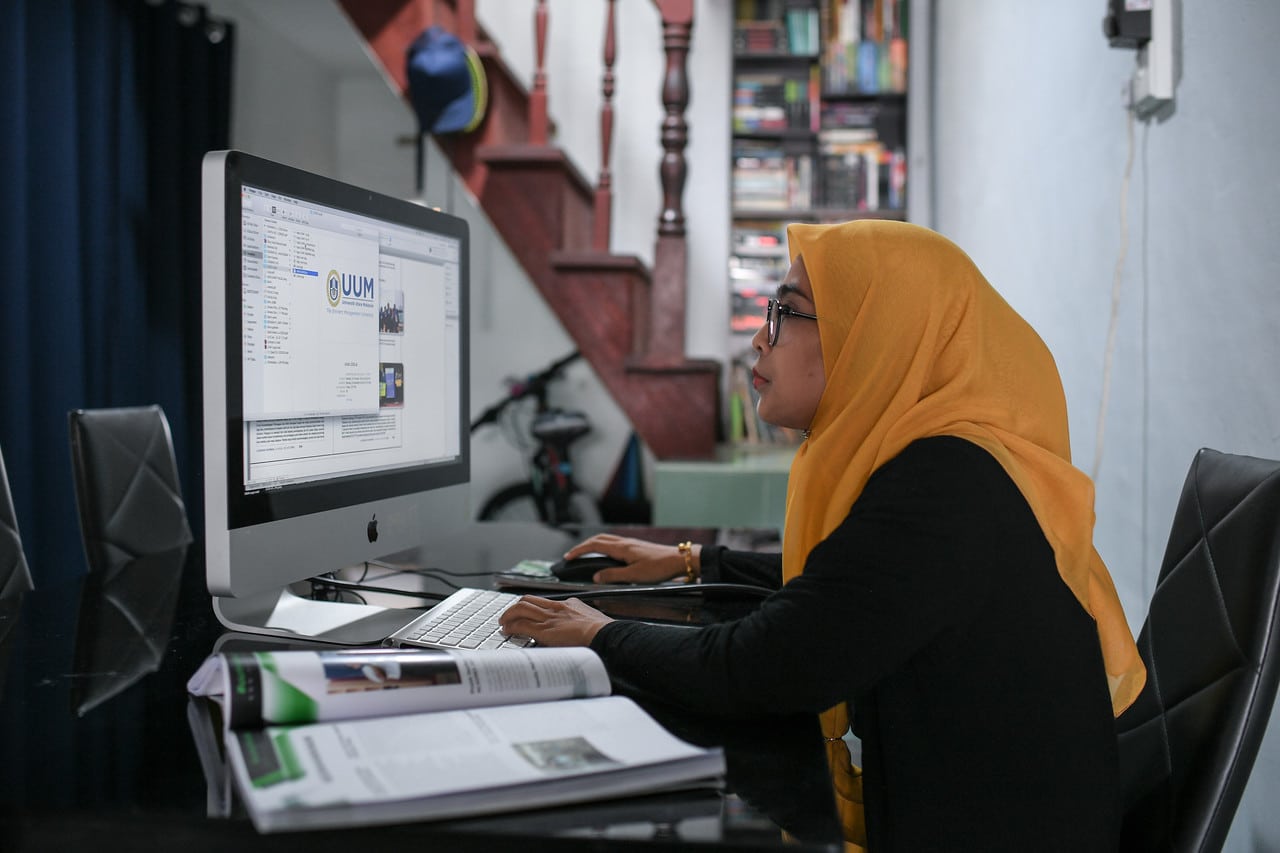
SHAH ALAM, Aug 5 — The government's implementation of the Hybrid Working Day (HBH) Policy, which allows civil servants to work three days in the office and two days from home or an alternative location beginning August 1, 2026, is a bold move that is ahead of its time.
The initiative, which shifts away from the traditional five-day office workweek to a combination of physical attendance and remote working, is more than just a change in work schedules. It represents a significant step in the country's public service reform agenda.
The implementation of this policy should be seen as the highest expression of trust in the maturity and professionalism of Malaysia's civil servants.
Following the global crises faced in recent years, the time has come for the public administration ecosystem to move beyond the conservative mindset that measures productivity and integrity solely by physical presence in the office.
Overall, the policy introduces a new dimension to employee well-being. The flexibility of working from home for two days a week can help ease logistical challenges, time constraints and the rising cost of living associated with daily traffic congestion, particularly for civil servants in urban areas.

When employees' emotional well-being and mental health are safeguarded, productivity and the quality of public service delivery will naturally improve.
The policy also compels the public sector to fully embrace an outcome-based work culture.
Performance assessments should no longer be tied to physical attendance, but instead be measured through the achievement of key performance indicators (KPIs), timely completion of tasks and the efficient delivery of services supported by digital technology. This will, in turn, accelerate the digital transformation of the public service.
However, the freedom and flexibility offered by the policy come with significant responsibility. The success of the Hybrid Working Day Policy depends entirely on the integrity, discipline and accountability of every civil servant.
This flexibility must not be undermined by a minority who neglect their responsibilities or abuse the trust placed in them.
Therefore, civil servants at all levels, from management to support staff, must demonstrate that modern working arrangements can produce a more committed, productive and high-performing workforce.
At the same time, organisational leaders and agency heads must implement the HBH guidelines fairly, equitably and prudently to preserve organisational harmony and operational efficiency.
Public service reform is no longer merely a topic for discussion; it is a necessity in a new era. The Hybrid Working Day Policy provides a strong foundation for building a more modern, dynamic and people-centred public service that prioritises the well-being of its workforce while advancing the nation's development.
Barudin Baharin is president of Universiti Kebangsaan Malaysia’s General Staff Union.