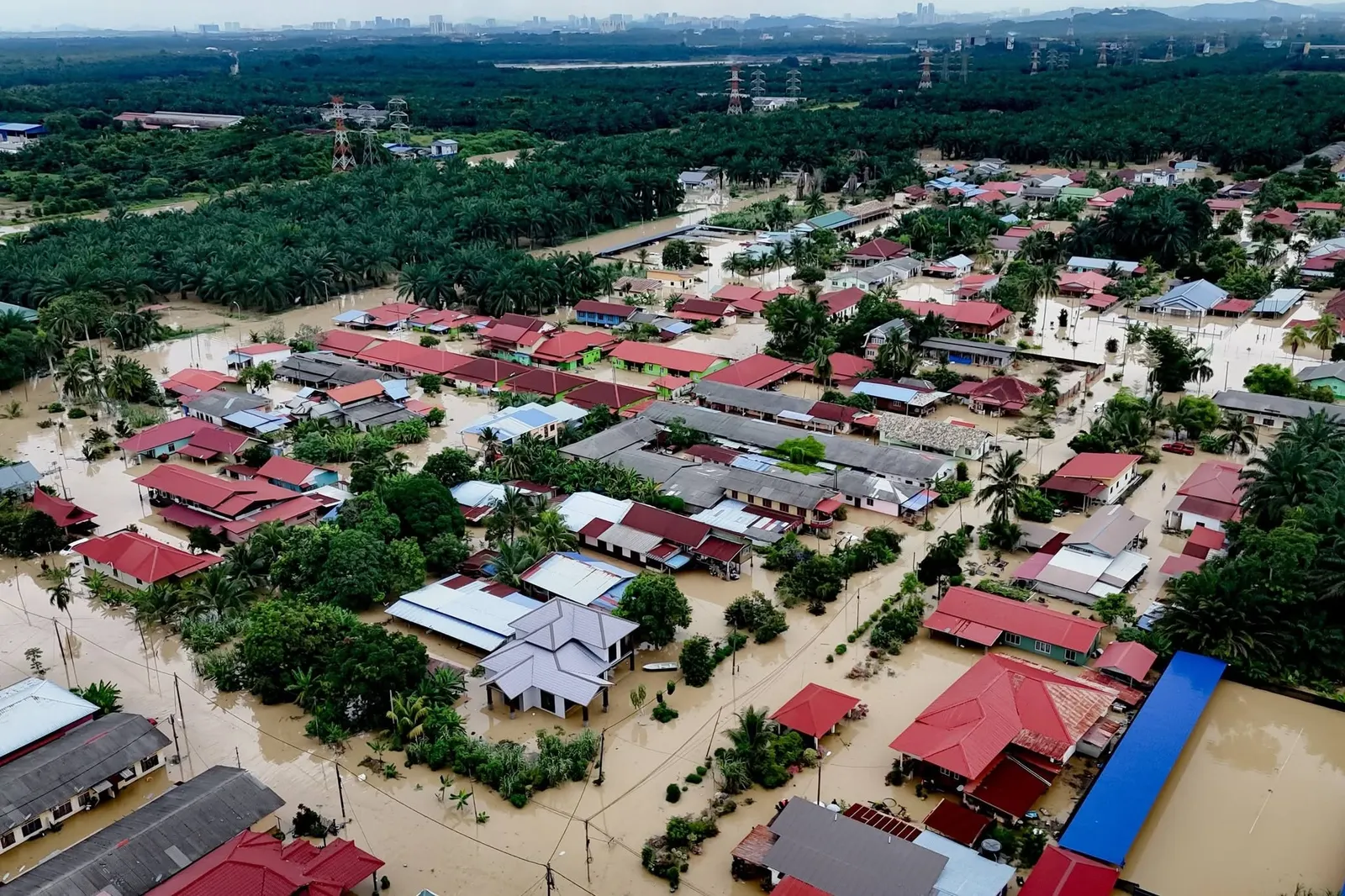
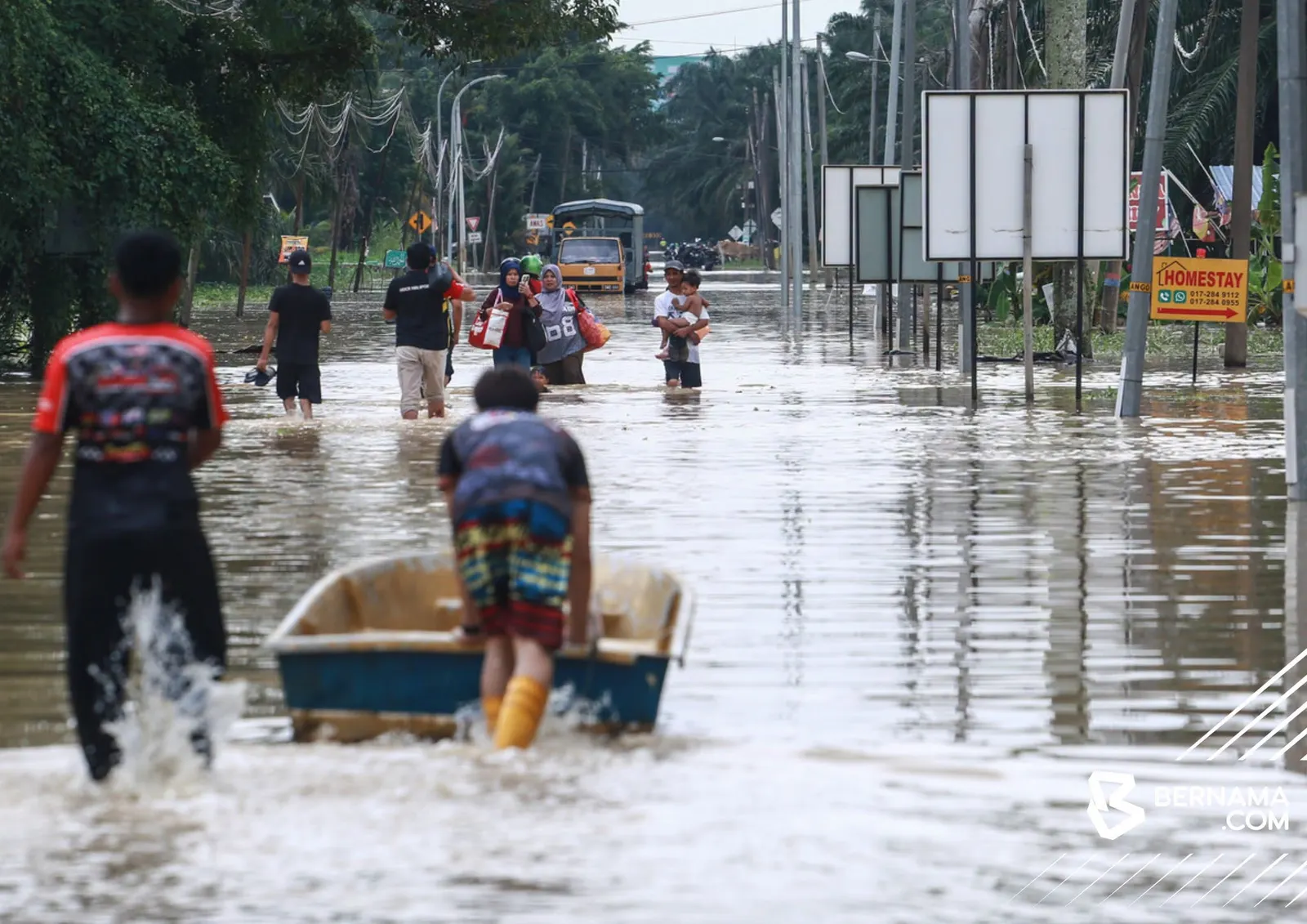
SHAH ALAM, July 30 — Building resilient cities is a more suitable long-term approach for Selangor to address extreme rainfall patterns compared with relying solely on flood mitigation projects.
Universiti Putra Malaysia (UPM) lecturer in Urban and Regional Planning/Community Development Mohammad Mujaheed Hassan said urban development must shift towards building resilience rather than merely managing floods.
He said this change is necessary as conventional approaches typically focus on controlling water flow through drains, barriers, pumps and river diversions.
In contrast, he said a resilient city approach ensures urban areas are less vulnerable, able to absorb water and continue functioning during heavy rainfall, while recovering quickly after extreme weather events.
Mujaheed said PLANMalaysia and the Selangor State Structure Plan 2035 already incorporate principles of resilient cities, disaster risk management and climate change adaptation.
“The challenge is translating these principles into actual requirements in local plans, planning permissions, engineering plans and development allocations,” he told Media Selangor.
Mujaheed said the concept of sponge cities, water retention parks and nature-based solutions are suitable for Selangor, but must be adapted to the state’s tropical climate and local conditions.
He suggested several measures for Selangor, including transforming public parks into temporary water retention areas, developing recreational retention ponds, using permeable pavements and restoring river reserves.
He said these measures could help lower temperatures, enhance biodiversity, improve water quality, provide recreational spaces and ultimately raise residents’ quality of life.
Mujaheed said implementation could begin gradually in older, densely populated urban areas through schools, parking areas, roads, government land, river reserves and urban regeneration projects.
“It does not necessarily require a very large area. A systematically connected network of smaller facilities can also create a cumulative impact,” he said.
Flood mitigation
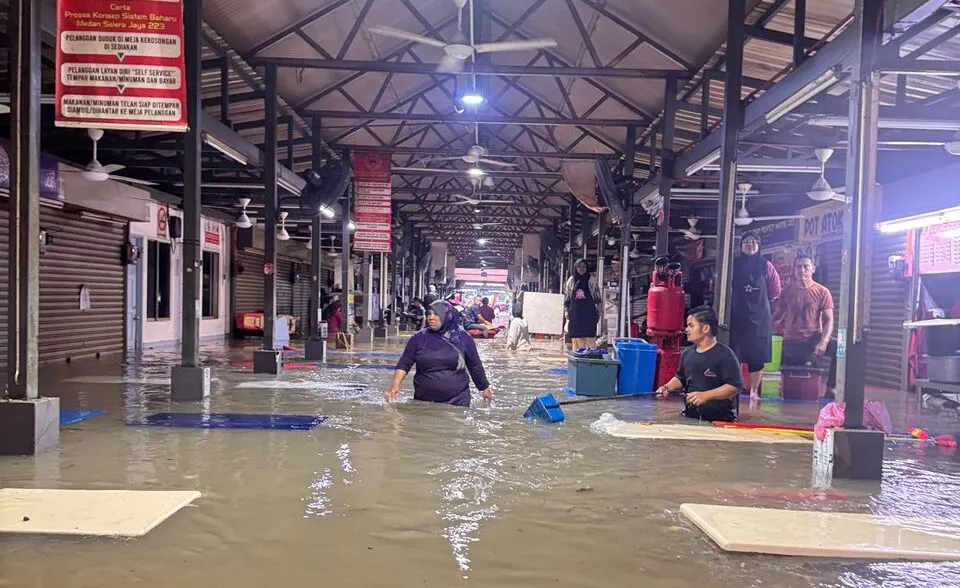
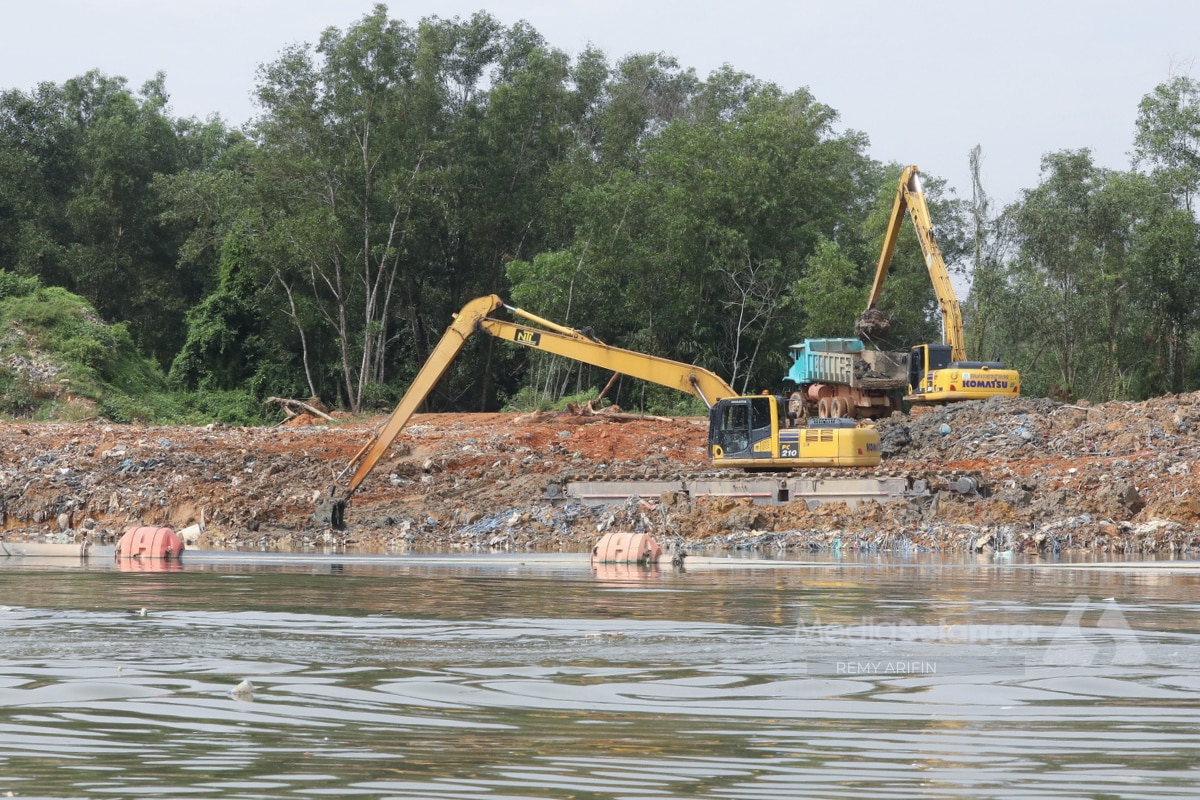
Mujaheed acknowledged that flood mitigation projects help reduce risks, but they cannot completely eliminate floods, as flash floods occur due to several factors happening simultaneously.
He said such disasters continue to recur despite the completion of various flood mitigation and drainage upgrade projects, as most of these initiatives are localised or reactive in nature.
He added that drainage systems also have design limitations, as water can overflow when rainfall exceeds the return period used in the design of a particular system.
“Convective rainfall (sudden heavy downpours) in urban areas is typically very intense, concentrated and occurs within a short period, causing the rate of water entering the system to exceed the capacity of drains, culverts and pumps.”
According to Mujaheed, studies by the Meteorological Department (MetMalaysia) on urban extreme rainfall found that such events are difficult to predict and are closely linked to high rainfall intensity over short periods.
He said Selangor’s drainage system is not inadequate, but the capacity of some systems is increasingly under pressure and may only provide the same level of protection as when they were first built.
“A drain may still be in good physical condition but is no longer sufficient because its catchment area has changed from semi-green areas to high-density development.
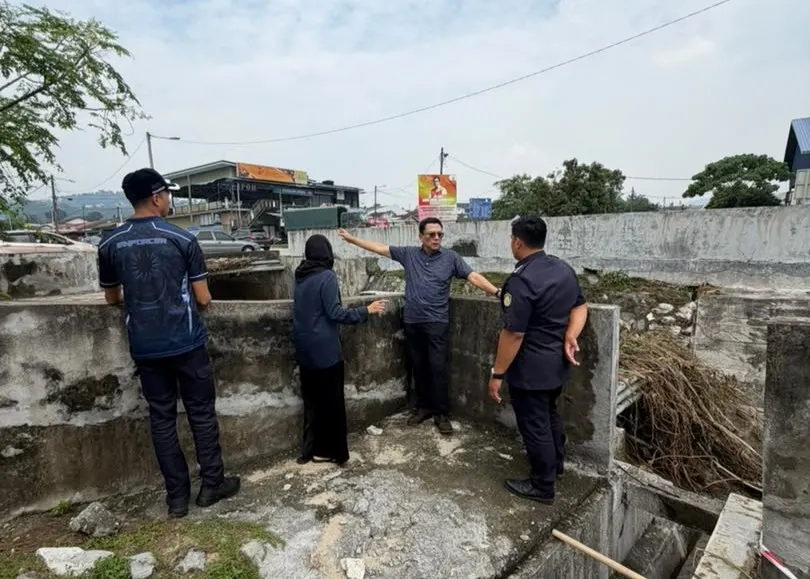
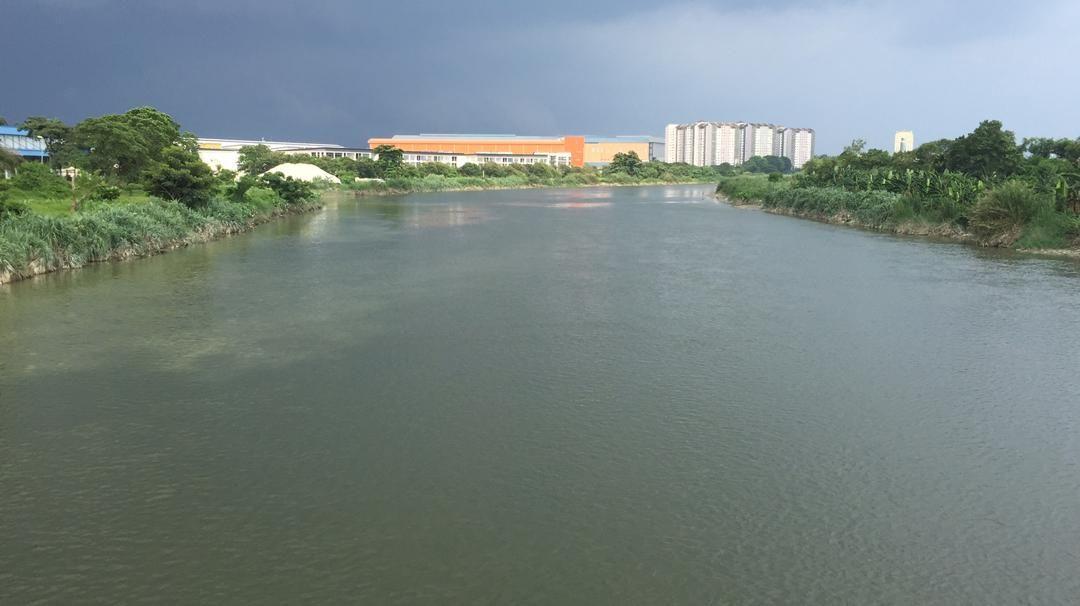
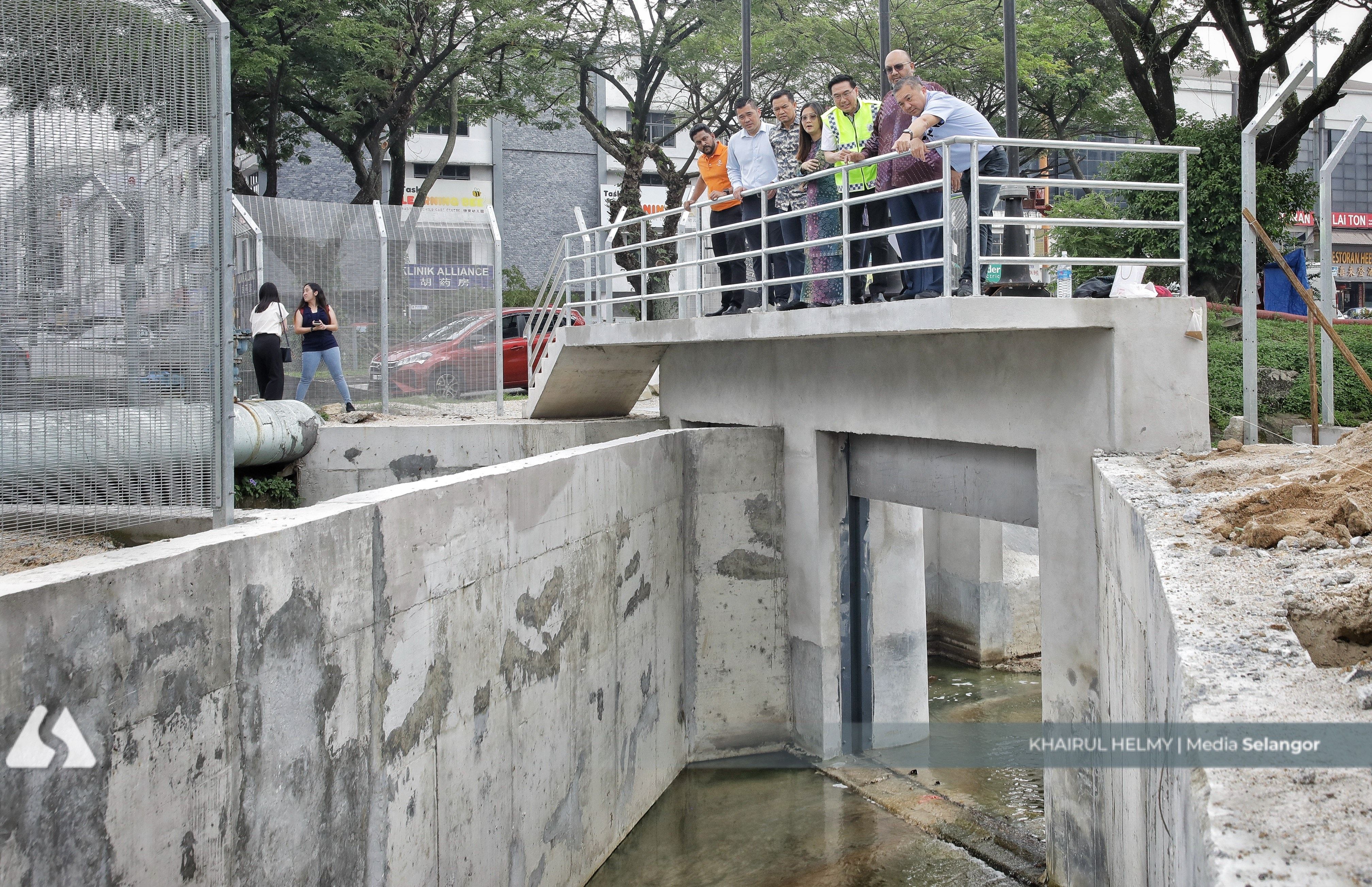
“Furthermore, flash floods are not necessarily caused by small drains. The bottleneck (flow congestion) may occur at road culverts, river crossings, floodgates, pump houses or major channels several kilometres downstream,” he said.