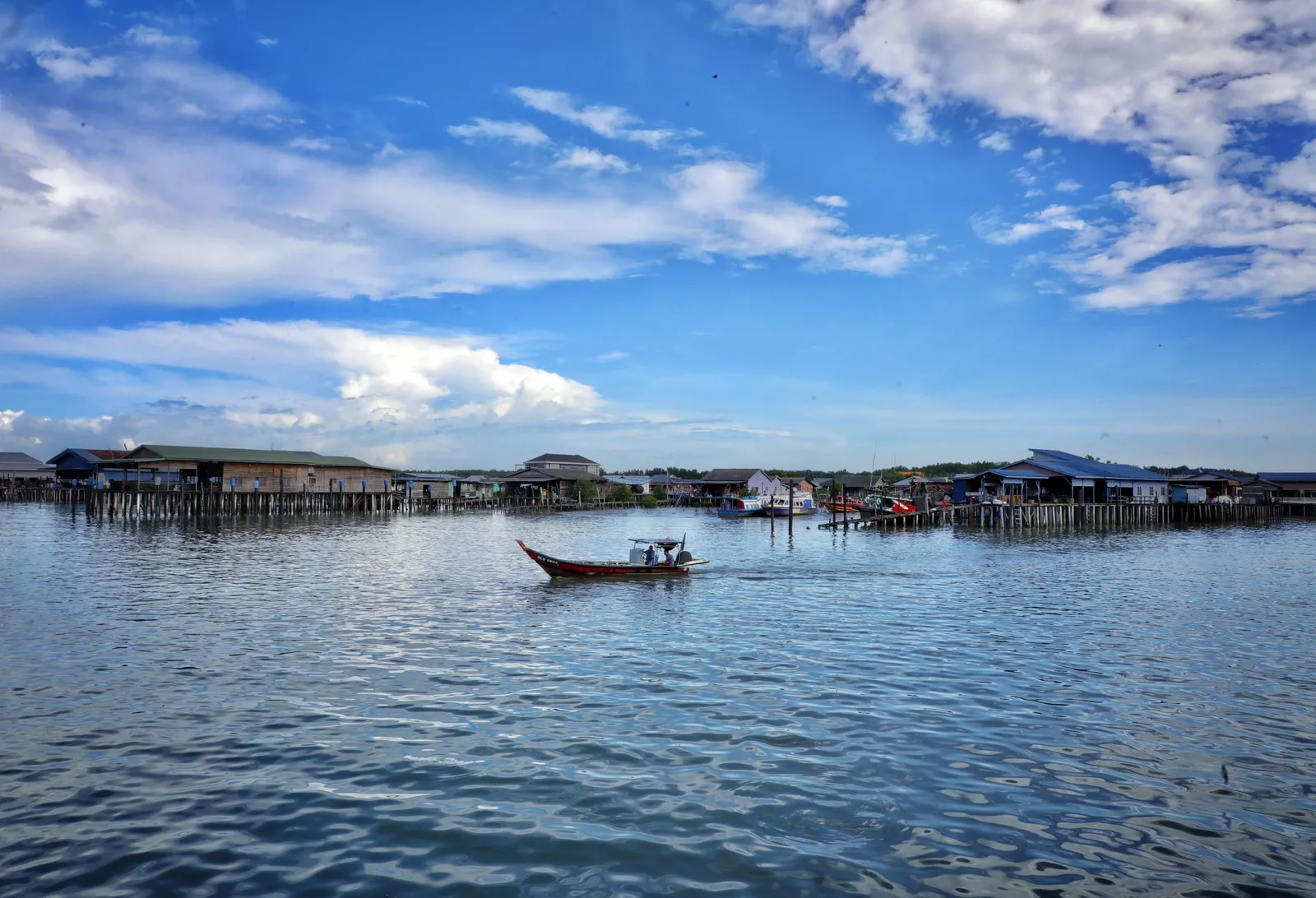
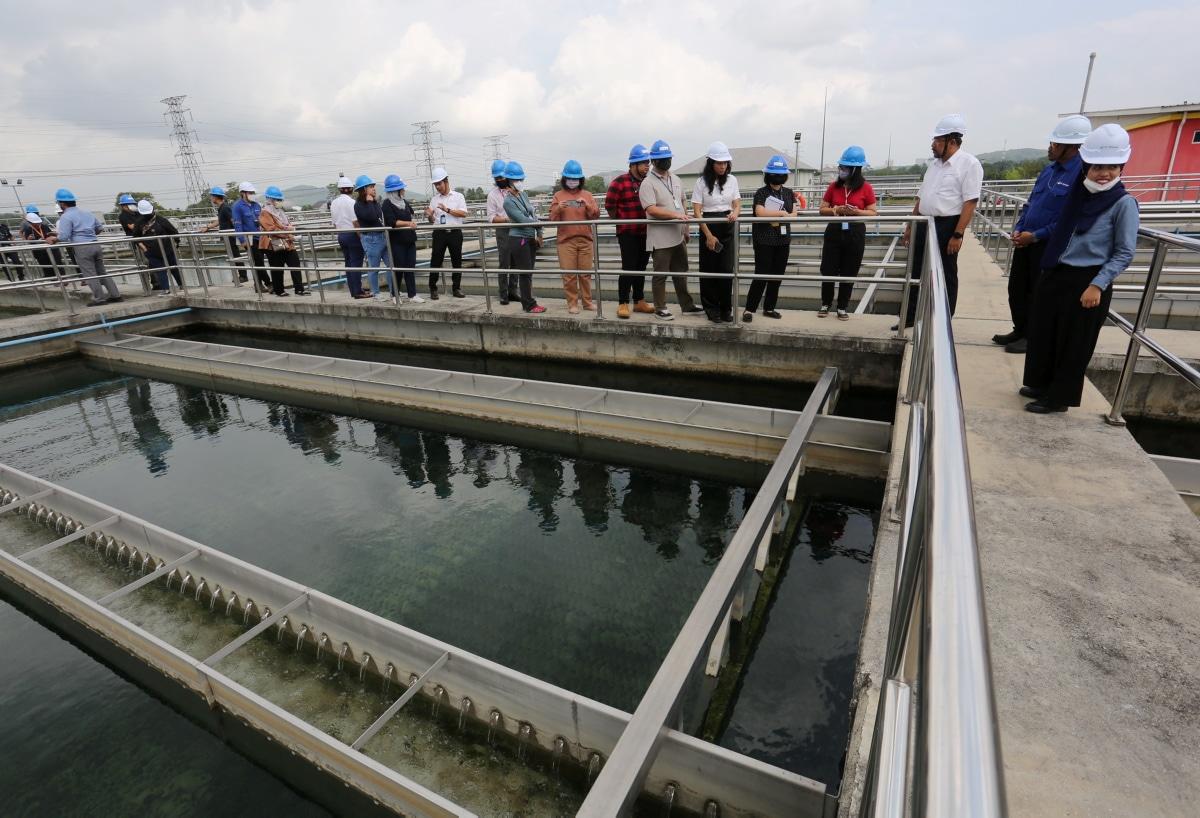

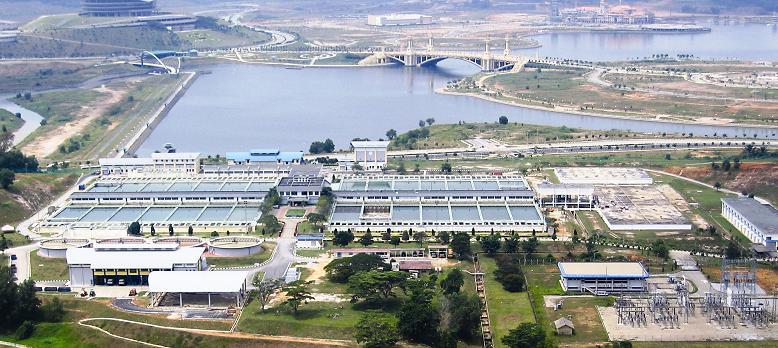
SHAH ALAM, July 25 — The state government is studying the viability of seawater as a long-term alternative resource to address future water supply challenges, said state executive councillor for infrastructure and agriculture Dato' Izham Hashim.
He said the initiative aims to ensure a sustainable supply of clean water to meet growing demand across the Klang Valley.
“We are looking at seawater desalination as a new water resource. It is still in the planning stage. The technology is now relatively affordable and more cost-effective.
“We are studying its commercial viability. We need to diversify our water sources so we are not dependent on a single source, which is rainwater,” he told Media Selangor.
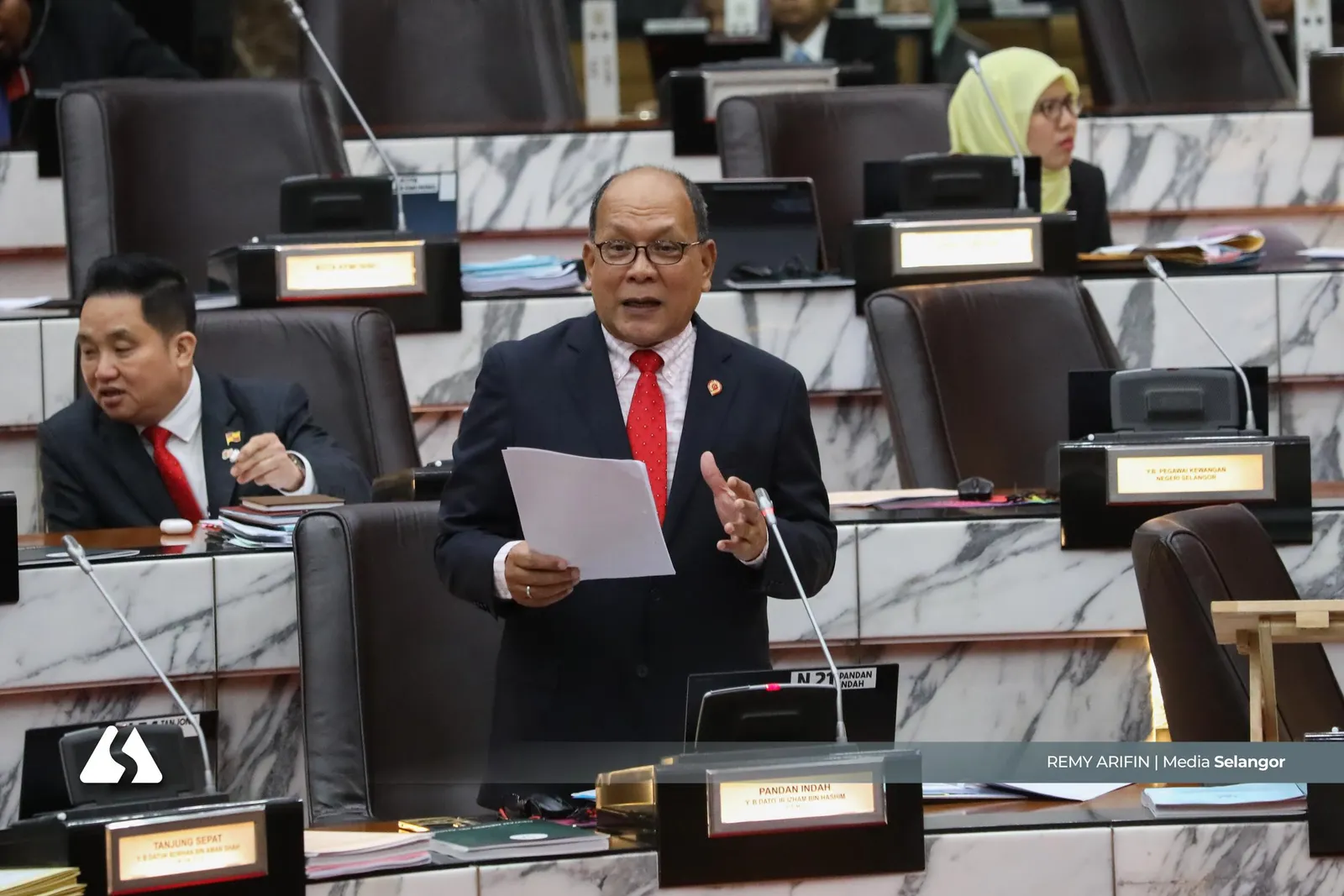
In April, Izham told the Selangor State Legislative Assembly that the government was conducting a feasibility study on desalination plants to ensure the long-term sustainability of clean water resources.
He added that the proposed infrastructure could increase clean water production capacity by about 300 million litres per day.
Integrated water management system planned
A proposal to set up a Selangor Water Commission (SAS), which would integrate the state’s water management system, will be guided by the findings of the Selangor Water Master Plan study.
Izham said the commission would consolidate the management of water assets, water resources and sewerage services, by aligning the roles of existing agencies such as the Selangor Water Management Authority (LUAS) and Pengurusan Air Selangor Sdn Bhd.
Last year, the Selangor government was exploring establishing a commission to manage treated and raw water and sewerage, develop a “water highway”, and mitigate floods.
Izham said Selangor is an example for other states, especially in the establishment of water management authorities like LUAS.
He added that Air Selangor has also been recognised by the federal government for its success in reducing the state’s non-revenue water (NRW) rate each year.
Selangor remains among the country’s best-performing states in terms of reducing NRW, with the rate decreasing from 27 per cent to 26.76 per cent last year.