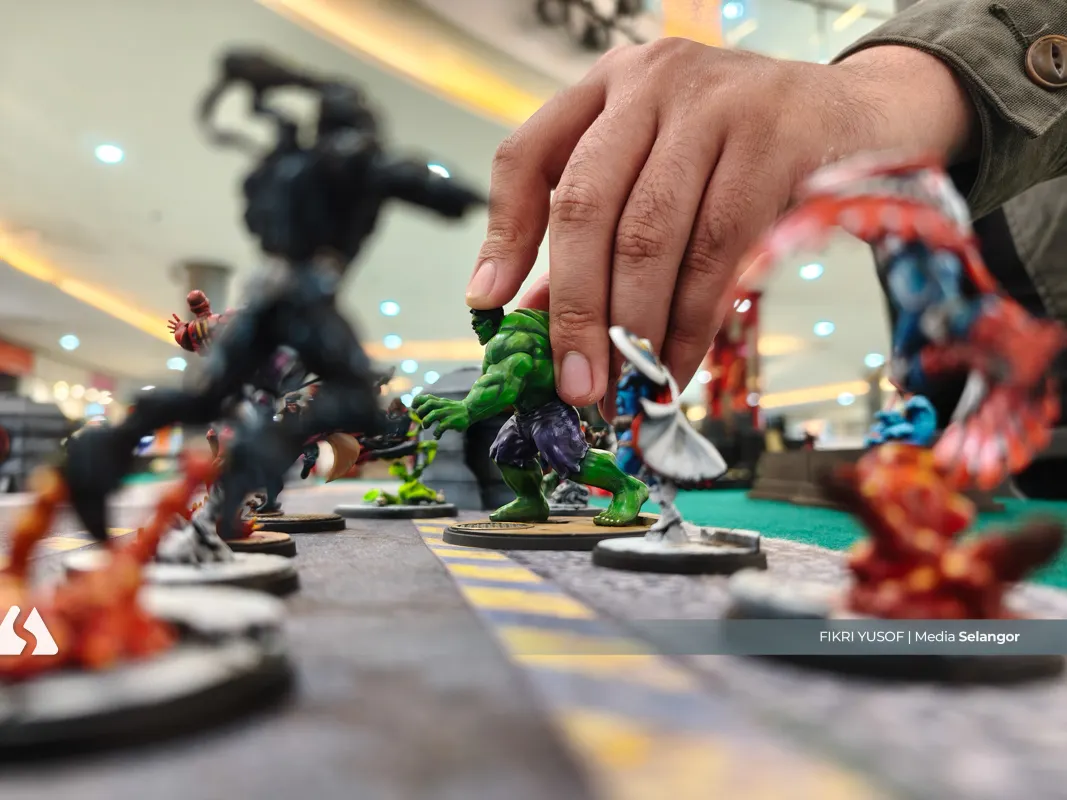
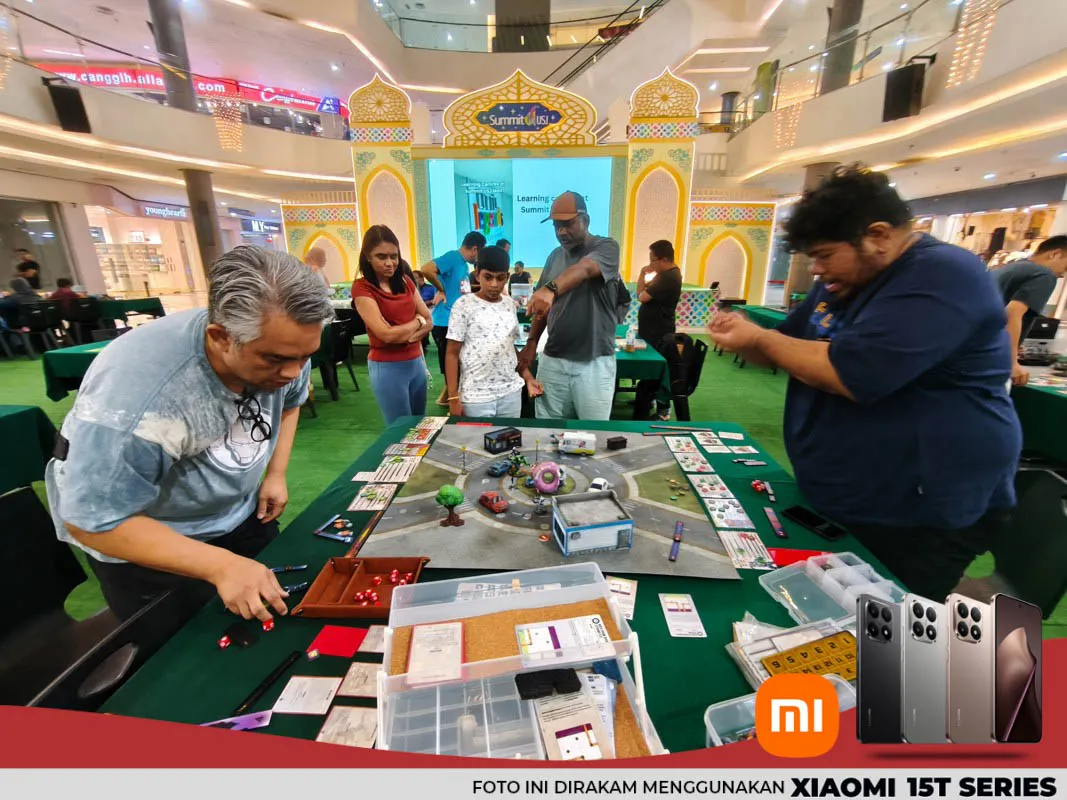


SHAH ALAM, July 19 — Miniature gaming may still be unfamiliar to many people. With its small figurines requiring time and patience to assemble and paint, many regard it as nothing more than a pastime.
However, behind these small collections lies a rapidly growing ecosystem. From active communities organising competitions and offering miniature painting services to players representing Malaysia at international championships, the hobby has evolved far beyond casual collecting.
This growth has also been driven by increased interest in creative hobbies since the COVID-19 pandemic, when many people began looking for activities they could enjoy at home.
Yet after movement restrictions were lifted, the miniature community became active once again, with more players participating in events and gatherings.
Miniature event organiser Shazli Abdul Aziz, 49, sees this development as a positive sign for the future of an industry that was once confined to a relatively small group of enthusiasts.
"During the movement control order (MCO), people started buying these miniatures because they could not go out. Now that the MCO is over, they are out playing again.
"You can clearly see that the number of players has grown," he told Media Selangor.
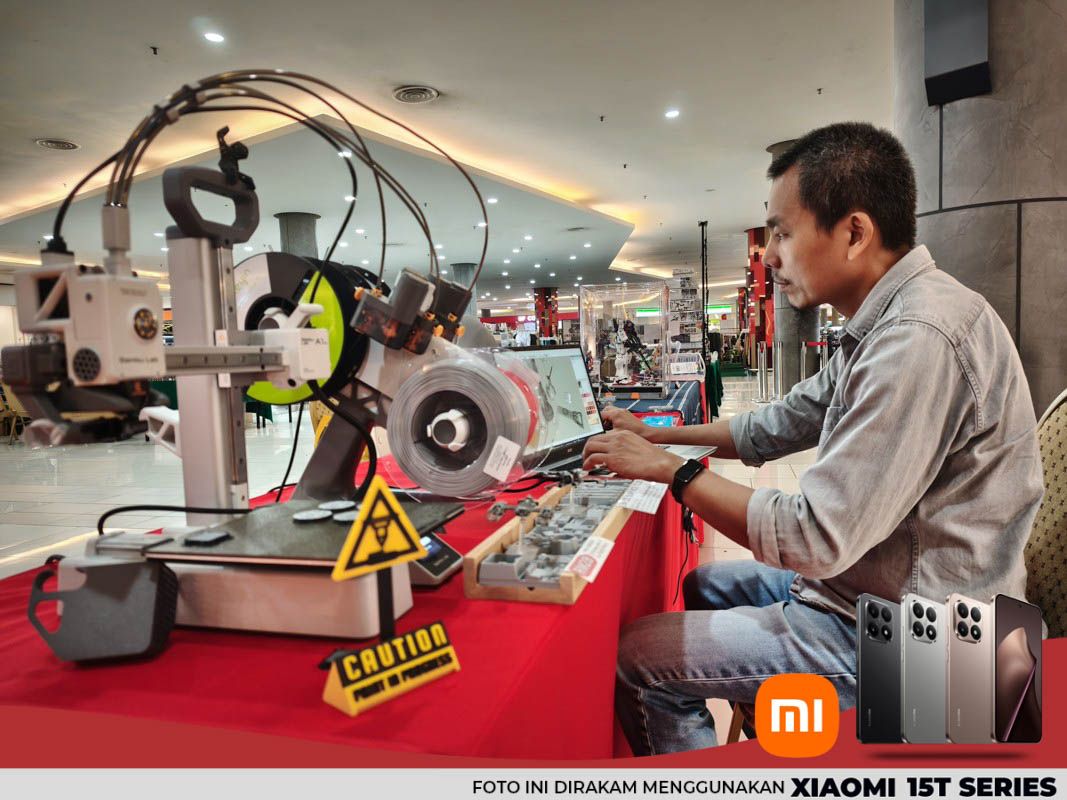
Unlike other collectable items, miniatures do not promise returns through price speculation. Instead, their true value comes from the effort, craftsmanship, and skills invested in them.
Starting with an unassembled plastic model, hobbyists must build, paint, and finish it to a high standard before it becomes a more valuable product. These skills have enabled some enthusiasts to offer professional miniature painting services.
"In terms of investment, there is very little value fluctuation. But you can earn money by providing services, including painting and colouring the models," Shazli said.
Painting services can be offered from around RM50, depending on the level of detail and finish requested. Although the cost of starting the hobby can run into thousands of ringgit, the miniature community has developed its own culture of helping newcomers reduce the financial burden.
"When players get bored, they sometimes sell their collections at lower prices. They may not make a profit, but they can recover some of their costs while attracting new players," he said.
The price of a miniature depends on factors such as its brand, size, quality, official distributor, and whether it is a special edition or an exclusive character.

More importantly, the hobby has a truly international community. Malaysia itself sent representatives to the World Championships of Warhammer 2025 in Atlanta, the United States (US), where Christopher Koh, Daniel Tan, and Husain Amirudin finished 37th in a tournament featuring competitors from more than 50 countries.
"The miniature community regularly organises competitions and gatherings in the United Kingdom and the US. Malaysia has representatives competing overseas, and that is something the miniature community is very proud of," Shazli said.
The Petaling Jaya resident also believes the industry's prospects are becoming increasingly positive, as digital game companies have begun entering the miniature gaming market, further expanding its growth potential.
"Digital game companies have started moving into miniature gaming as well, which shows that this hobby has strong potential for further growth," he said.
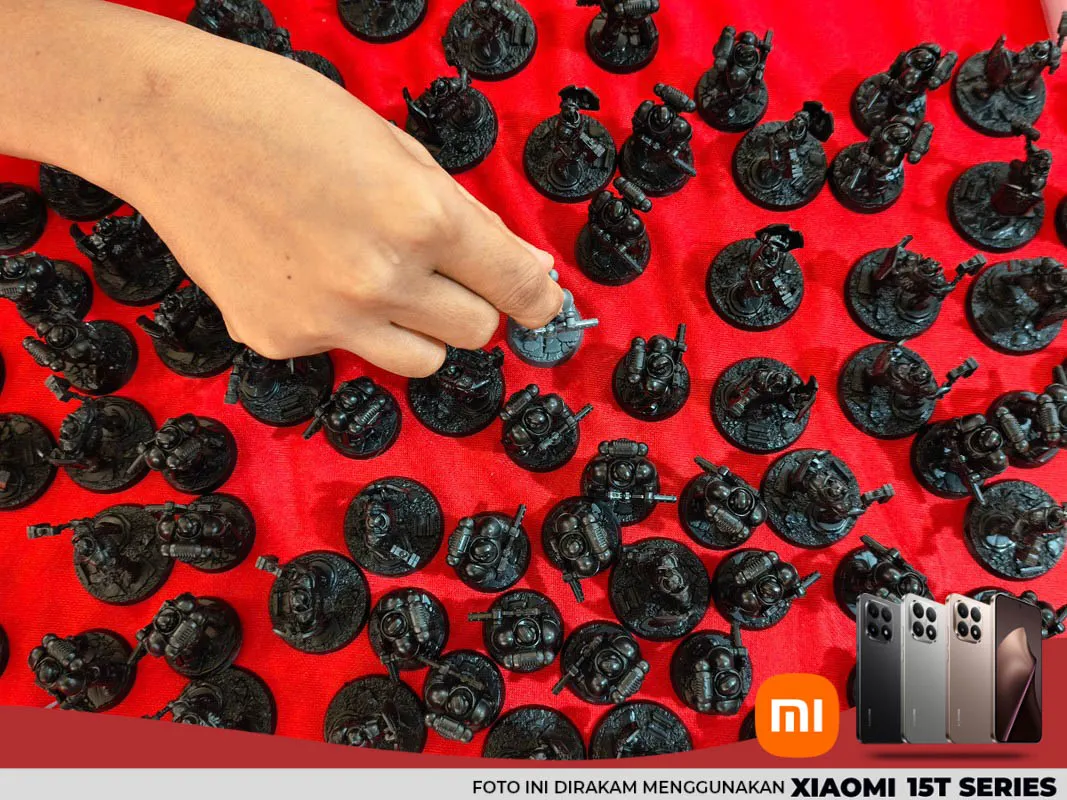
Although the value of miniatures generally depreciates after use, much like vehicles, Shazli believes this makes the hobby more focused on passion and craftsmanship rather than price speculation.
"The value of miniatures usually depreciates like cars. But that is what makes this hobby appealing, because it does not involve any element of gambling," he said.
That view is shared by miniature retailer Radhiq Arbee, 39, who believes the true strength of the hobby lies in the skills developed throughout the process of building and playing.
"This hobby develops creativity; we have to assemble the models and then paint them ourselves. From there, we can even earn income by offering painting services," he said.
Beyond creativity, players also develop reading, numeracy, and strategic thinking skills, as each character has its own set of rules, most of which are written in English.