
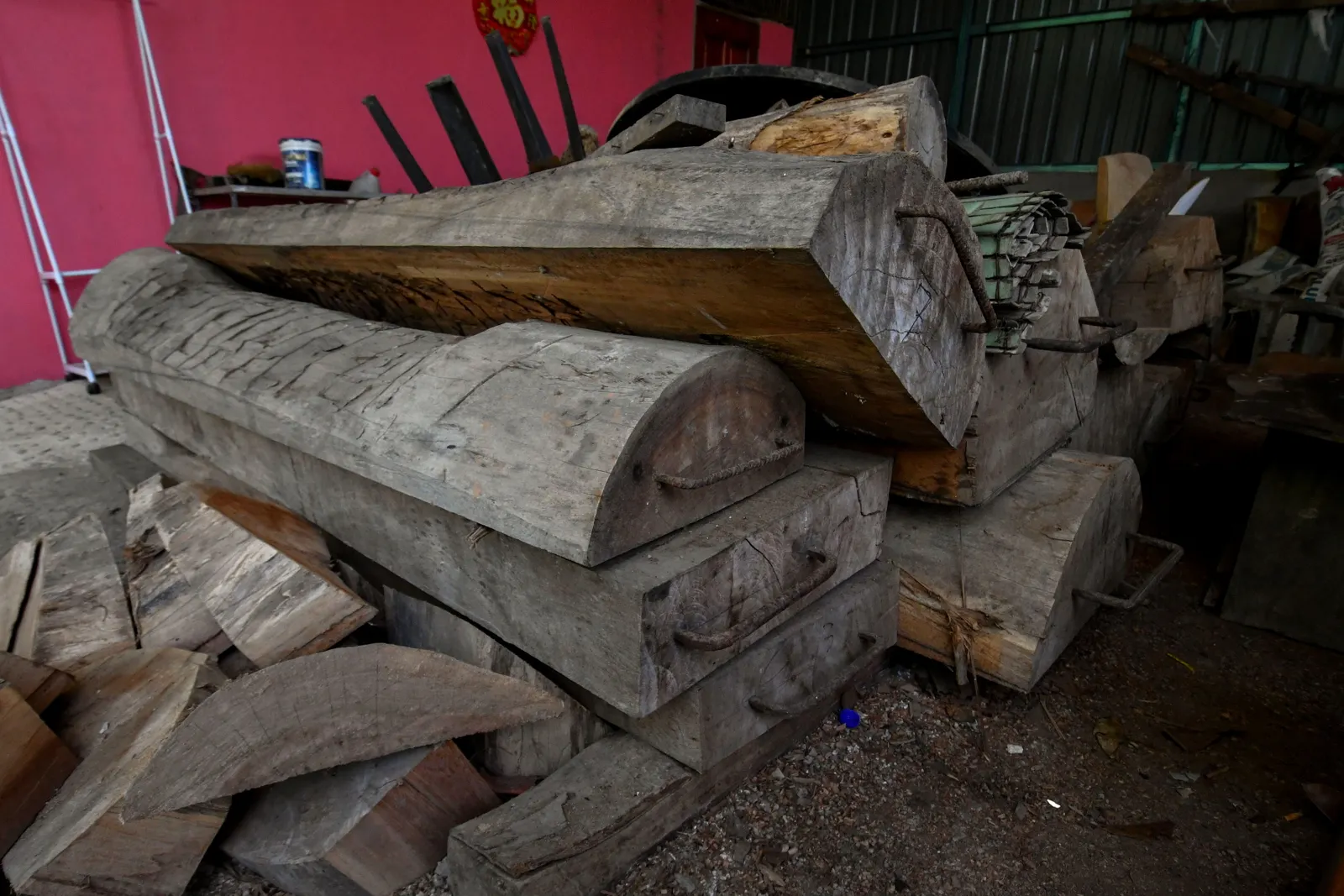
BACHOK, July 7 — The rhythmic tap of chisels and the steady scrape of a hand plane echo through a modest workshop in Kampung Seneng, Jelawat, where stacks of cengal and merbau timber line the walls.
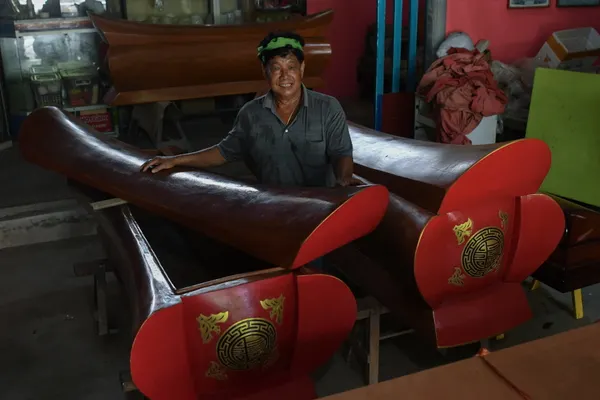
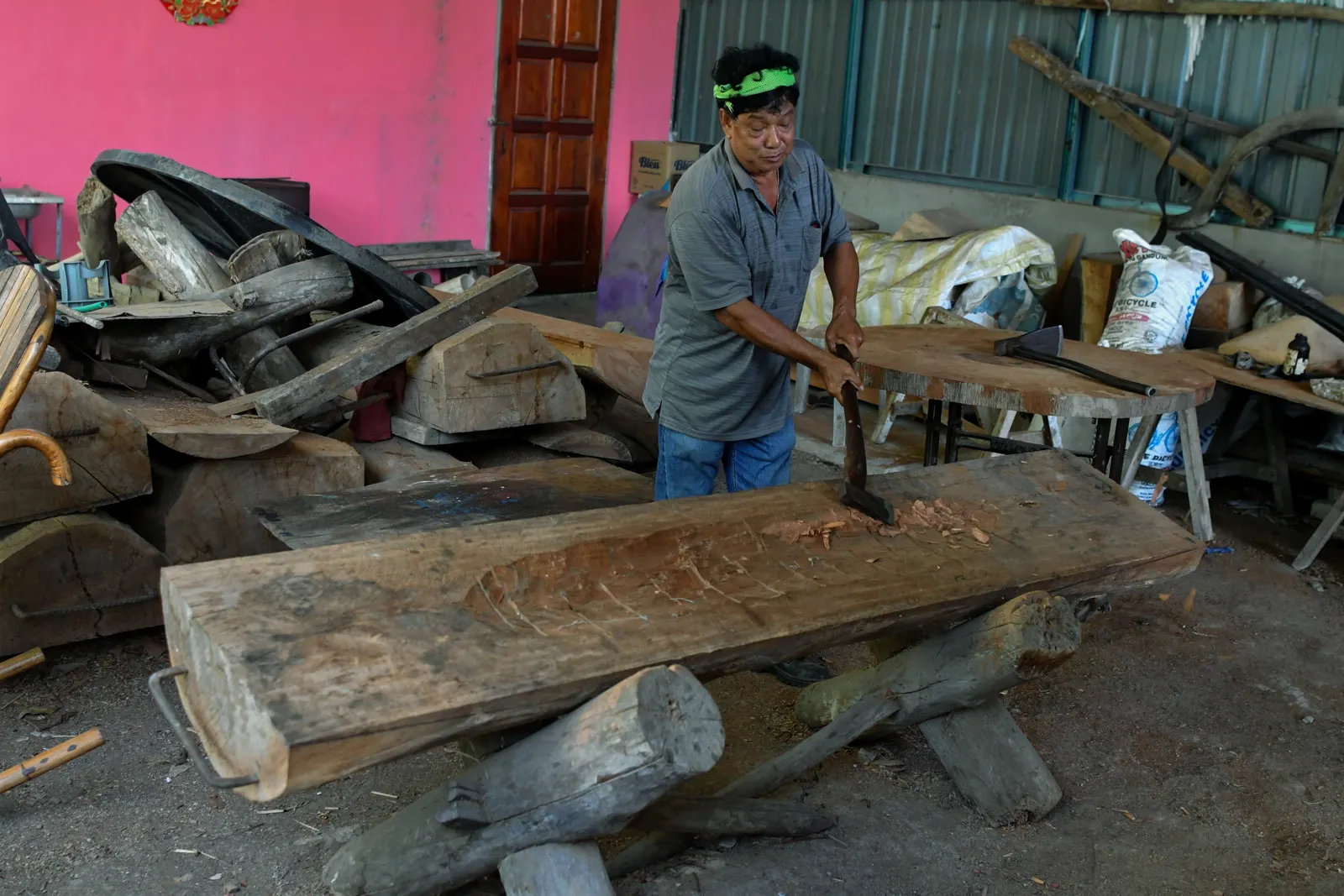
Amid the neatly arranged hardwood, Tan Kee Lim, better known as Pok Ku, works with quiet concentration, carefully crafting a traditional Chinese coffin commissioned by a customer.
At 67, he is among the few remaining traditional Chinese coffin makers in Kelantan who continue to rely on age-old methods, using hand tools, physical labour, and craftsmanship handed down through generations to build coffins entirely from solid wood.
Despite the growing popularity of modern coffins, Tan said traditional wooden coffins still have a place, particularly among older members of the Chinese community and families who own ancestral burial plots.
"The real challenge today is not modern coffins, it is the absence of a younger generation willing to continue this tradition. That is what worries me most," he said in an interview with Bernama.
Tan's deep affection for a craft passed down through three generations even led him to reject a lucrative offer from China to teach the art.
"I was offered RM100,000 to teach traditional coffin-making there, but I turned it down because I want this craftsmanship to remain a Malaysian product, even though its origins trace back to China," he said.
Four generations of heritage
Tan represents the fourth generation of his family to practise the traditional craft.
"Sometimes I feel like I will be the last generation in this business," he said softly.
The father of a son and two daughters, all in their thirties, gazed thoughtfully into the distance as he reflected on the future of the family enterprise, which he took over from his father some 26 years ago.
"Young people simply are not interested anymore. The work itself is not difficult; you just need to master the proper techniques, even something as basic as planing wood.
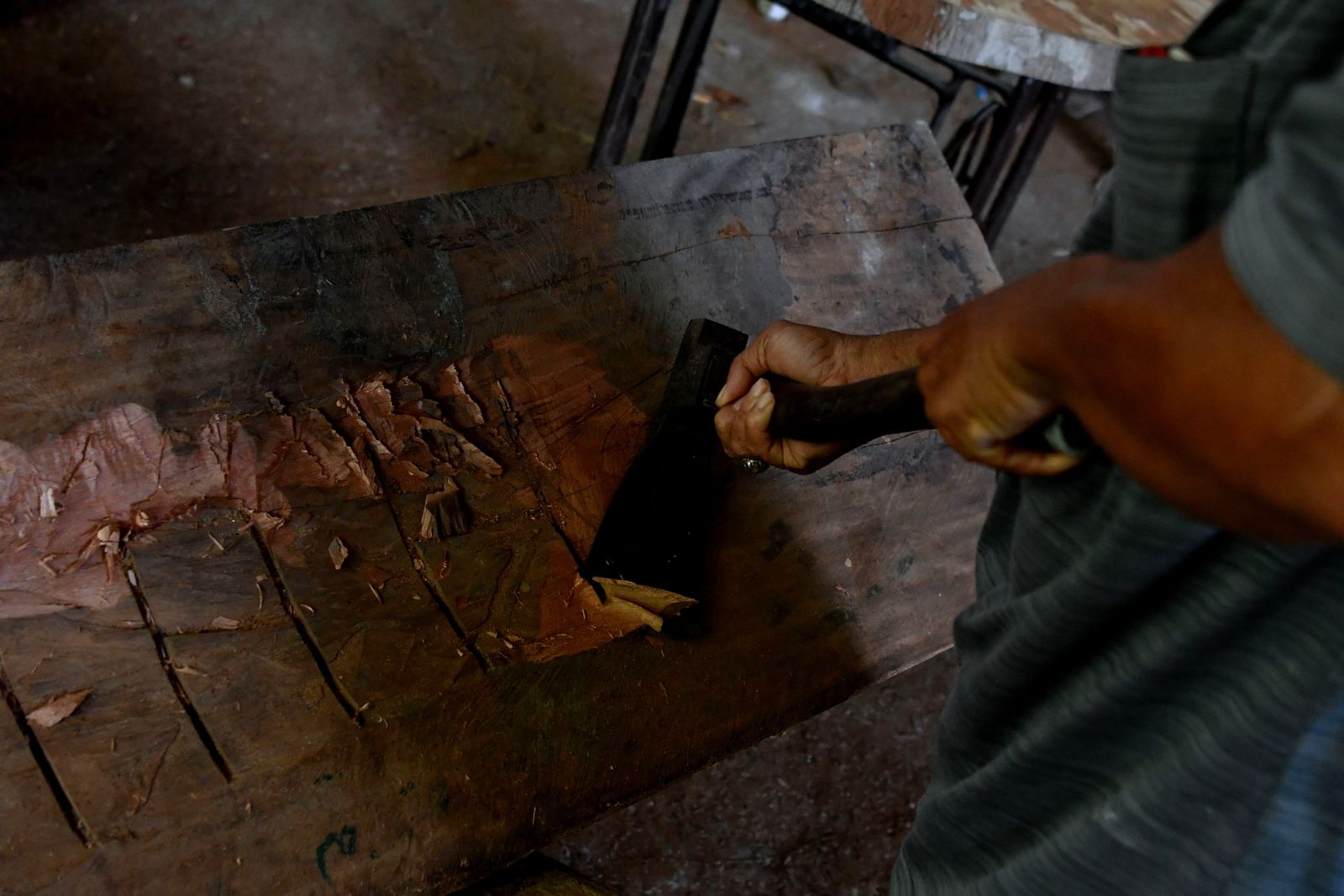
"Nowadays, everything is machine-operated, so few youngsters want to learn how to use an axe, chisel, or hand saw," Tan said.
To him, a coffin is far more than a burial container. Every traditional coffin Tan produces embodies family heritage, cultural identity, and a final gesture of respect for the deceased.
That is why every stage of the process, from the selection of timber to the final assembly, is completed meticulously by hand, preserving a level of craftsmanship that technology cannot replicate.
"A craftsman must understand every step, from choosing the wood to the final fitting. The process also incorporates philosophical beliefs and cultural taboos observed by the Chinese community," he said.
The secrets behind a traditional coffin
Tan uses only premium hardwoods such as cengal and merbau, prized for their exceptional durability, which can last for centuries.
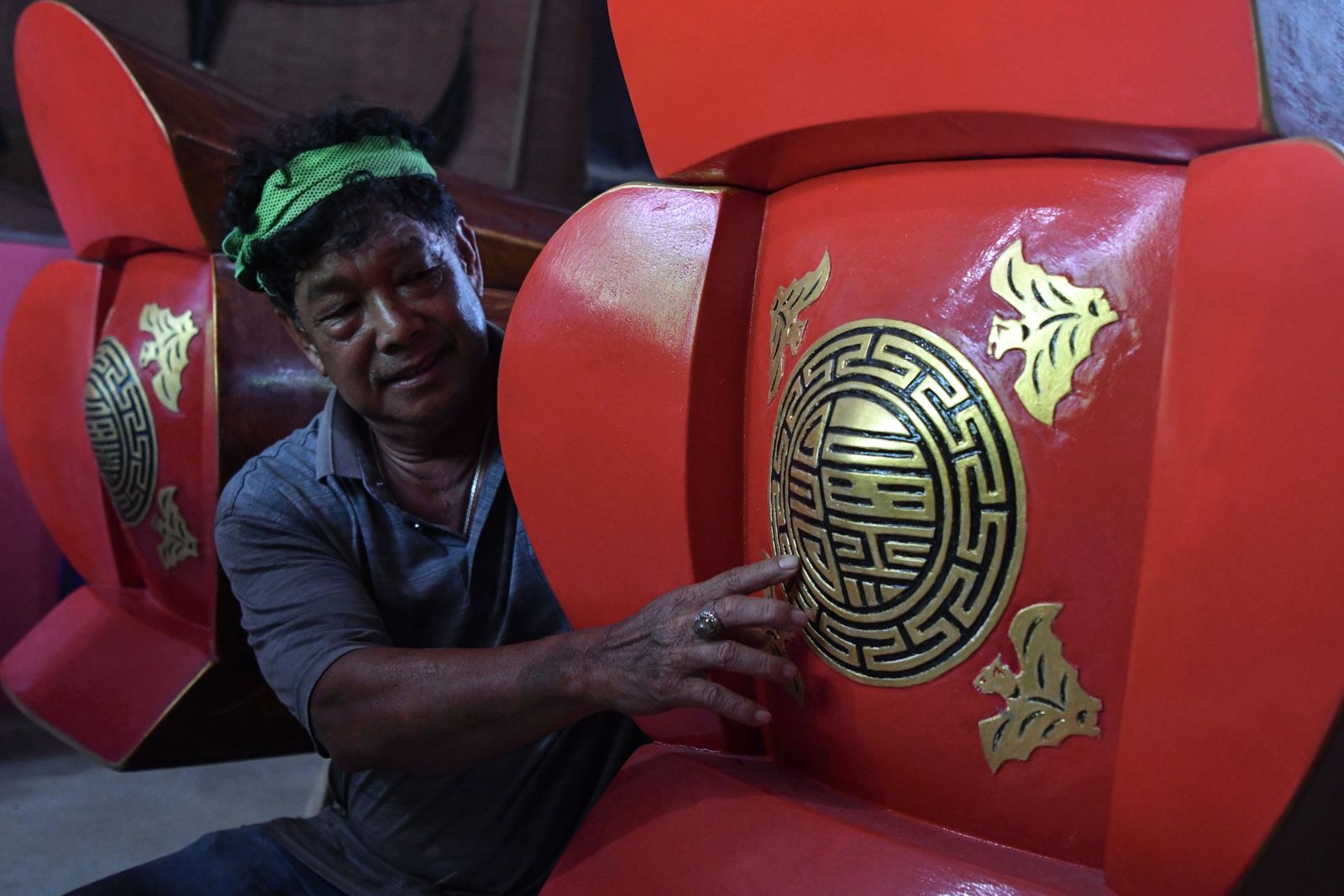
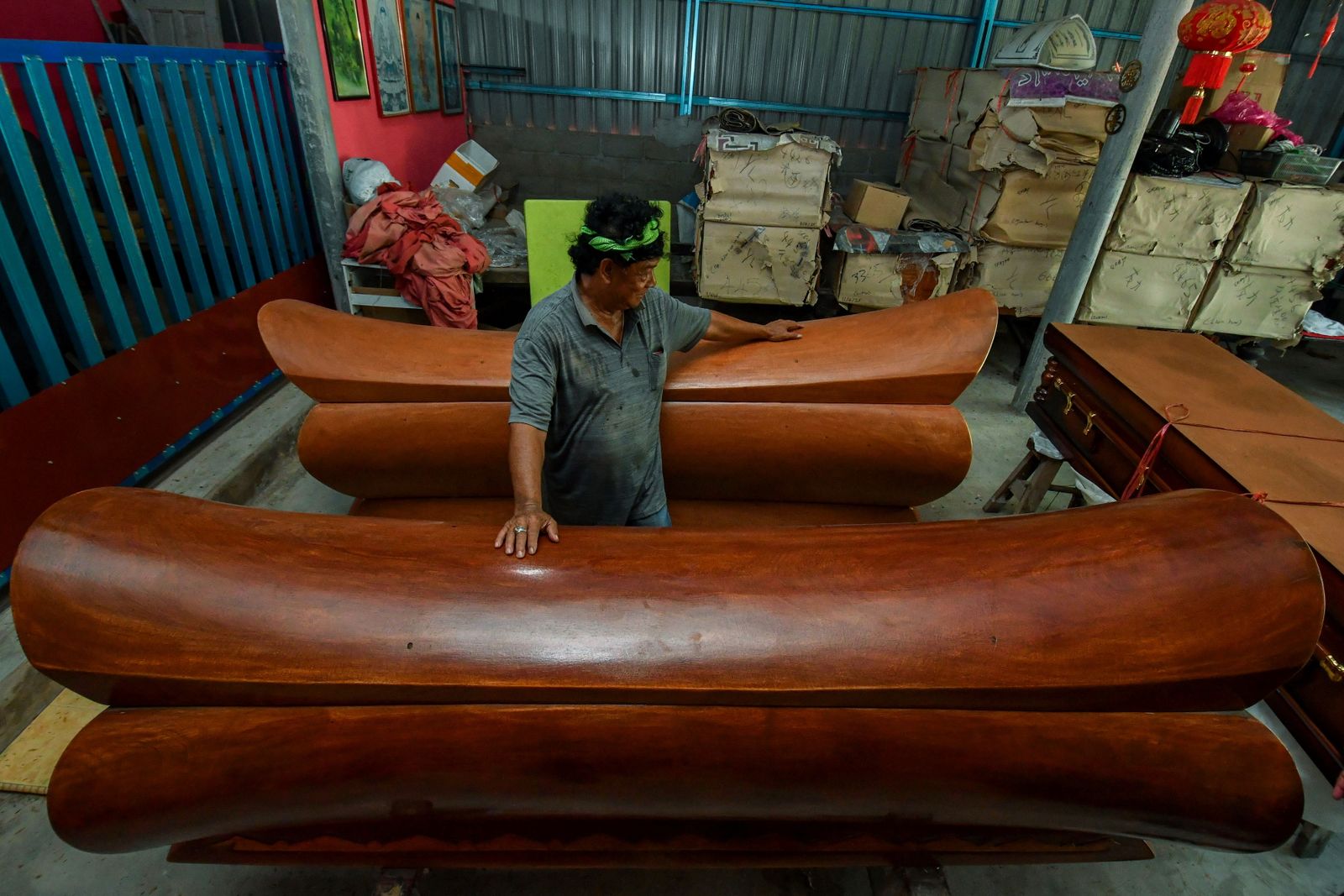
"It usually takes about a month to complete one coffin, including the carvings. Unlike modern coffins, traditional ones have a curved lid, which is the most challenging part.
"If you are off by even a millimetre, the entire shape is affected, and the lid will no longer fit properly," he said.
A traditional coffin typically measures about six feet in length, is painted red, and adorned with Chinese calligraphy bearing prayers and final tributes to the deceased. Once completed, it can weigh up to 200kg.
The use of traditional coffins is also accompanied by customs deeply rooted in Chinese beliefs and traditions.
"When sealing the coffin, for example, the nails are driven in differently depending on the gender of the deceased. For a man, the first nail begins on the left side near the head, while for a woman it begins on the right.
"Each nail is accompanied by specific ceremonial recitations," Tan said.
He added that these practices are not merely rituals but symbolic acts of honour performed before the deceased is buried or cremated.
Challenges beyond the workshop
Yet preserving the craft has become increasingly difficult, not only because there are no successors, but also because of the dwindling supply of high-quality cengal and merbau timber.
"Using premium hardwood ensures the coffin remains strong and durable. That is one of the key advantages traditional coffins have over modern ones.
"Chinese families generally keep the deceased for three to seven days before burial. A modern coffin may begin to emit unpleasant odours after three days, but a traditional wooden coffin, with its thick timber walls, can preserve the body for up to a week without any odour," Tan said.
The craftsmanship and premium materials also come at a price, as a traditional coffin made from merbau costs around RM10,000, while one crafted from cengal can fetch up to RM12,000.
Although orders for traditional coffins continue to come in, he said the family also produces modern coffins to meet changing market preferences.
"Modern coffins are usually ordered for cremation services," Tan said.
A legacy beyond price
As he enters the twilight years of his life, Tan admits that profit is no longer his primary concern.
Instead, he worries that the knowledge and skills accumulated over generations may disappear with him.
"This craftsmanship is my family's legacy. If there is no one to inherit it, then when I am gone, the skills will disappear too, and so will our family's heritage.
"If anyone wants to learn, I am more than willing to teach; a heritage like this cannot be replaced. No amount of money can buy back skills that are lost because this knowledge is built through decades of experience," he said, explaining once again why he declined the offer from China.
"With that RM100,000, I could have bought more timber, new machines, or even built a bigger workshop. But money can never buy a heritage that has been nurtured and preserved over generations," Tan said.
Perhaps one day, the workshop will fall silent, no longer filled with the sound of saws and chisels.
But for as long as he is able, the master craftsman will continue his daily routine in the workshop, surrounded by the distinctive fragrance of cengal and merbau timber.
For Tan, every coffin he builds is more than a product; it is a promise to safeguard a family legacy. And as long as he draws breath, he remains determined to keep that heritage alive, hoping that one day a younger generation will answer its call.