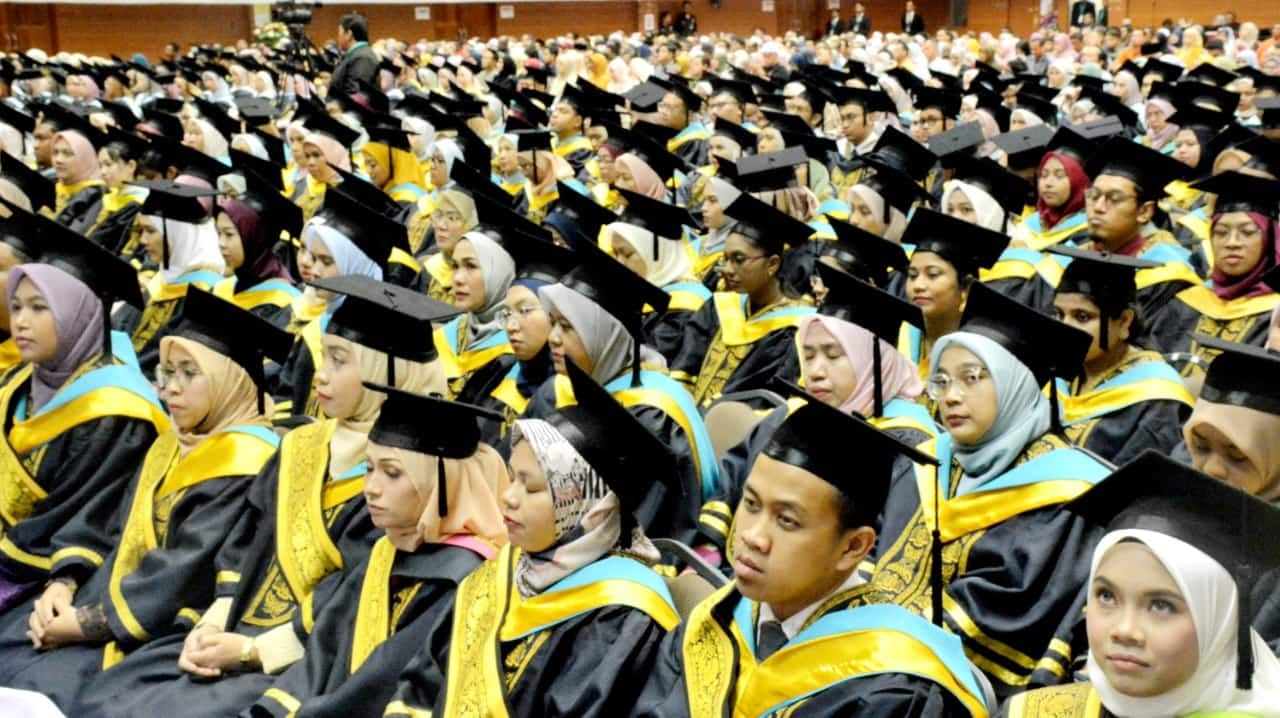

SHAH ALAM, July 10 — Technical and Vocational Education and Training (TVET) and higher education institutions are not competing pathways. Instead, each plays an important role in producing a workforce that meets industry needs.
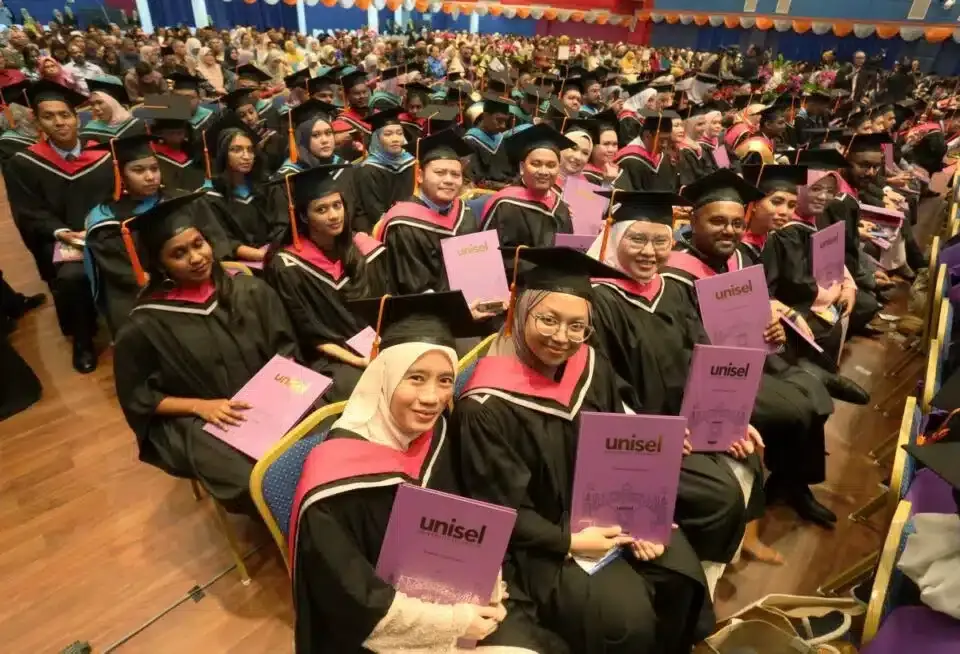
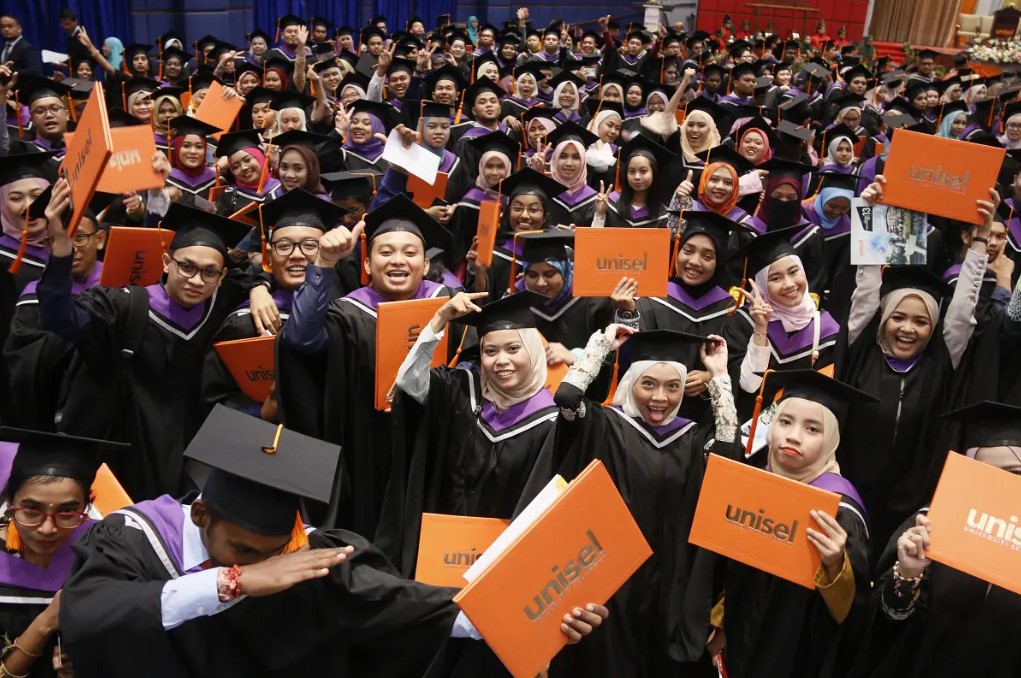
Universiti Selangor's Faculty of Engineering and Life Sciences deputy dean Dr Norazean Shaari @ Md Noh said both pathways have their own strengths and should be viewed as complementary in developing the nation's human capital.
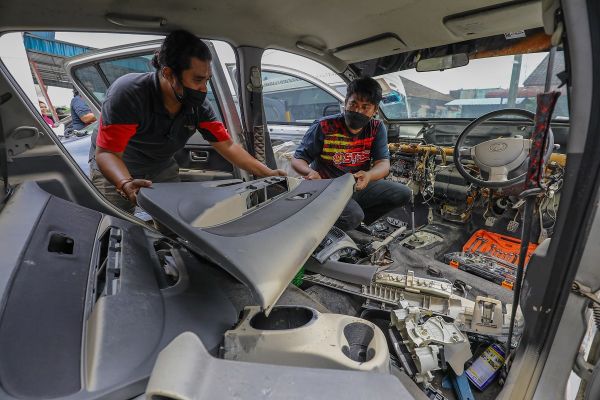
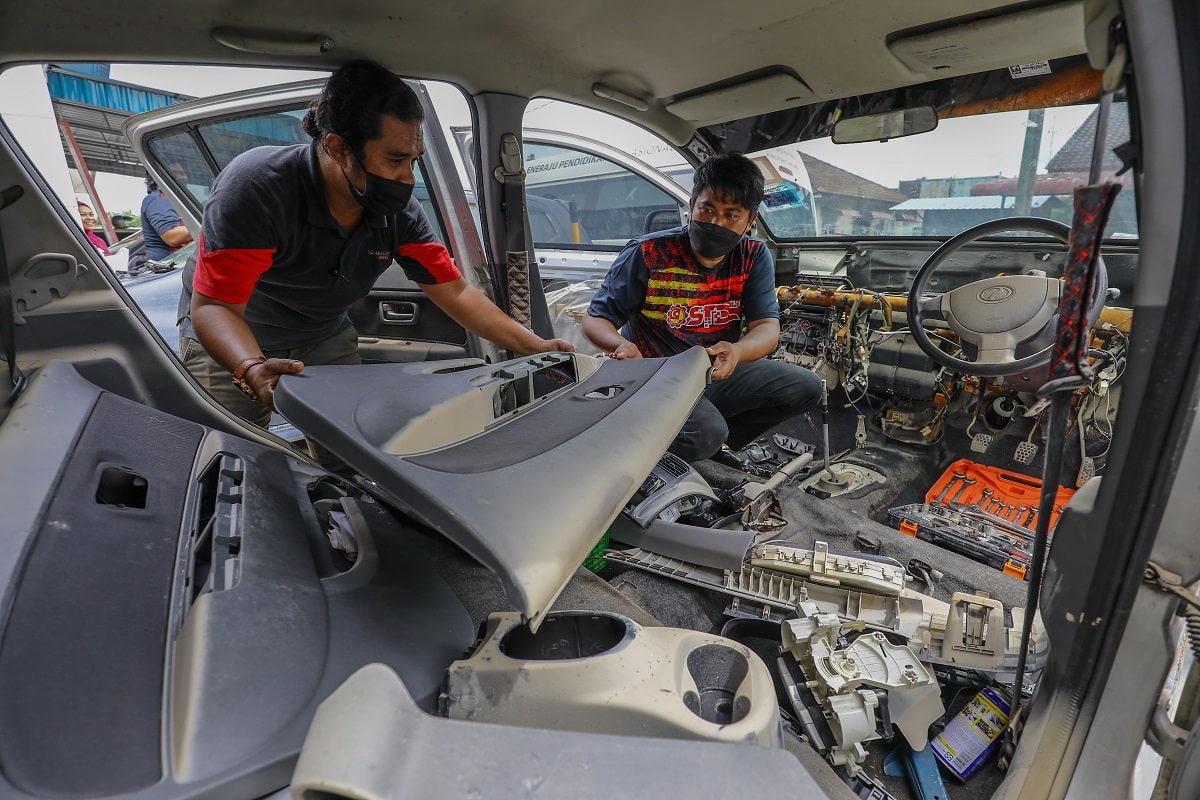
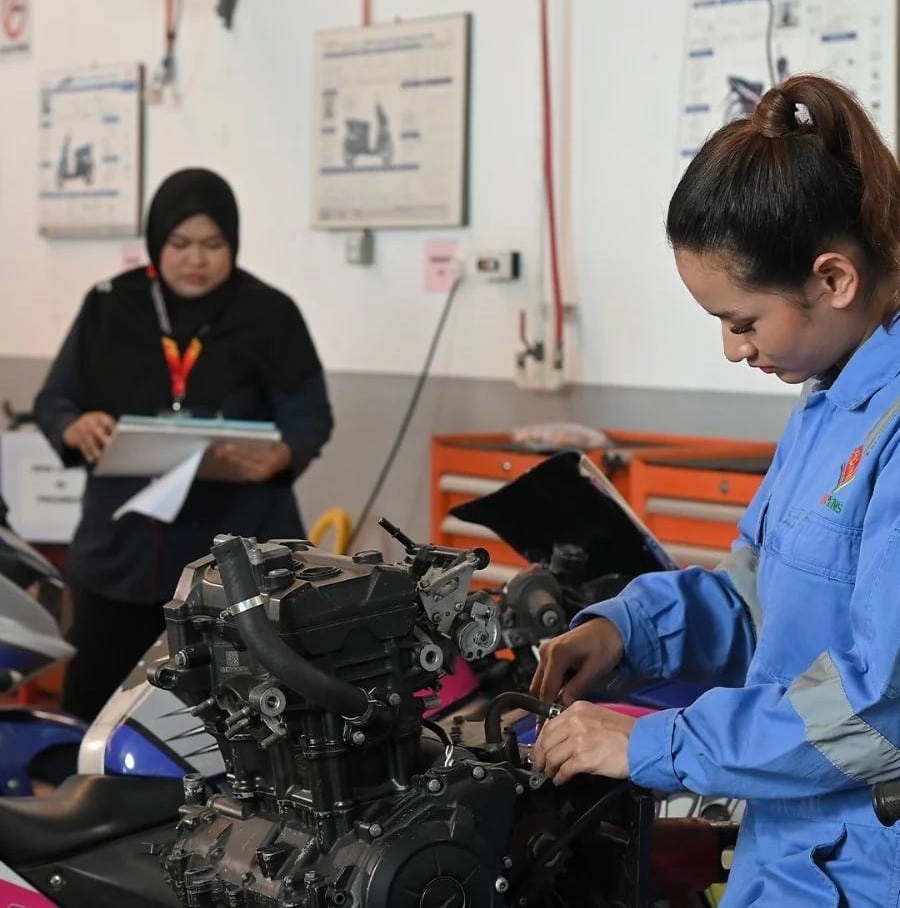
TVET graduates have an advantage in practical skills, while university graduates play a key role in driving innovation, management, and data analysis based on the theoretical knowledge they acquire.
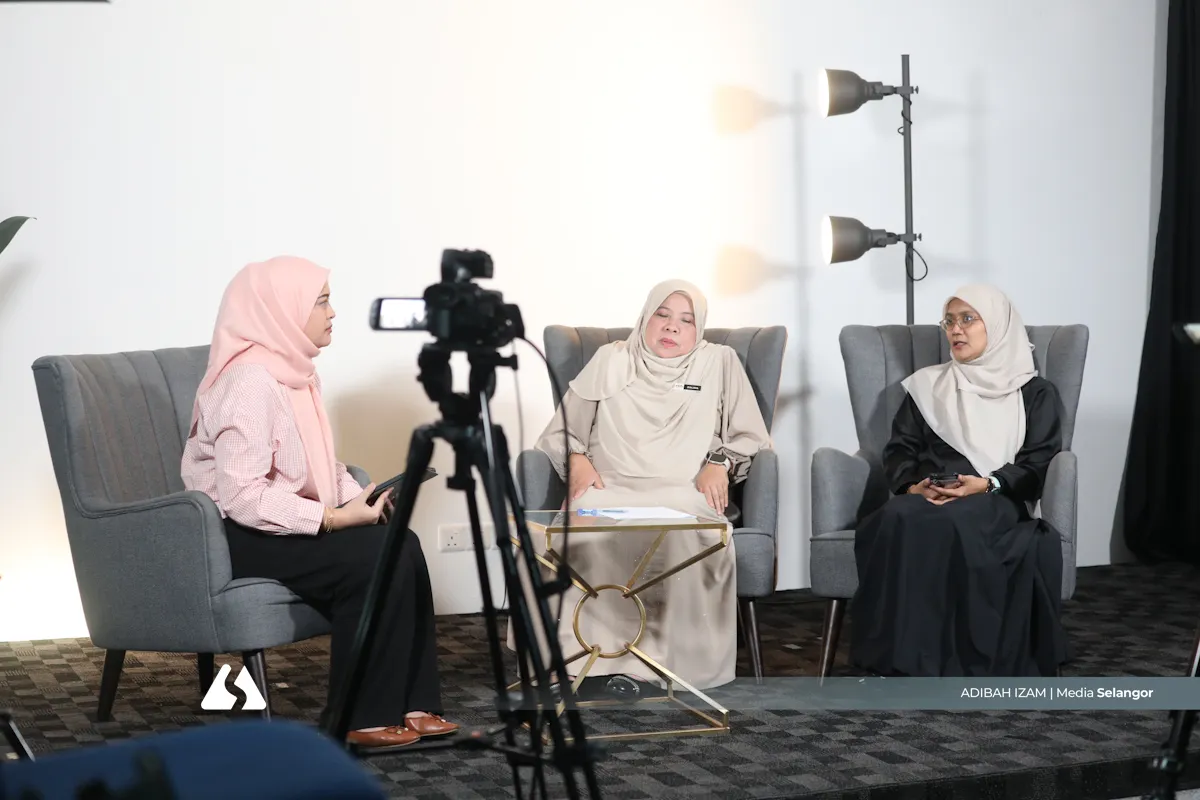
"The strength of TVET graduates lies in their practical skills. As for university graduates, we need individuals with a strong theoretical foundation to support innovation, management, and data analysis," she said as a guest during the 'Bicara Semasa' episode 'TVET or University: Which Is the Better Choice?' by Media Selangor recently.
Norazean added that the different learning approaches adopted by TVET institutions and universities do not mean that one pathway is superior to the other, as both cater to different employment needs.
"From what I have observed, both universities and polytechnics are continually improving the educational experience for students.
"What students need is to understand their own strengths, whether in theory or practical skills, before deciding which pathway to pursue," she said.
Meanwhile, Sultan Salahuddin Abdul Aziz Shah Polytechnic's CISEC Centre head Zalina Ismail said that TVET and universities share the same objective of producing graduates who are relevant to industry requirements.
Regardless of whether students choose TVET or university, both institutions strive to produce a workforce equipped with the knowledge, skills, and competencies needed to support Malaysia's development.
"Our education system is very flexible. Parents need not worry about whether to send their children to university or to TVET.
"Both have the same objective, which is to produce capable graduates who are relevant to industry and able to contribute to the nation's development," she said.
Zalina noted that students and parents should not regard TVET and universities as competing options, but instead choose the pathway that best suits the student's interests, abilities, and potential.