

BANDUNG, July 10 — Education policies and skills training programmes must evolve alongside rapid technological change and the growing adoption of artificial intelligence (AI) to ensure workers remain employable and competitive, said an expert.
ASEAN Future Workforce Council executive chairman Datuk J. Palanlappan said governments and educational institutions can no longer rely on conventional approaches as rapid technological change continues to shorten the lifespan of workforce skills.
“The life cycle of a skill has been substantially reduced, from what used to be around nine years to less than five years today.
“This means technology is changing continuously, requiring new investments and new capabilities,” he told Media Selangor after appearing as a panelist for the ‘The Talent Equation — Building The Workforce Asean’s Next Economy Needs’ panel session in Bandung, Indonesia yesterday.
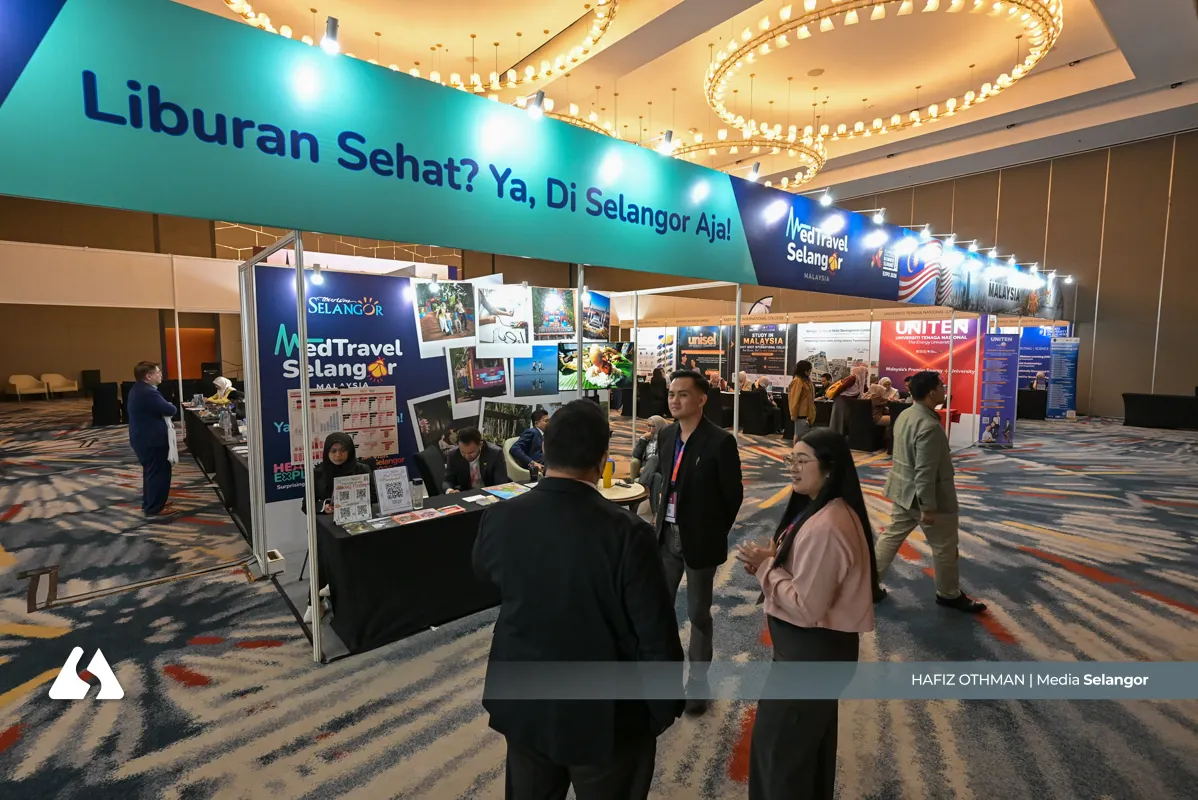
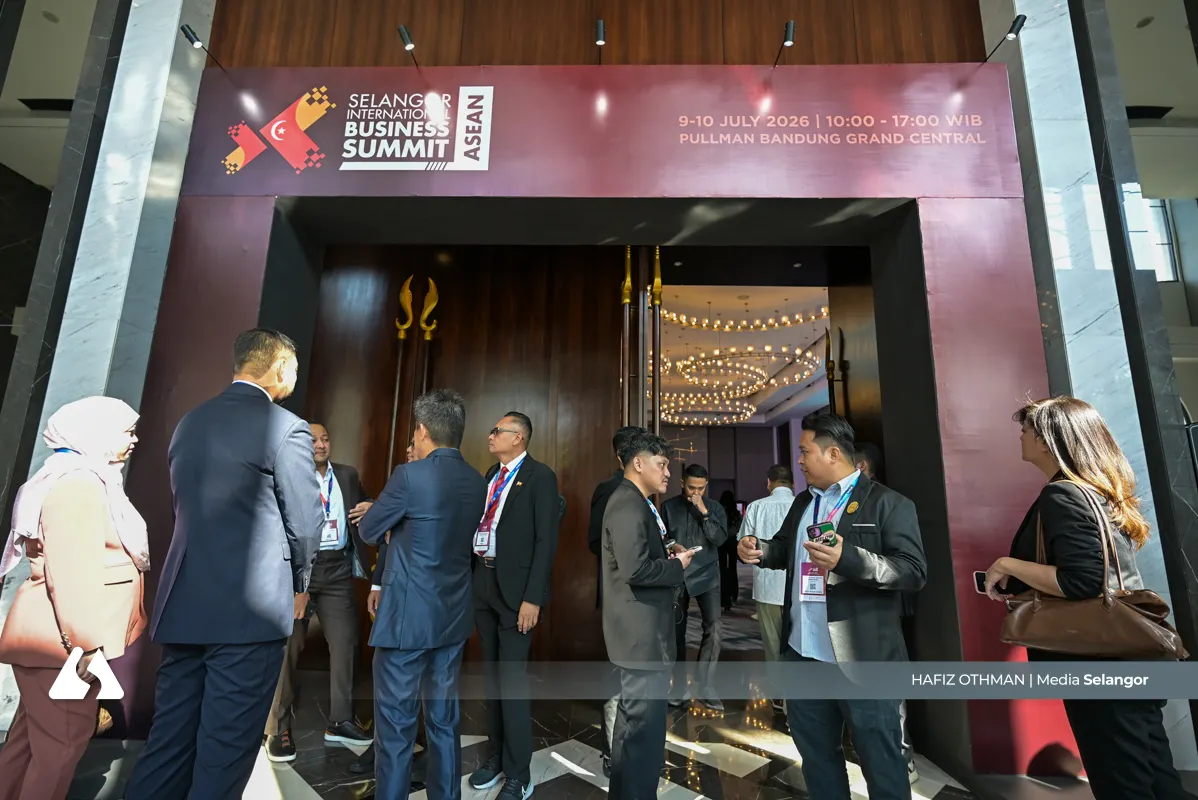
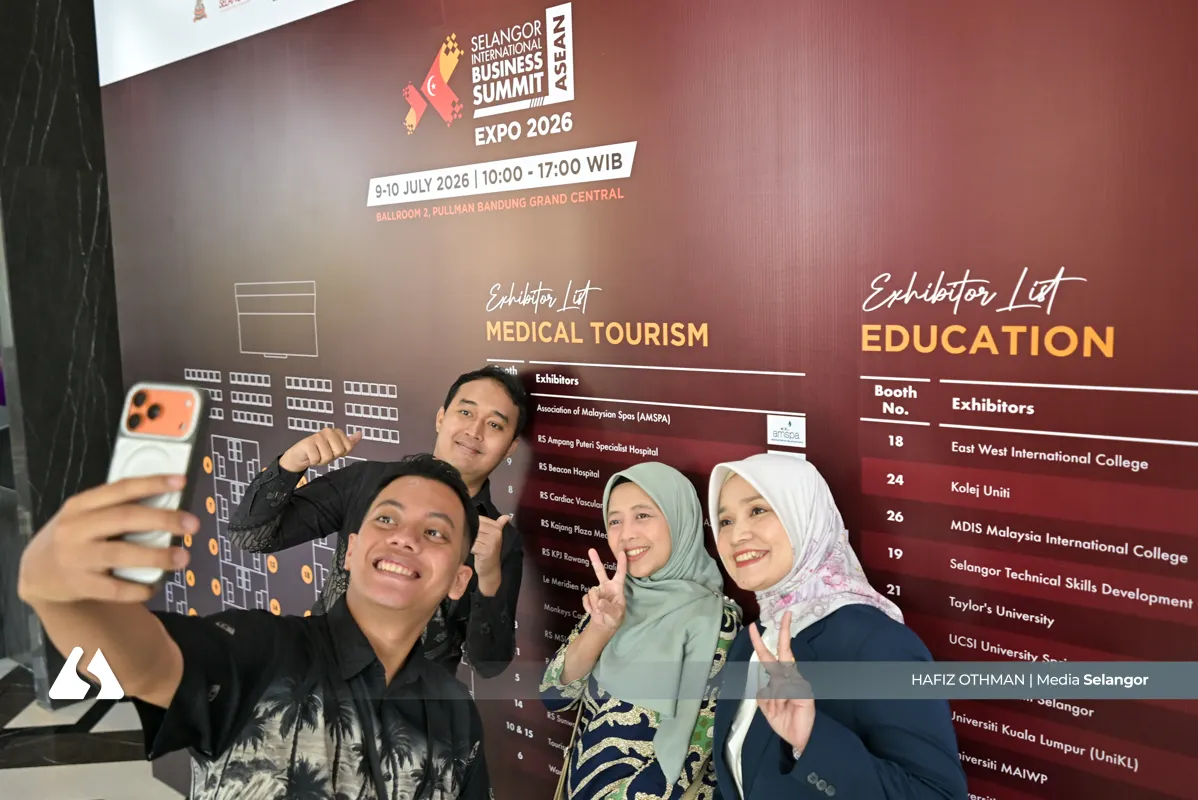
The session was held in conjunction with the inaugural two-day Selangor International Business Summit (SIBS)@ASEAN 2026 at the Pullman Grand Central.
Palanlappan added that addressing the rapid shift in workforce skills requires policymakers and educational institutions to work closely with industry to keep training programmes relevant.

“The only way to address this is for institutions and policymakers to align with industry by creating strong synergies to access the latest technologies while making policies and programmes more agile, stackable, and regularly reviewed, instead of being tied to rigid curriculum systems,” he said.
On whether ASEAN is moving in the right direction to address industry needs, Palanlappan said the issue of skills gaps and mismatches is a global challenge that requires a demand-driven education ecosystem responsive to industry needs.
Education systems should focus on emerging technologies and industry priorities, so graduates are equipped with competencies that match labour market demand.
This requires an agile, technology-driven education ecosystem that embraces approaches such as stackable certifications, micro-credentials, and recognition of prior learning.
He also called for policy reforms to reflect the changing expectations and working styles of Generation Z, stating that existing systems must evolve together with the new workforce entering the job market.
"The emphasis should no longer be on paper qualifications alone, but on competencies and real skills that expand graduates' opportunities in employment, entrepreneurship and the gig and creative economy.
"We cannot keep using the same old mechanisms and expect them to meet the needs of a new generation of workers. Policies and systems must shift accordingly,” Palanlappan said.
Earlier at the forum, he said that industries should play a more active role in talent development through work-based learning, apprenticeships, and stronger internship programmes, instead of only assessing graduates after they complete their studies.

Building a future ready workforce
Meanwhile, Indonesia’s National Development Planning Ministry senior policy planner Dwi Rahayuningsih said the ministry plays a coordinating role in formulating national development plans, with emphasis on ensuring growth remains inclusive.
“Our responsibility is mainly related to coordinating development planning at the national level.
“The ministry’s role is to ensure development policies are implemented in a coordinated and inclusive manner,” she said during the session.
Similarly, Indonesia’s Innovation Factory project and business development head Christ Panogari said that building a future ready workforce requires strong collaboration among governments, academia, industry, startups, and international organisations.
The republic’s innovation ecosystem builder works closely with young entrepreneurs and students across Indonesia and Southeast Asia to leverage technology and innovation in developing the region’s entrepreneurial ecosystem.
“Our organisation works closely with governments, private sector players, corporations, startups, educational institutions, and international organisations to support entrepreneurship and prepare young people to become future business leaders,” he said.