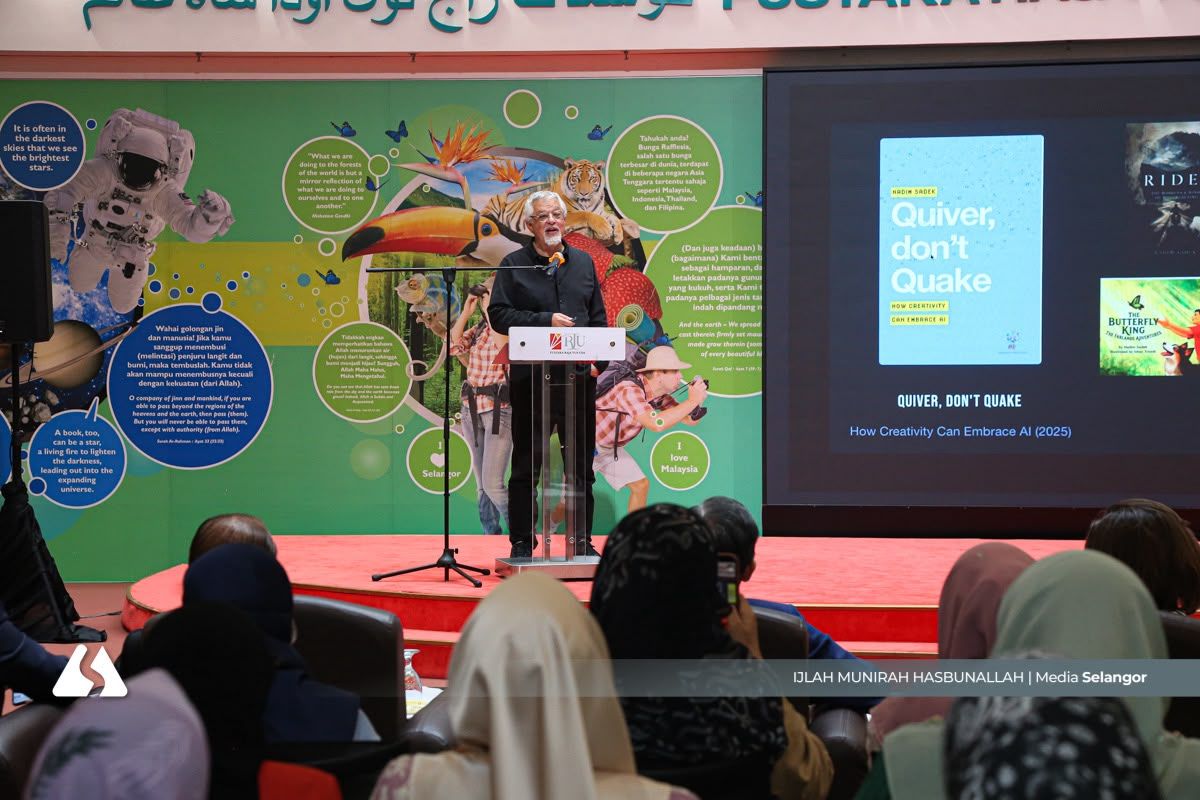
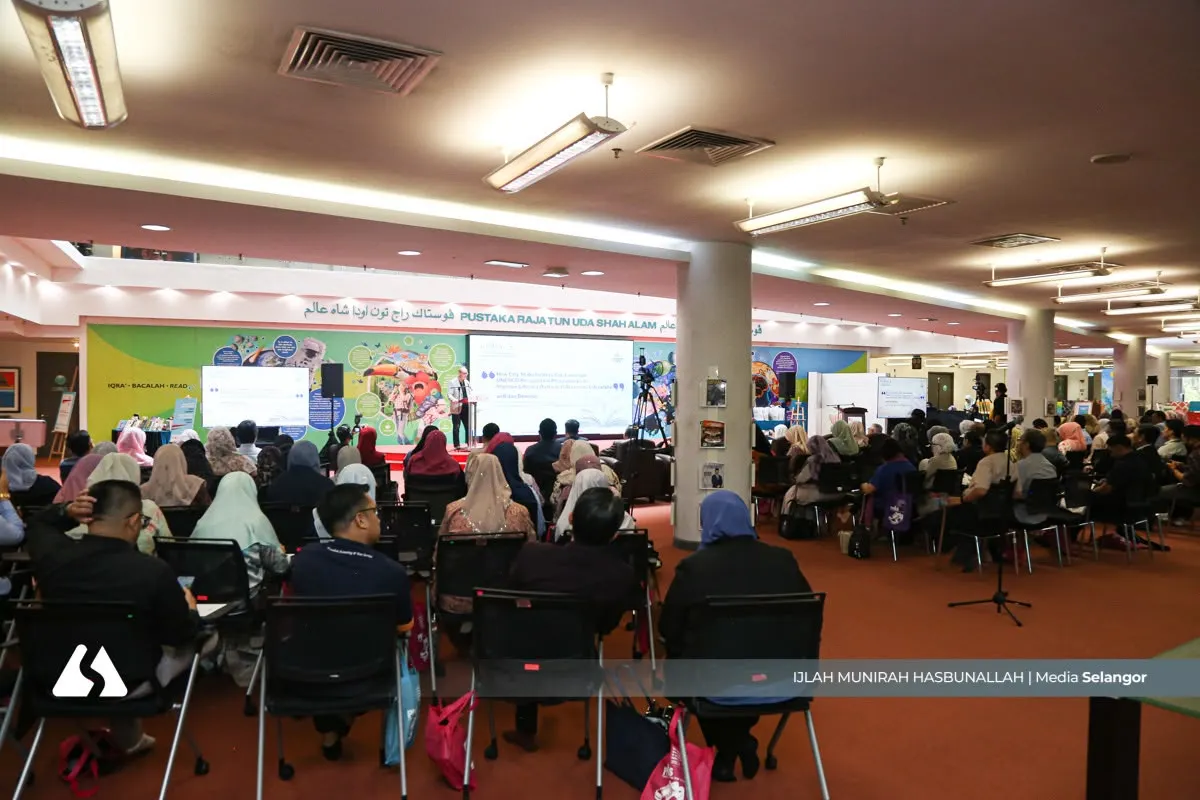
SHAH ALAM, July 8 — Society must avoid becoming overly dependent on artificial intelligence (AI) at the expense of independent thinking, consumer psychologist and author Nadim Sadek said today.
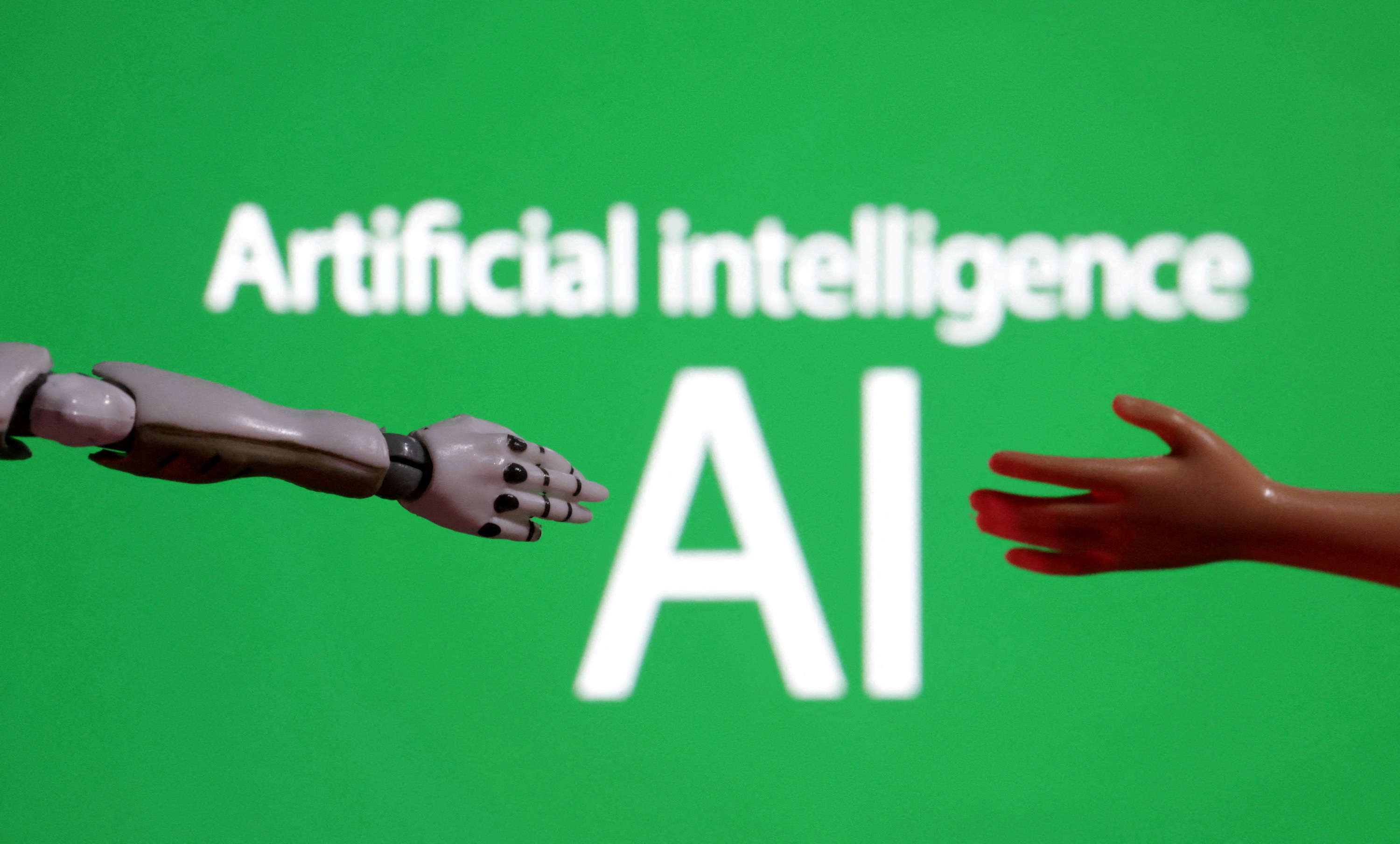
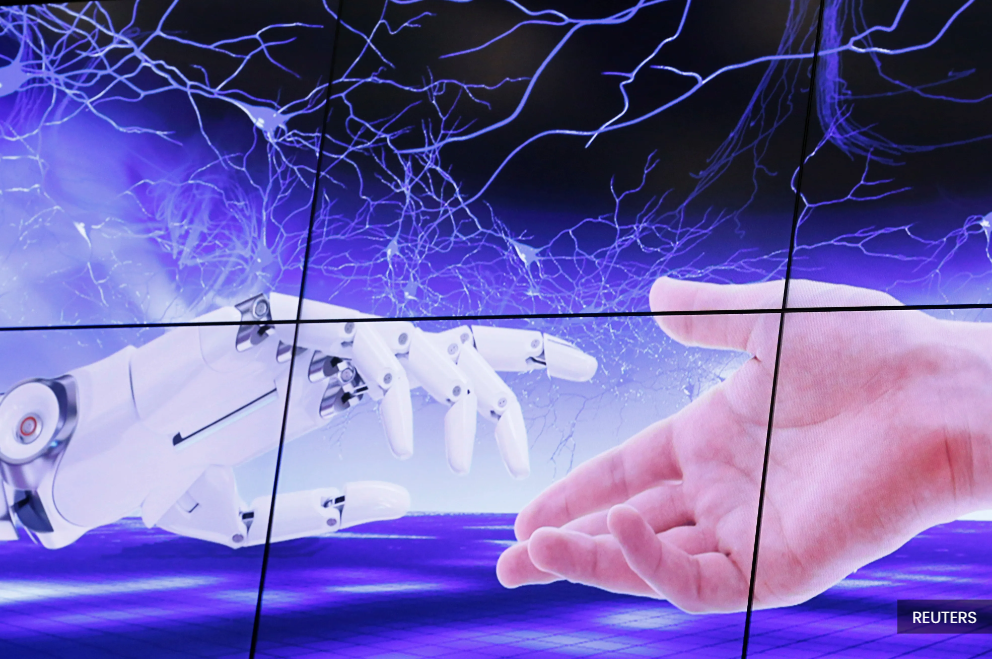
While AI has become a convenient tool that can enhance creativity, improve access to knowledge and help people discover information more effectively, Sadek said AI should be embraced as a partner and not be blindly trusted.
He warned that passive reliance on technology could weaken people’s ability to think critically.
“If you use AI, and I advocate that you do use AI as much as you can, you must do it in an interactive, dialogical, conversational way, where you go backwards and forwards and you interrogate it.
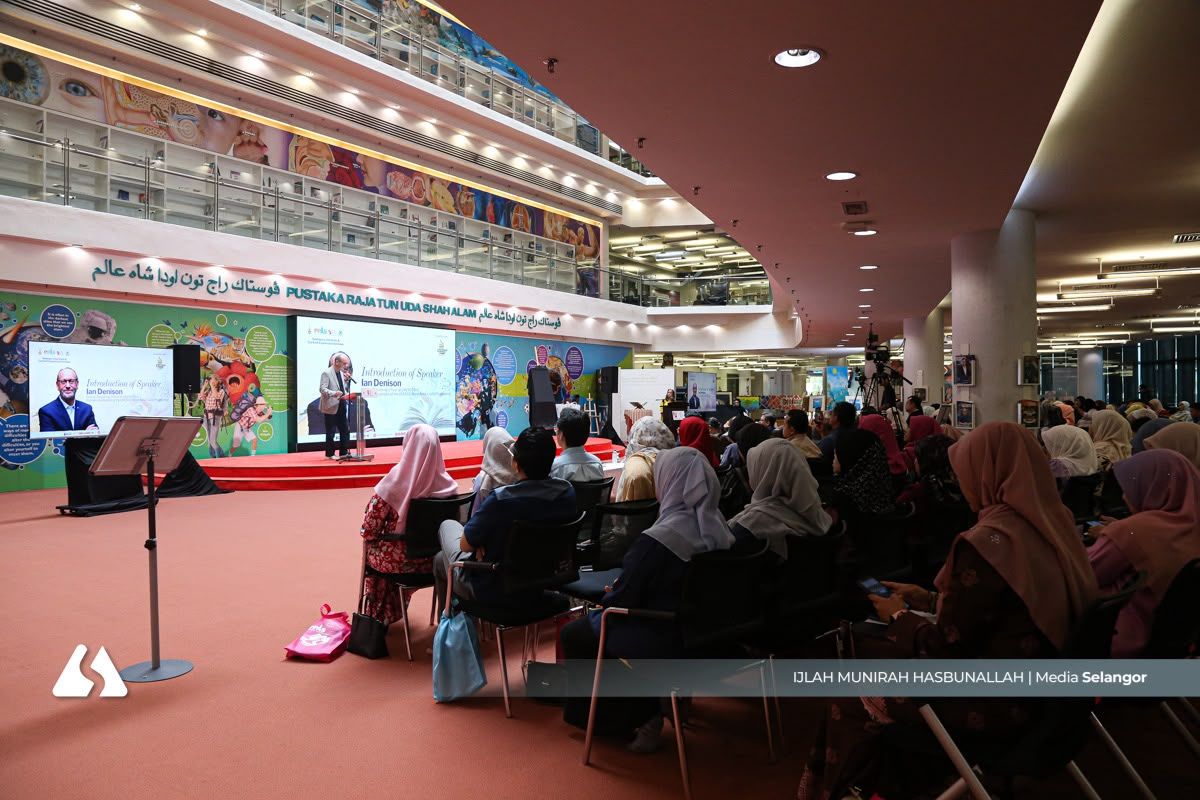
“If you simply ask questions in the old-fashioned Google search engine way, you will begin to lose the powers of your brain, your mind will atrophy, so be as active as you can in your use of AI,” he said at the Selangor Literature and Content Expression (SLICE) today, held at Pustaka Raja Tun Uda here.
Sadek said researchers have described this growing phenomenon as “cognitive surrender”, where users become increasingly passive because AI provides fluent and convincing answers.
He also pointed out concerns such as AI-powered warfare, economic inequality, misinformation, resource depletion, algorithmic authoritarianism, and the dominance of Western data in AI systems.
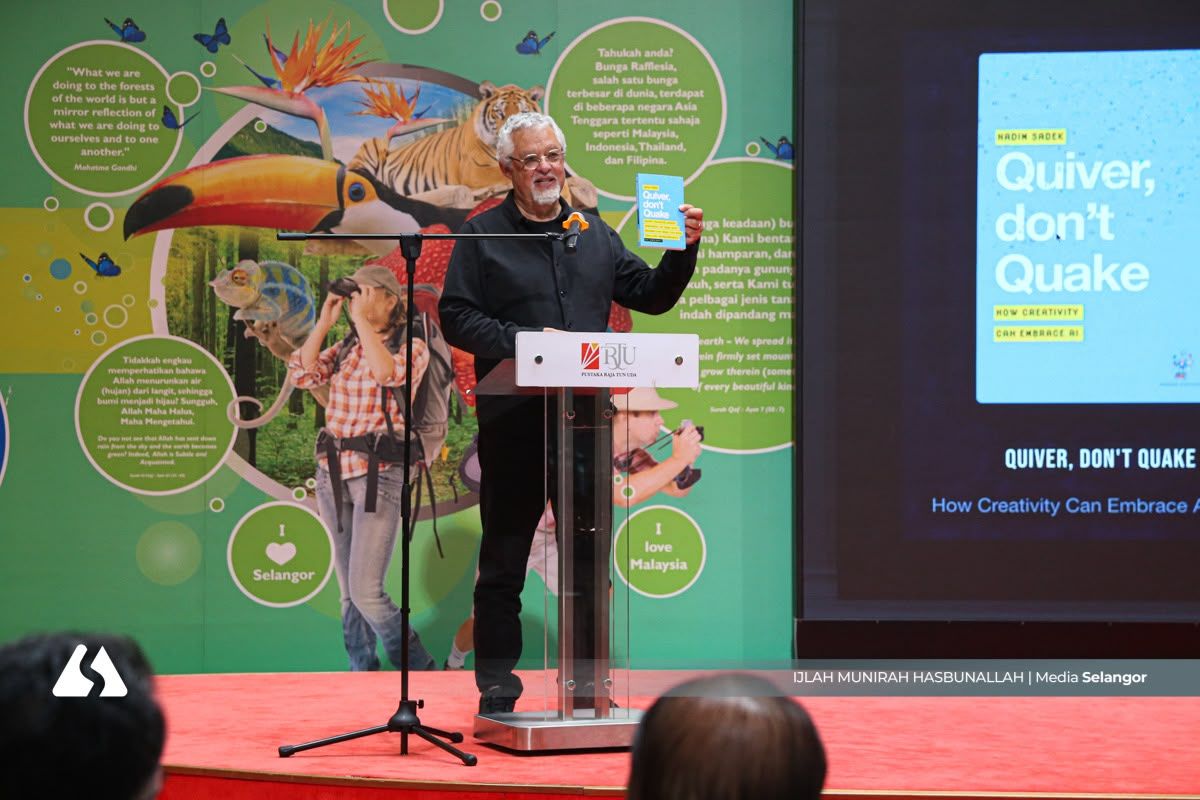
In the publishing industry, Sadek said AI can help publishers, authors and libraries come up with personalised strategies for every book, which would let them reach readers more effectively across multiple platforms instead of relying on traditional mass marketing.
“AI should also be used to support human creativity rather than replace it.
“My imagination is really emancipated by working with AI to formulate and to shape my creative ideas,” he said.
Sadek stressed that emotions remained irreplaceable with AI as humans would be the one providing the “feelings” when interacting with technology.
“The thing that we have that AI does not have and cannot have is feeling. It cannot feel joy. If your child pre-deceases, you feel terrible. AI doesn’t have that capability.
“With AI, (if) you get into this creative duet where you have a conversation, you interact, you get the dialogical progress,” he said.
Sadek added that users should neither blindly trust nor completely reject AI, but develop a balanced approach, saying: “You can’t completely believe in AI. You can’t completely distrust it. You have to have a sensible relationship with it.”