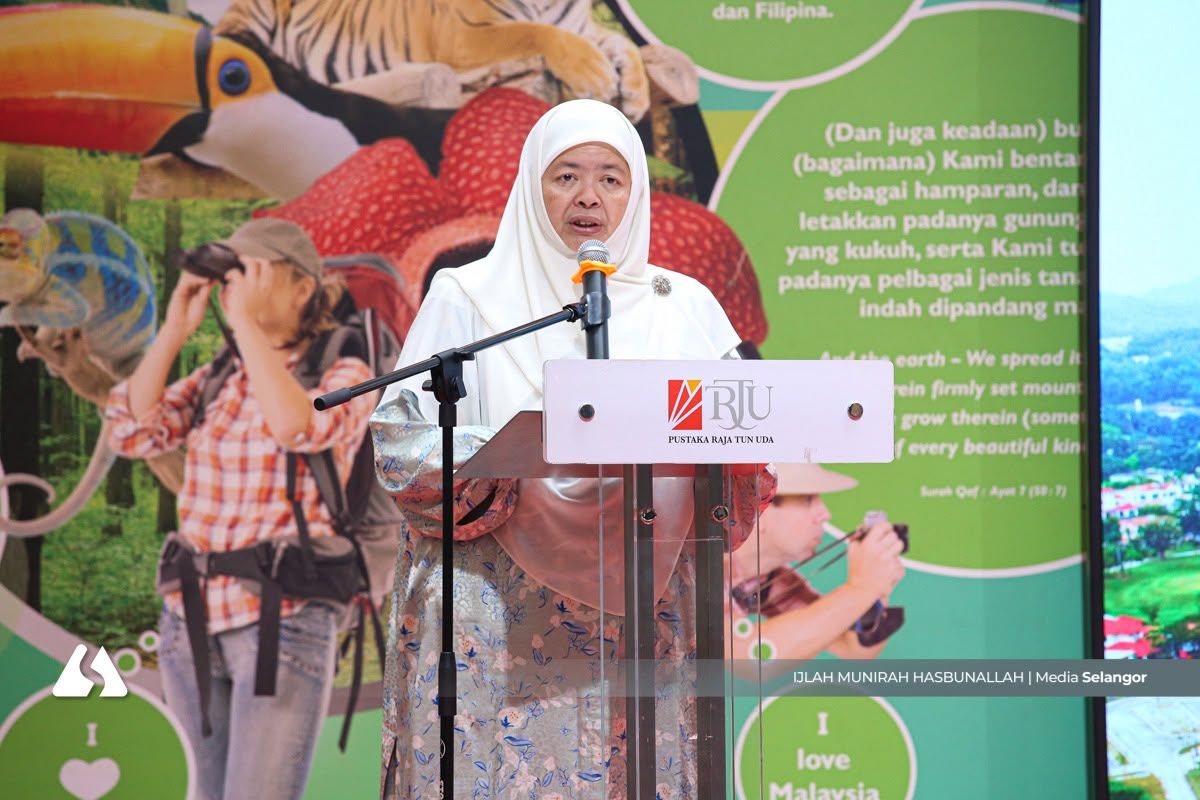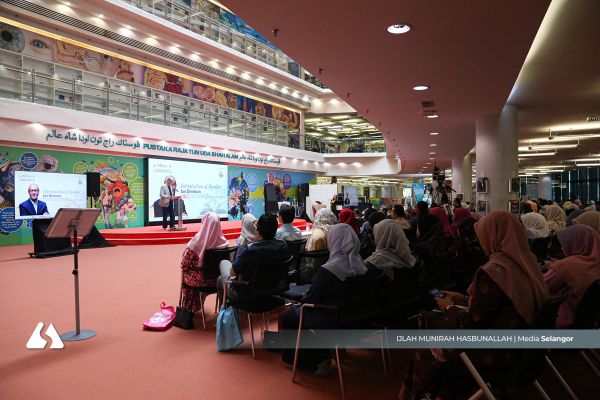
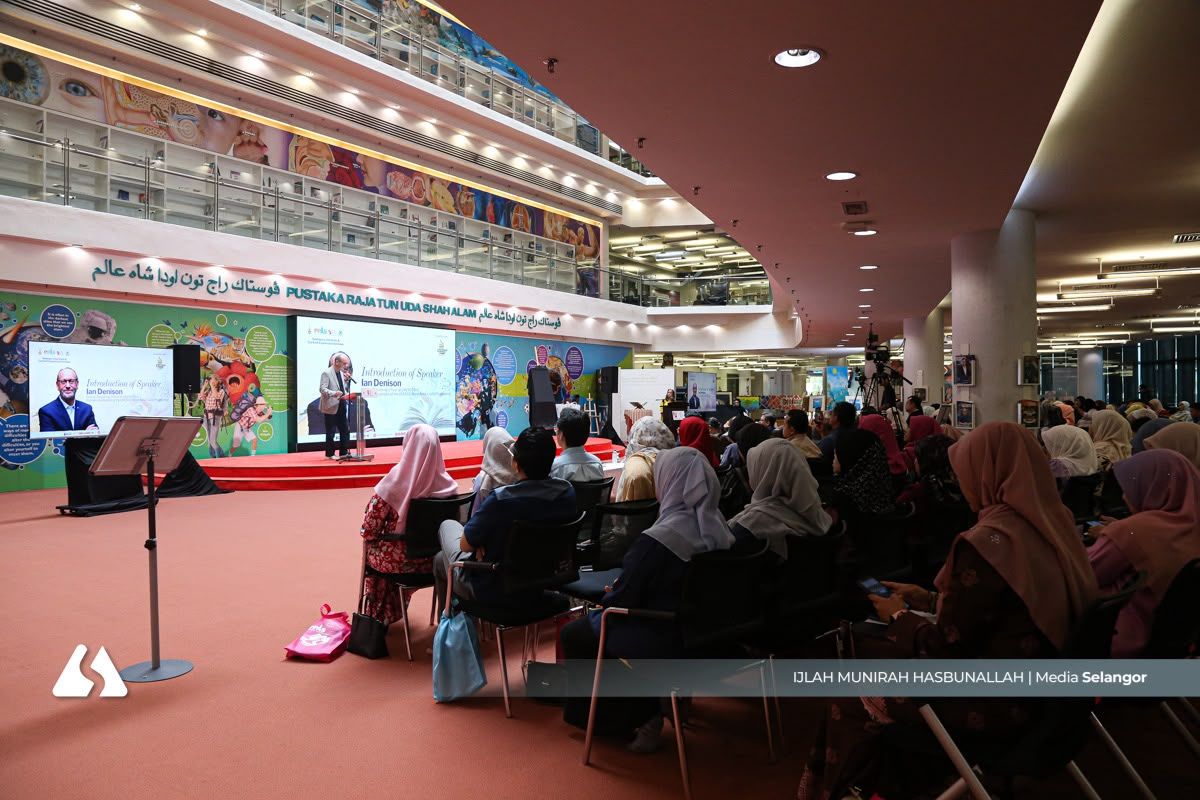



SHAH ALAM, July 8 — Cities play an increasingly important role in addressing literacy challenges and expanding access to books, providing a platform for communities to promote lifelong learning and build more inclusive societies, former United Nations Educational, Scientific and Cultural Organisation (UNESCO) head of publishing Ian Denison said.
He said while UNESCO recognition programmes provide valuable frameworks and global networks, meaningful changes can only be achieved through collective action.
“Recognition from UNESCO cannot change a city. What changes a city are people.
“What UNESCO recognition can provide is a framework, a mandate, a network and a compelling story that mobilises stakeholders around a common purpose,” he said when speaking at the Selangor Literature and Content Expression Seminar (SLICE) here today.
He said cities today are challenged because, despite expanded access to information, literacy gaps persist, the habit of reading for pleasure continues to decline, and many library systems face increasing pressure.
“If we want to improve literacy, foster lifelong learning and expand access to literature, cities must be strategically at the centre of our efforts,” he added.
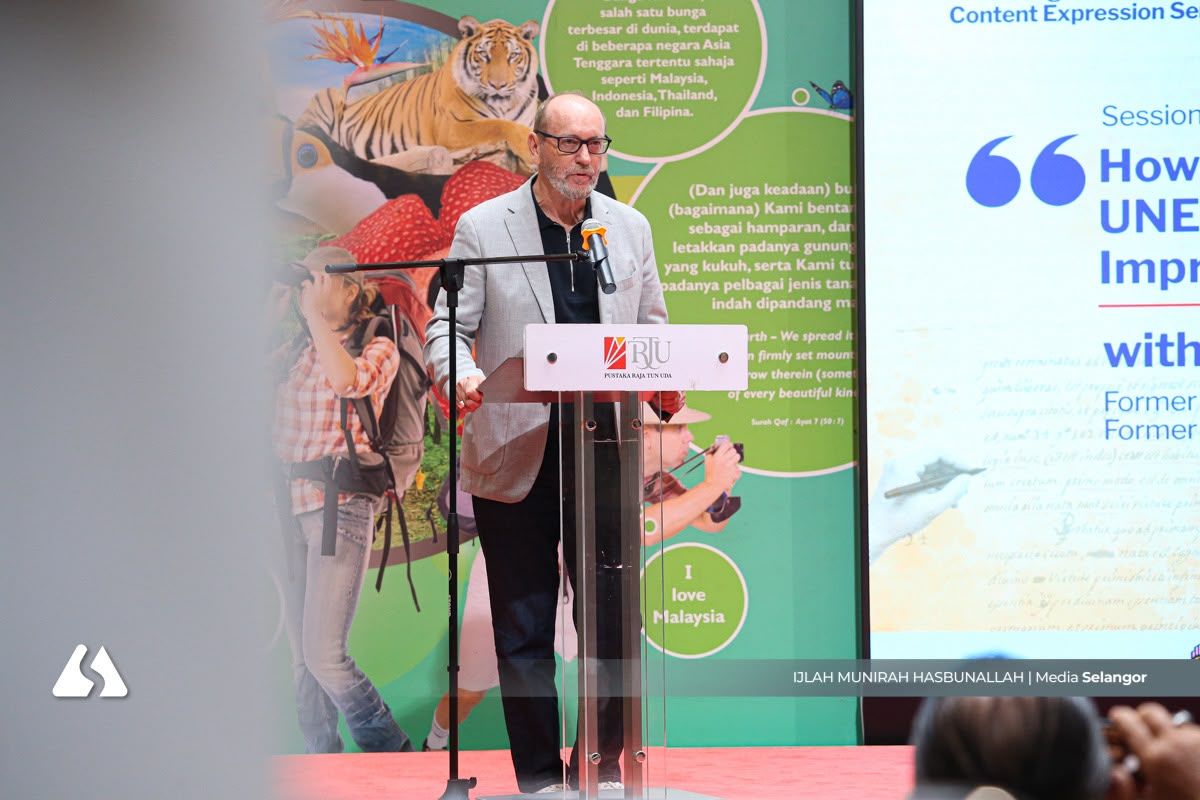
Drawing from examples around the world, Denison outlined eight lessons from cities recognised by UNESCO for their efforts in promoting literacy and learning, starting with the importance of building collaborations across local governments, schools, universities, publishers, libraries, businesses, and community organisations.
He said libraries should evolve beyond book storage and become community hubs connecting people with literature, culture, and lifelong learning opportunities.
Citing Petaling Jaya as a local example, Denison said the city has successfully adopted UNESCO’s Learning City framework by offering programmes for youth, single mothers, the urban poor, and people with special education needs.
“The lesson is that a truly literate city is not one in which children learn to read; it is one in which citizens never stop learning,” he explained.
He urged cities to strengthen their literary ecosystem by supporting writers, publishers, booksellers, translators, libraries and cultural institutions, while ensuring programmes reach communities with historically limited access to books.
Cities should focus on creating long-term impact rather than organising one-off events, he added, pointing to the World Book Capital programme by Sharjah city in the United Arab Emirates as an example of lasting partnerships and infrastructure.
“When all city stakeholders work together, UNESCO recognition becomes more than an honour. It becomes a catalyst; a catalyst for literacy, a catalyst for lifelong learning, and a catalyst for inclusion.
“Ultimately, a catalyst for building cities in which every person has an opportunity not only to read a book, but to discover, through books, a larger world and a better and more prosperous future,” Denison said.