

SHAH ALAM, July 7 — In the past, mobile phones were only used to make calls and send SMS messages.
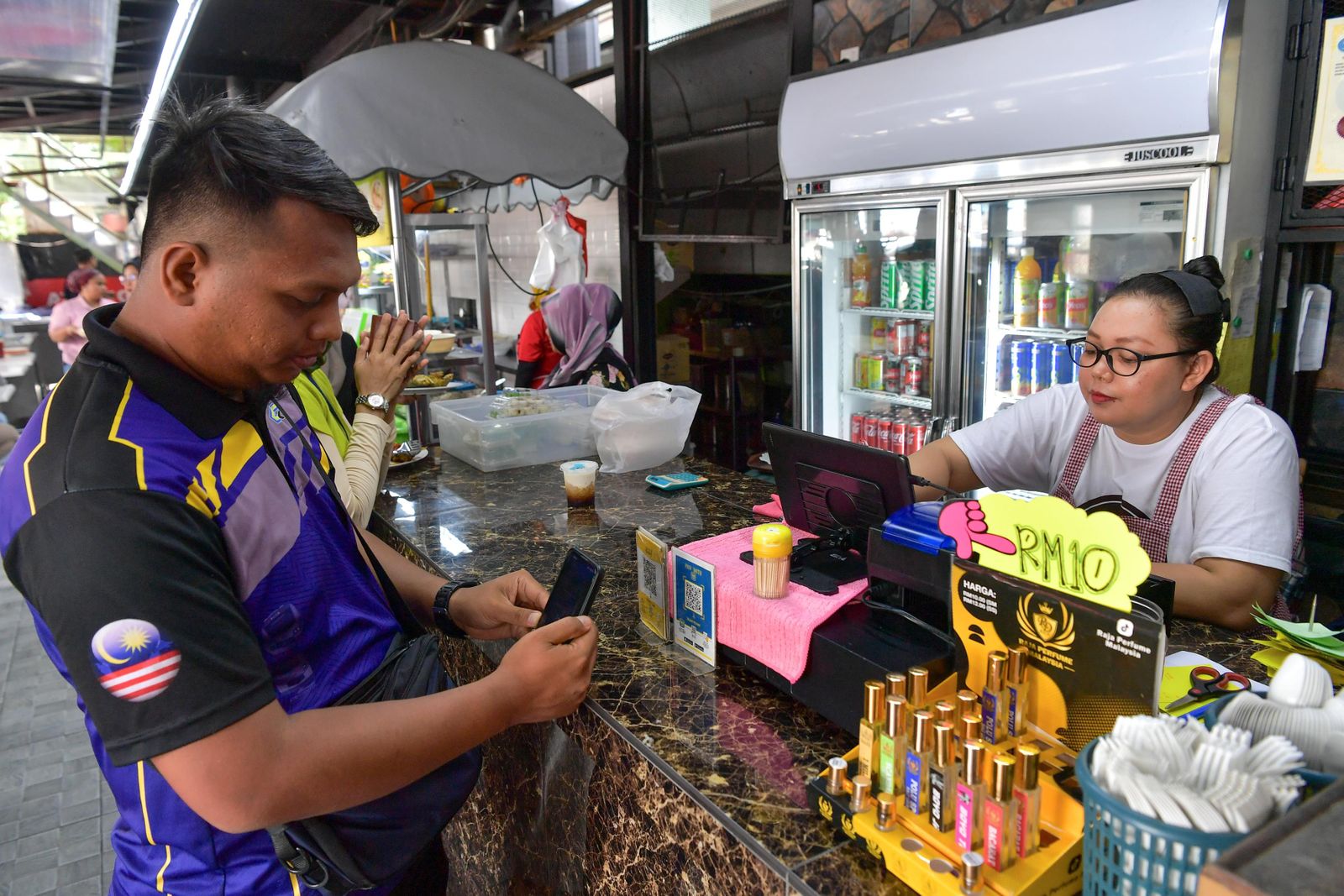
Today, almost every daily task, from paying bills and booking transportation to purchasing food and handling government affairs, requires a tap on a smartphone screen.
The change may be easier for the younger generation to follow, who grew up with technology. However, for the elderly who have spent most of their lives without the internet and digital applications, the change has become a new challenge that requires time, patience, and ongoing guidance.
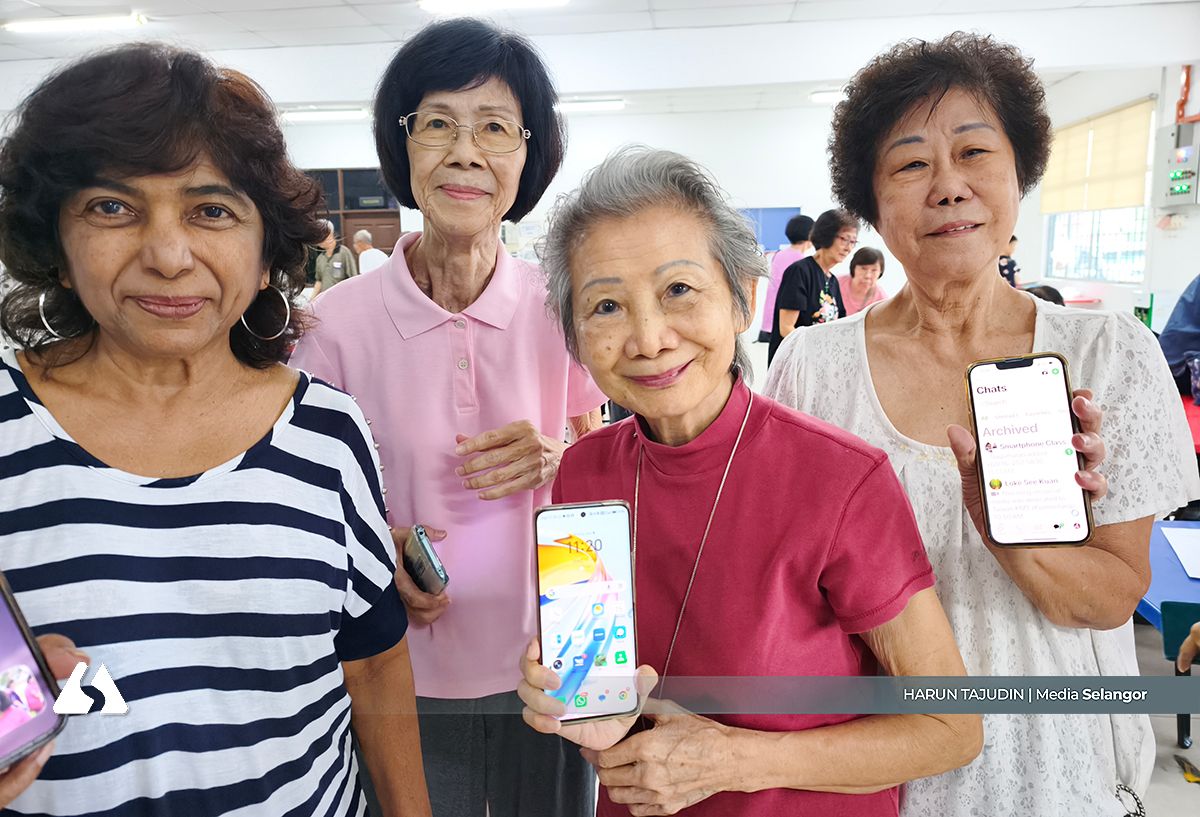
Even so, age is not a barrier to continuing to learn, as more senior citizens are willing to spend time attending smartphone classes to ensure they are not left behind in an increasingly digital world.
This can be seen through the smartphone classes organised by Bukit Gasing state assemblyman Rajiv Rishyakaran under the Petaling Jaya City Council (MBPJ) for the past three years.
The program, which gathers participants aged 40 to 95, provides a space for them to learn digital skills that have become basic necessities of life.
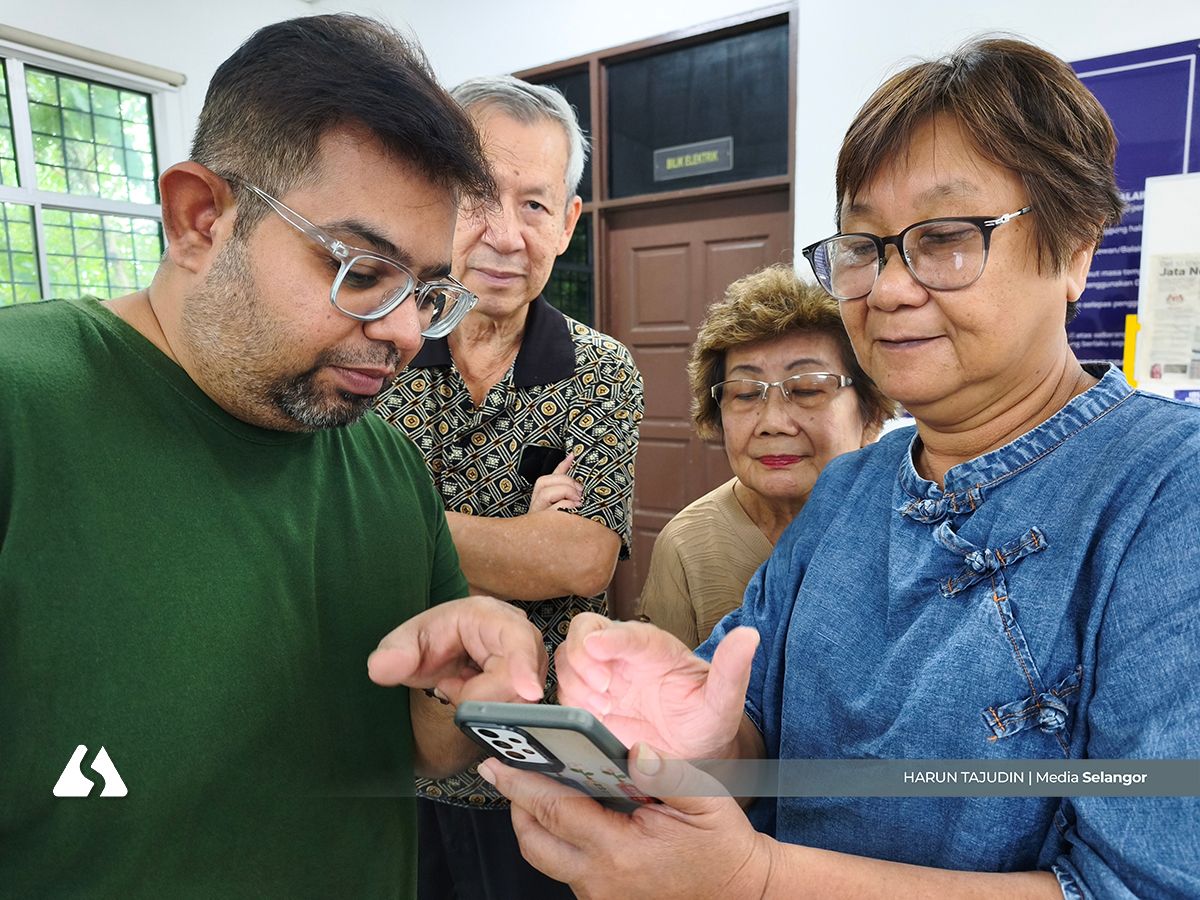
Upon entering MBPJ City Hall, a lively atmosphere is evident, with multiracial participants continually asking the instructors questions.
Some want to know how to use banking apps, some are confused by phone functions, while others want to understand how to use applications that never existed during their youth.
Some want to know how to use banking apps, some are confused by phone functions, while others want to understand how to use applications that never existed during their youth.
Even though the same questions were repeated many times, the instructors were patient with each participant. They moved from table to table, repeating explanations until each participant truly understood the steps being taught.
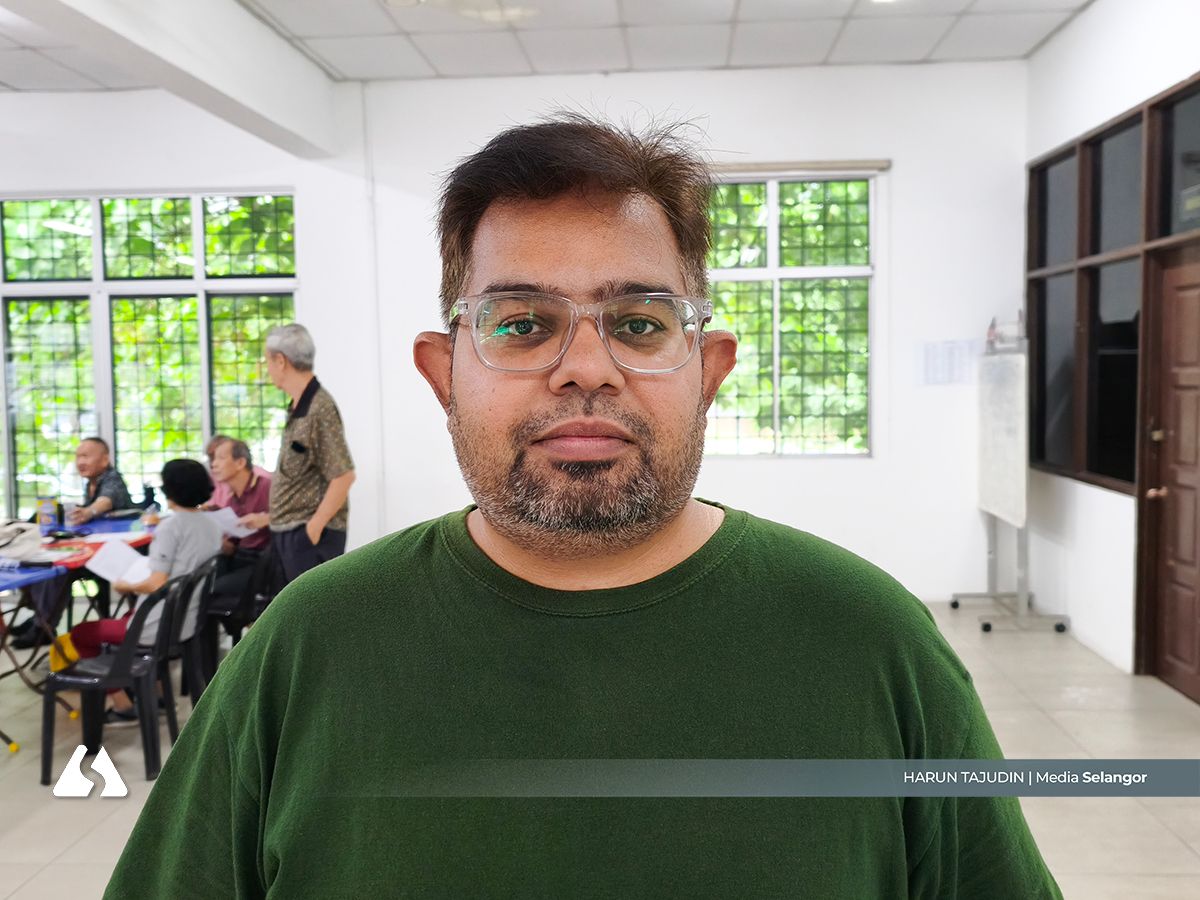
For instructor Aman Banot, teaching senior citizens requires a different approach than teaching the younger generation, as most of them tend to forget what they have learned more easily.
"Seniors can usually learn, but they often forget. So, I must repeat the same things every week until they remember," he told Media Selangor.
In the early stages, classes were conducted casually without a specific syllabus, focusing more on the needs of the participants.
Now, the program has expanded to include more structured modules covering basic smartphone usage, digital payments, food ordering, and e-hailing services, which are taught progressively.
This effort is crucial, given that daily tasks now require digital apps, thereby ensuring that seniors are not dependent on family members.
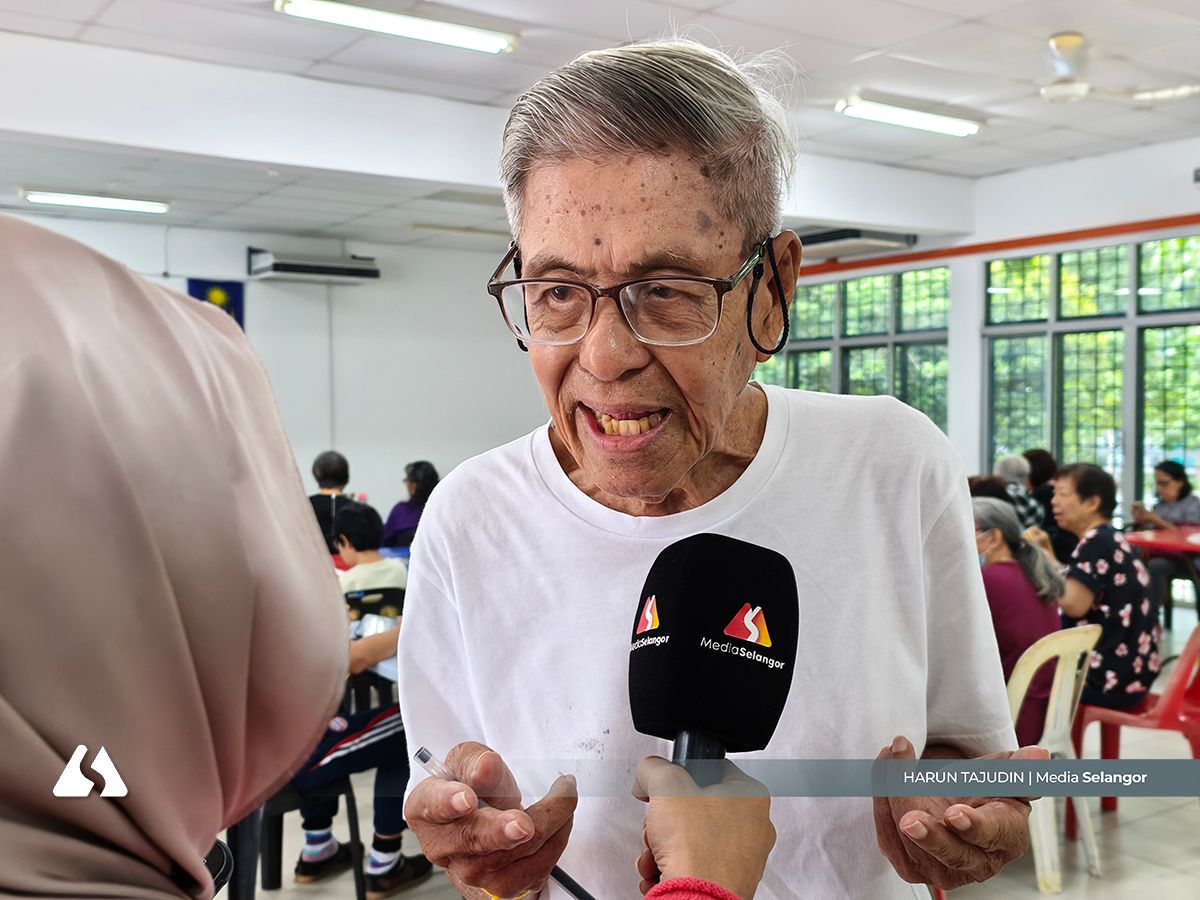
For participant Kong Yoke Lum, the class is no longer just a leisure activity, but rather an essential tool for living independently since his children no longer live with him.
As a result of attending classes for three years, the 96-year-old is now able to use the Grab app to book rides or order food on his own, in addition to utilising Waze and translation apps for his daily affairs.
"I only learned the important things like Waze, Grab, and translator because most official businesses use Malay," he said.
Consistent, repeated training with help from friends and instructors has enabled Kong to master these skills, even though it took him longer than it did for others.
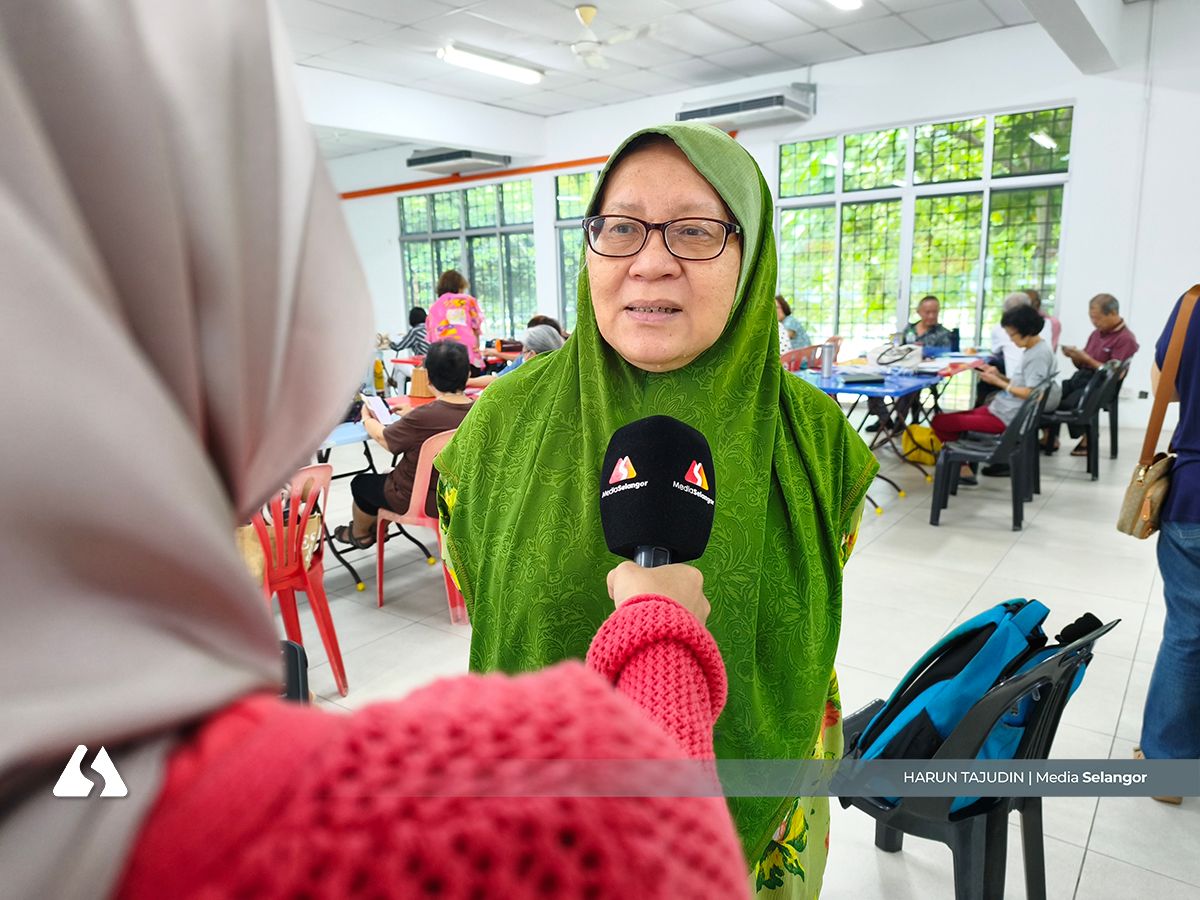
The same enthusiasm is shared by former The Star journalist Adlina Abdul Wahab, 67, who has been attending the class for the past two years.
Despite having worked in the media industry before, she admits there are still many things about smartphones that she wants to learn so that the technology can truly be utilised in her daily life.
In addition to gaining new knowledge, the class created a space to get to know friends of various races and share experiences in a relaxed atmosphere.
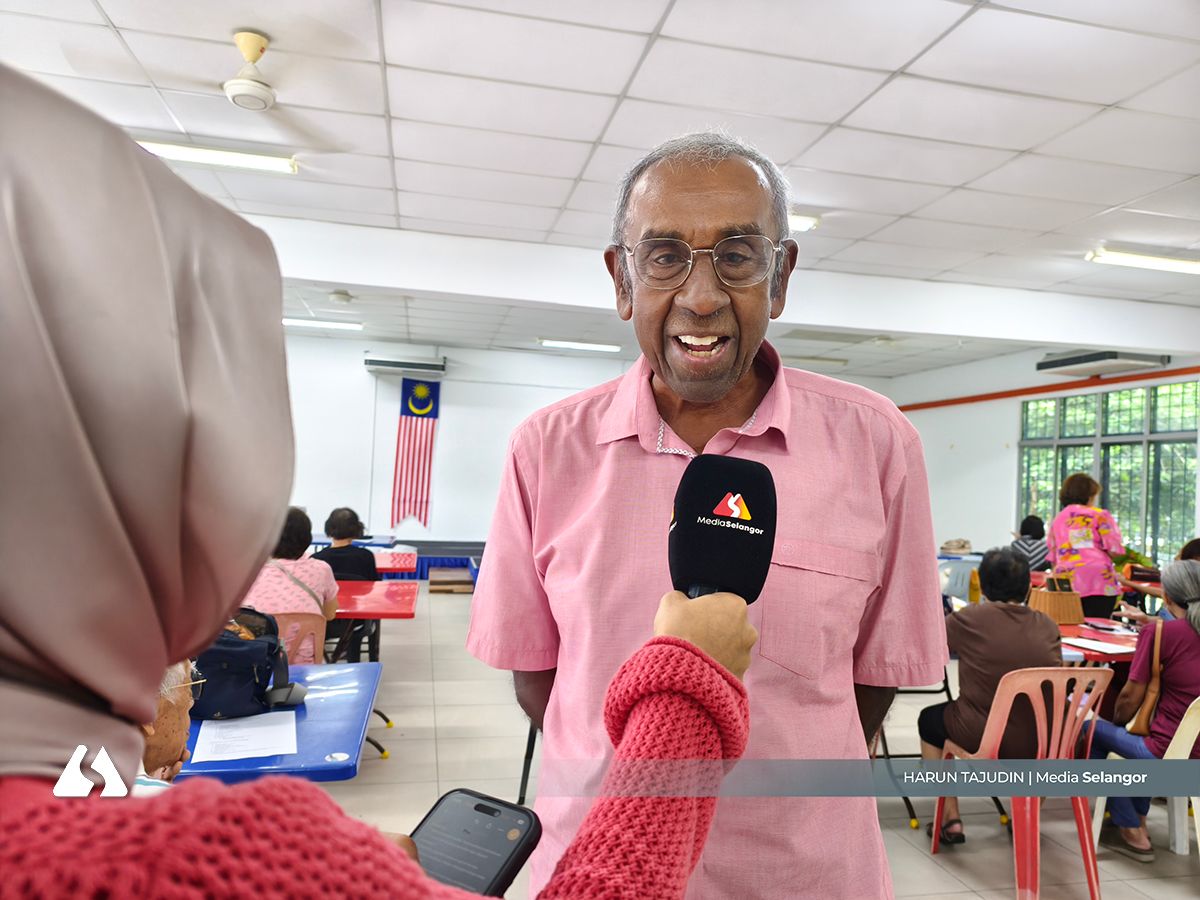
For Shanmugaratnam S. Chellathurai, 76, the most significant change is that he no longer relies entirely on his children for daily tasks.
“Previously, I relied on my children for things like money transfers; now I can do it myself even though I am still learning," he said.
While acknowledging that his main challenge is that he forgets easily, Shanmugaratnam continues to attend consistently because he believes digital skills can only be mastered through repeated practice.
Behind every touch on the phone screen lies an effort to narrow the technological gap between generations.
Classes like this prove that with patience, continuous guidance, and the right approach, seniors can master technology, thus enjoying a more confident and independent life in line with the development of the digital world.