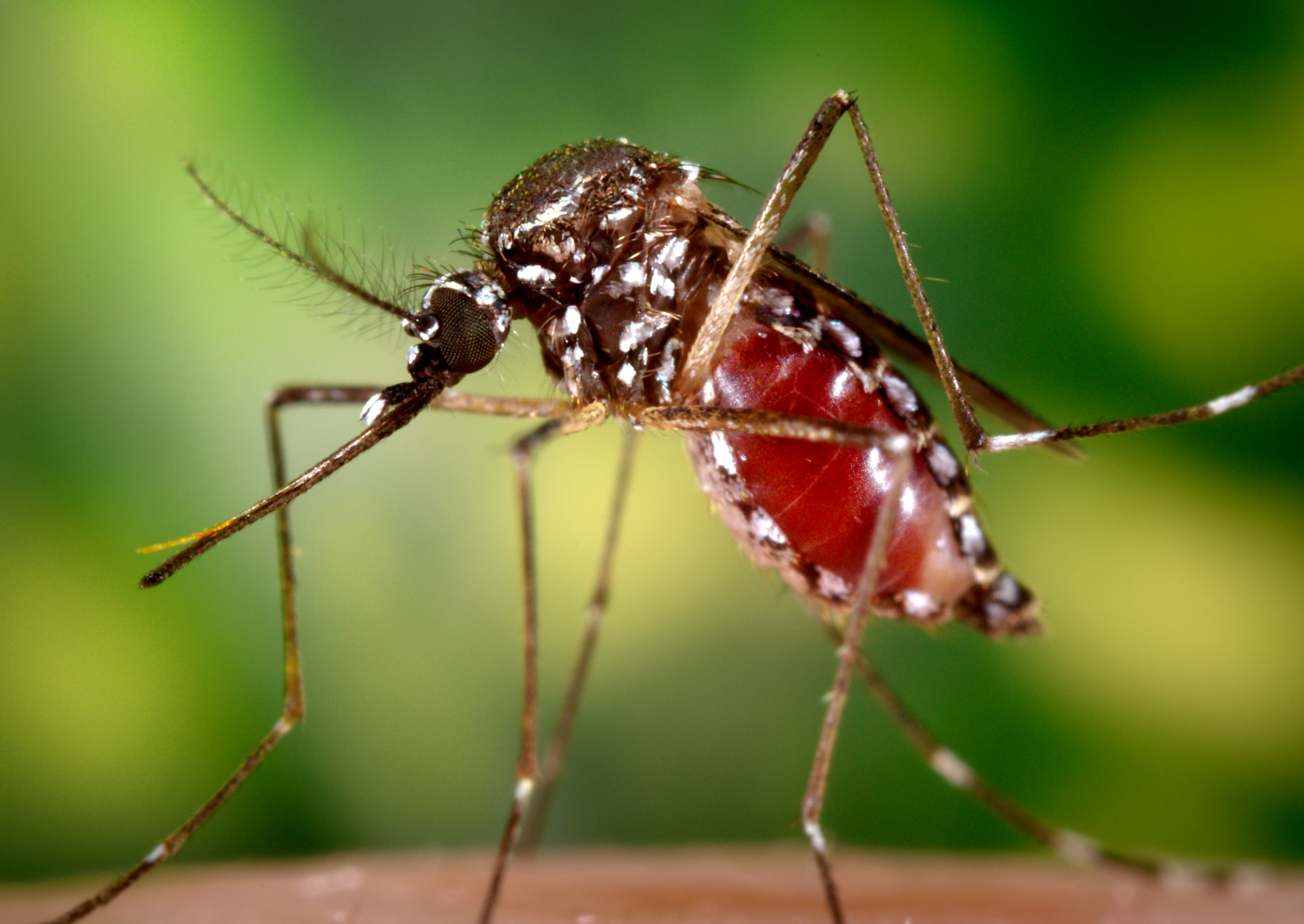
DHAKA, July 1 — Bangladesh could face a sharp increase in dengue infections over the next two months, health experts warned, as wet weather and inadequate mosquito control spur a wider outbreak.
The spread of the mosquito-borne disease, which can cause fever, severe headaches and, in some cases, fatal complications, has accelerated in recent weeks, raising concerns following the nation's deadliest ever outbreak in 2023.
Cases rose sharply in June, with 2,907 infections and 13 deaths, compared with 715 cases and one death in May. By the end of June, Bangladesh had recorded 5,924 dengue cases and 18 deaths this year, according to Health Ministry data.
“We expect dengue cases in Dhaka to at least double in July from June levels and increase three to fourfold by August.
“But the bigger challenge will likely be outside the capital, where several districts are at risk of a much steeper rise in infections,” said Jahangirnagar University entomologist Prof Kabirul Bashar
In 2023, more than 321,000 people were infected, and 1,705 died.
Last year, Bangladesh recorded 102,861 dengue cases and 413 deaths, following 101,214 infections and 575 deaths in 2024.
The South Asian nation is already dealing with one of its worst measles outbreaks in decades. Since mid-March, more than 100,000 suspected cases and over 10,000 confirmed infections have been reported, with more than 700 deaths, adding pressure to a fragile healthcare system.
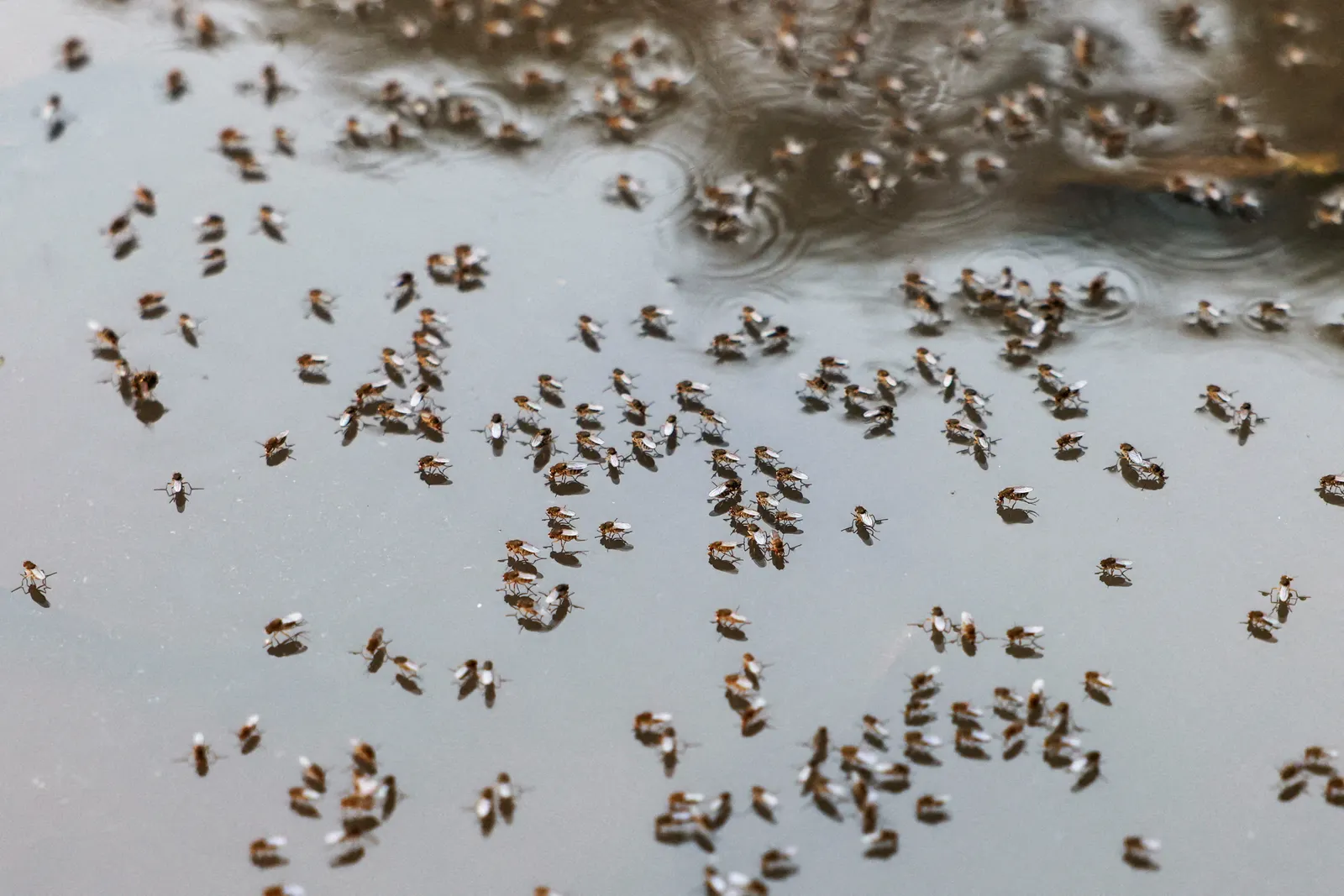
Heavy rainfall, warm temperatures, and high humidity have created ideal conditions for dengue transmission, while mosquito control efforts have not kept pace with the growing threat, Bashar said.
He urged the government to set up a nationwide early warning system to help identify mosquito breeding areas and emerging hotspots, so authorities can respond faster and warn communities before outbreaks worsen.
“The window to contain the outbreak is narrowing,” Prof Kabirul said.
Authorities said they are tackling the outbreak by killing mosquitoes, removing standing water, preparing hospitals, and urging people to take protective measures.