ISLAMABAD, Sept 17 — In Dhaka, the capital of Bangladesh, Parvin Akter times her cooking to the neighbourhood’s availability of piped gas. With gas in intermittent supply as a result of a global energy crunch, she now sometimes has to wait until midnight to cook her dinner.
Even switching to an induction cooker has not helped, as power outages often leave food half-cooked.
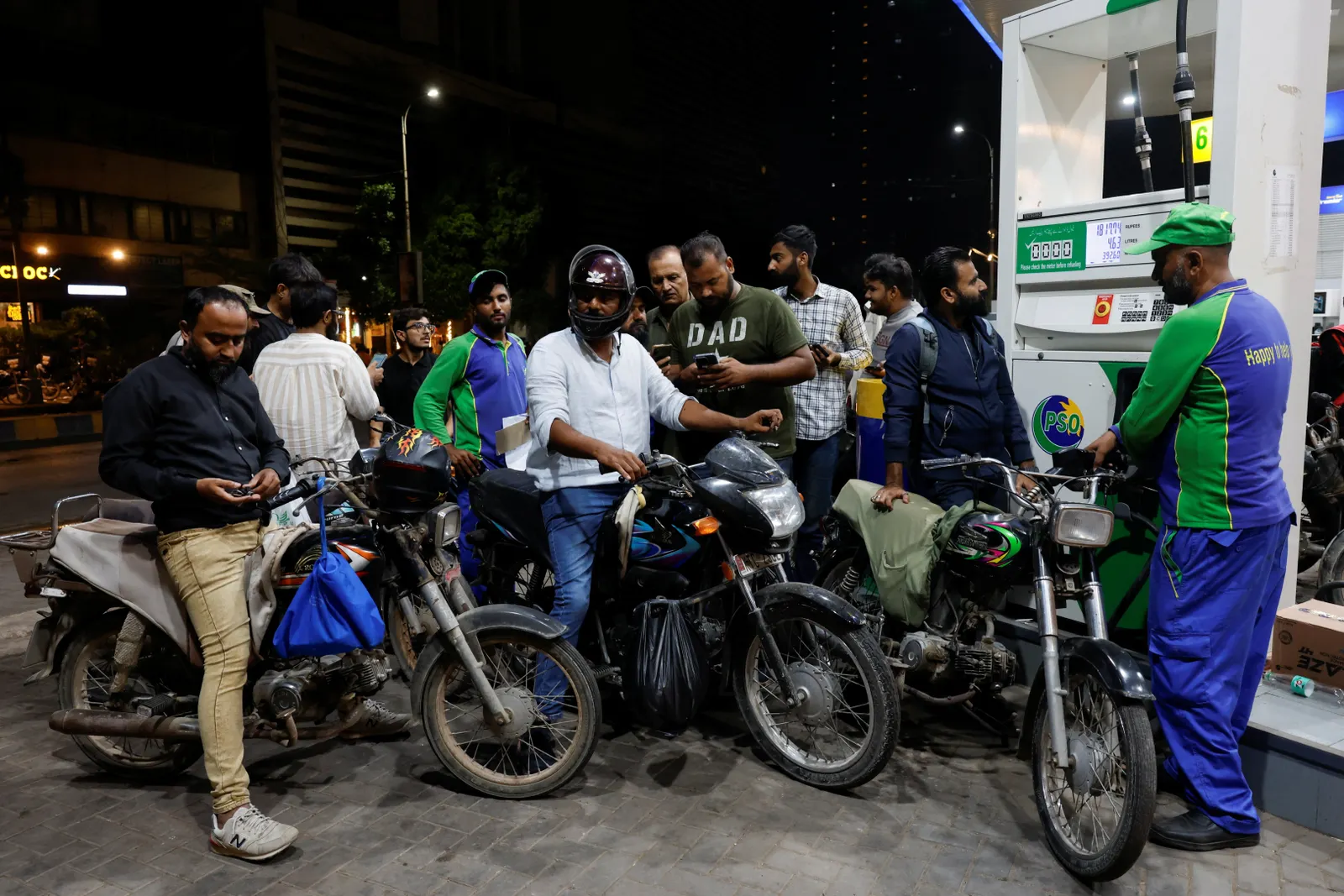
More than 2,000km away on the other side of South Asia, in Pakistan, the government launched a fuel subsidy that went into effect yesterday to ease the sharp rise in fuel prices.
Vehicle owners have to register for the subsidy, however, and the programme is not working smoothly. Mohammad Musharraf, a resident of Karachi, says he has spent days trying to register with his motorcycle and ID card number, but has struggled.
“First of all, you have to register your vehicle. Then you have to register your mobile phone. How can an illiterate person survive if the conditions are so difficult?”
Attacks by the United States and Israel on Iran over six months ago led to the disruption of oil and gas exports through the Strait of Hormuz. Now, fighting between Saudi Arabia and the Iran-backed Houthis also imperils trade through the Red Sea.
The problems at the two chokepoints have driven Asian spot liquefied natural gas (LNG) prices back toward US$30 (RM123) per million British thermal units this week, the second such spike this year, from about US$10 before the war.
Shell estimates the world has lost roughly 36 million tonnes of LNG from West Asia so far this year, and the shortage is particularly hitting countries where governments have limited financial leeway to intervene.
In Bangladesh, the shortfall has triggered blackouts and factory shutdowns. Pakistan and other countries in the region are rushing to blunt public anger with hastily introduced subsidies.
Bangladesh in the dark
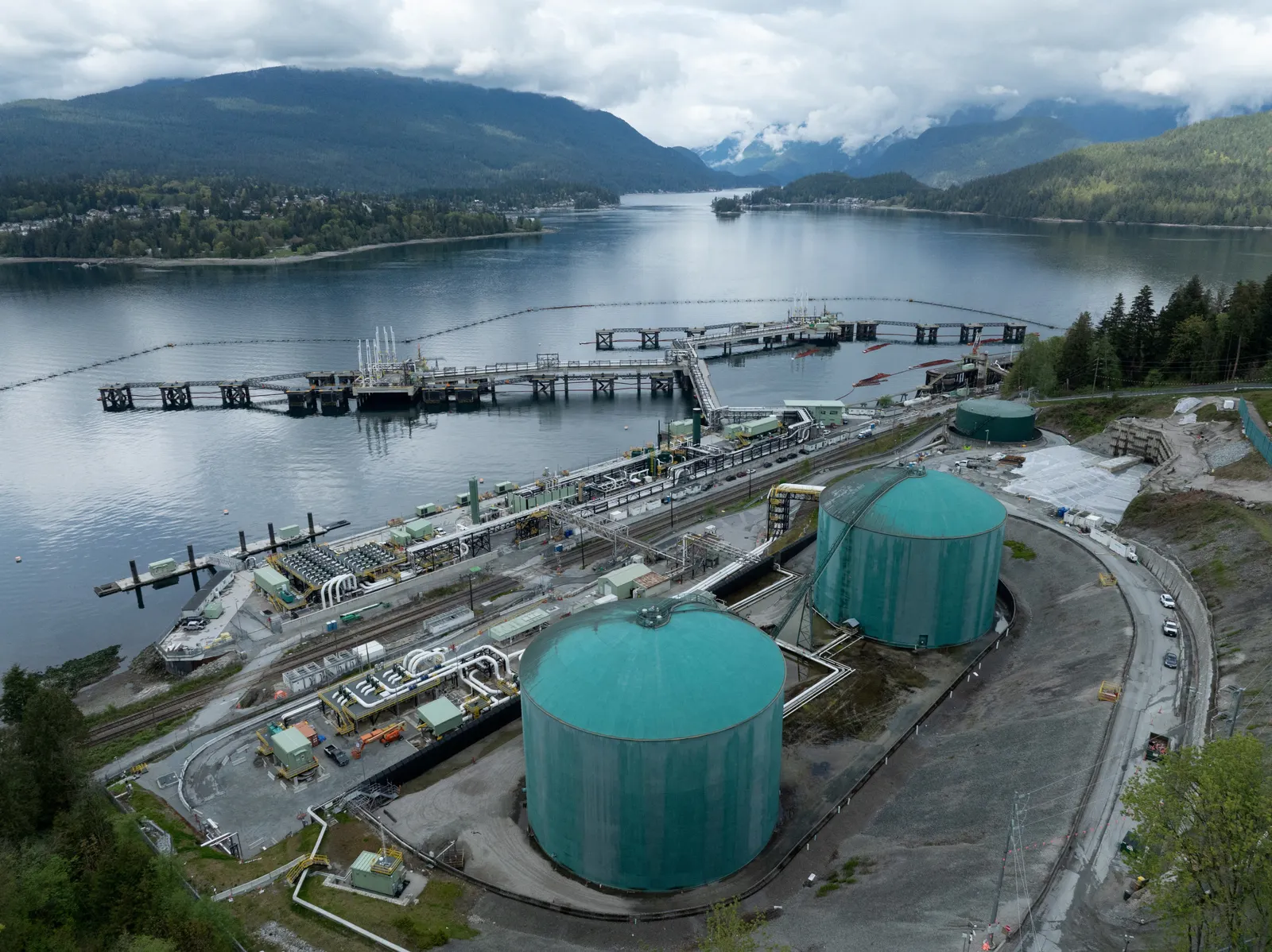
Bangladesh draws more than 40 per cent of its electricity from imported LNG, and disruptions in deliveries from Qatar — once the source of 95 per cent of those imports — have forced Dhaka to chase costlier cargoes on the spot market.
“Industrial growth is slowing down, and production is going down,” Power Minister Iqbal Hasan Mahmud said this week.
The strain shows up in orders in its garments industry, the country’s biggest export. A survey of knitwear factories by the BKMEA trade group found 55 per cent had seen buyers cancel or cut orders because of gas and power shortages since late August, and 78 per cent had partially halted production.
At one factory, a boiler ruined in mid-process by low gas pressure forced owner Alvi Islam to source fabric from China instead — a delay that led a buyer to cut a 50,000-piece order to 40,000.
Others had to take on additional expenses after energy-related production delays forced them to send finished products by plane to meet deadlines. Garment industry executive Fazlee Shamim Ehsan said his factory had to pay US$50,000 to send hoodies by air freight to a French buyer.
“On top of that, we’ve had to spend extra money on diesel just to keep the factory running,” said Ehsan, who is the managing director of Fatullah Apparels Ltd.
In Tangail city, poultry farmer Sayedul Islam said power outages are killing 15 to 20 of his birds a day because he cannot run the electric fans needed to cool his sheds.
Even hospitals aren’t spared. In Sylhet, power cuts hit the local hospital almost hourly. While generators keep intensive care units running, they don’t always suffice for ward ventilation, leaving patients to cope with the heat in crowded rooms.
The government has said it is seeking solutions. Fazlul Hoque of the Federation of Bangladesh Chambers of Commerce and Industry pointed to a directive to fix a non-functional LNG terminal, which would help more tankers unload.
Some, including business owner Ehsan, said they have noticed slight improvements in recent days with gas supplies increasing.
Grids and gas tanks
Pakistan’s power grid is under a milder version of the same strain. Officials there are trying to prevent a repeat of early business closures that had to be enforced in April.
The Pakistani power sector will need up to 11.3 million cubic metres of gas a day through winter, Independent System and Market Operator (ISMO) data shows, with only two LNG cargoes confirmed so far for September. One standard Pakistan LNG cargo is around 140,000 cubic metres, or just over one week’s supply.
While solar power has eased some of Pakistan’s power crunch in recent years, the country still needs gas for other sectors and households, said Masood Nabi, chief executive of state importer Pakistan LNG, at Gastech this week.
The more immediate battle in Pakistan, though, is over transport fuel prices.
The Prime Minister’s Fuel Relief Scheme that took effect last night offers motorcycle, rickshaw and small-car owners a subsidy of 100 rupees (RM1.47) a litre on a capped monthly quota, after petrol rose to roughly 380 rupees a litre and diesel to 409 Pakistani rupees — a heavy burden in a country where the minimum wage is around US$145 a month.
Business leaders and workers say it isn’t enough.
“We used to eat meat once a week, but now it is difficult to afford it even once a month,” said Amesh Gul, 32, a rickshaw driver in Karachi whose income has taken a hit with rising fuel prices. “All I ask of the government is to please take care of poor people.”