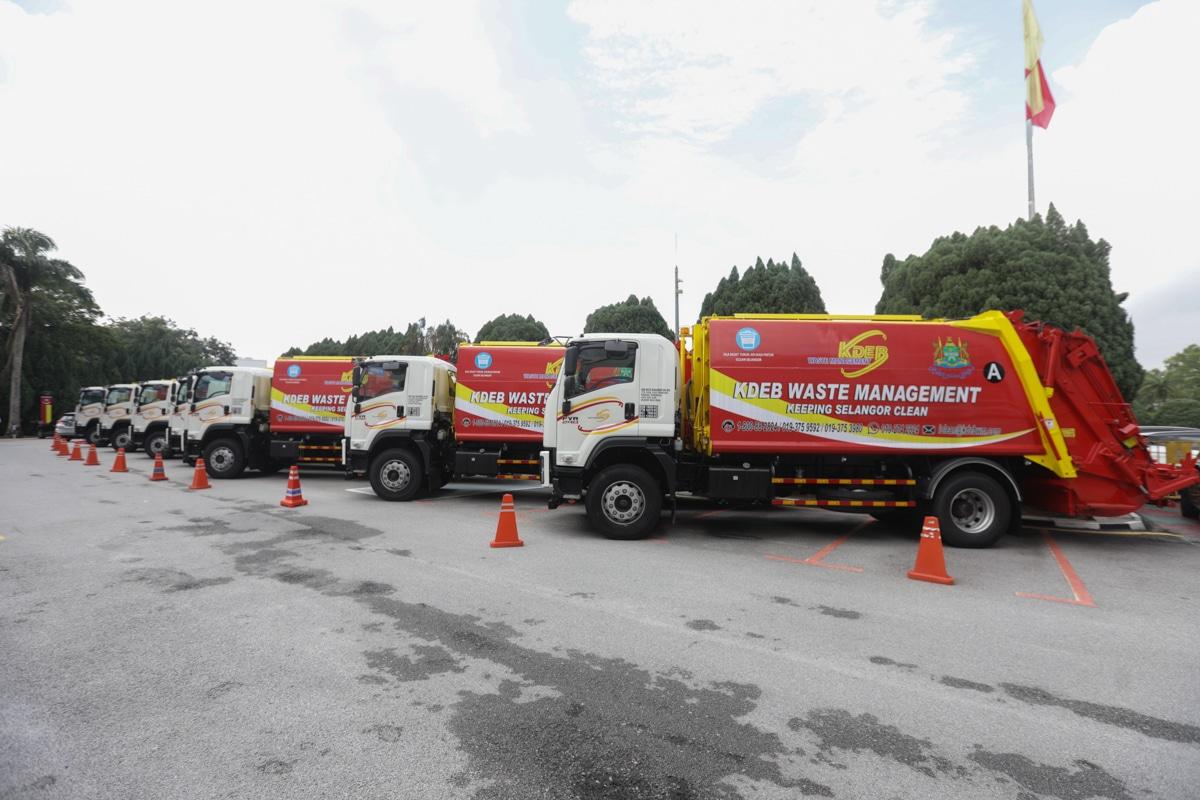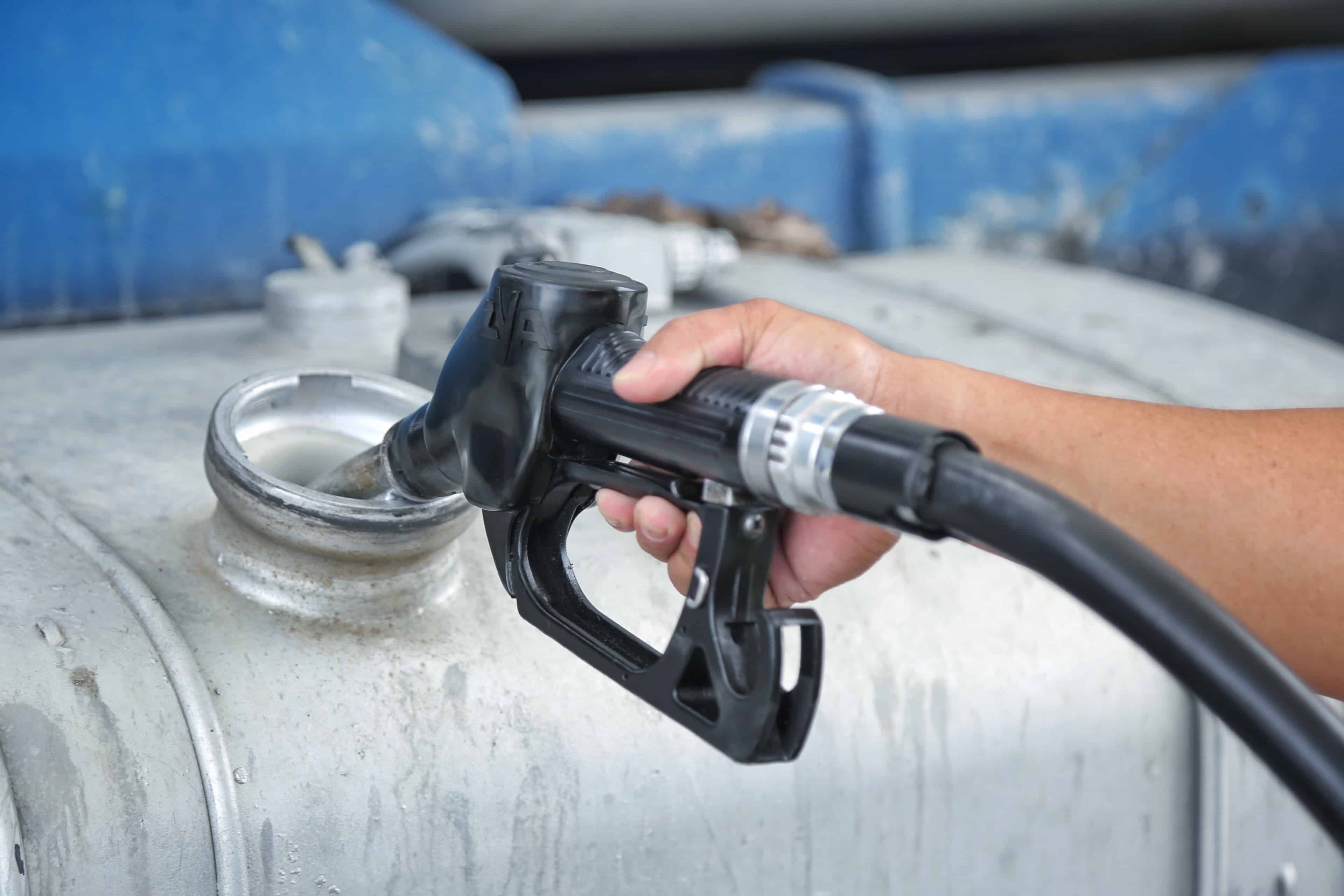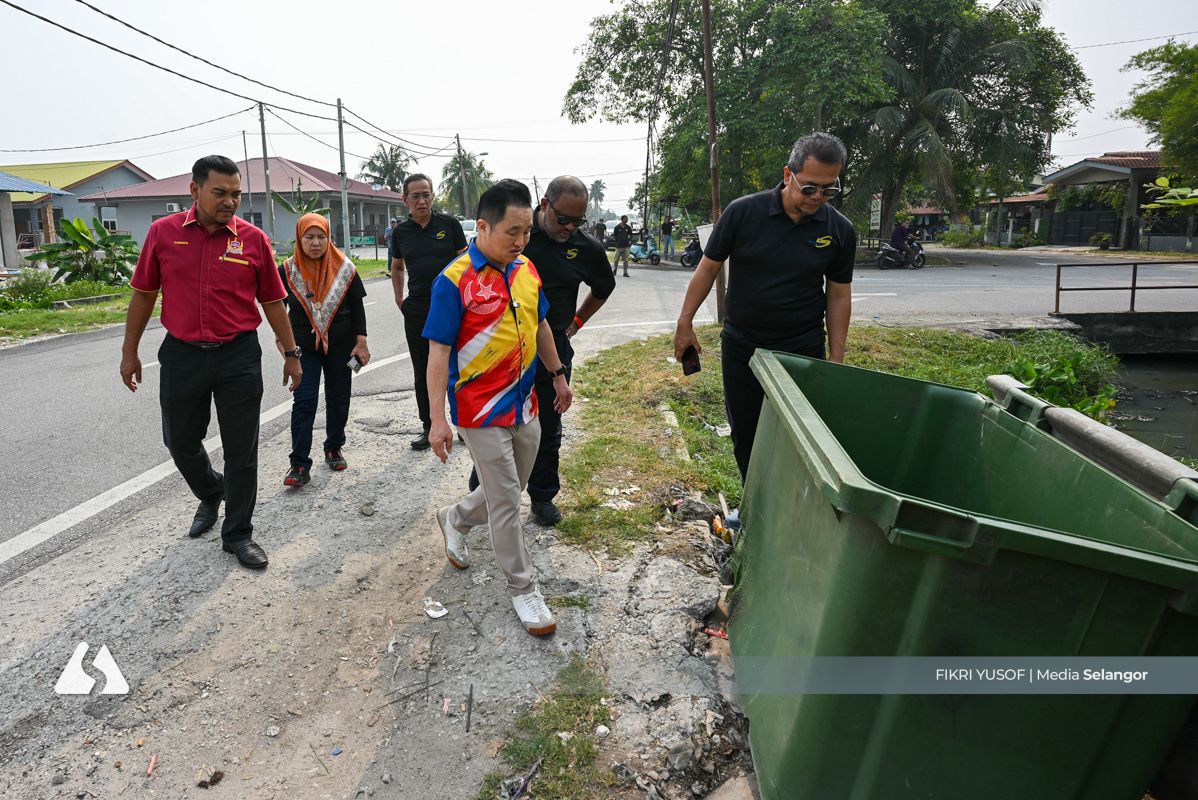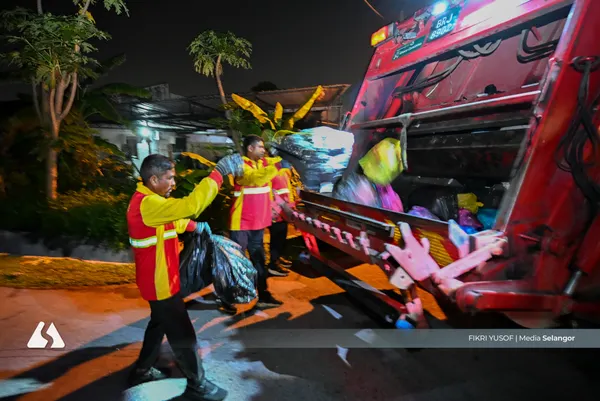
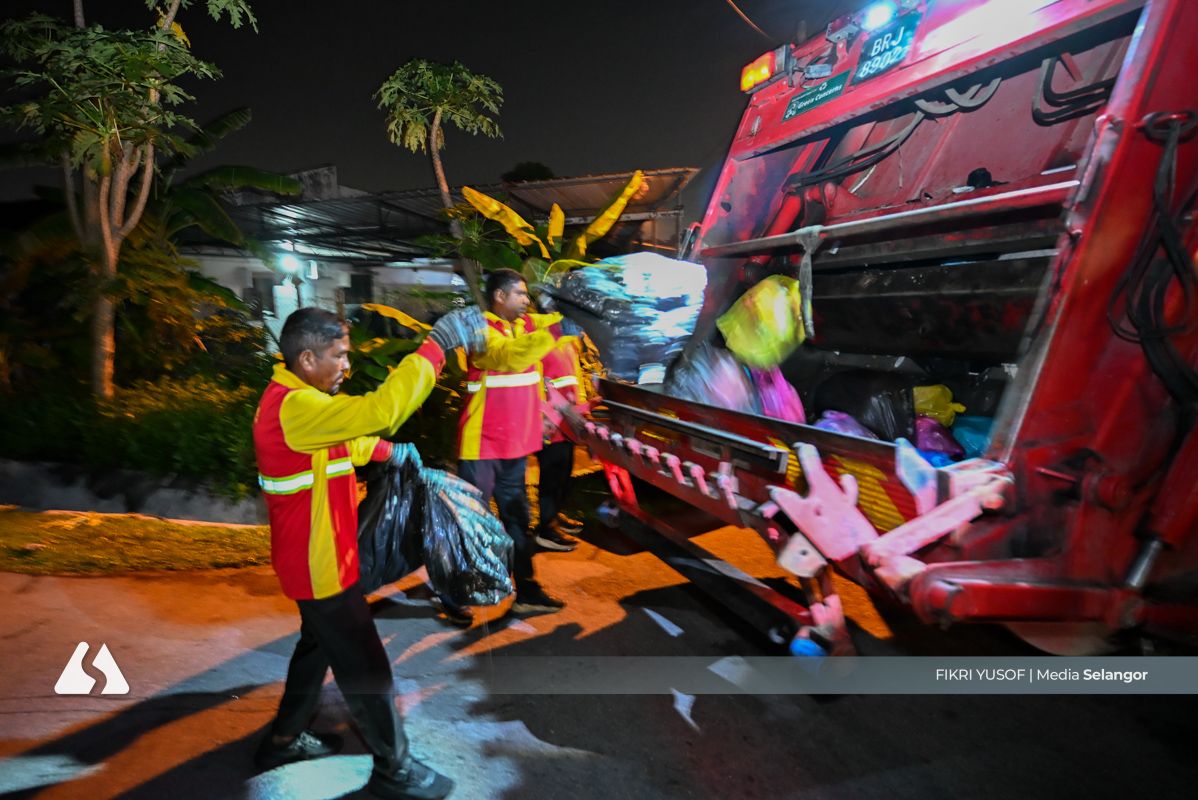
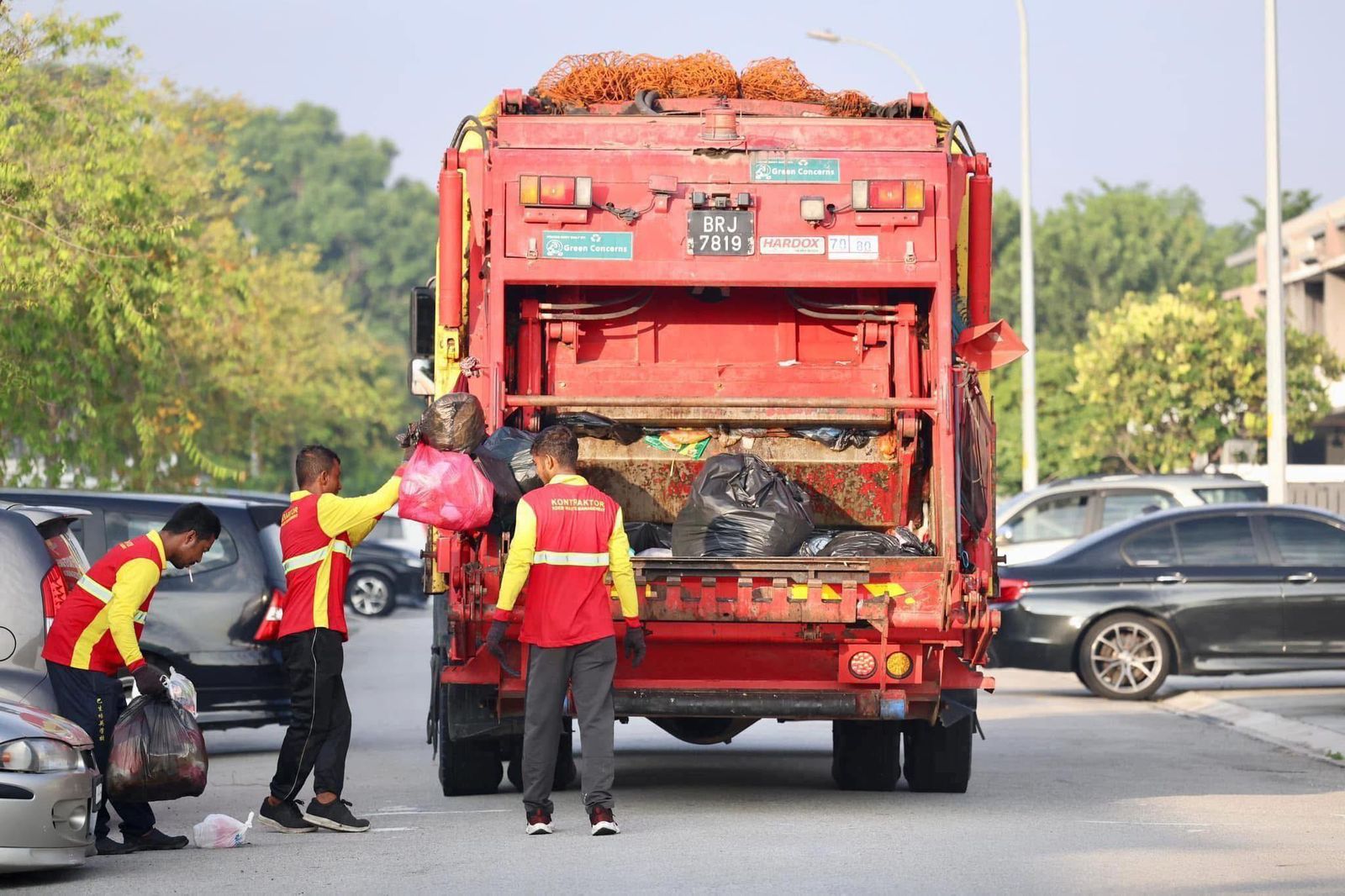
SHAH ALAM, June 22 — The Selangor government is considering financial aid for contractors engaged by KDEB Waste Management Sdn Bhd (KDEBWM), who are grappling with rising diesel costs, to ensure uninterrupted waste collection throughout the state.
State executive councillor for local government and tourism Dato’ Ng Suee Lim said contractors operating smaller roll-on, roll-off (RORO) lorries are among the hardest hit as they do not enjoy the same diesel subsidy support as larger waste collection vehicles.
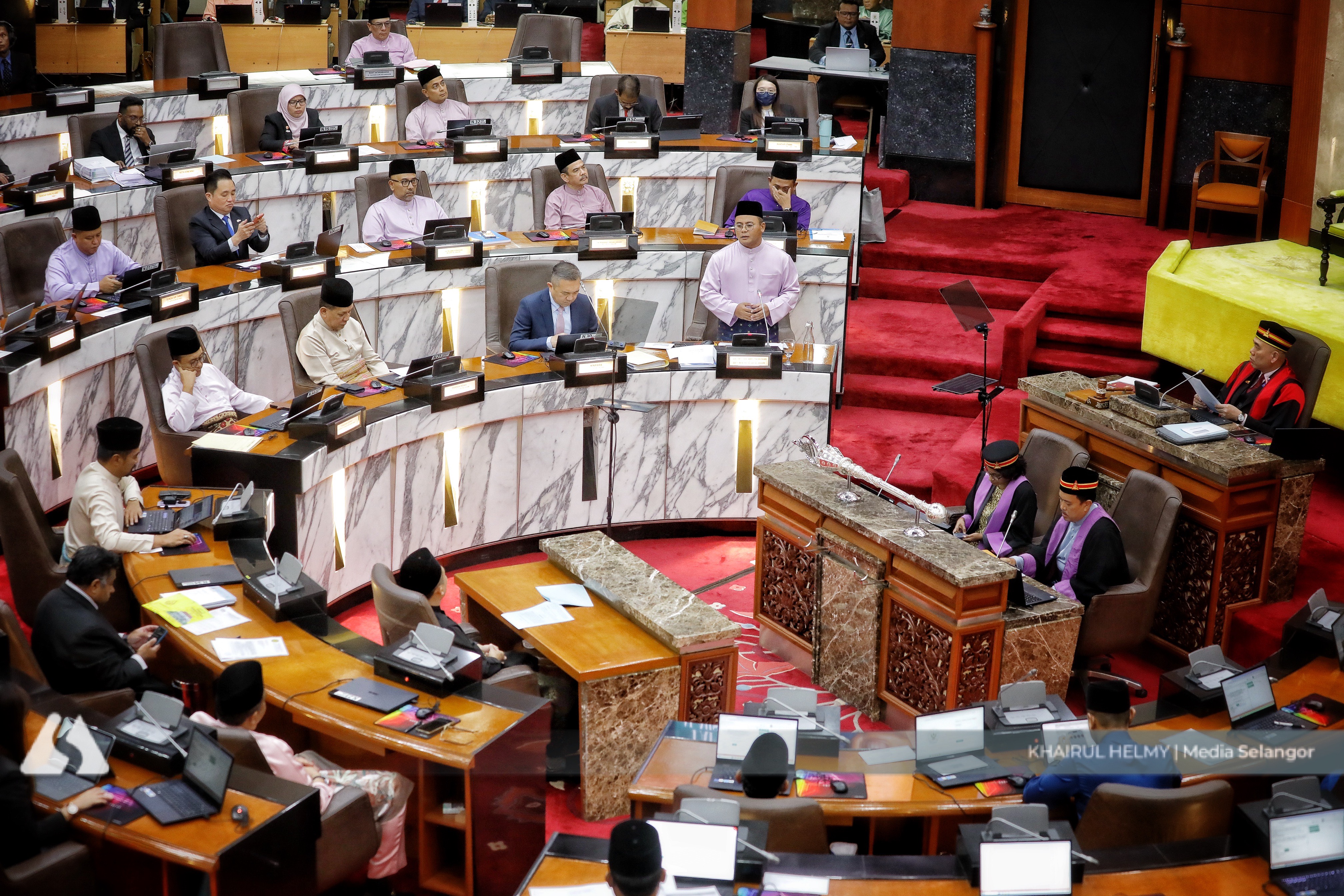
“We are looking at ways to help contractors continue operating during this challenging period so waste collection schedules and public cleanliness are not affected,” he said when winding up the debate on Phase 2 of the Selangor Resilience Enhancement Package (SREP) at the Selangor State Legislative Assembly today.
Suee Lim said the state government is seeking federal assistance as it evaluates a proposal by Subang Jaya assemblyman Michelle Ng Mei Sze to channel about RM4 million per month to KDEBWM until the end of the year to assist waste management operations.
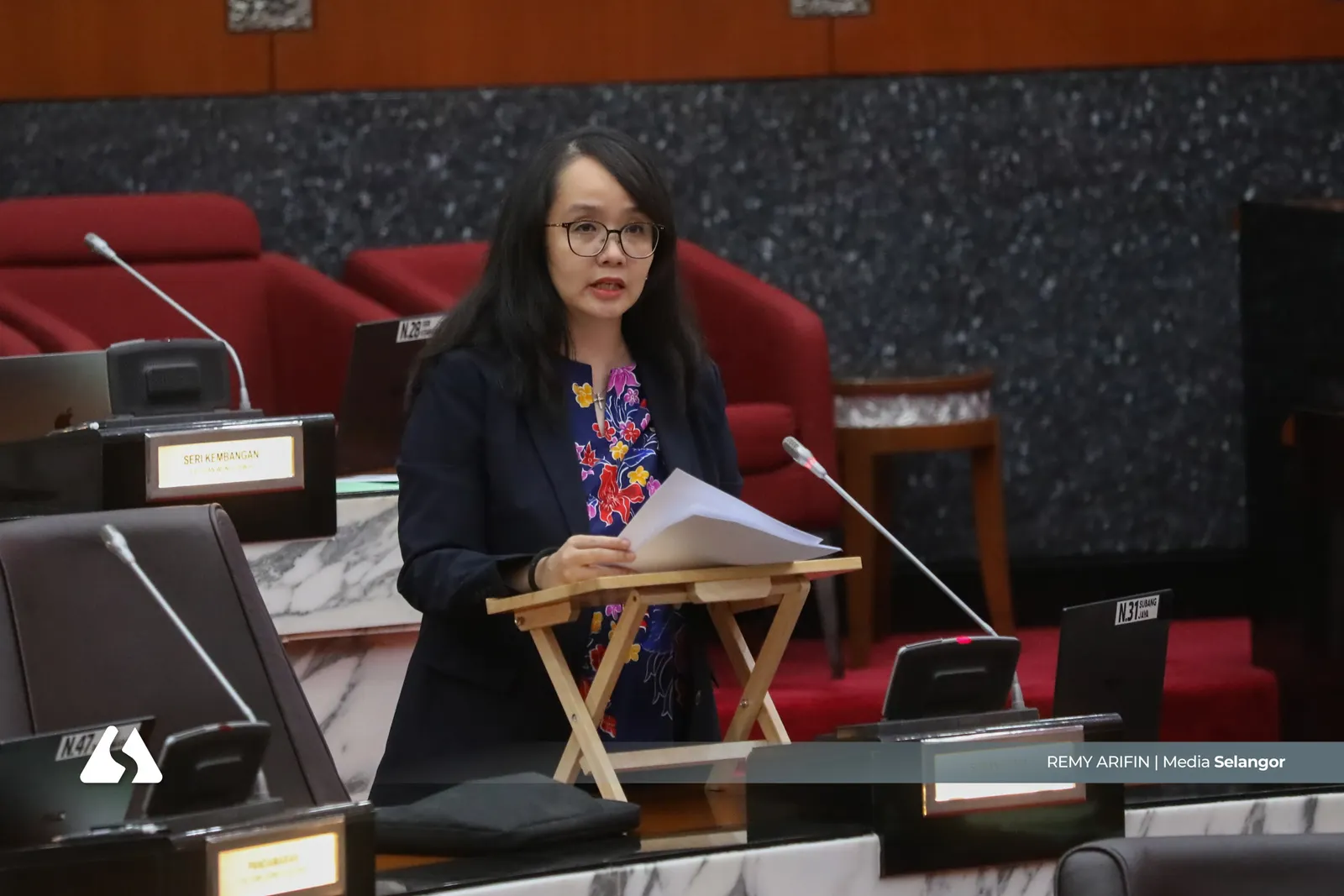
On June 19, when debating SREP Phase 2, Michelle urged additional funding to KDEBWM to ensure the continuity of its operations, particularly bulky waste collection, amid rising fuel costs due to the global energy crisis.
She said that while KDEBWM trash compactors, used for daily door-to-door waste collection, receive federal government diesel subsidies, RORO trucks used for bulky waste, public cleansing waste, and tree trimmings do not enjoy the same assistance.
Separately, Suee Lim said Selangor is preparing guidelines for assessment tax reductions for environmentally friendly homes to encourage wider adoption of green technology.
“The incentives are expected to cover initiatives such as solar panel installations, energy-efficient appliances, rainwater harvesting systems, electric vehicles (EVs), recycling practices and efforts to reduce domestic waste generation.”
He added that the state will continue studying international best practices and strengthen monitoring efforts against illegal e-waste activities, including unlicensed factories and unlawful processing operations.
He also backed a proposal by Ijok assemblyman Jefri Mejan to collaborate with higher learning institutions in developing local solutions for battery recycling and e-waste management.
“The suggestion is a good one. We can explore collaboration with universities and researchers to identify the most suitable technologies that protect the environment while addressing future waste management challenges,” Suee Lim said.