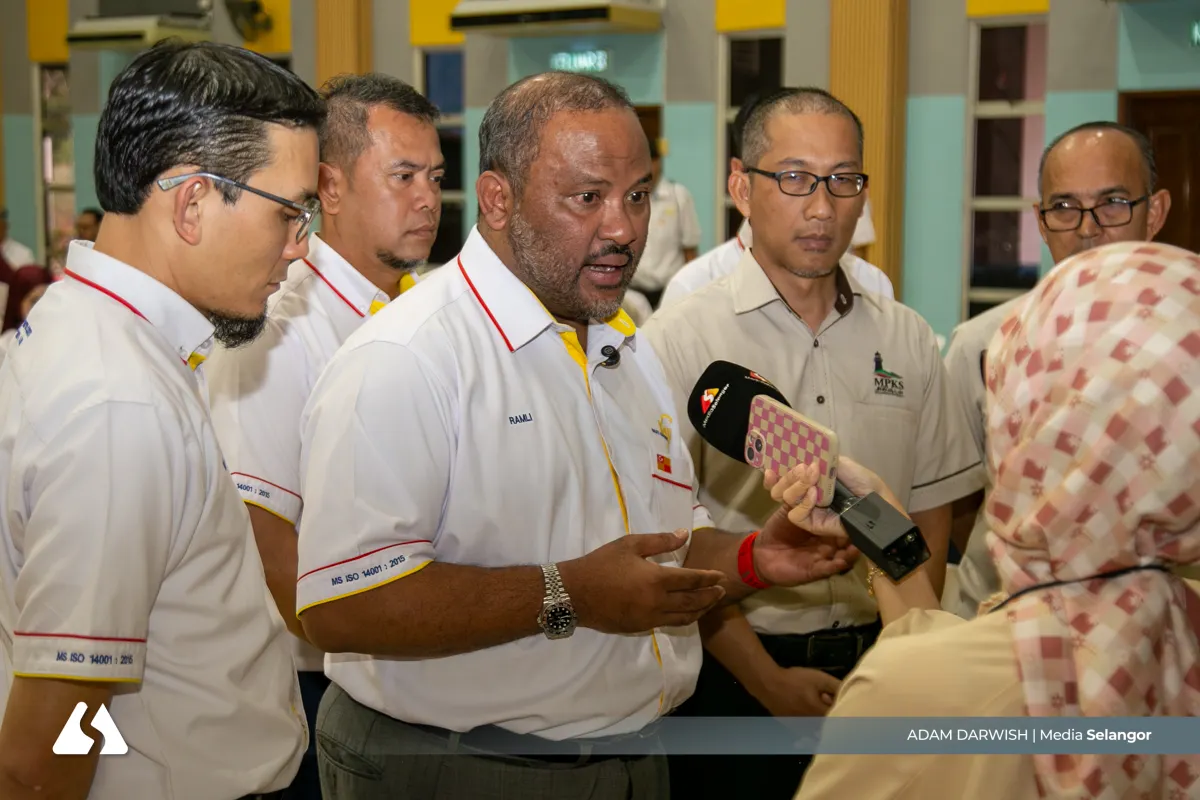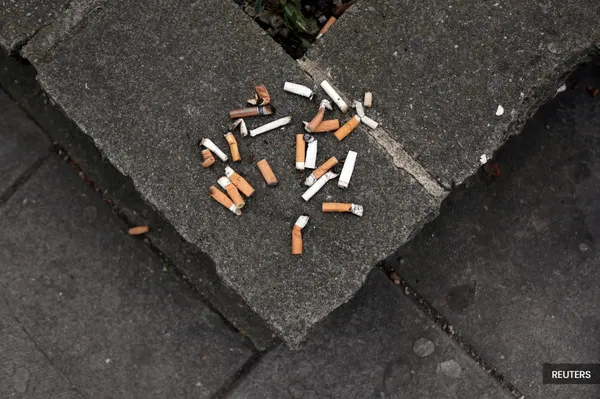
SHAH ALAM, June 20 — The indiscriminate littering of cigarette butts not only pollutes public spaces and affects community comfort, but could clog drains and escalate cleaning costs, said KDEB Waste Management Sdn Bhd (KDEBWM) managing director Dato’ Ramli Mohd Tahir.
“Cigarette butts are small, but when thrown around under tables, by staircases, five-foot ways, drains, or parking lots, it still becomes rubbish that pollutes the environment.
“If there is a lot and (increases) every day, it isn’t just an eyesore, but complicates cleanups,” he told Media Selangor.
Ramli added that this problem is prevalent in commercial areas and eateries because some people ignore no-smoking signs and insist on lighting up in public spaces.
He also said the issue of cigarette butt littering cannot be viewed solely as a cleanliness issue because it also impacts community comfort and well-being.
“The laws are there and no-smoking signs are up, but if there’s no consistent enforcement, people won’t be deterred.
“We still see individuals smoking at eateries, hospitals, bus stops, and various other public spaces. Civic awareness in this issue must be improved,” he asserted.

Drain on public cleansing funds
Ramli said cigarette butts that accumulate in drains could form clogs with leaves, dirt and other waste that block water flow.
“When cigarette butts enter drains, they could combine with other rubbish and clog waterways.
“In the long term, this could contribute to water stagnation problems and flash floods in certain areas,” he explained.
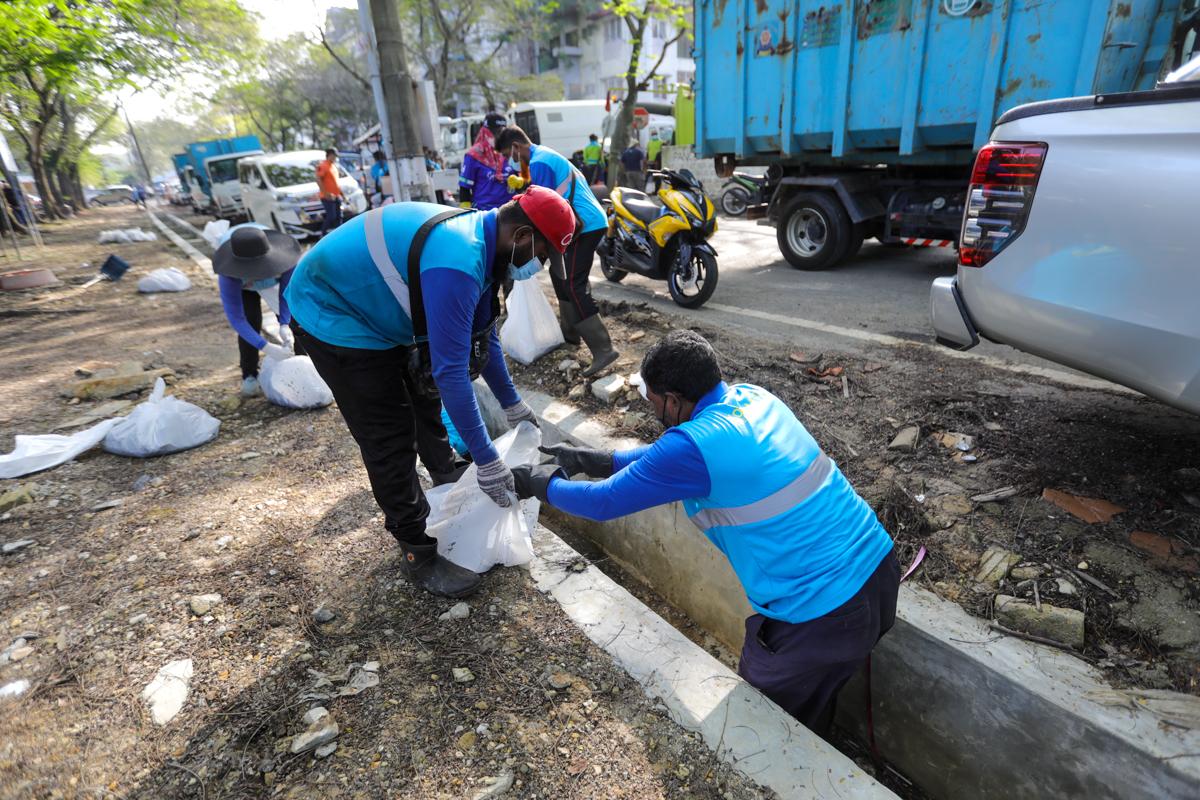
He also said cleaning up cigarette butts requires extra labour because cleaners must pick them up one by one as they are scattered everywhere.
He added that this would indirectly use up public cleansing resources that could otherwise be expended on more productive tasks.
“If everyone were more responsible for their own rubbish, cleanup works could be done more effectively and management costs could be reduced,” he said.
Ramli added that KDEBWM works with local authorities, schools, residents’ associations, joint management bodies, and non-governmental organisations on public cleanliness awareness campaigns, but said efforts to preserve cleanliness cannot be borne by the authorities alone.
“A clean town cannot be the responsibility of local authorities or KDEBWM, but a shared responsibility of the whole community.
“If each individual is responsible and doesn’t litter cigarette butts as they please, we can provide an environment that is cleaner, more comfortable, and healthier for all,” he said.
Consistent, tighter enforcement
Last year, the Subang Jaya City Council (MBSJ) collected RM60,000 through 1,200 compounds issued for various rubbish dumping offences, including cigarette-butt littering.
Subang Jaya Mayor Dato’ Amirul Azizan Abd Rahim said that up to May this year, 602 cases were recorded following enforcement operations in the city.
“For January to April alone, there were 499 enforcement actions recorded, with the Subang Jaya area recording the highest number at 342 cases.
“These statistics show that waste dumping issues, including (the littering of) cigarette butts in public areas, are still happening and require continuous enforcement as well as efforts to educate the community about the importance of preserving the cleanliness of their surroundings,” he said.
Most modern cigarettes have filters made of cellulose acetate, a plastic-based material that can remain in the environment for years.
According to Ocean Care, cigarette butts are among waste most found during cleanups worldwide, and are the main contributor of plastic pollution.
When they break down, cigarette filters can release microplastics and dangerous chemicals into the ground and water sources, presenting long-term effects to the environment.
According to the World Health Organisation (WHO), 6.5 trillion cigarettes are bought every year worldwide, equivalent to 18 billion a day. From that figure, around 4.5 trillion cigarette butts end up in landfills, making it among the most abundant pollutants in the world.