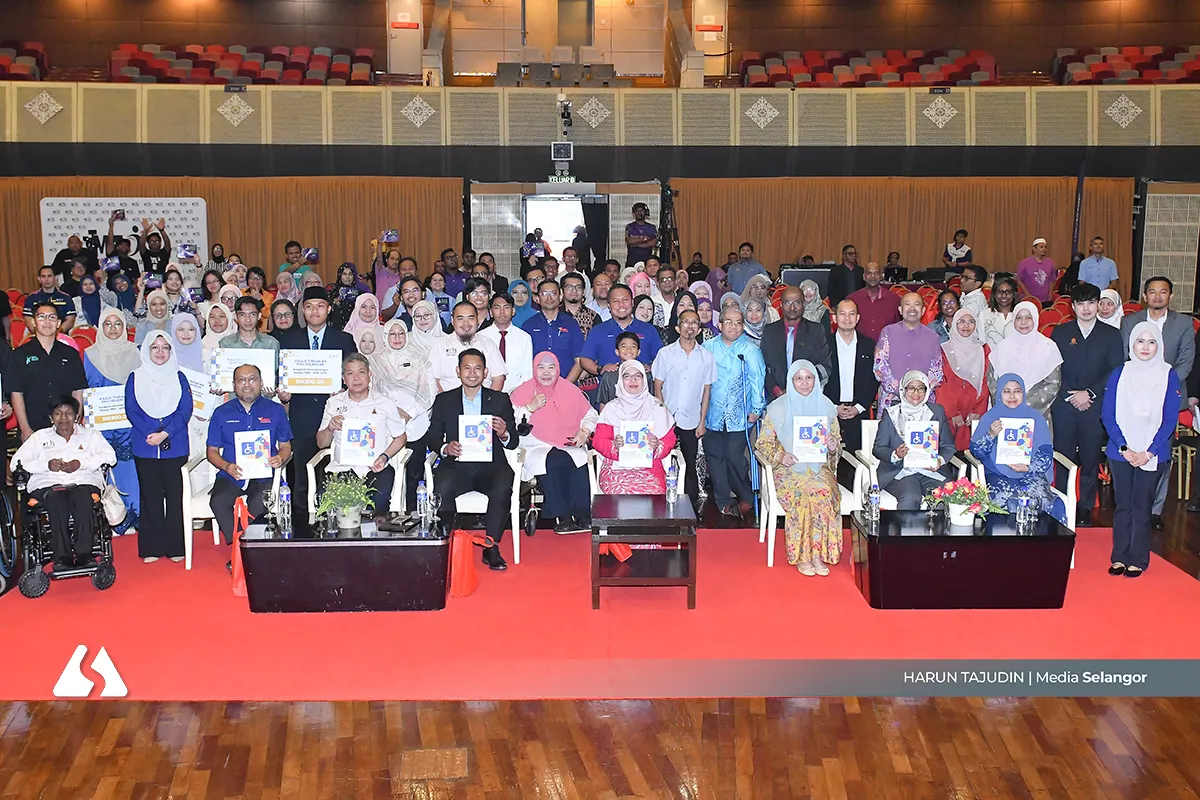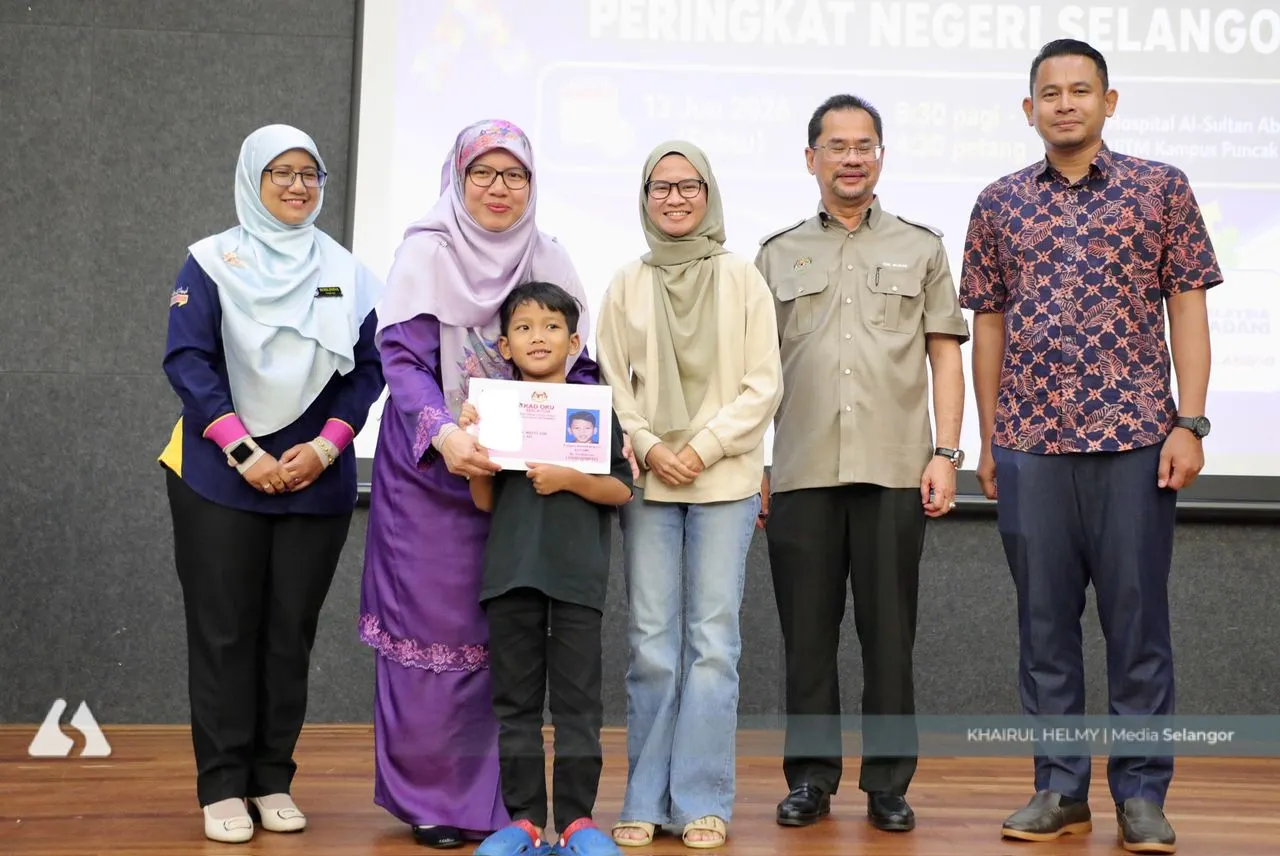
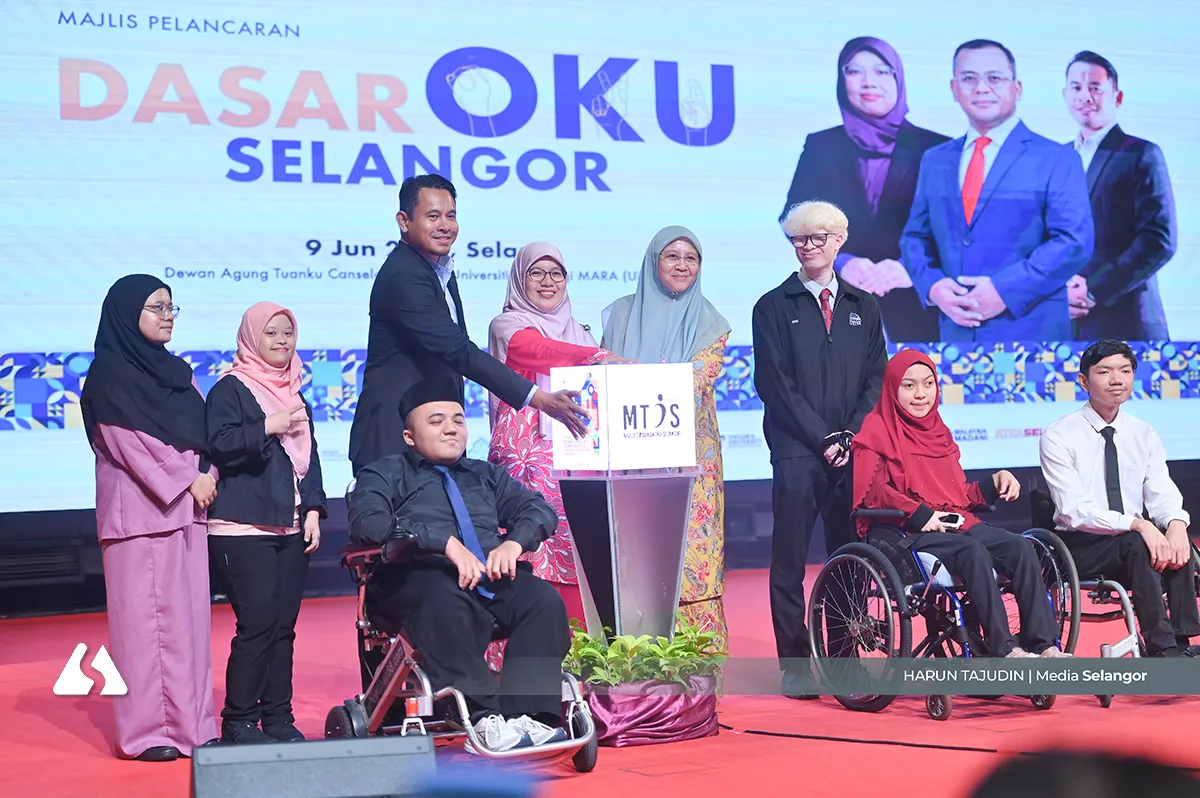
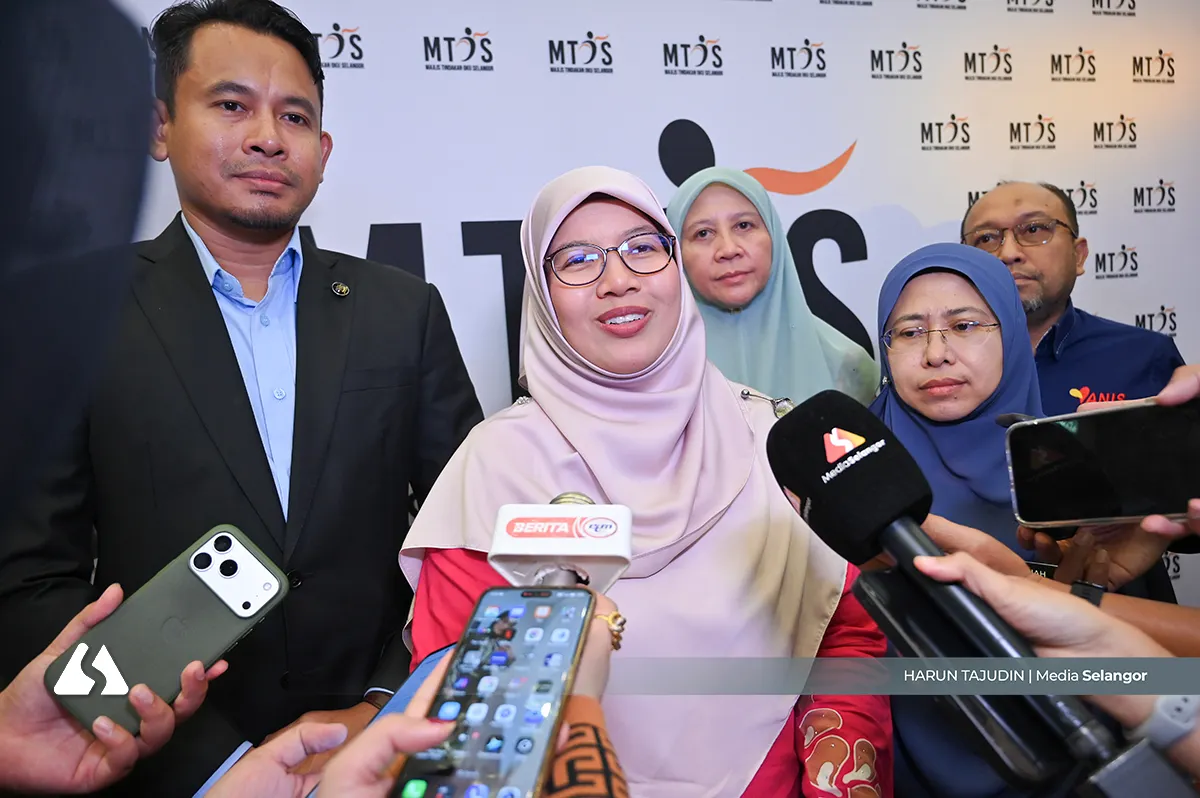
SHAH ALAM, June 9 — The Selangor Disabled Persons Policy and Action Plan 2026-2030 marks a strategic step by the state government to strengthen its inclusive development agenda by positioning the disabled community as equal partners in Selangor's progress.
State executive councillor for women empowerment and social welfare Anfaal Saari said its implementation also represents a significant paradigm shift, as the state moves away from a passive welfare-based approach towards one that emphasises rights, active participation, and holistic empowerment.
The policy and action plan were developed based on real-world conditions and field data through an extensive study involving disabled persons, caregivers, non-governmental organisations, government agencies, and academics.
“This document was formulated to bridge the gap between policy and implementation through a focus on several key priorities, including core policy pillars based on the principles of Maqasid Syariah: compassion, justice, and human well-being.
“This includes strengthening access to healthcare services, early intervention programmes, mental health support for disabled persons and their caregivers, economic employability, and inclusive facilities for worship,” she said after launching the document at Universiti Teknologi MARA Shah Alam.
The implementation process will be guided by five strategic pillars: life well-being and social equity; education and lifelong development; productivity and economic development; accessibility and universal design; and disabled persons governance and advocacy.
“These five pillars are intended to translate aspirations into concrete action in building an inclusive Selangor for all. The true measure of Selangor’s progress under the spirit of #KitaSelangorMajuBersama is not merely economic growth or physical development.
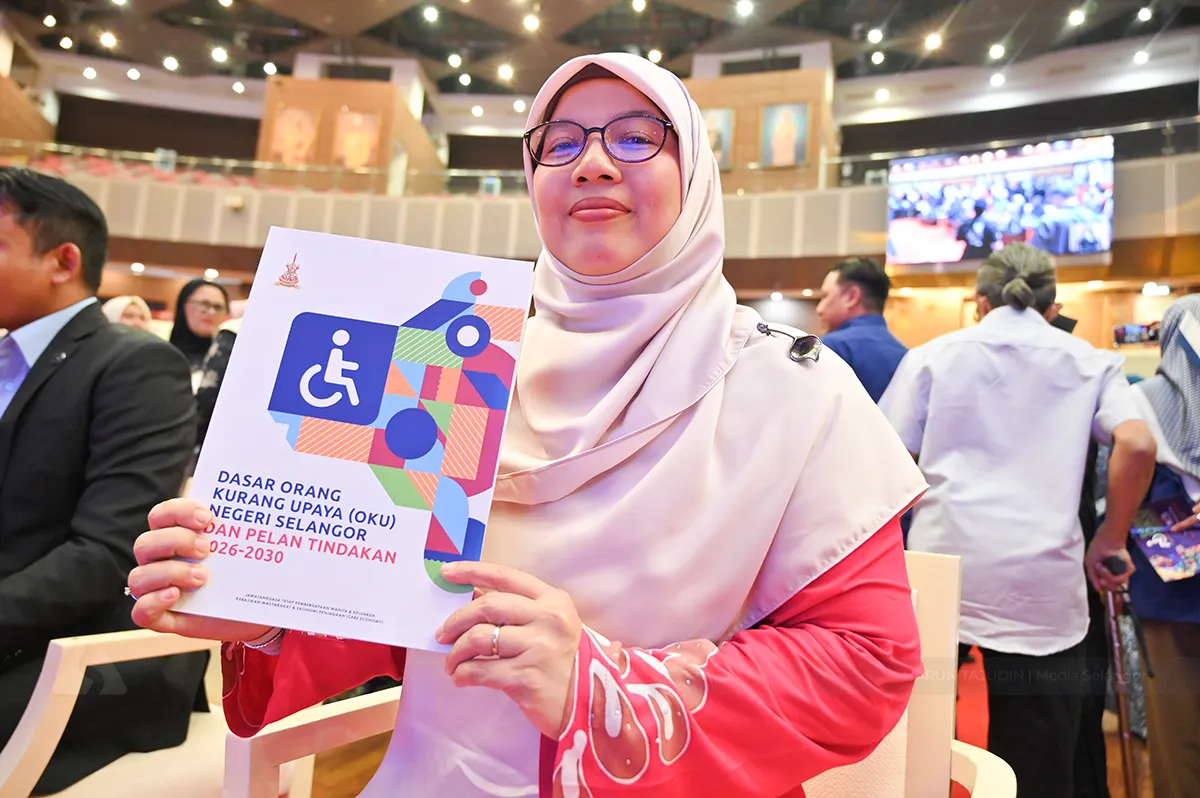
“Rather, it is measured by how far the state is able to ensure that every citizen has an equal opportunity to live with dignity, contribute to society, and benefit from development. To realise the spirit of ‘Leave No One Behind’, strong support and cooperation from all stakeholders are essential,” Anfaal said.
The Selangor State Executive Council approved the Selangor Disabled Persons Policy in May as part of efforts to strengthen the rights and inclusivity of the disabled.
The policy’s first pillar improves the quality of life and social equality of disabled persons through enhanced access to healthcare, social protection, financial assistance, and comprehensive community support.
The second pillar ensures that disabled persons receive holistic support covering social, economic, educational, and health aspects through inclusive and accessible services, while also strengthening support systems and caregiver capacity.
The third pillar expands employment and entrepreneurship opportunities through skills training, market access, employer incentives, and the development of inclusive business capacity.
The fourth pillar ensures inclusive education and lifelong learning opportunities through support systems, curriculum adaptation, and enhanced institutional capacity within educational establishments.
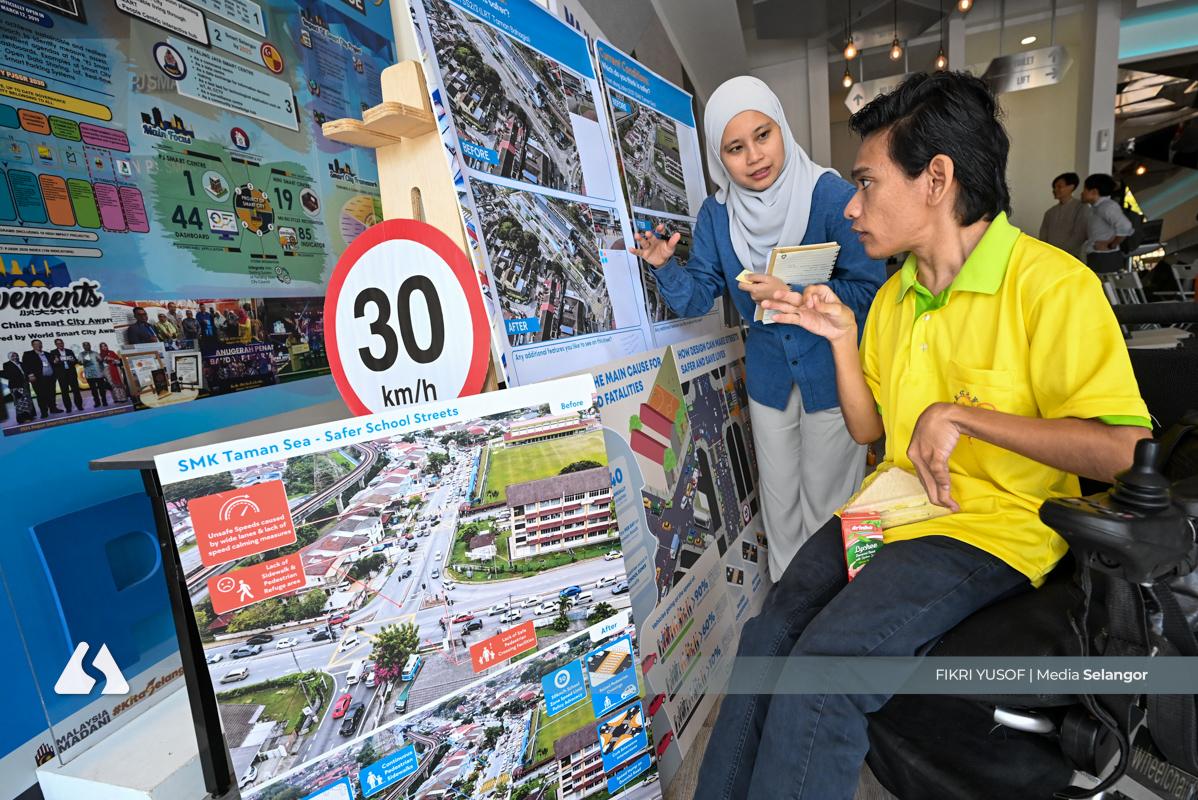
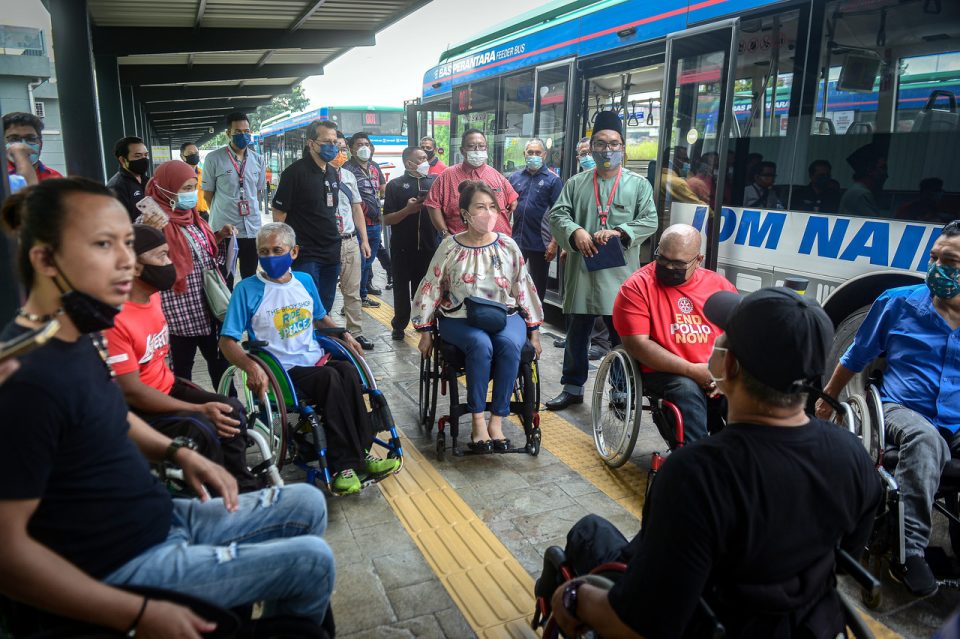
The fifth pillar strengthens the provision of disability-friendly infrastructure, public facilities and transportation throughout Selangor in line with universal design principles, thereby improving mobility and quality of life for disabled persons.