By Lau Sook May
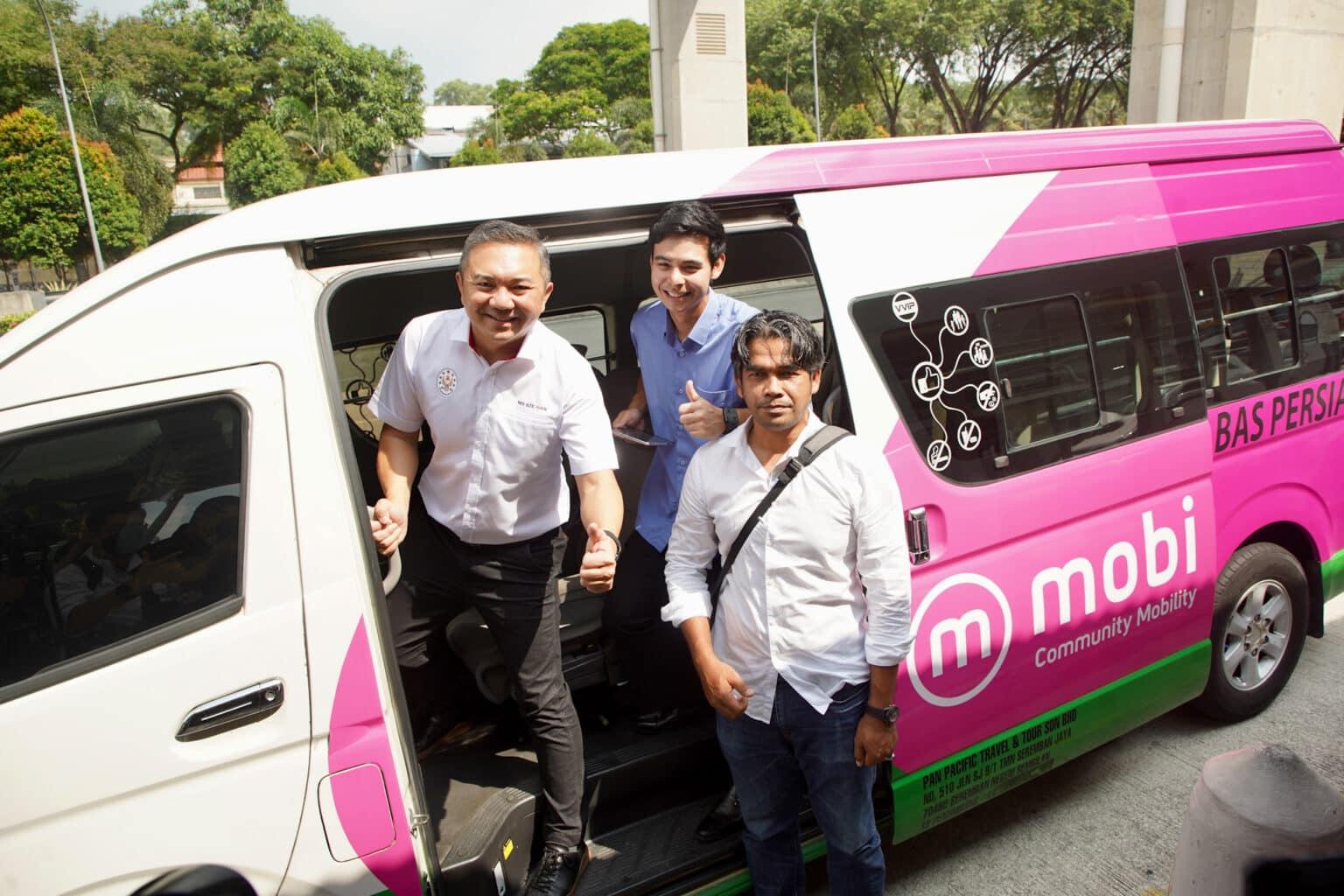
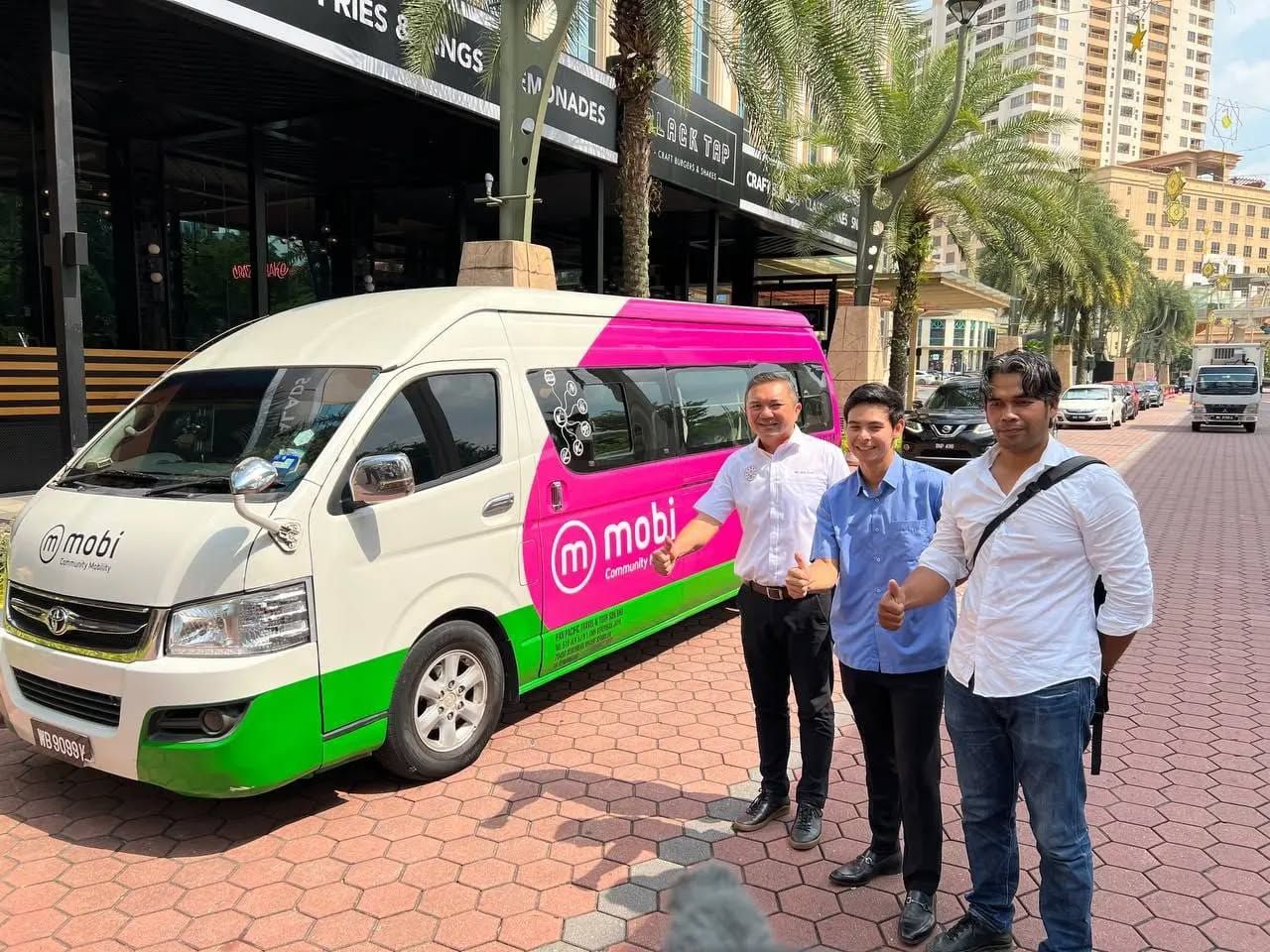
CYBERJAYA, Jun 8 — Expanding demand-responsive transit (DRT) services is crucial to strengthening Selangor’s public transportation network and creating a more dynamic and competitive mobility ecosystem, says state executive councillor for investment, trade and mobility Ng Sze Han.
He welcomed the participation of private companies interested in helping to expand the DRT network, but stressed that the state government is not competing with Rapid KL’s Rapid On-Demand service.
“Frankly, if the Selangor government were to operate DRT services on its own, it might not be able to achieve the level attained by Rapid KL.
“This is because Rapid KL, as a subsidiary under a public transport management agency, has greater advantages in terms of operational experience and system capabilities,” he said in an exclusive interview with Media Selangor recently.
Ng stressed that the state government never intended to directly operate or monopolise DRT services, but instead entrusted implementation to third-party operators.
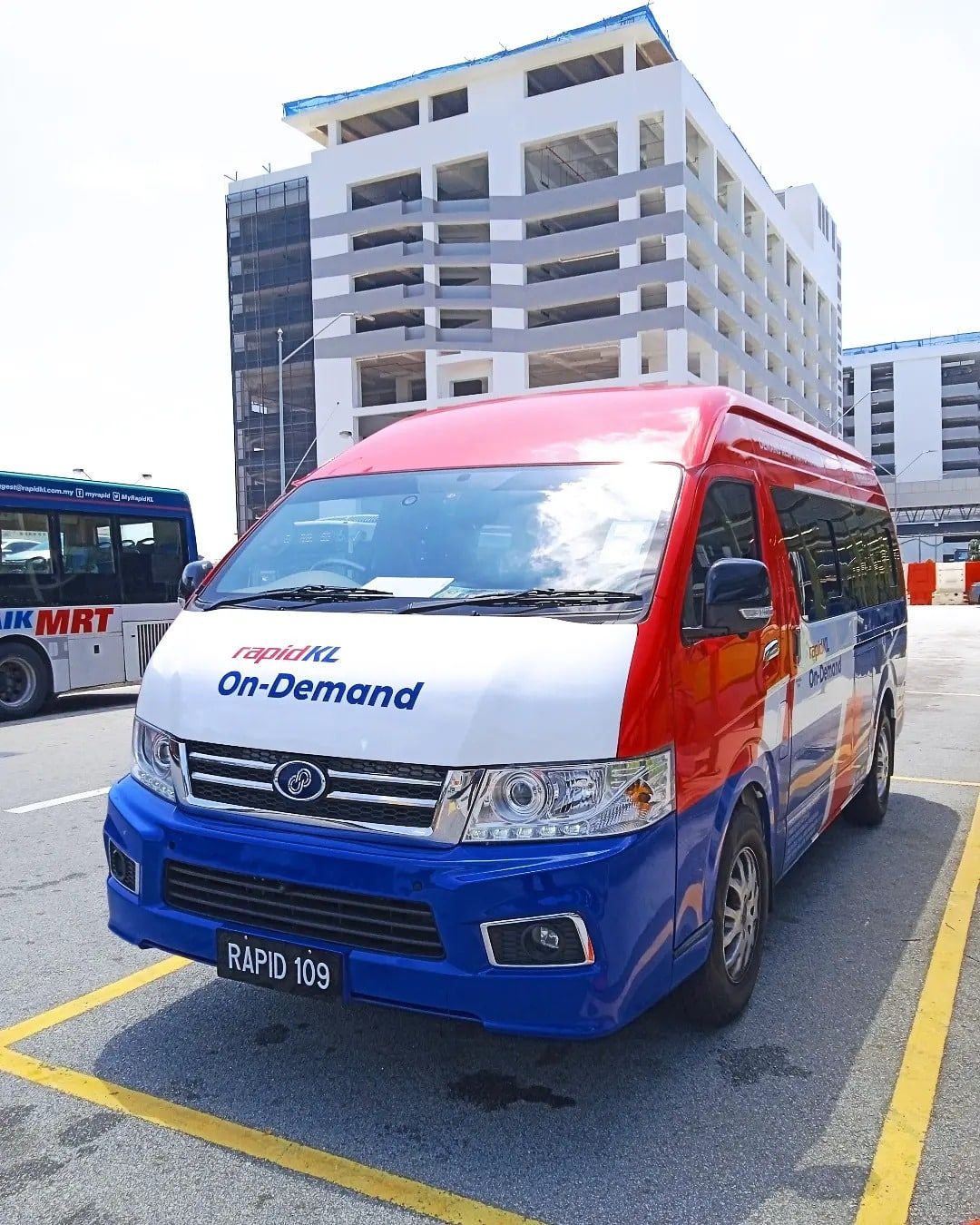
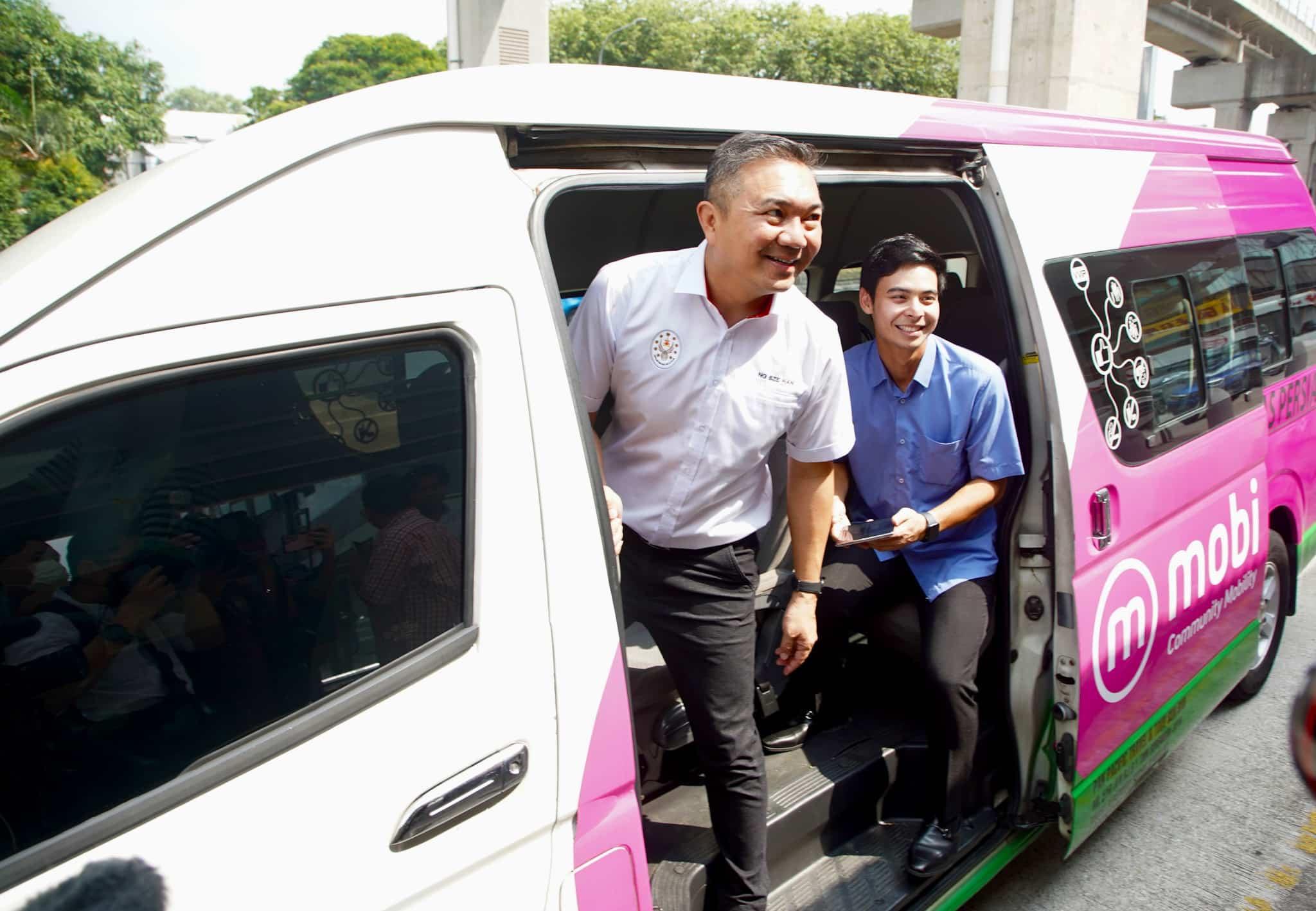
For the record, Selangor’s DRT pilot project was carried out across eight zones in the state from November 2023 to July 2024.
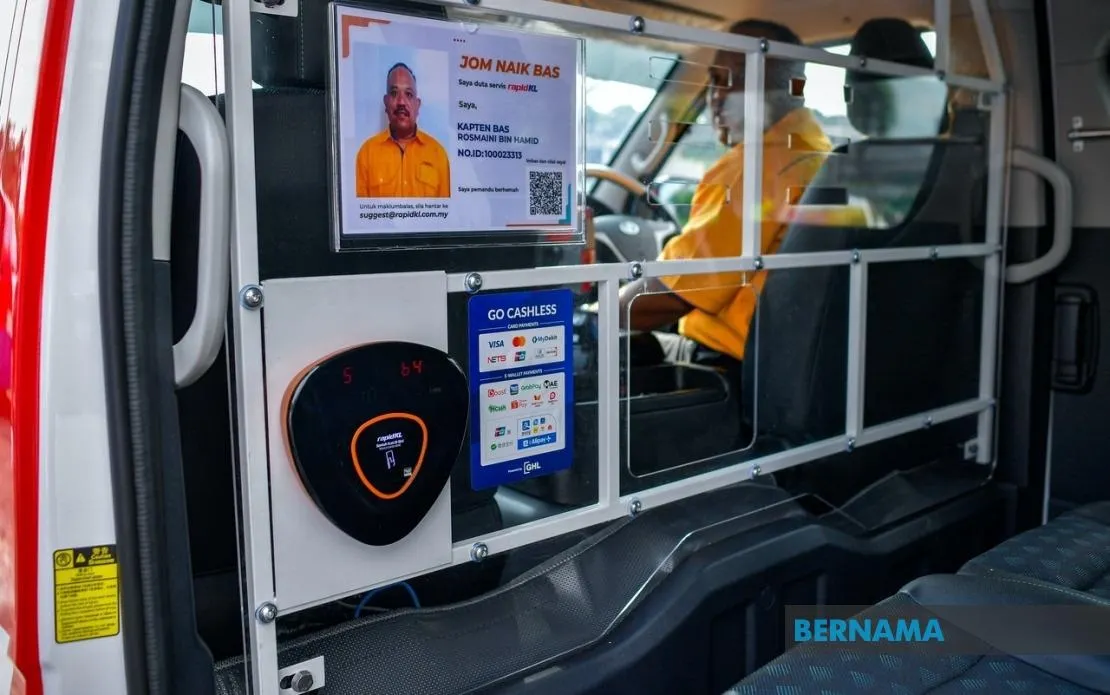
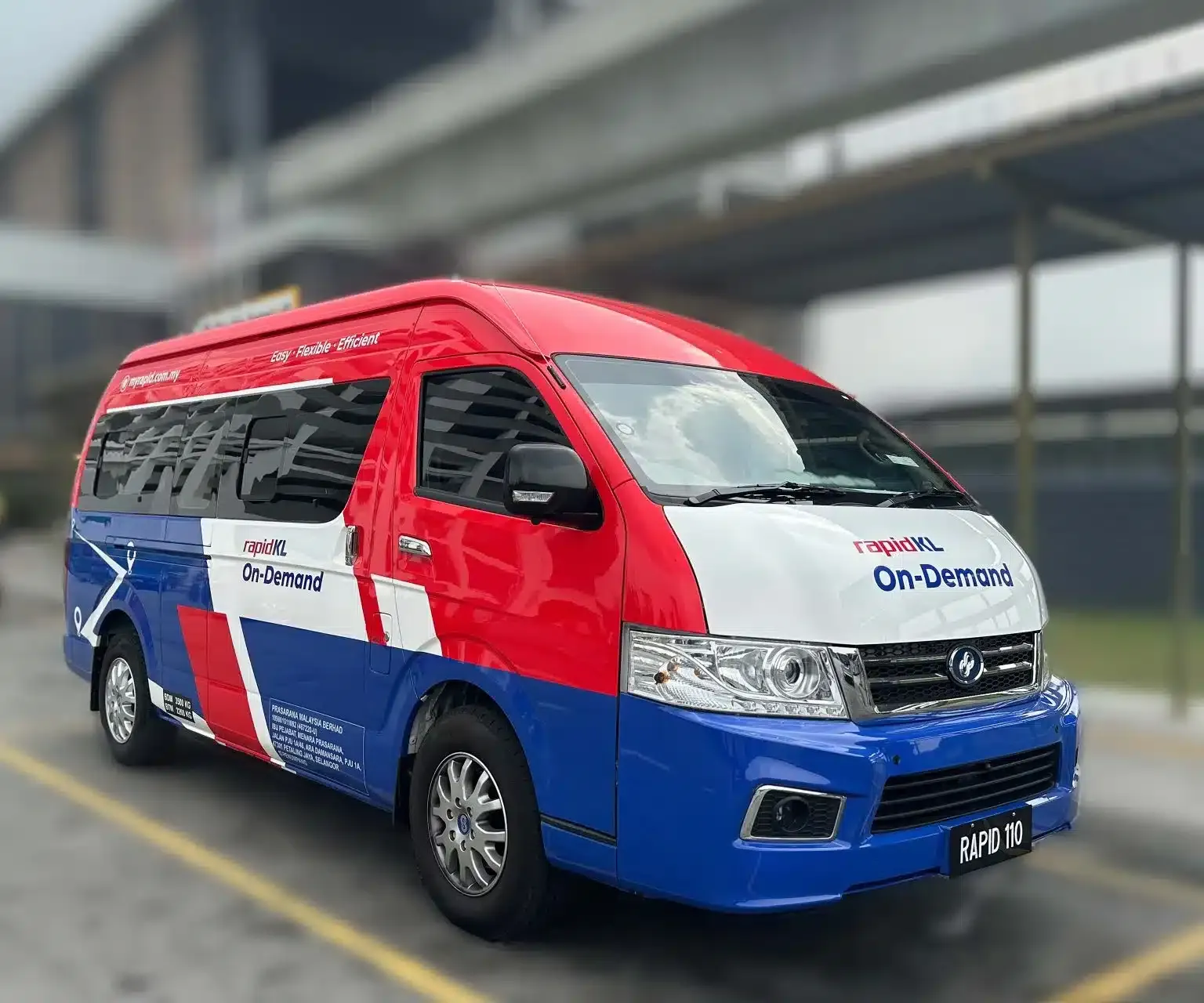
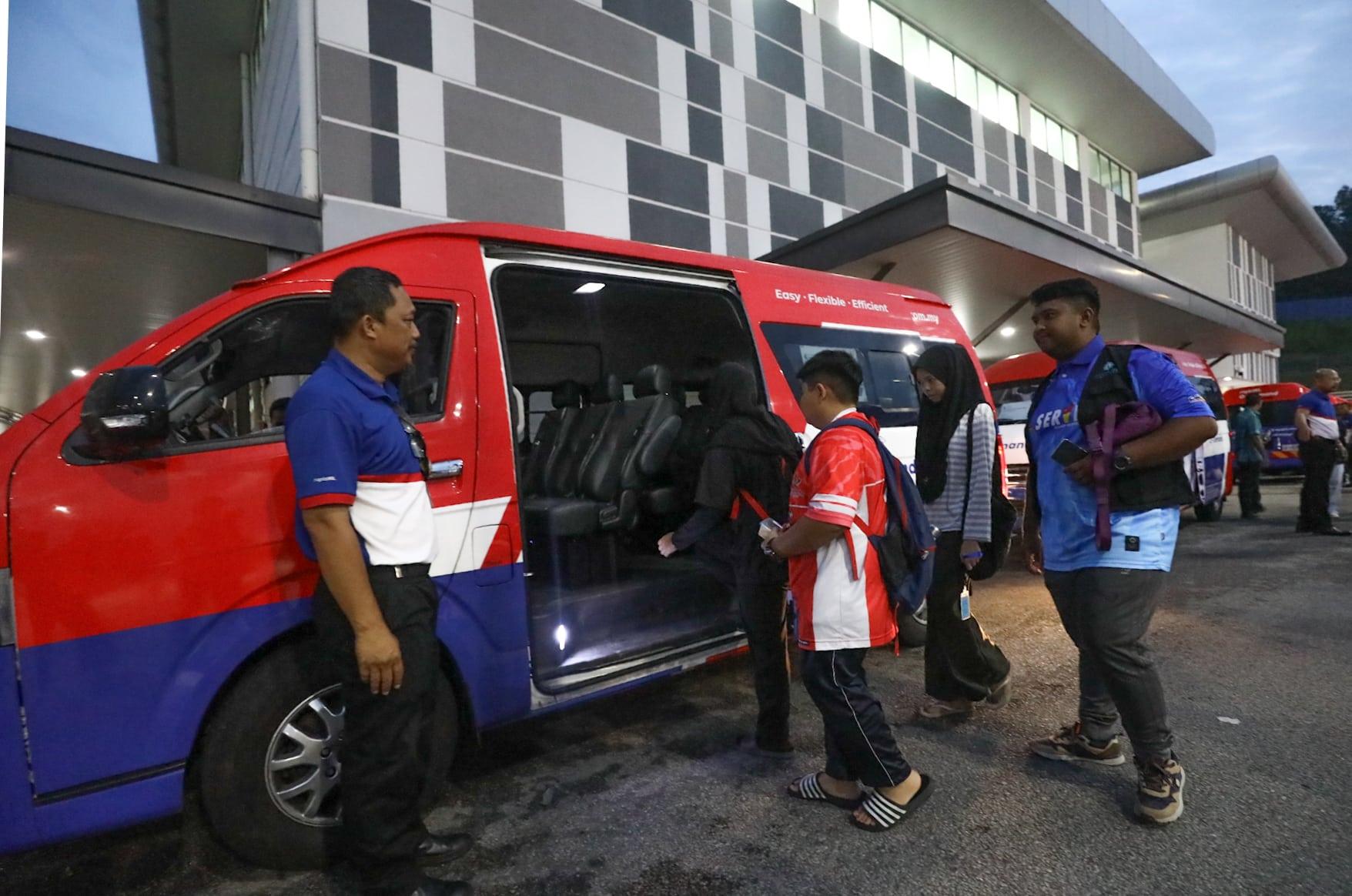
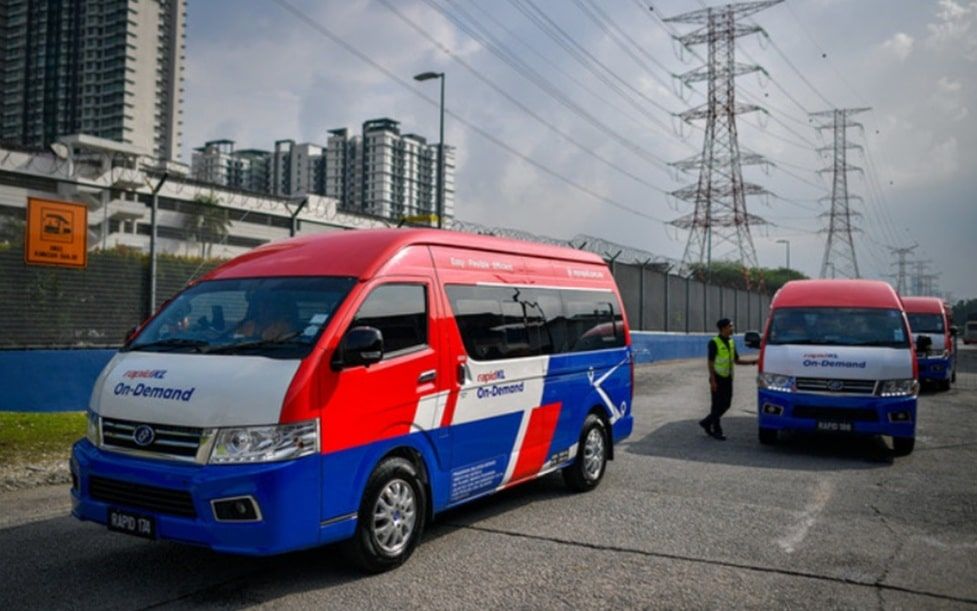
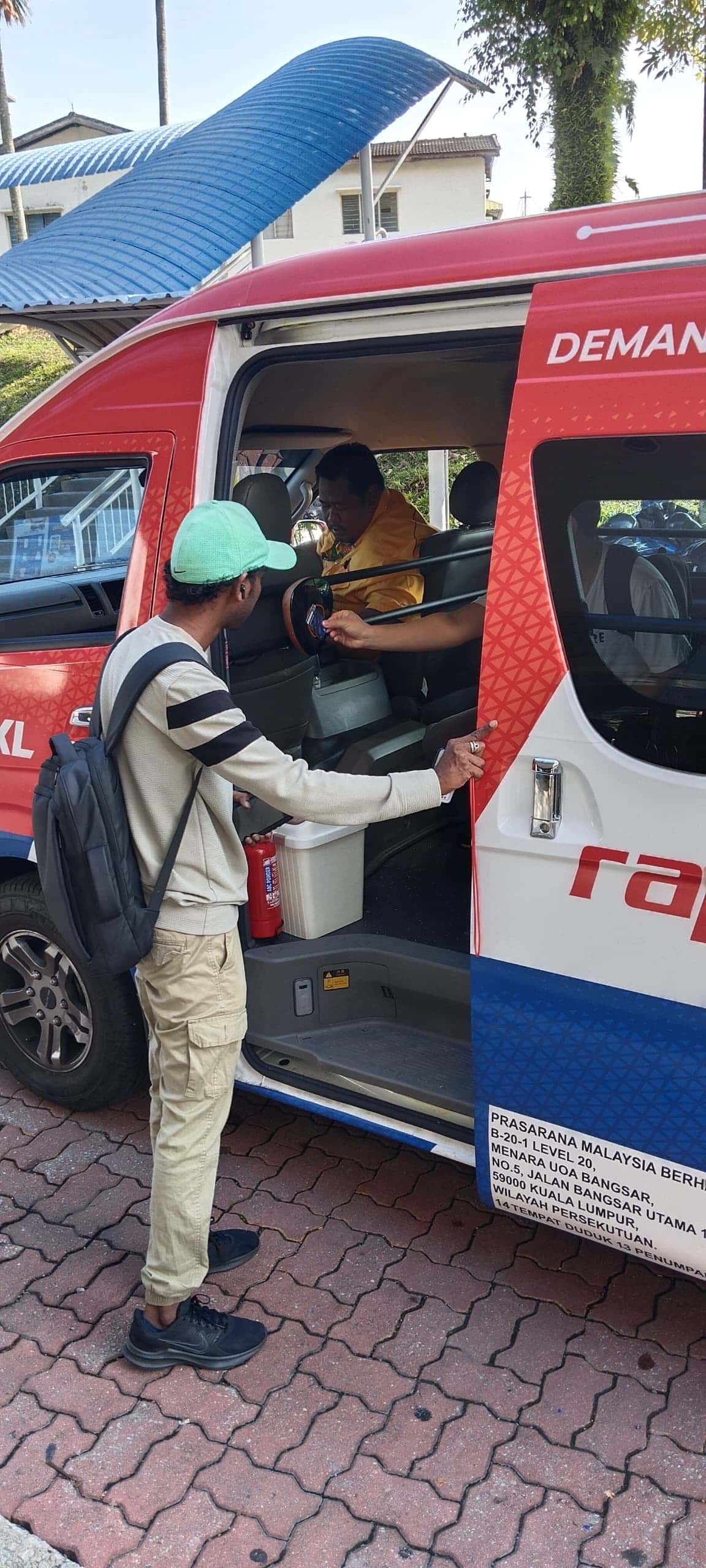
According to previous media reports, Rapid KL’s DRT service currently operates in 87 areas across the Klang Valley, involving 237 vans and serving an average of 18,000 passengers daily.
Ng said the state’s DRT pilot project does not compete with Rapid KL’s service, noting that both parties have worked well together for years without any overlap in service areas.
“Malaysia’s public transportation system, particularly in Selangor, should not be viewed as competitive because services like these require government subsidies to remain operational.
“Rapid KL has also acknowledged that DRT services are effective in filling public transport gaps, particularly in addressing first- and last-mile mobility needs,” he said.
Ng described the development as a positive outcome of the state government’s early efforts to introduce DRT through a pilot model before the service was taken over by Rapid KL and gradually expanded.
“This is actually a very positive beginning, where the Selangor government spearheaded the implementation of DRT through a pilot model before its operations were taken over by Rapid KL and gradually expanded,” he said.
He added that the state government has not appointed any third party as the sole DRT operator, and that existing operators, including Rapid KL, function independently without receiving subsidies from the state government.
“This DRT service began as a Selangor pilot project and has now shown positive results. Therefore, it is the state government’s responsibility to continue driving and promoting this model,” he said.
Avoiding overlap with My50 pass
Meanwhile, Ng said the state’s RM30 public transport subsidy, introduced through the NINE application this month, is aimed at encouraging the use of DRT services and strengthening public transport ridership across Selangor.
He explained that the subsidy is specifically intended for DRT users to avoid overlapping with the federal government’s unlimited monthly My50 pass.
“We want to utilise this allocation as effectively as possible and avoid duplication. More importantly, we do not want to be seen as competing with the federal government,” he said.
Ng added that the RM30 subsidy mechanism is similar to the BUDI MADANI fuel subsidy model, whereby any unused quota for a given month will automatically expire and will not be carried forward.
“This is intended to encourage the public to fully utilise the subsidy and develop the habit of using public transportation. Therefore, a carry-forward mechanism will not be implemented,” he said.
Previously, Menteri Besar Dato’ Seri Amirudin Shari announced a RM131 million allocation under the Selangor Resilience Enhancement Package, which includes a RM30 monthly public transport subsidy for residents over a six-month period.