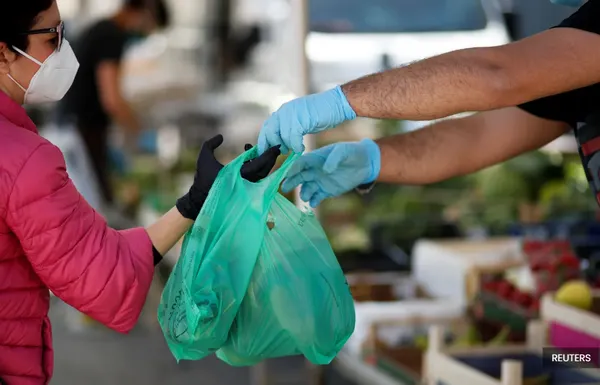
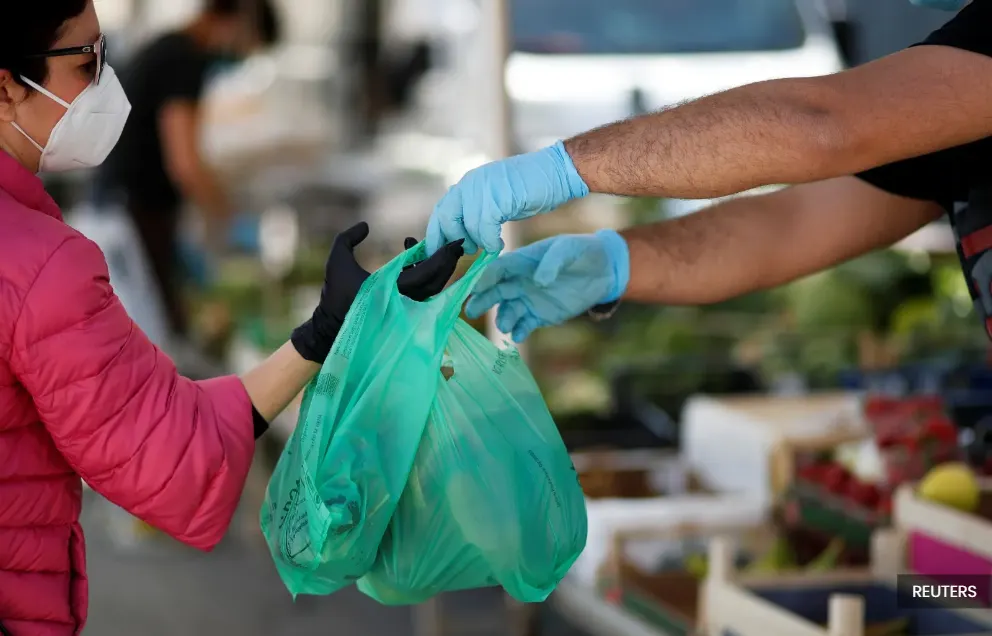

SHAH ALAM, June 8 — The state government is in the final stages of refining the implementation mechanism for its single-use plastic bag policy as it prepares for a full statewide ban, aimed at strengthening environmental sustainability efforts and reducing marine pollution.
State executive councillor for public health and the environment Jamaliah Jamaluddin said this will ensure that Selangor’s residents are prepared and able to adapt to the changes required for the benefit of future generations.
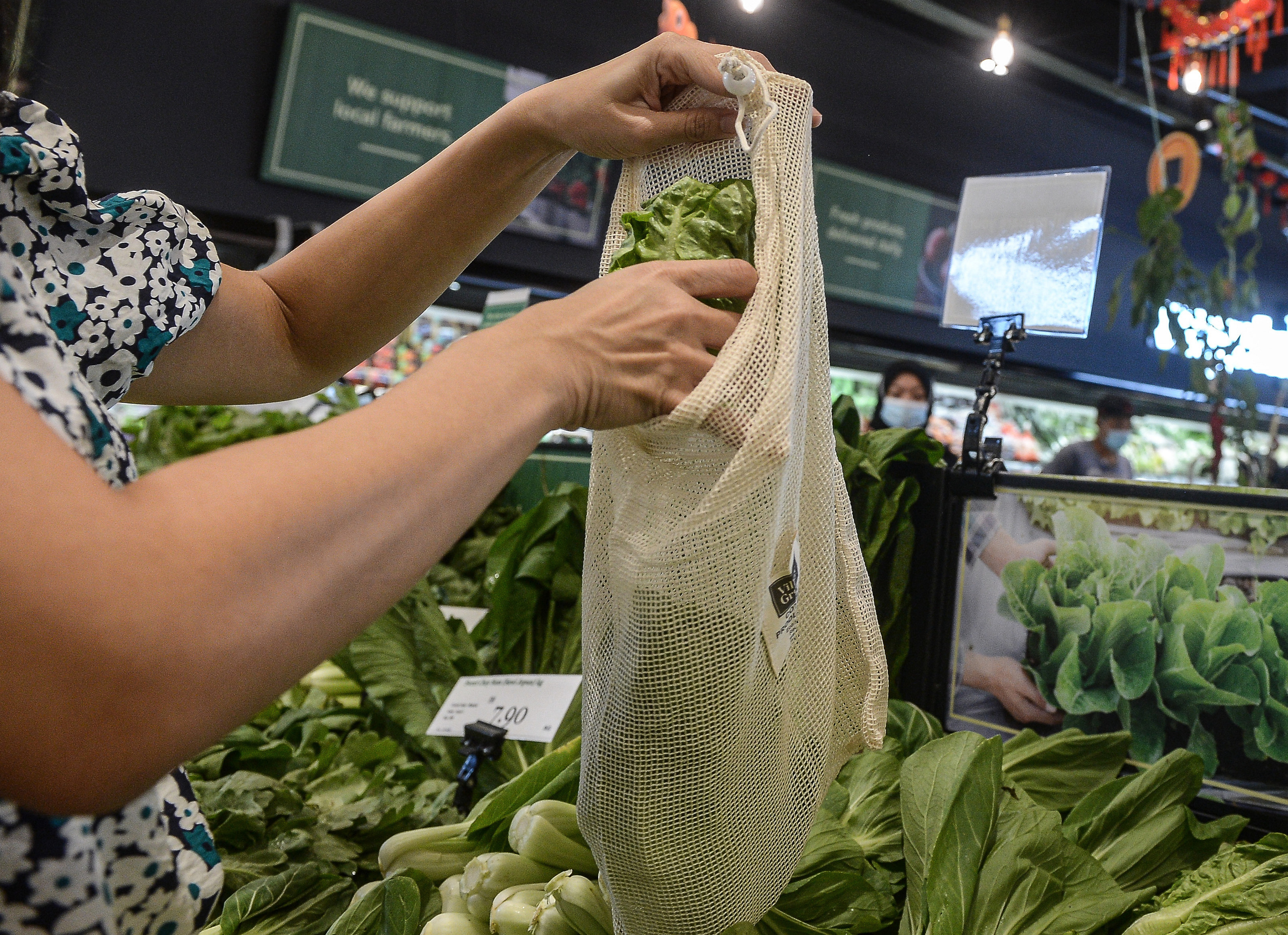
“We cannot wait until pollution becomes a greater crisis. Every small action, such as bringing reusable bags, separating waste for recycling and reducing the use of single-use plastics, can have a significant impact on the preservation of our oceans and environment,” she said in a Facebook post in conjunction with World Oceans Day 2026 today.
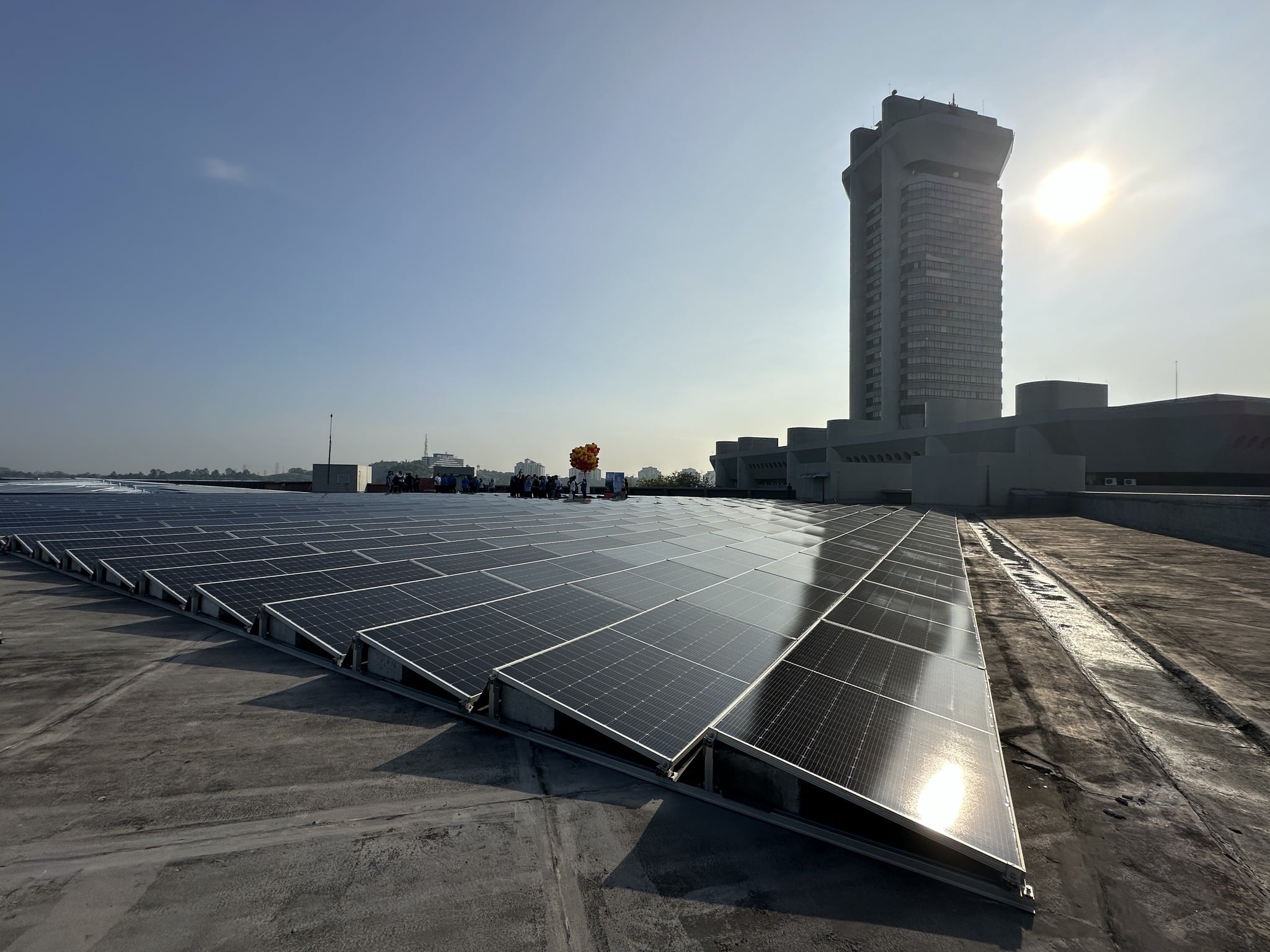
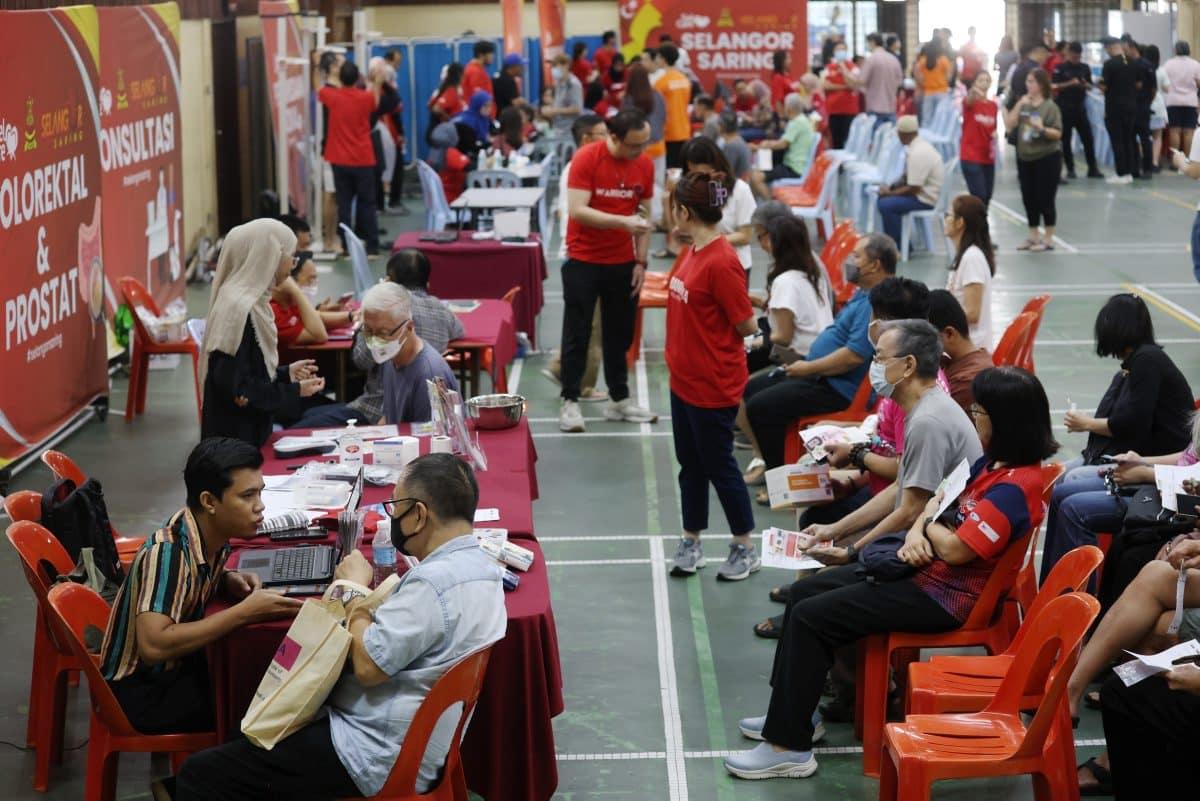
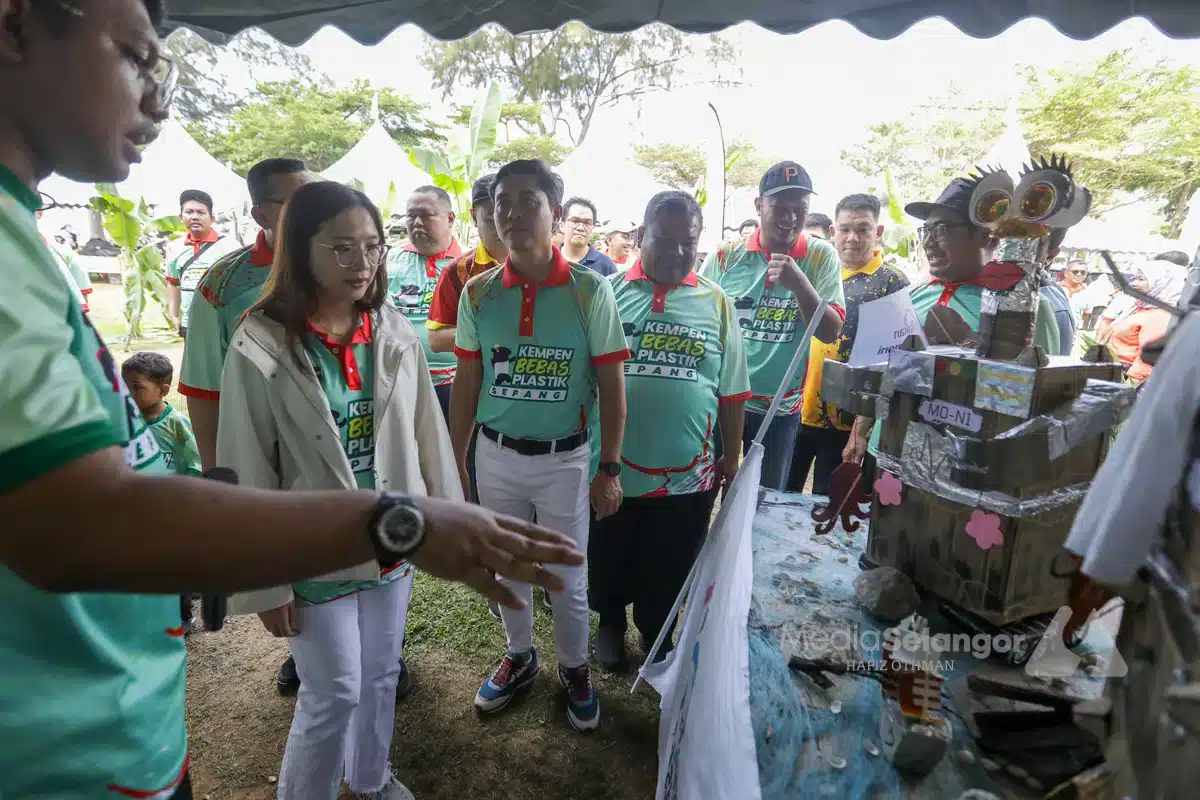
Jamaliah added that the state government remains committed to strengthening its environmental sustainability agenda through various initiatives to reduce single-use plastics, including the Selangor Plastic-Free Campaign, which involves local authorities, non-governmental organisations, and local communities.
“Through this campaign, various educational and community engagement programmes have been implemented, including recycling activities and efforts to encourage traders and consumers to reduce their reliance on plastic bags and containers,” she said.
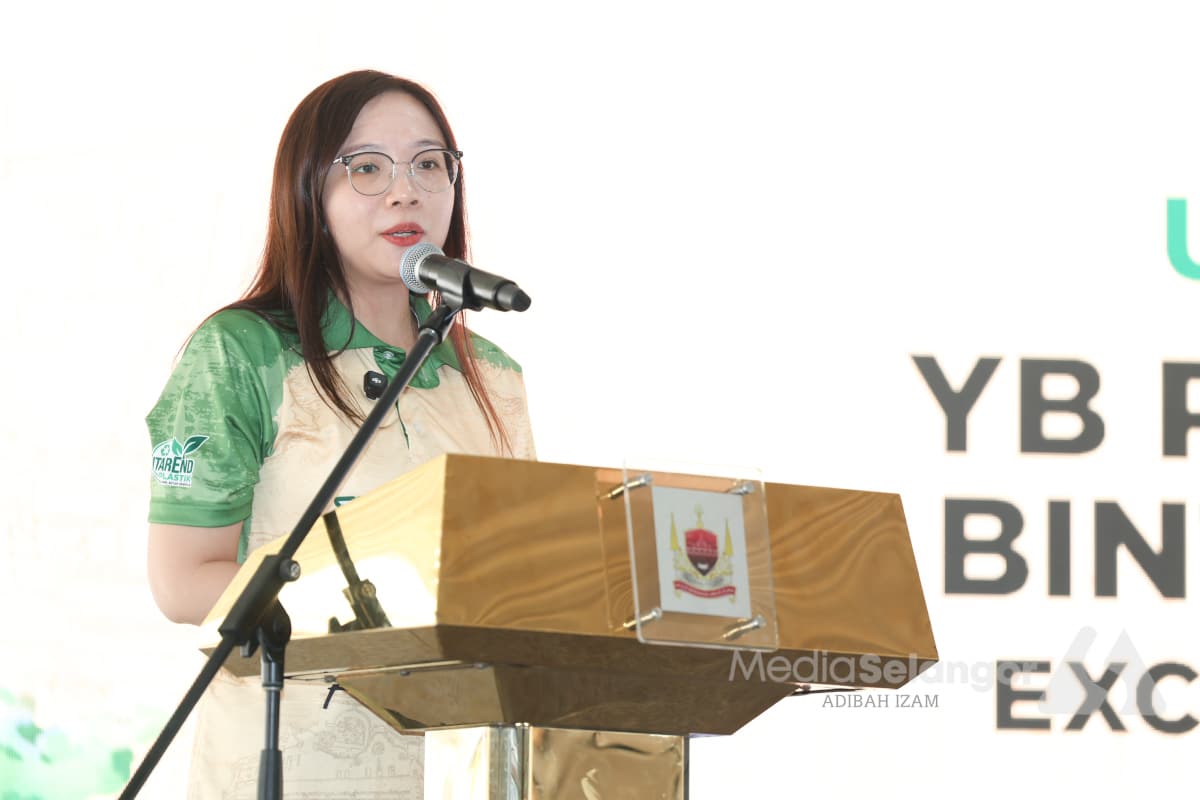
World Oceans Day serves as a reminder of the importance of protecting marine ecosystems and of the ocean's role as not only a natural treasure but also a source of life that provides food, supports the economy, and serves as a habitat for millions of species.
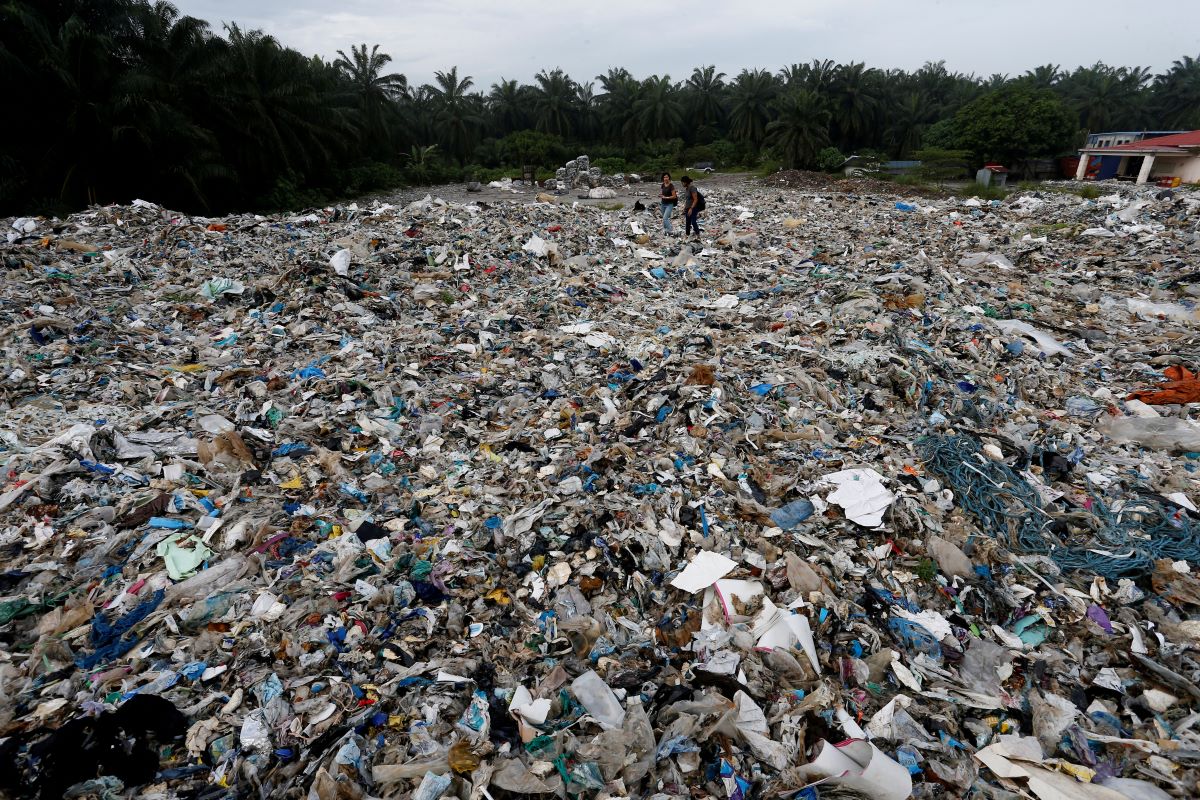
“However, this ecosystem is increasingly under threat due to pollution, especially from the uncontrolled use of single-use plastics,” Jamaliah said.
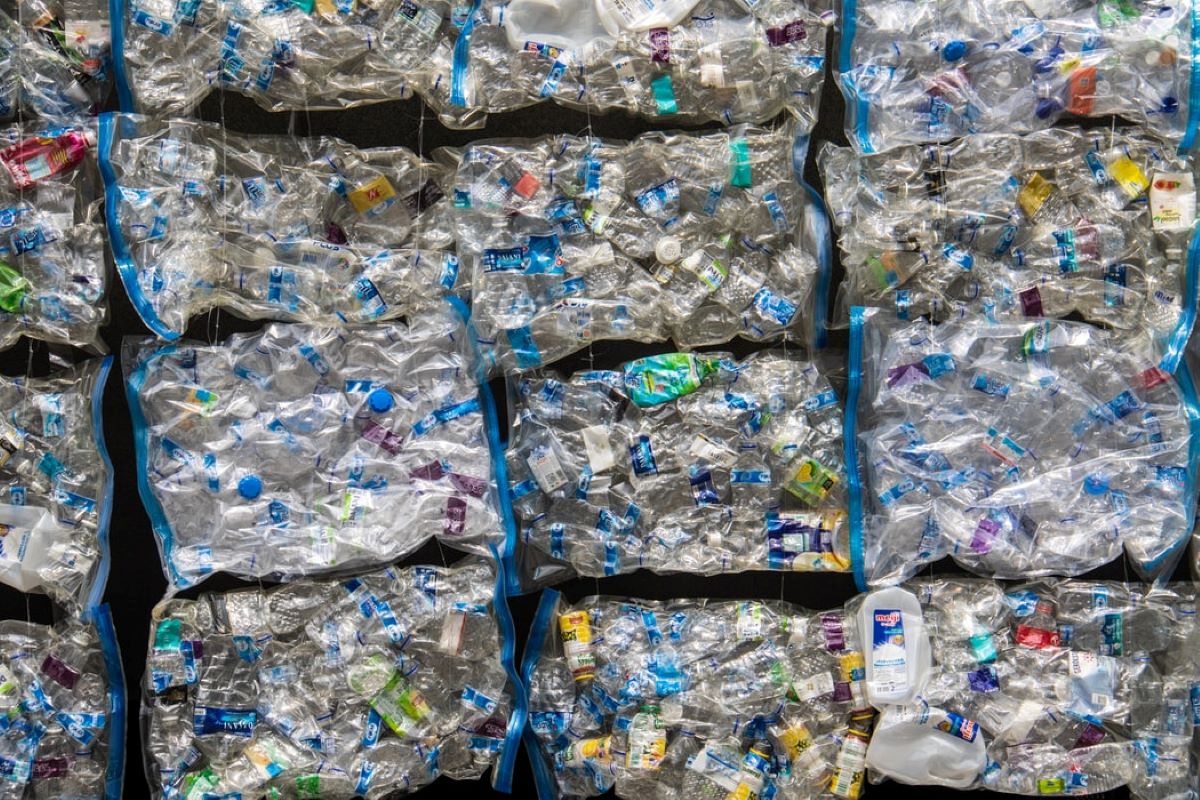
The councillor noted that plastic waste, which may only be used for a few minutes, can take hundreds of years to decompose, posing long-term environmental challenges.
“More worrying is that plastic waste entering rivers and seas breaks down into microplastics, which can eventually enter the human food chain,” she said.
As such, Jamaliah urged the public not to wait until pollution escalates into a larger crisis, as small everyday actions can have a meaningful impact on the environment.
She also called on the public to renew their commitment to protecting the oceans, describing clean seas as a legacy for future generations.