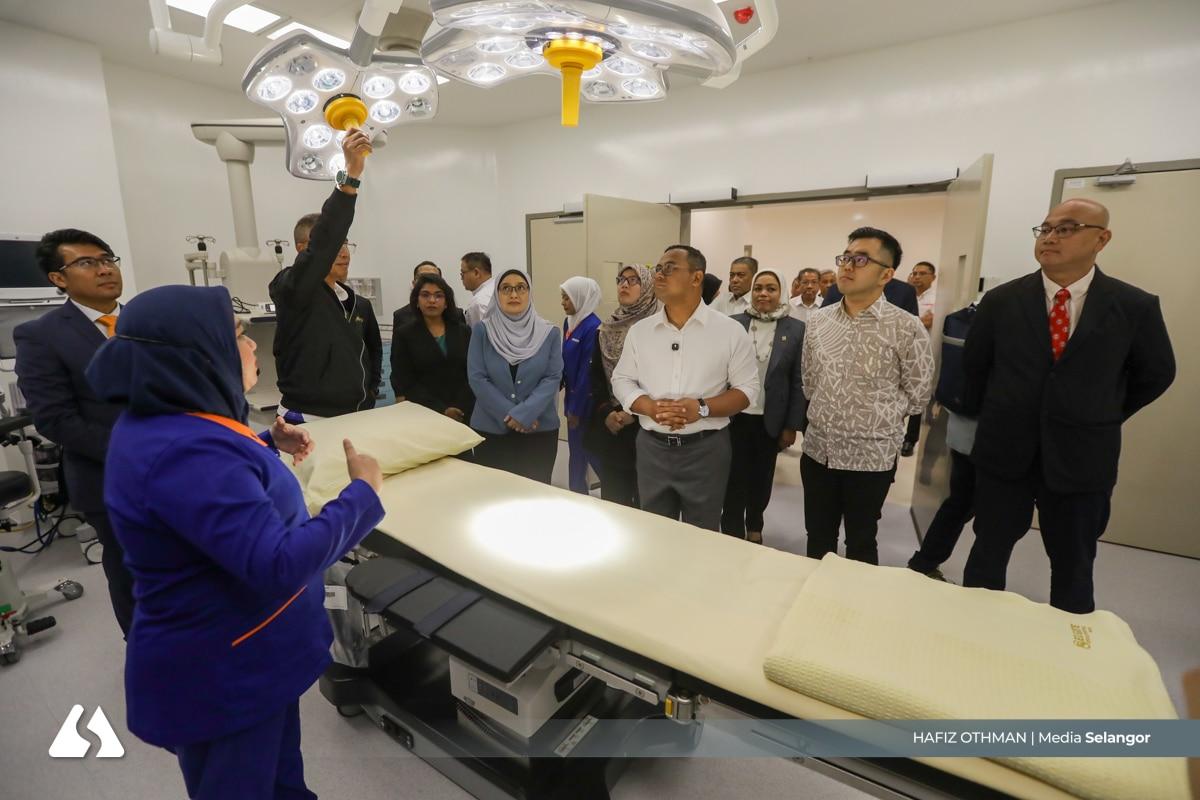
SUBANG JAYA, June 6 — The state government is targeting a 15 per cent annual growth in the medical tourism sector, driven by strong connectivity, a wide network of private hospitals, and rising international confidence in Malaysia’s healthcare services.
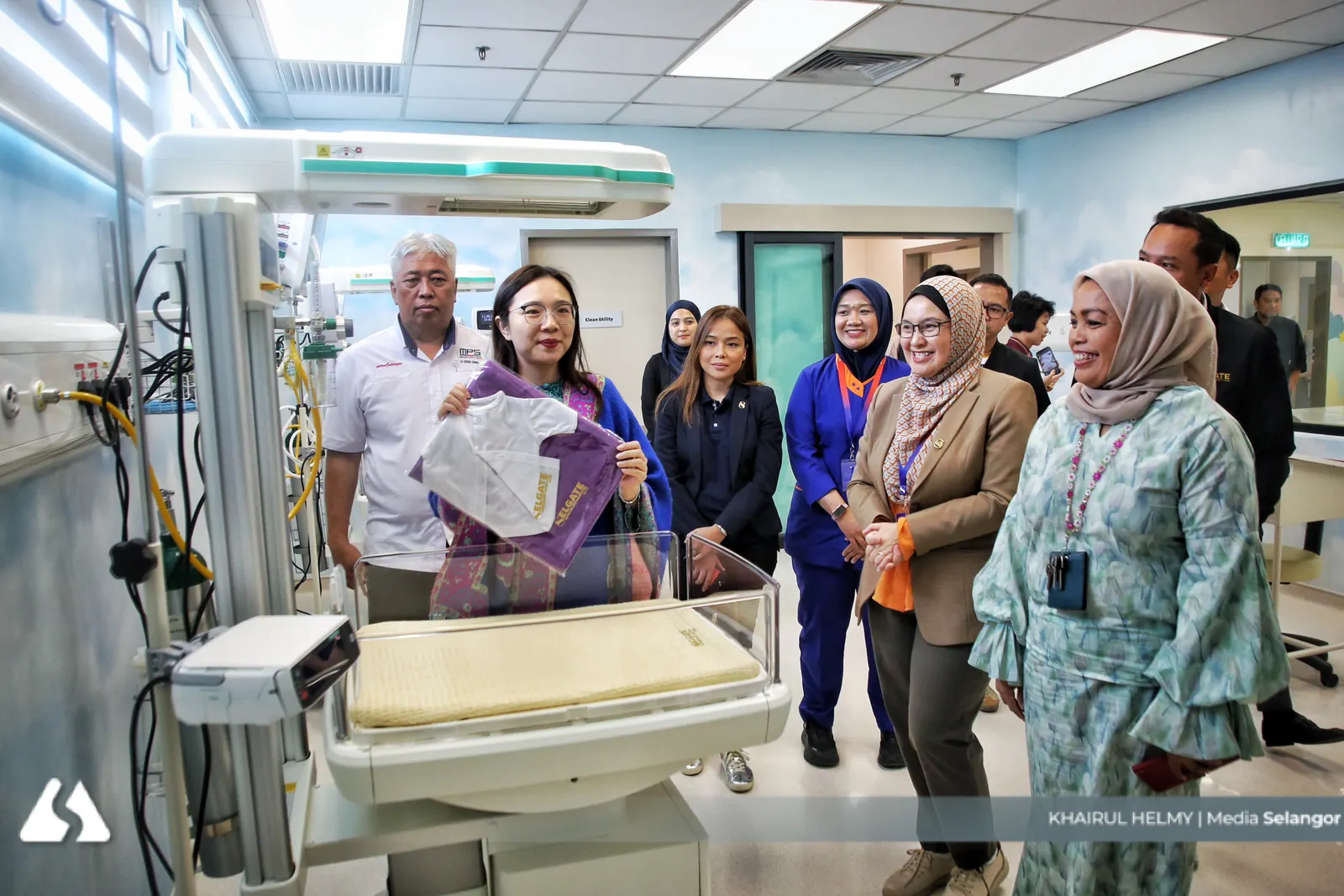
Tourism Selangor chief executive officer Chua Yee Ling said they aim to further strengthen Selangor’s position as a leading medical tourism destination to boost patient arrivals and increase revenue.
This follows encouraging data in the past two years that saw the Klang Valley overtaking its competitors Penang and Melaka in patient arrivals.
“We are looking at 15 per cent market growth. We want it to be more, but we also feel that, actually, less is good. It means that people are healthy,” she said during a recent interview with Media Selangor.
Chua added that over 336,000 out of the 8.42 million tourists recorded in the state last year travelled for medical tourism.
Indonesia accounted for the largest volume of medical tourists at 108,700, followed by China (32,500), Bangladesh (29,400), India (25,100), and Myanmar (11,900).
Of the total RM702.67 million in revenue generated, Indonesia led with RM334.3 million, followed by China (RM97.1 million), India (RM26.4 million), Cambodia (RM21.3 million), and Bangladesh (RM18.3 million).

She said the sector is expected to contribute between RM1.5 billion and RM2 billion to the state’s economy by the end of this year, three to four times the average tourist spending, driven by treatment costs, extended accommodation for companions, and retail spending.
Previously, the Malaysian Healthcare Travel Council reported that from January to November 2024, the Klang Valley — comprising Selangor, Kuala Lumpur, and Putrajaya — overtook Penang as Malaysia’s leading medical tourism hub, attracting about 560,700 international patients and generating RM886 million in revenue.
While Indonesia remains Selangor’s strongest market, Tourism Selangor is actively expanding into emerging ones, including China, India, the Middle East, Japan, and other Southeast Asian countries.
Chua noted that the state is exploring opportunities in the Cambodian market and that the Middle East remains on its radar, although expansion efforts are being closely monitored amid ongoing regional uncertainties.
Accessibility, trust, and affordability
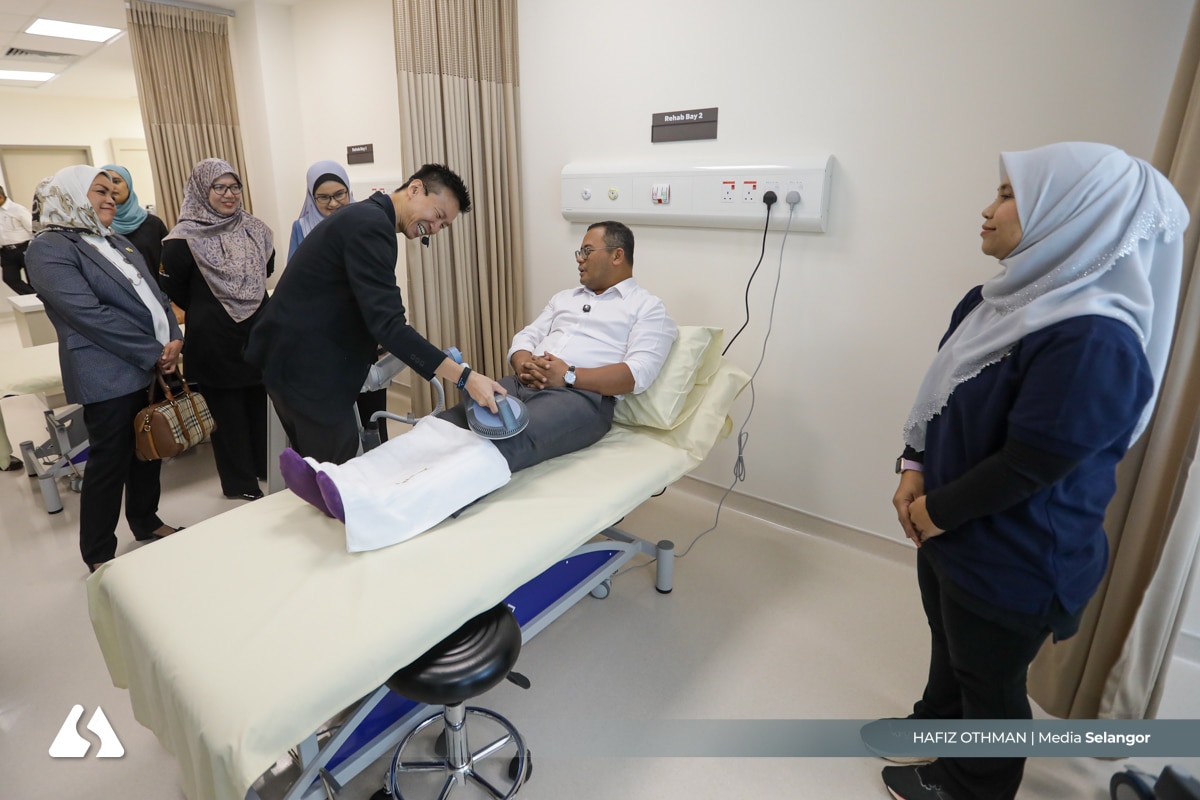
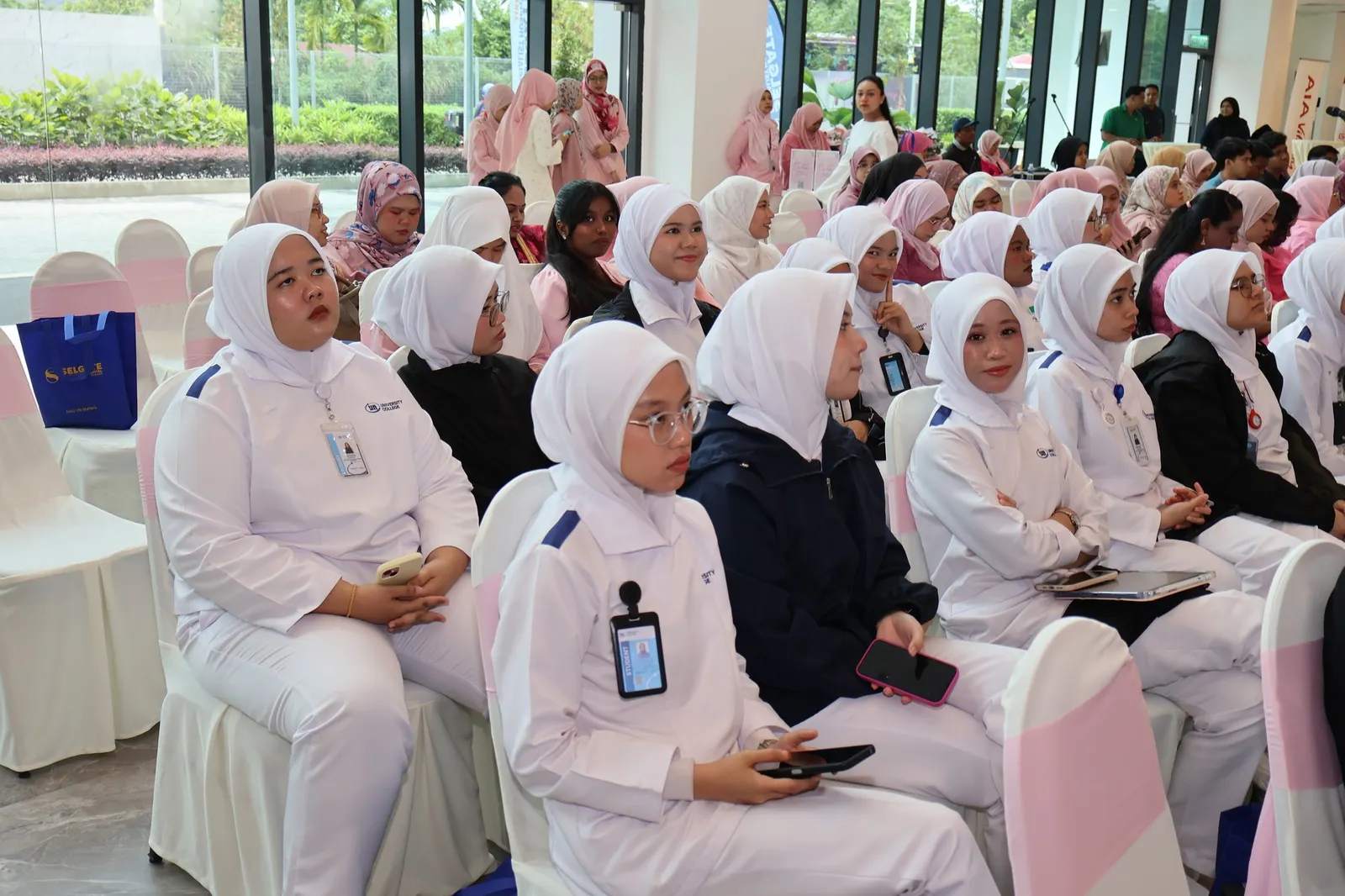
Selangor’s competitive edge lies in its strong healthcare ecosystem, especially its concentration of private medical centres and international accessibility.
“In Selangor, we have the most private medical centres, with 46. Compared to other states in Malaysia, we actually have the best medical facilities,” she said.
The Kuala Lumpur International Airport Terminals 1 and 2, as well as the Subang Airport, position the state as the country’s main entry point for international medical travellers.
Similarly, language, affordability, and trust in Malaysia’s healthcare system also continue to attract foreign patients, especially from Indonesia.
“Our (healthcare) costs are affordable, competitive. When people see the packages (offered) in Malaysia, they are still affordable and not too expensive like in Singapore.
“That is why I believe we have a very strong potential in this market, where people have confidence,” Chua said.
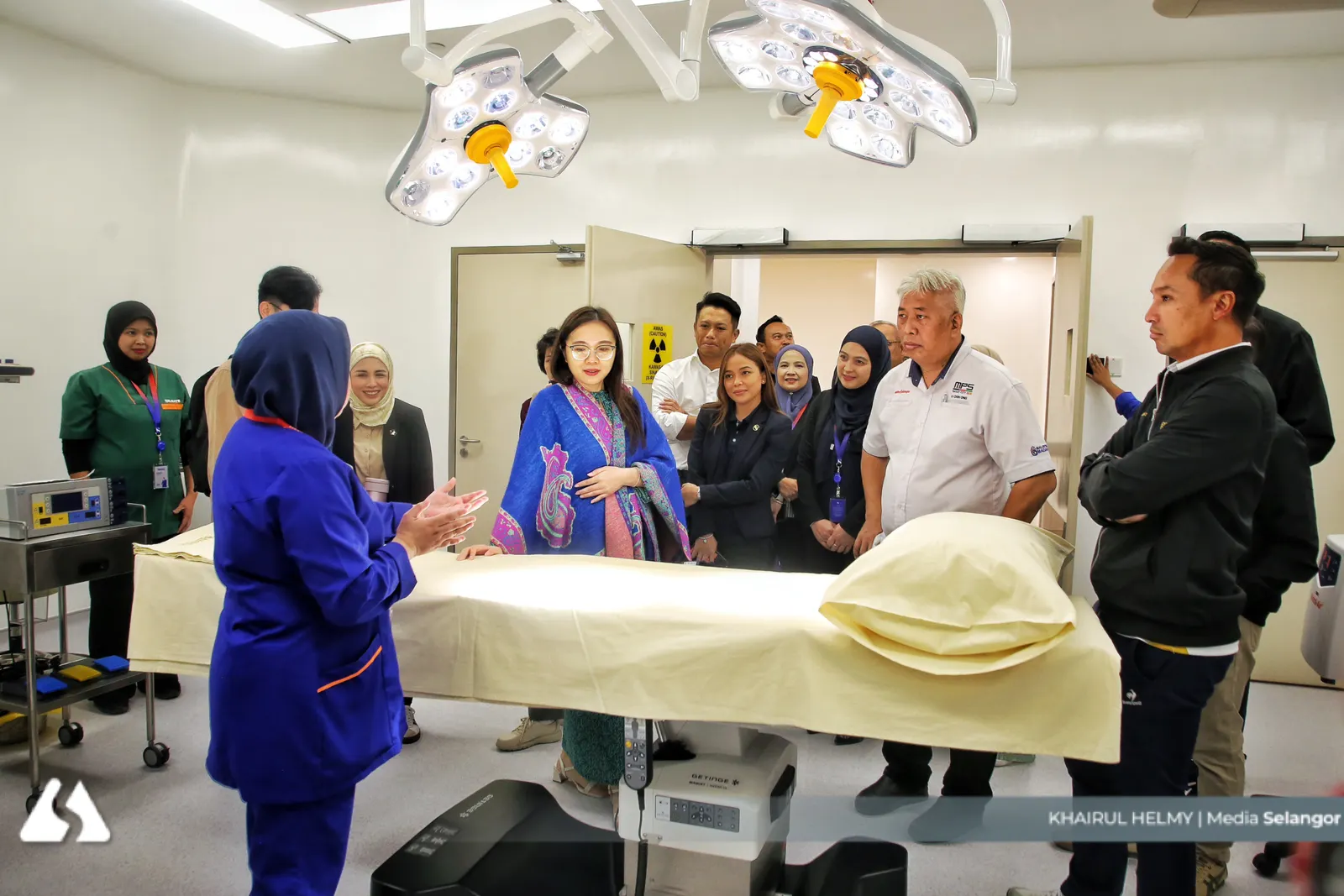
Most international patients entering Selangor still seek general medical check-ups and consultations rather than critical treatments.
Preventive healthcare campaigns are becoming increasingly important as medical tourism providers encourage people to undergo regular screenings instead of waiting until they fall ill.
When asked about Tourism Selangor’s promotional campaigns amid ongoing geopolitical uncertainties and rising travel costs globally, she said medical tourism remains more resilient than leisure travel.
“For medical treatment, no matter the cost, people will still seek it if they need it. It is unlike leisure travel, where spending (is more discretionary) and people may reconsider if prices are too high,” Chua said.
Tourism Selangor continues to work closely with private hospitals, industry players and the Health Ministry to maintain service quality and strengthen patient confidence in the state’s healthcare offerings.