

SHAH ALAM, May 21 — Rapid developments in artificial intelligence (AI) risk widening Malaysia’s gender gap as women workers remain more vulnerable to job displacement, especially in sectors exposed to automation, said state executive councillor for women empowerment and social welfare Anfaal Saari.
Women continue to face structural disadvantages in accessing technology, developing digital skills, and participating in the AI ecosystem.
She said global studies have shown that women are disproportionately affected by automation and AI-driven workplace restructuring.
“When AI and global economic uncertainty accelerate, women are often the first group to be affected.
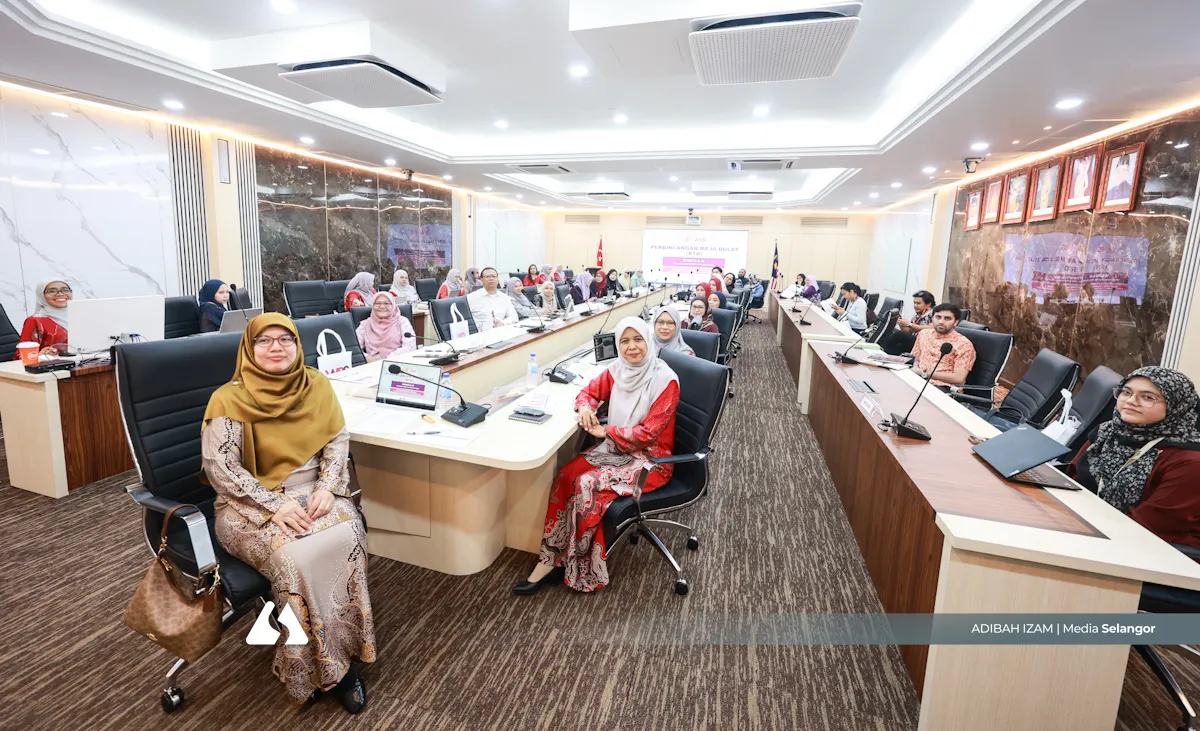
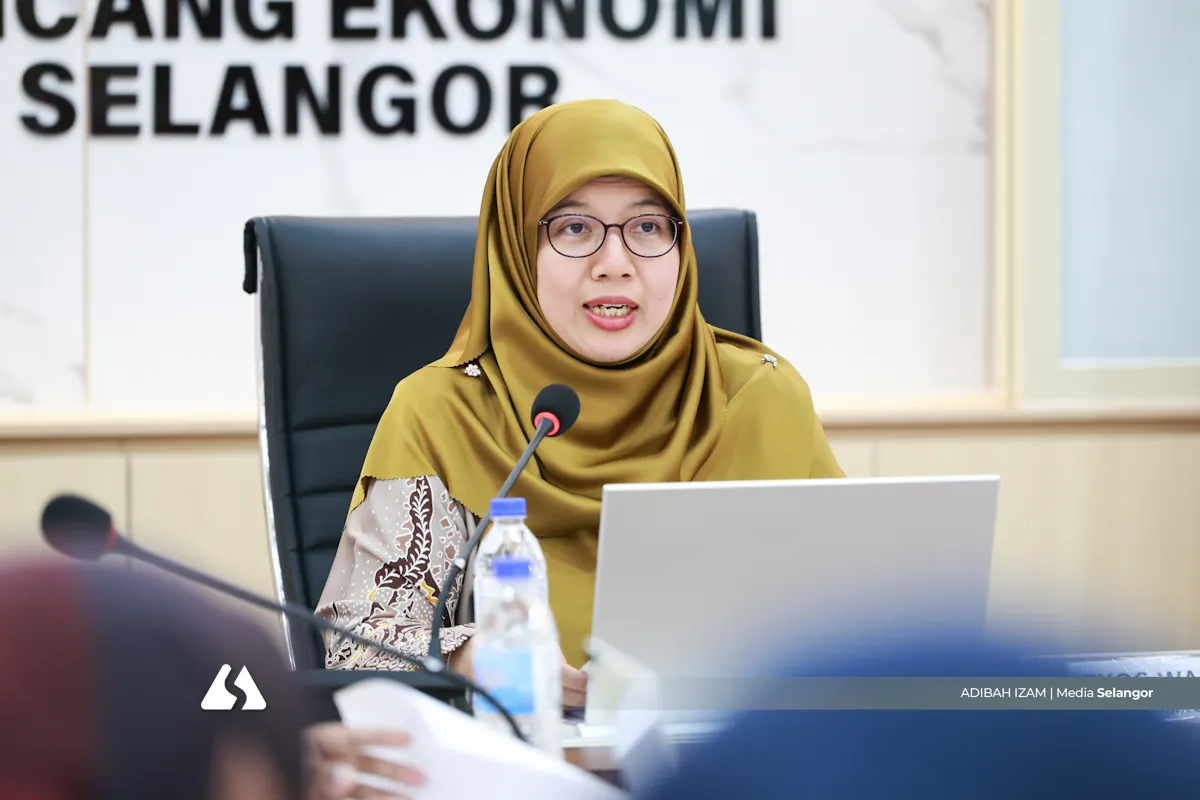
“Jobs involving clerical, support and routine tasks sectors largely occupied by women are more vulnerable to automation,” Anfaal said in her speech during the third roundtable discussion (RTD), themed ‘Women and AI – Building Resilience in the Digital Era’ and in conjunction with the upcoming Gender Outlook Forum, at the State Secretariat Building today.
Citing the Global Gender Gap Report 2025, she said the global gender parity rate currently stands at only 68.8 per cent, with the world expected to take more than 120 years to achieve full gender equality.
“In simple terms, if 10 men are able to get jobs, only about six out of 10 women are able to secure employment due to unequal access to technology, skills, and opportunities,” Anfaal said.
Data from the International Labour Organisation showed that nearly 29 per cent of jobs in female-majority sectors are at risk of automation.
“If employers are forced to choose who to retain during automation-driven restructuring, men are often seen as more adaptable and easier to absorb into other jobs, while women are the ones being let go,” she said.
Anfaal also cited findings from the American think tank, the Brookings Institution, which found that occupations most exposed to AI disruption are dominated by women, especially in administrative and support functions.
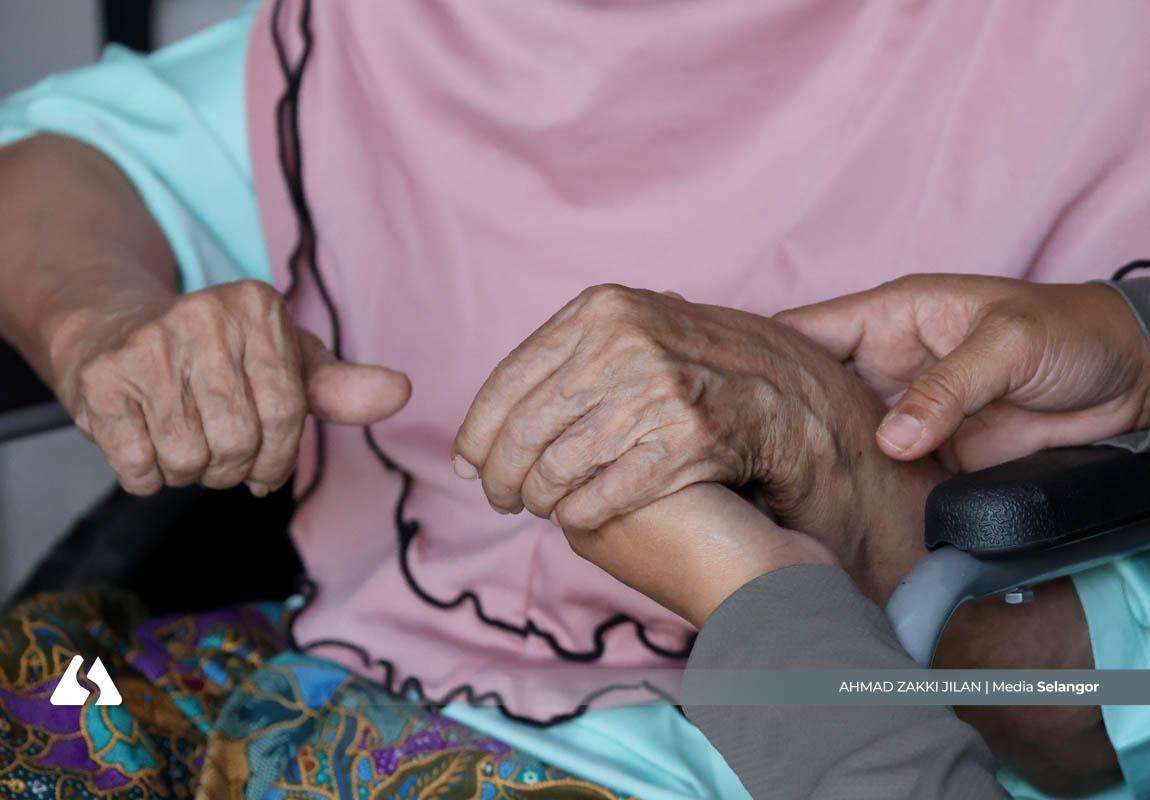
Women continue to shoulder disproportionate unpaid care responsibilities, limiting their ability to participate in digital entrepreneurship and adapt to technological change.
“Women face a double burden. They are expected to work while also carrying unpaid caregiving responsibilities at home.
“In the current global economic climate, women are among the groups most at risk of being left behind. That is why digital transformation cannot happen without women being included in the process,” she said.
The councillor added that women also remain underrepresented in research and development, including in the design and governance of ethical AI systems.
Referring to a UNESCO study on Women for Ethical AI, Anfaal said the lack of women’s participation in AI development could reinforce gender stereotypes and biases in large language models.
“AI systems are often built based on generalised assumptions that treat everyone the same, when in reality men and women may have different needs and lived experiences,” she said.
As such, gender-disaggregated data is needed to ensure AI systems are developed more fairly and inclusively.
“The concern that AI systems may reinforce stereotypes is real and must be addressed seriously. We need to move away from assumptions that men and women must behave in certain ways,” Anfaal said.
The RTD is organised by Wanita Berdaya Selangor to address the impact of rapid digital transformation on women. It is the third in a five-part discussion series leading up to the Gender Outlook Forum, now in its second year.
Previous discussions focused on Islamic family law and women’s economic challenges.
Today’s session brought together government agencies, industry players, and non-governmental organisations to examine both the risks and opportunities of AI for women, including job displacement in female-dominated sectors, digital skill gaps, and the unpaid care burden that limits economic participation.
The initiative aligns with the state’s Women Policy and Action Plan 2024-2026 and will inform future policies on reskilling and upskilling, as Selangor aims to ensure women are not left behind in the digital transition.